Field Note @Jharkhand 16 May 2025
My field visit in Jharkhand concluded on the third day. The firsthand experience of seeing collaborative action on the ground, the interactions, and the learning made lasting impressions. The warmth of the smiles as I walked through the villages, the delightful meetings with children and adolescents, and the commitment and compassionate work of the frontline workers in reaching children in the last mile to support their well-being were uplifting to see.
Meeting with the Government of Jharkhand, the Chief Minister Hemant Soren, the Speaker of the Jharkhand Legislative Assembly, the Additional Chief Secretary to the Chief Minister, the Secretary, Department of Women, Child Development and Social Welfare, to the District Collector of West Singhbhum – completed a rich visit to state leadership guiding the primary care services to work in sync to bring the state’s aspirations to life. And to the benefit of children, women and communities to live healthier and better.
It was heartening to see UNICEF’s work with the Government of Jharkhand, partners, and young people convening and catalyzing progress for children. Programmes that are inclusive of 26 per cent of the tribal population and UNICEF’s role in technical partnership as a trusted ally contributing to a unified mission to promote the rights and well-being of children in Jharkhand.

A Day in Toklo B: Where Healing Begins
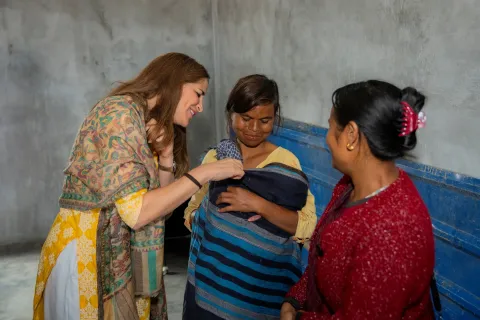
In the red-soil villages of Chakradharpur block in the tribal district of West Singhbhum, I met members of India’s frontline health workers, Palo (Anganwadi), Sukhsari (ASHA), and Indu (ANM), who support new mothers in the care of their new, growing babies. I learnt how they are helping the young children to become well nourished by advising mothers on appropriate feeding practices, providing supplementary nutrition and regularly monitoring their growth.
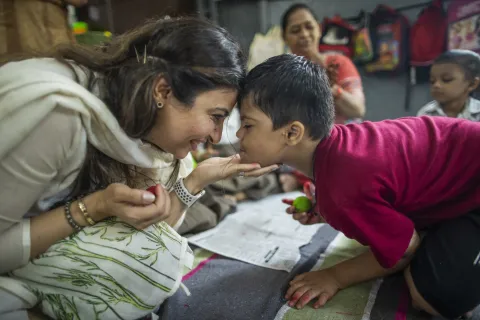
Then I joined a class of toddlers who were laughing and learning through safe, stimulating play. Through their smiles and playfulness, I could see that this was serious stuff—they were building their confidence and readiness for school and the much more exciting learning that awaits them.

Listening to New mothers and nurturing quality care
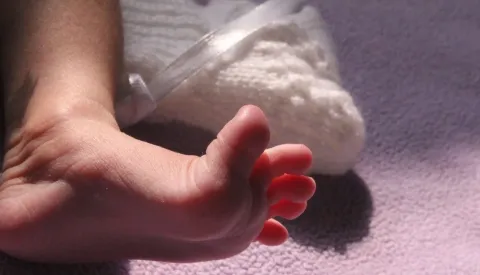
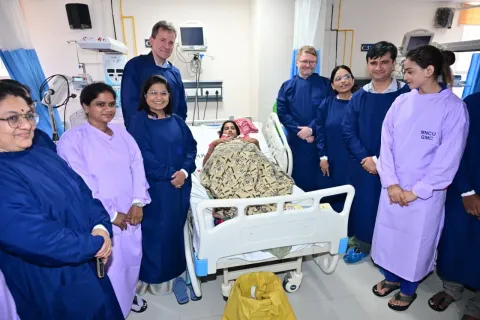
Later that afternoon at Chakradharpur Sub-divisional Hospital, I met Karisma Guiya, a 21-year-old tribal mother breastfeeding her newborn with support from a nurse trained under UNICEF supported intervention. This hospital is one of 12 facilities in Jharkhand supported through the Government’s LaQshya programme to improve labour room care. It was remarkable to see how technical support informs nurturing care and small interventions creating larger impact.
Meeting Sita Didi: A Grassroots leader
I met Sita Sardar from Ulidih village, a former homemaker turned Mukhia, a village head, who’s also a Jal Sahiya, a powerful tribal WASH leader. Sita broke taboos around menstrual hygiene, led a water safety drive, trained women, and mobilized her village to become open-defecation-free.
Under the Swachh Bharat Mission (Gramin), Sita formed a Village Water and Sanitation Committee and guided the construction of 350+ toilets. In Jharkhand, the only state with a structured, funded female WASH cadre, Sita isn’t just helping deliver services, she’s redefining grassroots leadership.

Creating Safe Spaces: Preventing harm before it happens
UNICEF's mandate is supporting children's safety and well-being and at the core of our programmes. This is what I saw in action in Jharkhand. I met dedicated workers from Jharkhand State Livelihood Promotion Society (JSLPS) and the District Legal Services Authority, working in convergence to prevent child marriage and promote safe, family-based care. Rupa Das from JSLPS shared how UNICEF-supported child protection and parenting training has strengthened JSLPS’s work with women. These local champions are responding to issues and working tirelessly to prevent them. This is where real impact begins.
Learning from Girls at Kasturba Gandhi Balika Vidyalaya
My day ended with 349 bright girls at Kasturba Gandhi Balika Vidyalaya in Chaibasa Sadar, many from tribal and marginalized communities. Beyond academics, the school offers STEM labs, menstrual hygiene management sessions, Eco Clubs, life skills, and child cabinets.
Lovely Purty, a Class 8 student, shared how she once feared studying science until hands-on learning changed everything. These are more than schools, they are empowerment hubs, shaping confident futures for Jharkhand’s adolescent girls.

The Echoes I Carry Home
What stayed with me wasn’t the reports or the numbers. It is the real-life story of fourteen-year-old Richa, a child reporter, and her fight against discrimination at home, her advocacy for children’s education, and her courage to speak out for equal opportunities.
The real people, quiet yet powerful, represent grassroots leadership toward change. They include the mother who now knows how to nourish her child to health, the nurse who cared enough to stay past her shift to help a new mother, and the girl who dreams of becoming a scientist.
As I close this note, I remind myself that real change does not always wear a badge or carry a title. Sometimes change comes wrapped in a saree, walking through rugged terrains before the sunrise, holding the call of duty in one hand and courage in the other. This is what real change looks like. And this is why we do what we do in UNICEF #For Every Child!