A Protective Smile Against Polio
In Balato, polio vaccination reaches children where they are and brings hope to families

- Français
- English
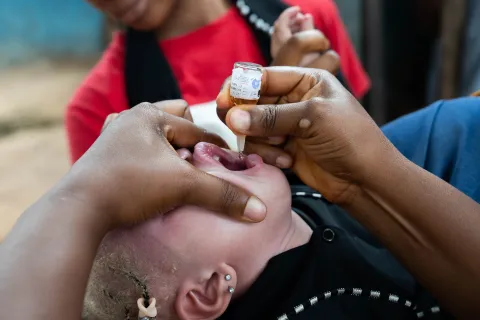
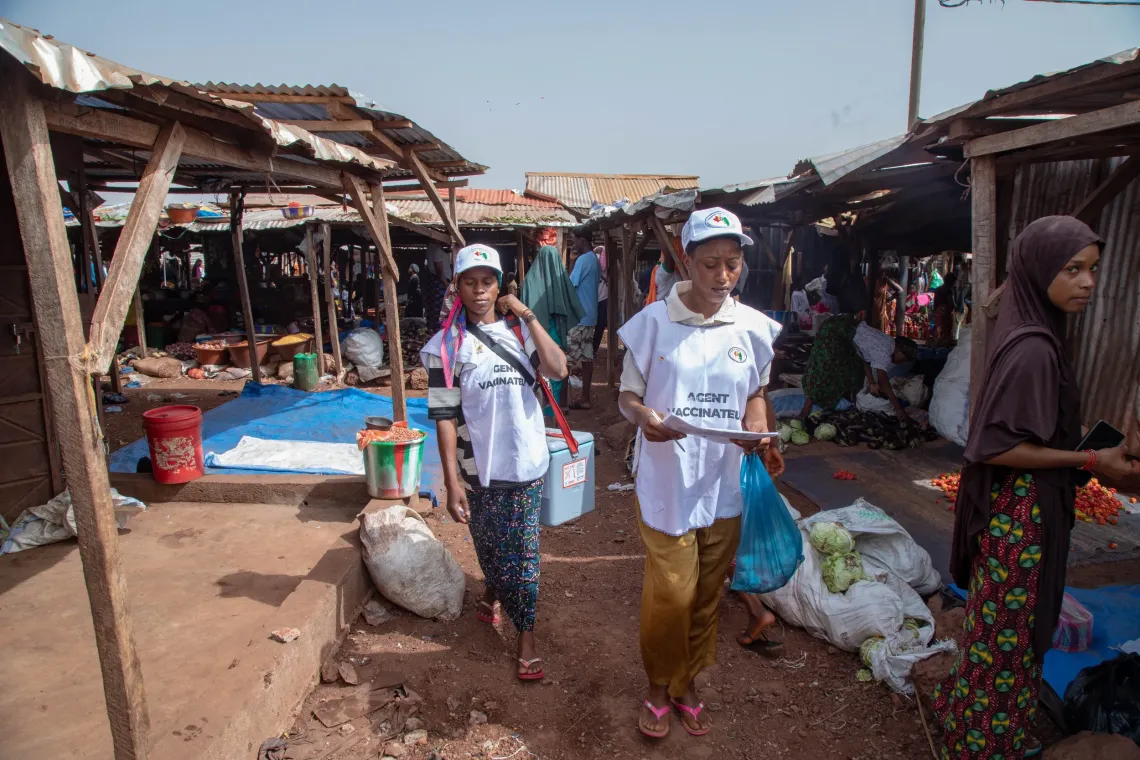
In Balato, in the Siguiri sub-prefecture, every polio vaccination campaign transforms daily life in markets, households and gold-mining areas. Through a door-to-door vaccination strategy, health teams move through neighbourhoods, compounds and busy public places to reach every child under five. From the early hours of the morning, social mobilizers, vaccinators and supervisors move throughout the community with one shared mission: to protect children against a disease that can cause irreversible paralysis.
Amidst this activity, the smile of Kadiatou Sanoh expresses a deep sense of relief. A vendor at the local market in Balato, she leaves home well before sunrise to set up her stall and does not leave until nightfall. With such a busy schedule, finding time to visit a health centre is often nearly impossible.
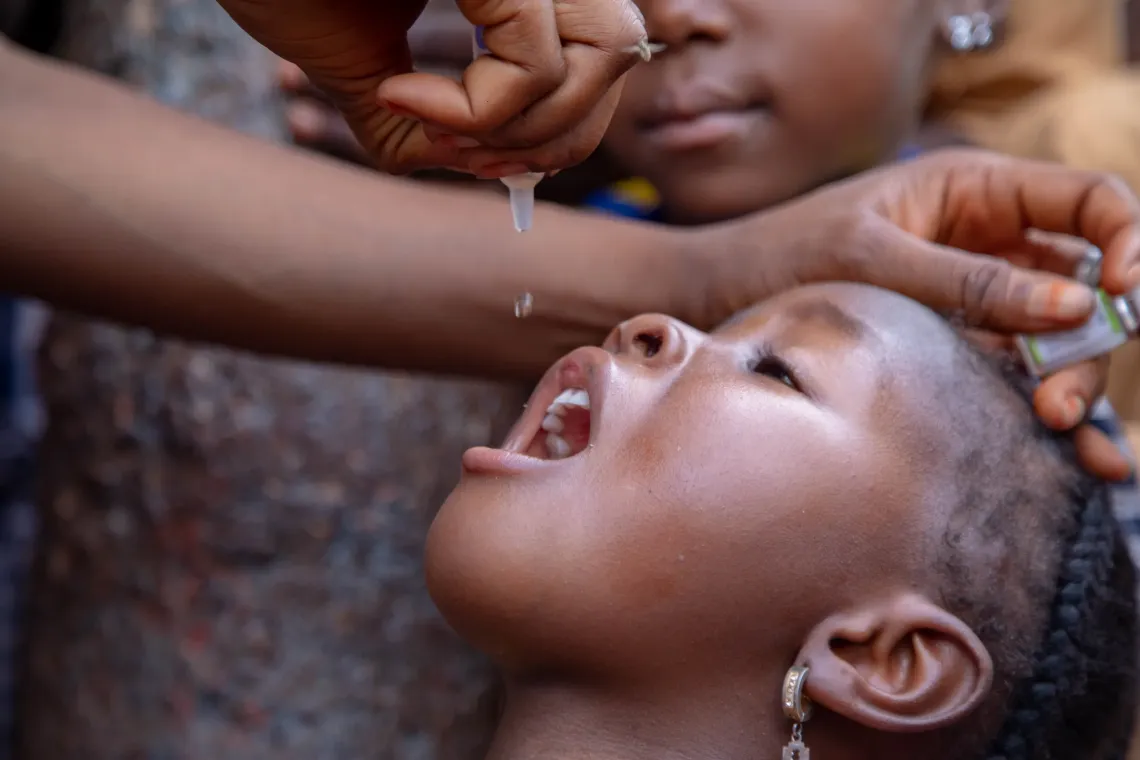
On this day, the vaccination teams came to her. Her seven-month-old daughter, Matinin, received her polio vaccine drops without her mother having to interrupt her work.
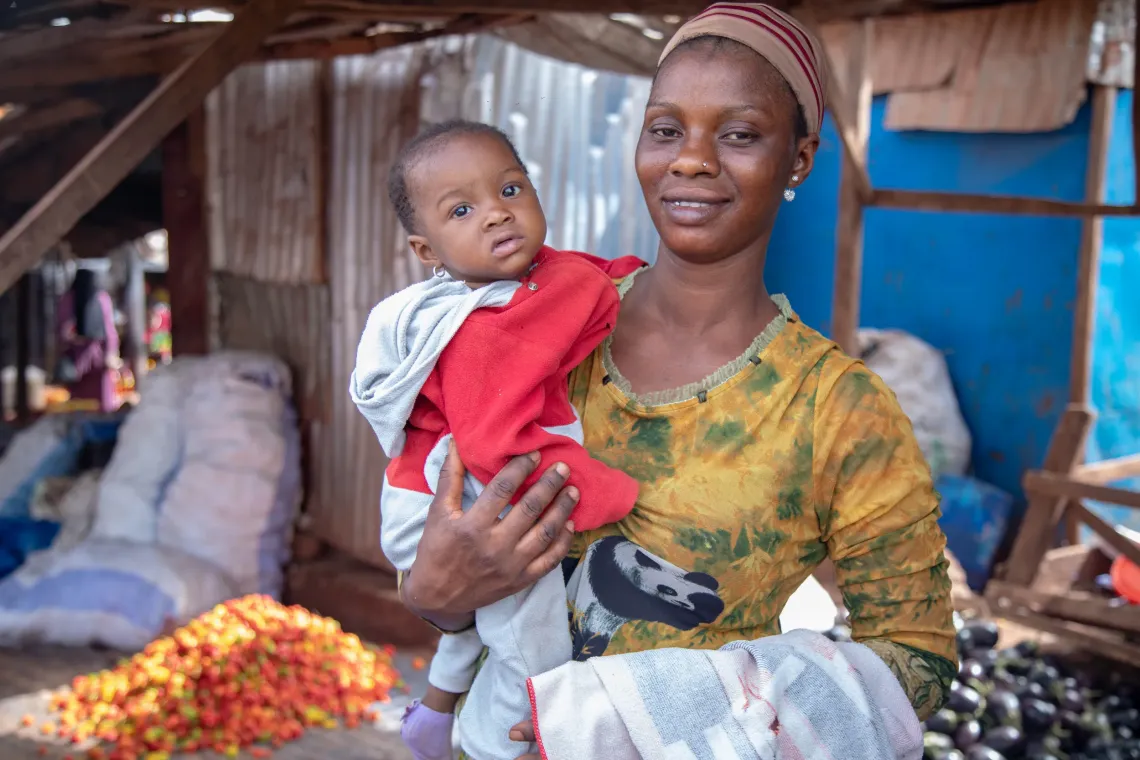
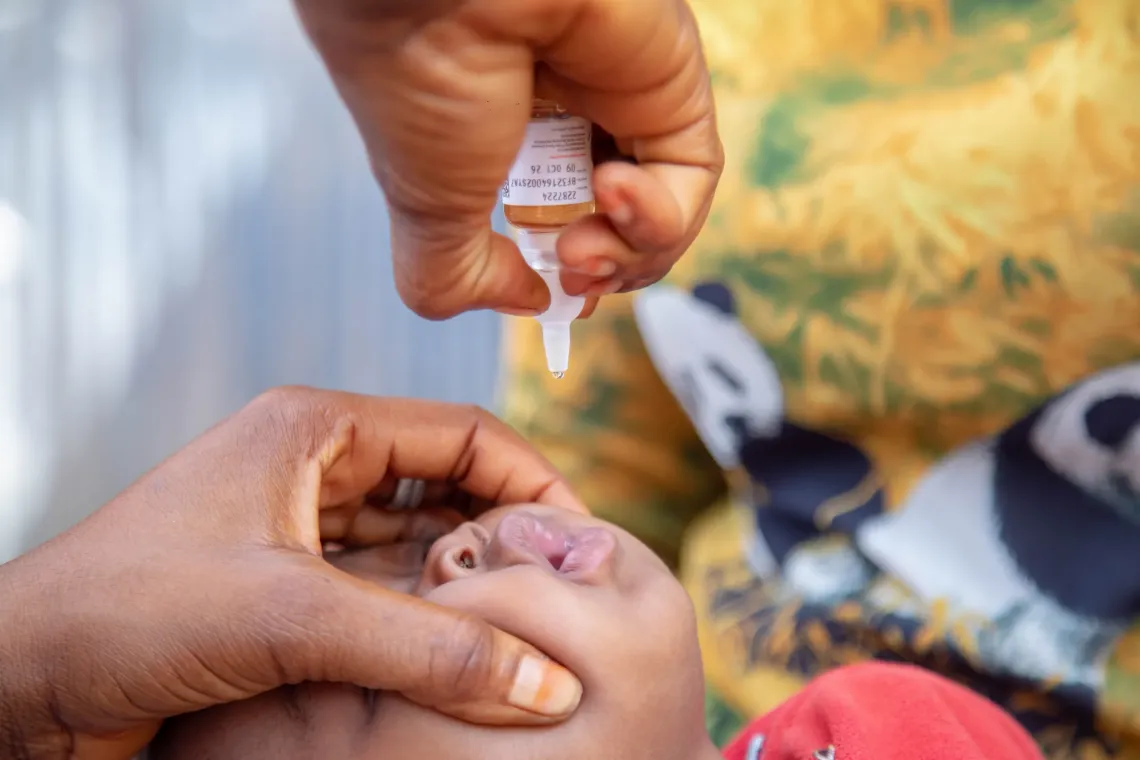
“This is a real opportunity, especially for us mothers who sell at the market from the early hours of the morning. Having vaccination teams come to us to vaccinate our children is a great help. It allows us to protect their health without having to give up our work,” says Kadiatou.
Matinin is still too young to understand the importance of this simple act, but her mother fully understands its benefits. That day, the little girl also received the vaccines scheduled as part of the campaign, providing essential protection to strengthen her immunity.
“I agreed to have my daughter vaccinated so that she can stay healthy. Vaccination is essential because it protects children against serious diseases, including polio, which can cause irreversible paralysis. I am happy to know that she will be able to grow up healthy, walk, run and fully use her arms and legs,” she explains.
By bringing health services closer to families—including in markets and gold-mining areas where children can sometimes be difficult to reach—this community-based approach reduces missed opportunities for vaccination and helps protect more children.
Community mobilization for every child
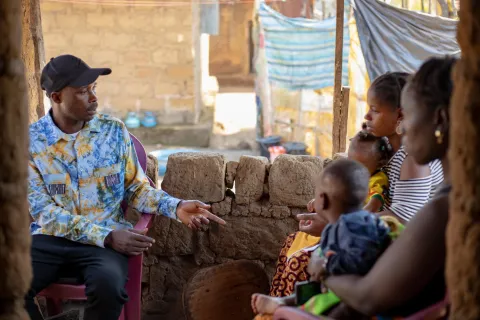
The success of the campaign also relies on a strong community mobilization network. Well before vaccination teams arrive, social mobilizers, community radio presenters, religious leaders and local authorities join forces to inform families, address their concerns and strengthen confidence in vaccination.
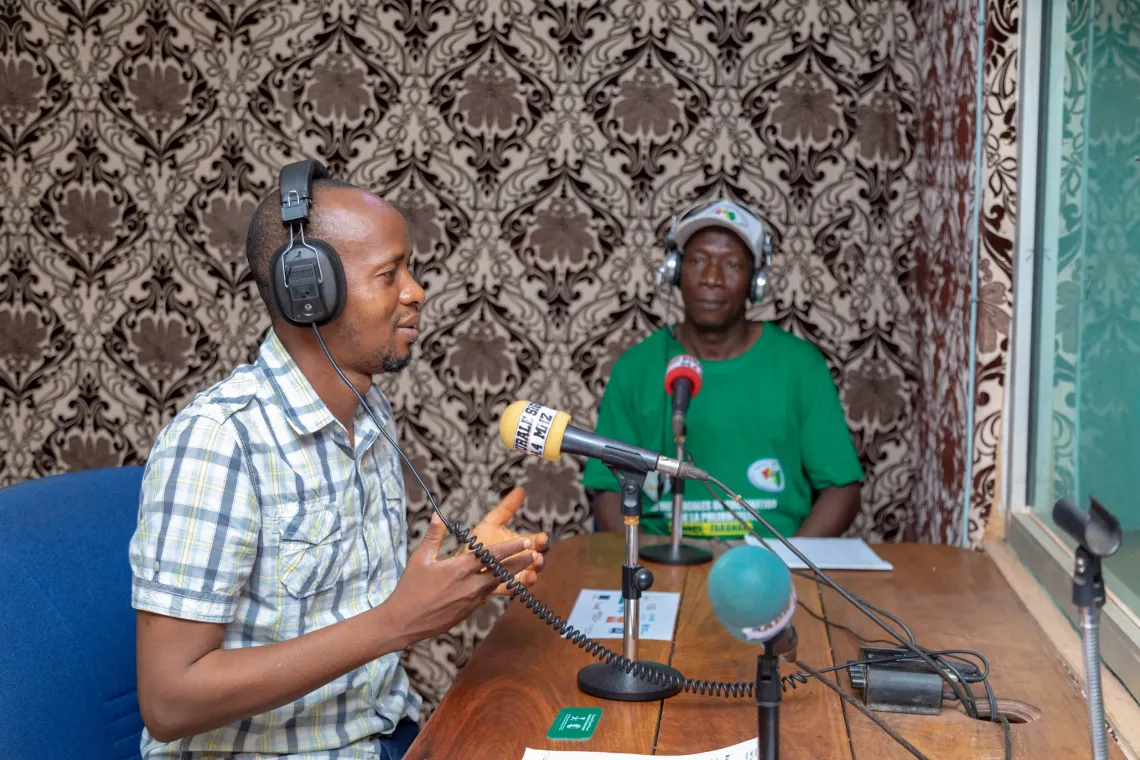
At Siguiri Rural Radio, Facely Condé’s voice is familiar to listeners. Through programmes broadcast in local languages, he shares reliable information about vaccination and responds to parents’ questions and concerns.
“As a community radio station, we know that our messages reach people at the grassroots level directly. That is why we have a responsibility to share information that is accurate, clear and verified,” he explains.
When parents call the station with concerns, Facely relies on concrete facts to answer their questions. Radio presenters also lead by example by having their own children vaccinated.
“An unvaccinated child remains exposed to disease, while every vaccinated child not only strengthens their own protection but also contributes to protecting the entire community. By vaccinating your children, you give them a better chance to grow up healthy and build a better future,” he reminds listeners.
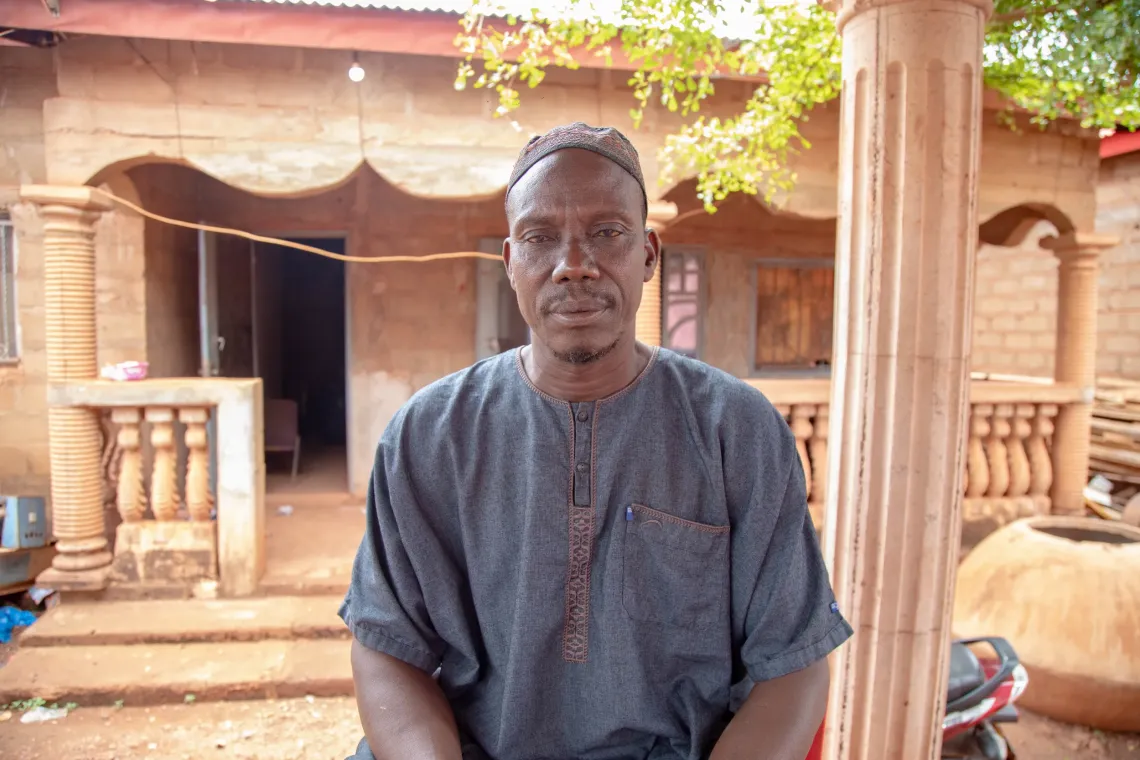
In neighbourhoods, this awareness-raising work is reinforced by community leaders such as Bangaly Camara, who reaches out to families who remain hesitant.
“When we encounter hesitation, we do not give up. We take the time to listen to parents’ concerns and share the right information to reassure them,” he explains.
An essential response to the resurgence of the virus
Guinea was certified free of indigenous wild poliovirus in 2012 by the African Regional Certification Commission for Polio Eradication. However, the country continues to face outbreaks of circulating variant polioviruses type 2 and type 3.
In 2025, two new cases of circulating variant poliovirus type 3 were confirmed in the Kankan and Faranah regions, highlighting the need to maintain a rapid response to interrupt transmission.
In this context, the joint administration of nOPV2 and bOPV is an essential component of the response implemented during the Local Vaccination Days organized in 2026 in the Kankan and Faranah regions.
On the ground, health workers such as Dieta Diaby, from the Expanded Programme on Immunization (EPI) at Balato Health Centre, are turning this strategy into reality, one drop at a time.
“Walking under the sun to vaccinate children is an effort I make with pride because I think about their future. The health of our community depends on it. A healthy child is a promise of a better future for the entire nation,” she says.
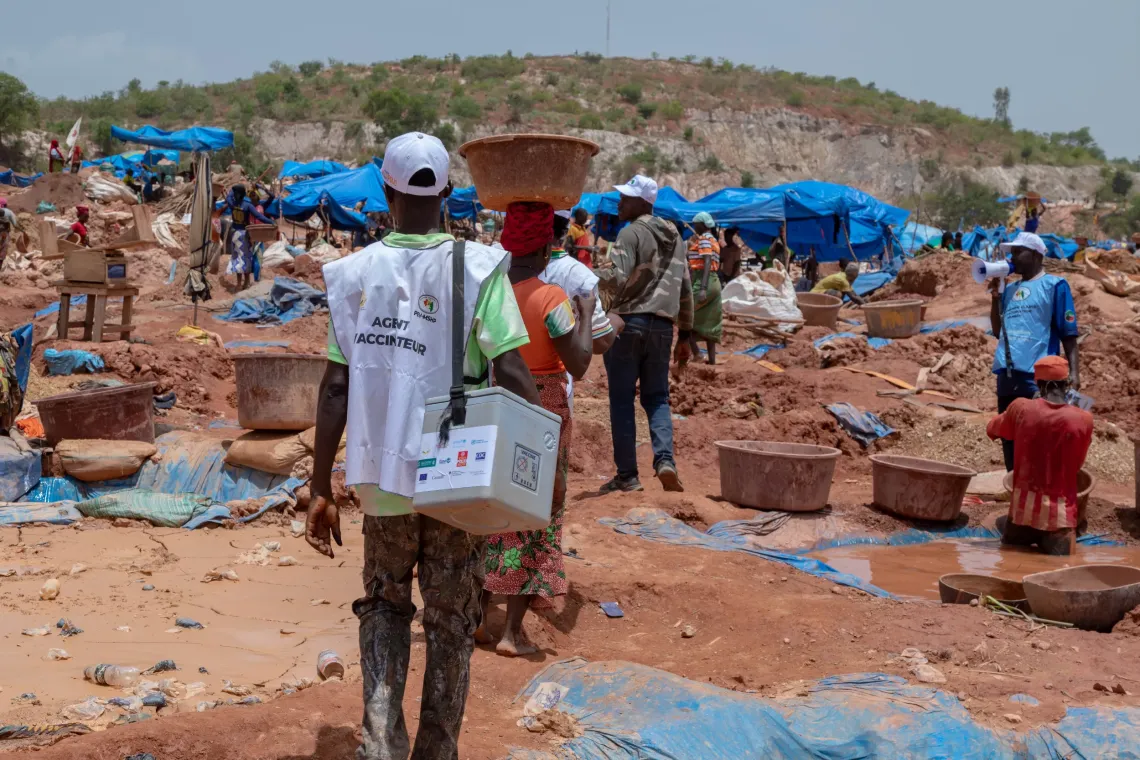
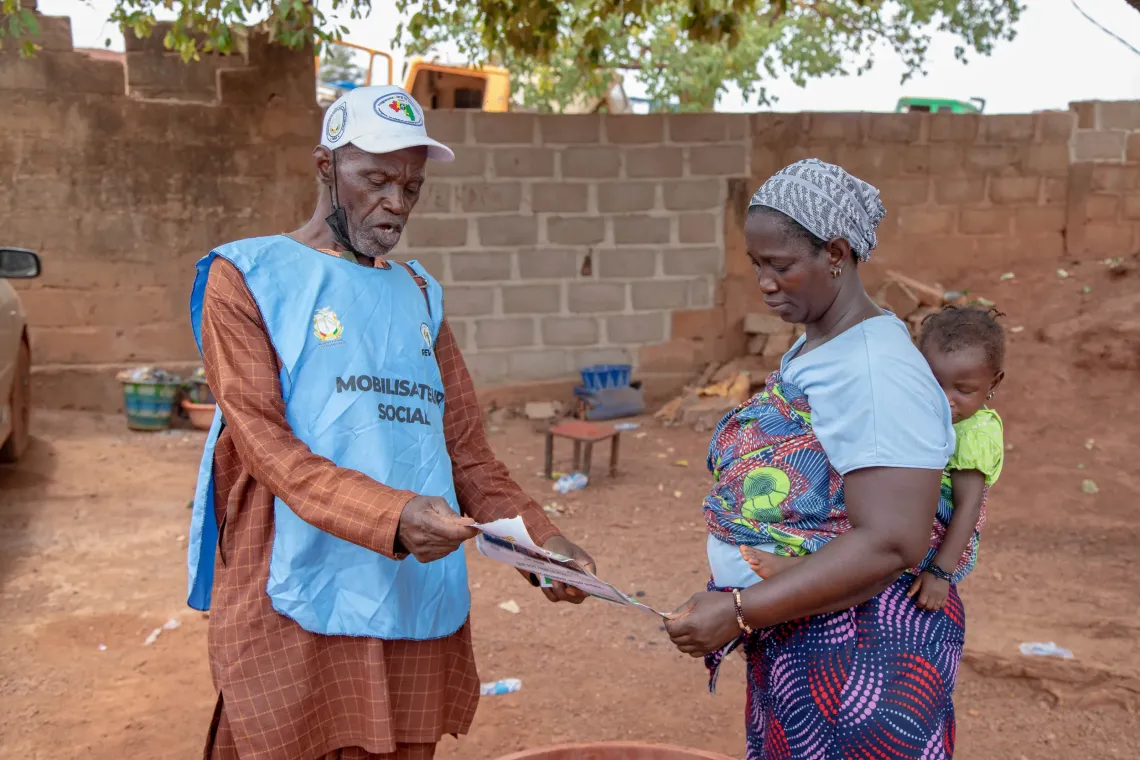
Through the combined efforts of families, health workers, social mobilizers, community radio stations and local leaders, UNICEF and its partners support the efforts of the Government of the Republic of Guinea to deliver vaccines, strengthen the cold chain, support social mobilization and accompany field teams as they reach even the most hard-to-reach communities.
In 2026, 1,883,714 children were vaccinated during campaigns organized in the targeted districts, thanks to the commitment of the Government of the Republic of Guinea and the support of partners including UNICEF, the World Health Organization (WHO), Gavi, the Vaccine Alliance, the Gates Foundation, the Government of Canada, Rotary International, the Centers for Disease Control and Prevention (CDC), the European Commission–European Investment Bank (EIB), and the King Salman Humanitarian Aid and Relief Centre (KSrelief).