Improving access to water, hygiene and nutrition for children
With support from The Church of Jesus Christ of Latter-day Saints, UNICEF is improving access to water, hygiene nutrition in the Labé region.
- Français
- English
In Guinea, numerous challenges hinder children's access to essential services such as education, health and protection. Among them, access to water, hygiene and sanitation (WASH), as well as adequate nutrition, remains a major concern. Although progress has been made at the national level, significant disparities remain, particularly between urban and rural areas and the Labe region is the most affected.
Alarming figures highlight and the urgency of the situation.
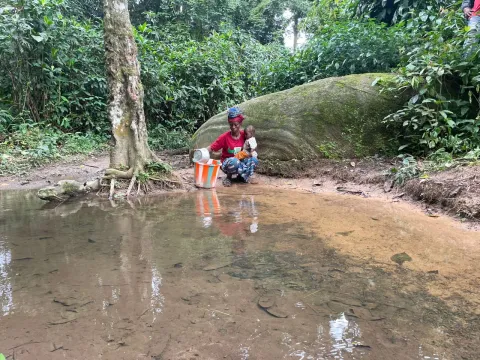
According to the SMART survey of 2022, 99.3 per cent of households in the Labé region have handwashing kits, but only 65 per cent of residents have access to an improved source of drinking water. Even more worrying is the fact that only 30 per cent of households have adequate sanitation facilities, and more than half of the population still practices open defecation, which seriously exposes children to waterborne diseases such as diarrhoea and malaria.
In 2024, 26 per cent of children (nearly 750,000) suffered from stunted growth, and 7 per cent (nearly 350,000 cases, including 100,000 severe cases) suffered from acute malnutrition nationwide. In the Labé region, acute malnutrition affects nearly 7 per cent of children, with peaks of 11 per cent among those under two years of age, while chronic malnutrition affects 29 per cent of children.
Concrete solutions for a better future
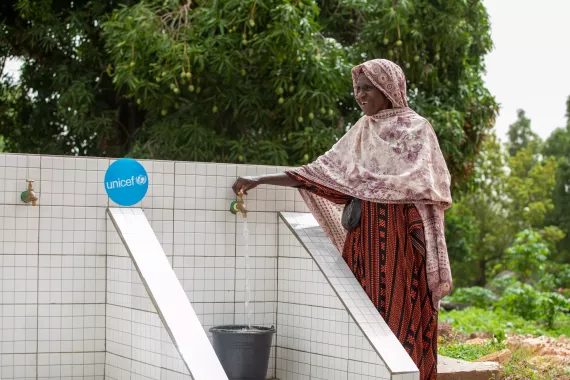
Thanks to the support of The Church of Jesus Christ of Latter-day Saints, UNICEF's intervention in the Labé region has brought lasting change to the most vulnerable rural communities. To date, 7,421 people (including 3,820 women and 3,339 children) now have access to safe drinking water. Six schools with 1,800 students and three health centres have also been connected to water networks thanks to the installation of three solar-powered drinking water supply systems.
These infrastructures are transforming the lives of local residents: they have significantly reduced the burden of water collection for women and children, allowing them to devote more time to education and economic activities, while improving hygiene in schools and health centres to create healthier environments. They also offer women better protection against gender-based violence, often linked to trips to collect water, and help keep girls in school, even during their periods.
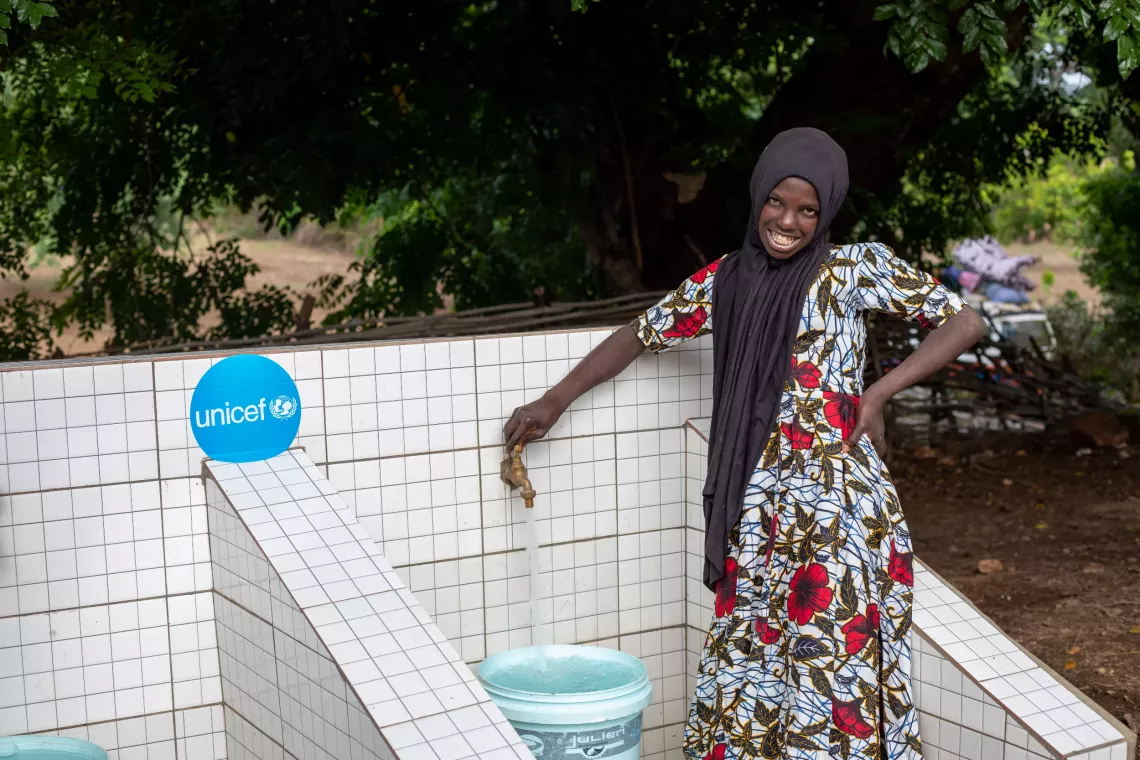
Transformed lives: voices from the Labé community.
The testimonies of Labé residents illustrate the concrete impact of these interventions on their daily lives.
Mariama Oury, 16, a pupil at Darakhetoun primary school: "Before, we used water in kettles without soap to wash our hands after using the toilet. Now, thanks to the kits, we can wash our hands with soap and eliminate germs."
Djenabou Diallo, midwife in Dongol Singhon: "Access to water was a challenge. We had to walk for miles to find drinking water for our health centre. Some women were even reluctant to come here to give birth. Now we have enough water that enables us to work in good conditions. The women feel safe and so do we, because hygiene is finally being respected."
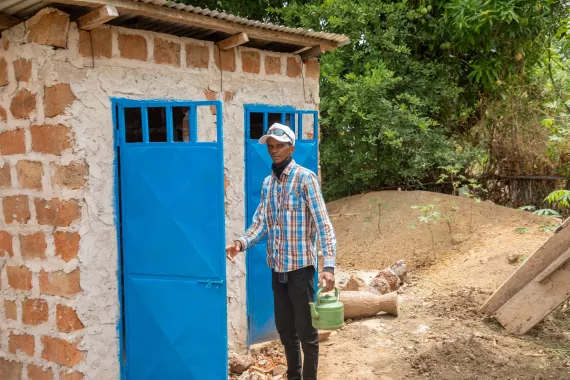
Mamadou Celou Diallo, resident of the commune of Dakoù: ‘Open defecation was causing disease. Since the latrines were installed, the health of the inhabitants has greatly improved.’
Mariama Barry, beneficiary of a standpipe, Daralabé: ‘Previously, we had to walk a long distance to find water. Now, with water-supply nearby, our daily lives are so much easier.’ "
Kadiatou Sow, mother: "My child received comprehensive care here, which alleviated all my concerns. We are fortunate that we now have quality healthcare facilities, which are different from the traditional remedies of the past.”
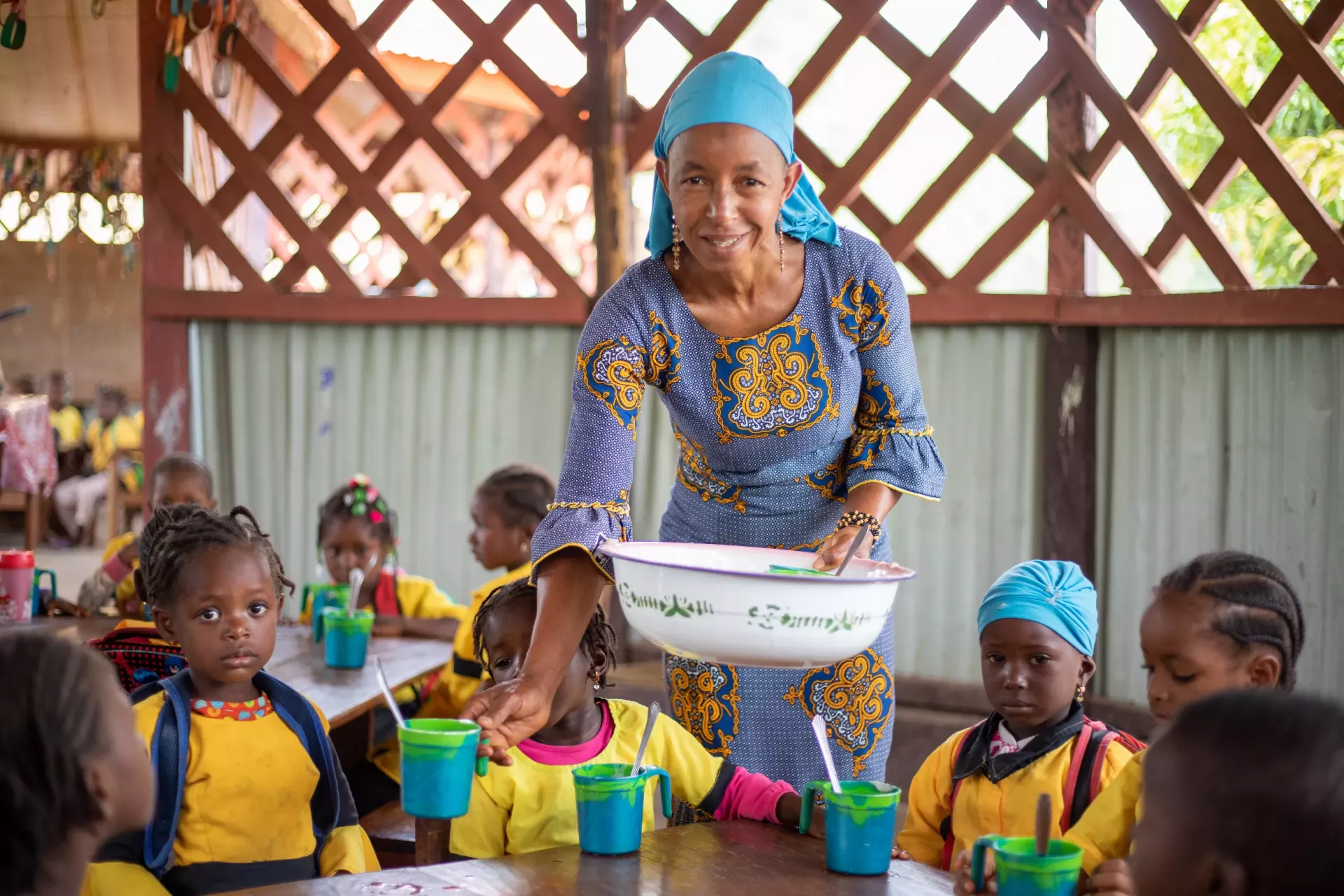
Hadja Fatoumata Barry, President of the Dara Women's Group: “Before this project came along, feeding our babies was very difficult. We only gave them cornmeal paste with a little sugar. We have learned to prepare nutritious recipes with local foods. Today, our children are growing up healthier and don’t get sick often.”
Thanks to the support of The Church of Jesus Christ of Latter-day Saints, UNICEF and its partners have not only restored essential services but also significantly improved the well-being of thousands of people, especially children. These efforts demonstrate the tangible impact of collaboration on the health, hygiene and nutrition of communities in Guinea, placing the needs of children and their families at the heart of priorities.