Starting Again With Hope: Ana After Being Deported and Returning to Guatemala
Children in a migratory context

- Español
- English
Huehuetenango, Guatemala. Ana*,16, has a shy smile that lights up when she talks about her dreams. She enjoys spending time with friends, playing soccer, and being with her classmates at school. She dreams of finishing her studies and becoming an early childhood teacher. “I want to teach children, help them learn, and feel happy at school,” she says with excitement.
She is the youngest of six siblings and lives with her mother and father in a community in the department of Huehuetenango. Like many Guatemalan families, their economic situation has been difficult. That is why Ana and her father decided to migrate, hoping to find opportunities to support her mother and allow Ana to continue the studies she longed for.
“The journey was a horrible experience,” Ana recalls. “I was very scared along the way. It’s not easy—you suffer from the cold, hunger, and thirst. We had to sleep on the floor without blankets to cover us.”
When they reached the U.S. border, they were detained. “They took us out of the room where we were being held and put us on a bus. My dad was chained by the hands and feet, just like the adult women,” she says. “They put us on a plane at three in the morning. We didn’t know where we were going.”
During the flight, Ana looked out the window and asked her father, “Dad, do you think houses in the United States have roof tiles?” He answered that there were probably tall buildings. A little later, someone near the window saw a Guatemalan flag. “Everyone started crying. We realized we had been sent back. Many women said, ‘I mortgaged my house, I borrowed money… now I have nothing,’” she remembers sadly.

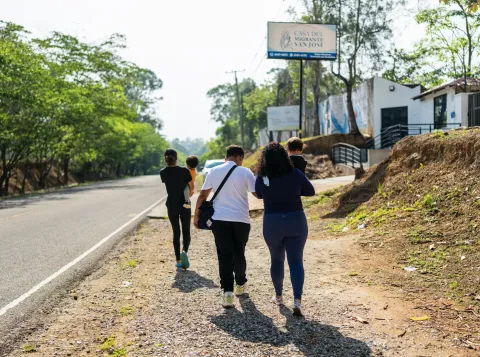
Returning to Guatemala was not easy. Returnee families often face rejection, stigma, and uncertainty. “Sometimes it’s hard to continue my studies because my parents don’t have money for transportation or school materials,” Ana explains.
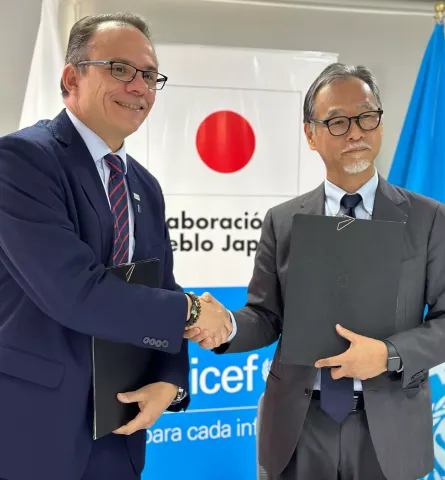
To support adolescents like her, UNICEF, thanks to the financial support from the Government of Japan and local partners, provides psychosocial assistance to children and families who have been deported, helping them rebuild their lives and reintegrate into their home communities.
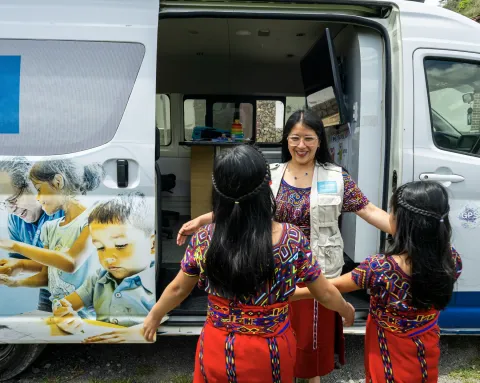
In the departments of Huehuetenango, San Marcos, Quiché, and Quetzaltenango, UNICEF has deployed teams made up of psychologists, social workers, and educators who provide emotional support and develop individualized care plans for each child. They also conduct follow-up visits in remote areas and offer services in Mayan languages and in a culturally appropriate ways for families who identify as part of Indigenous communities.

“We focus on psychosocial support for returnee children. We make home visits, build trust, and analyze each case to create a care plan based on the family’s needs,”
“When I met Ana, she was very shy and withdrawn,” Adelina remembers. “She suffered a lot during the journey, but with the emotional support she received, we now see a hopeful young woman who participates in activities and is ready to fight for her dreams.”
In one of the group sessions organized by UNICEF and the local partner Asociación Pop No’j, Ana joins other adolescents who also experienced migration. Through group activities, games, and guided conversations, they learn about their emotions, their rights, and form friendships that help ease their reintegration.
“The psychologist has talked to me about my rights, the importance of education, and values. I like it because at home we almost never talk about those things. I feel good when they visit me, when they do activities with me, and help me think about what I feel,” Ana says.
She fondly remembers one of the most meaningful activities: “They gave me a bottle to fill with little pieces of paper where I had to write how I’ve been feeling and what I like to do. It was beautiful because it made me think about myself and what I want for my future.”
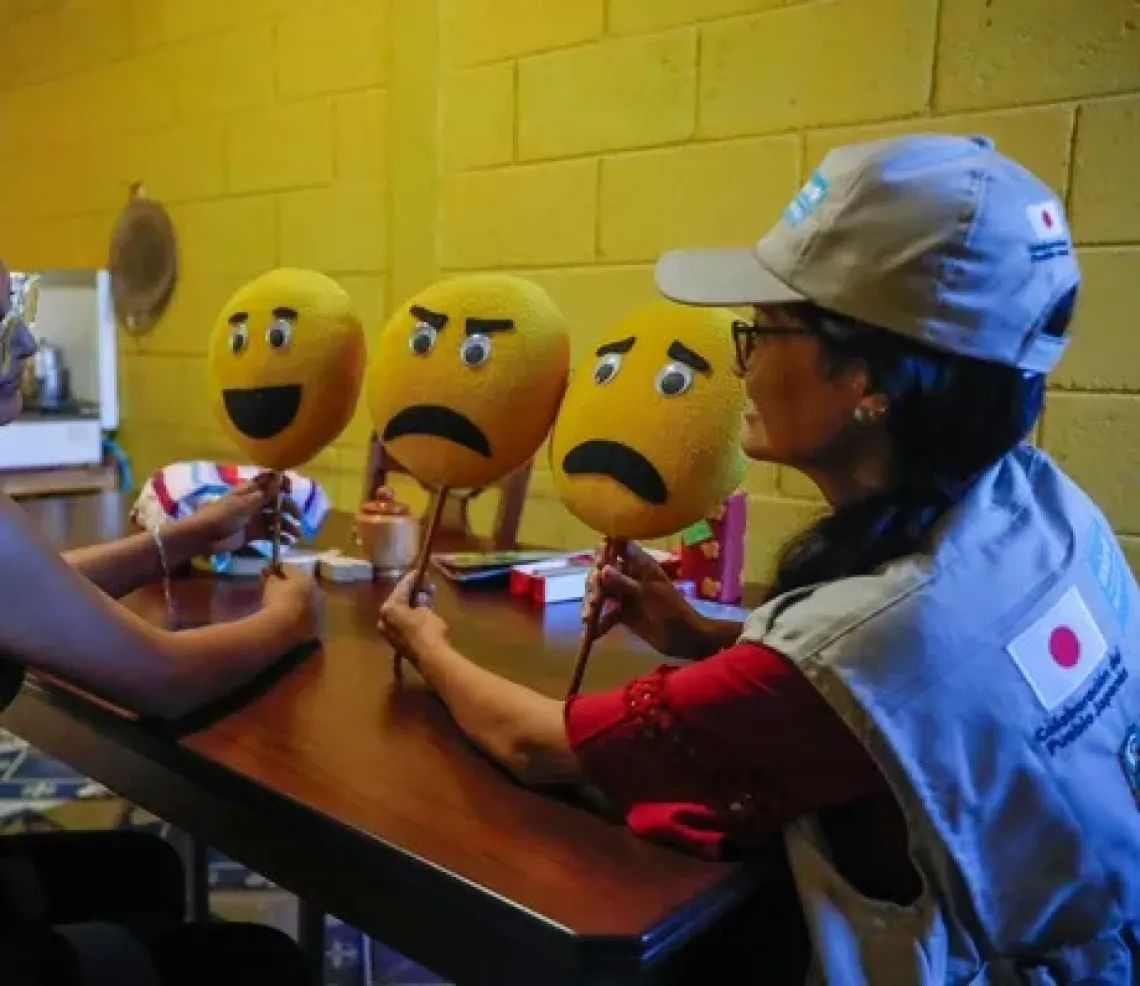
Psychosocial support does not end at the moment of return. UNICEF-supported teams follow up on each case, ensuring that children can access health, education, and protection services in their communities.
Between March and September 2025, 436 returned children received psychosocial follow-up in their communities of origin: 163 in Huehuetenango, 105 in San Marcos, 121 in Quiché, and 47 in Quetzaltenango. Each story reflects a different process, but all share a common goal: rebuilding trust and strengthening family and community bonds.
“I used to be afraid to talk, but now I feel more confident,” Ana says with a smile. “I want to keep studying and move forward.”
Stories like Ana’s show how psychosocial support can transform lives—helping returnee children overcome fear, reconnect with their identity, and build a future filled with hope.
With the commitment of partners like the Government of Japan and the joint efforts of UNICEF, the Ministry of Education, the Secretariat of Social Welfare of the Presidency, and local organizations, every child has the opportunity to begin again.
Ana* fictional name used to protect her identity.