Differently-Abled, Differently Empowered
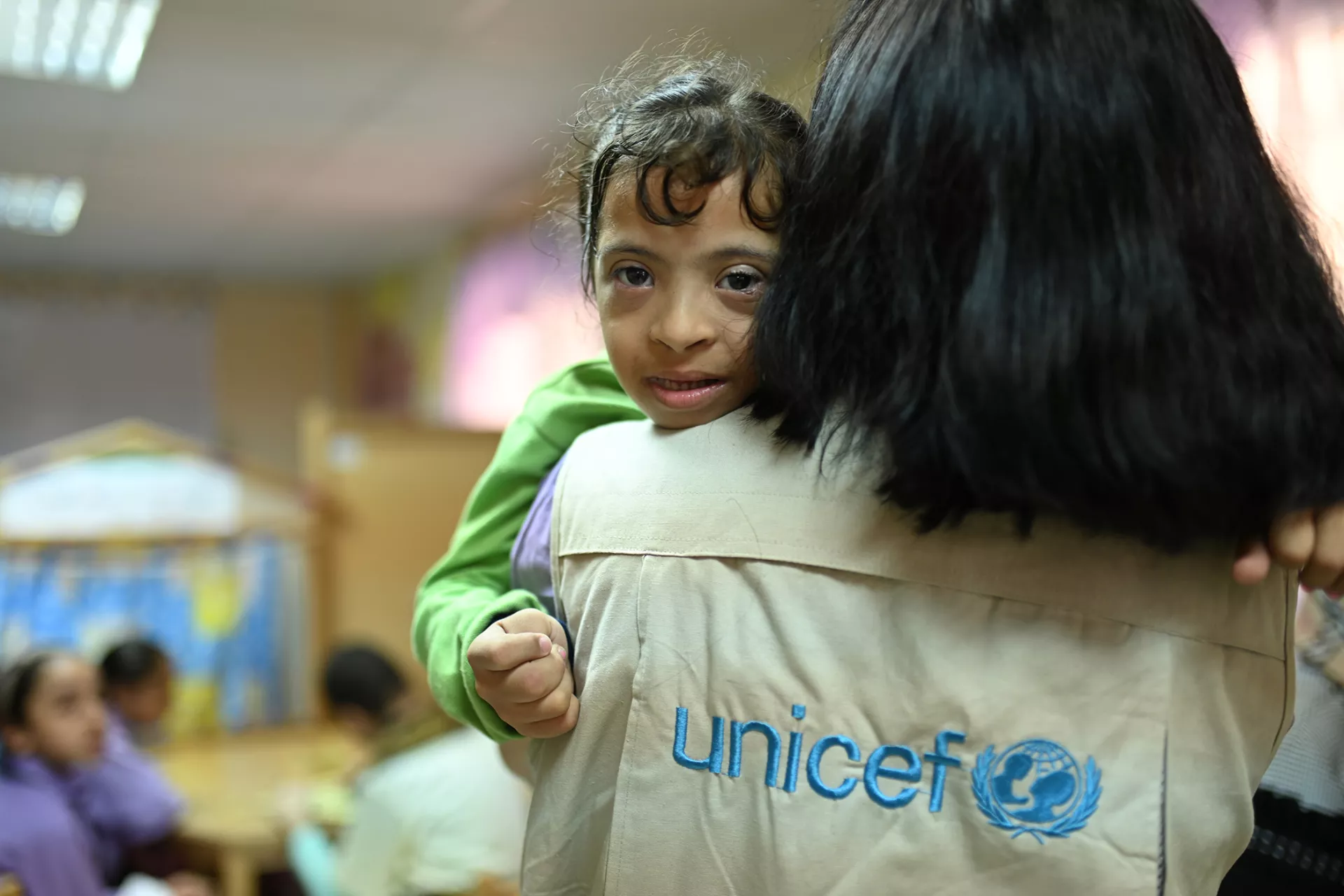
UNICEF supports Aziz Abaza inclusive school for a better educational experience with the differently-abled children
- English
- العربية
Around 5% of children aged 5-17 suffer from different types of disability in their day-to-day life (from slight to absolute degree of difficulty)[1]. Research on the inclusion of differently-abled children in public schools indicate that included students develop stronger skills in reading and mathematics, have higher attendance rates, less behavioral problems, and are more likely to complete secondary school than students who have not been included.
As adults, included children are more likely to be enrolled in post-secondary education and to be employed[2].
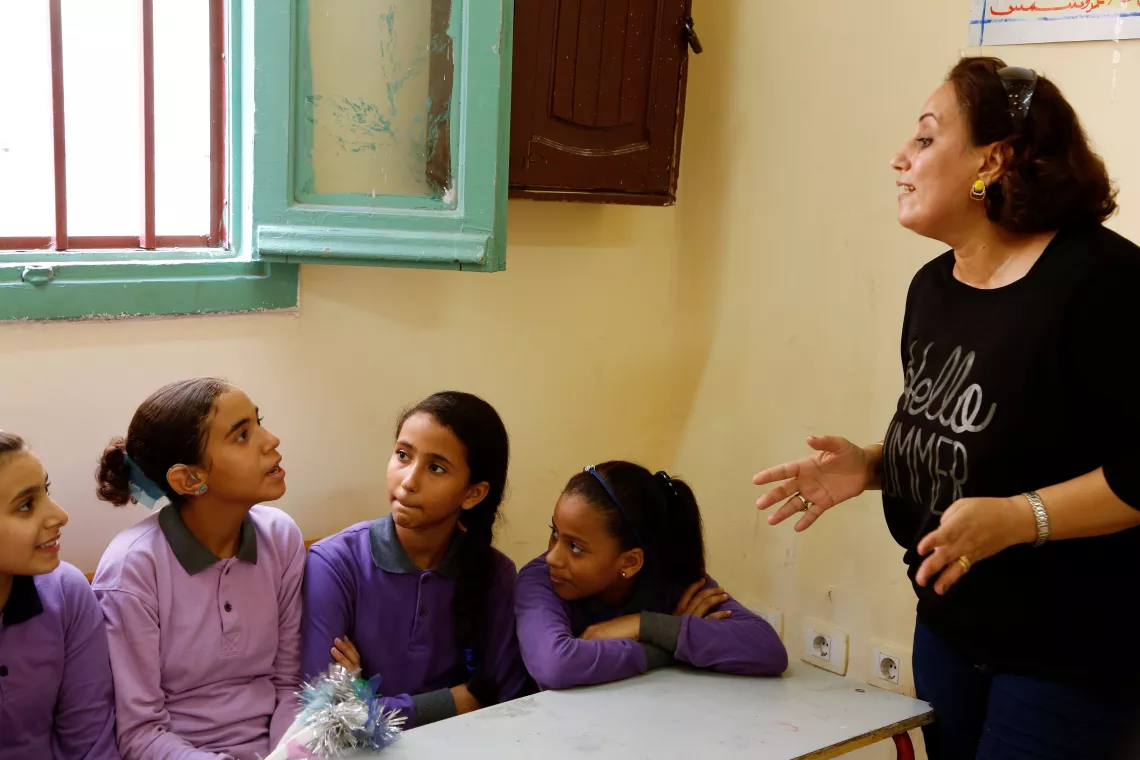
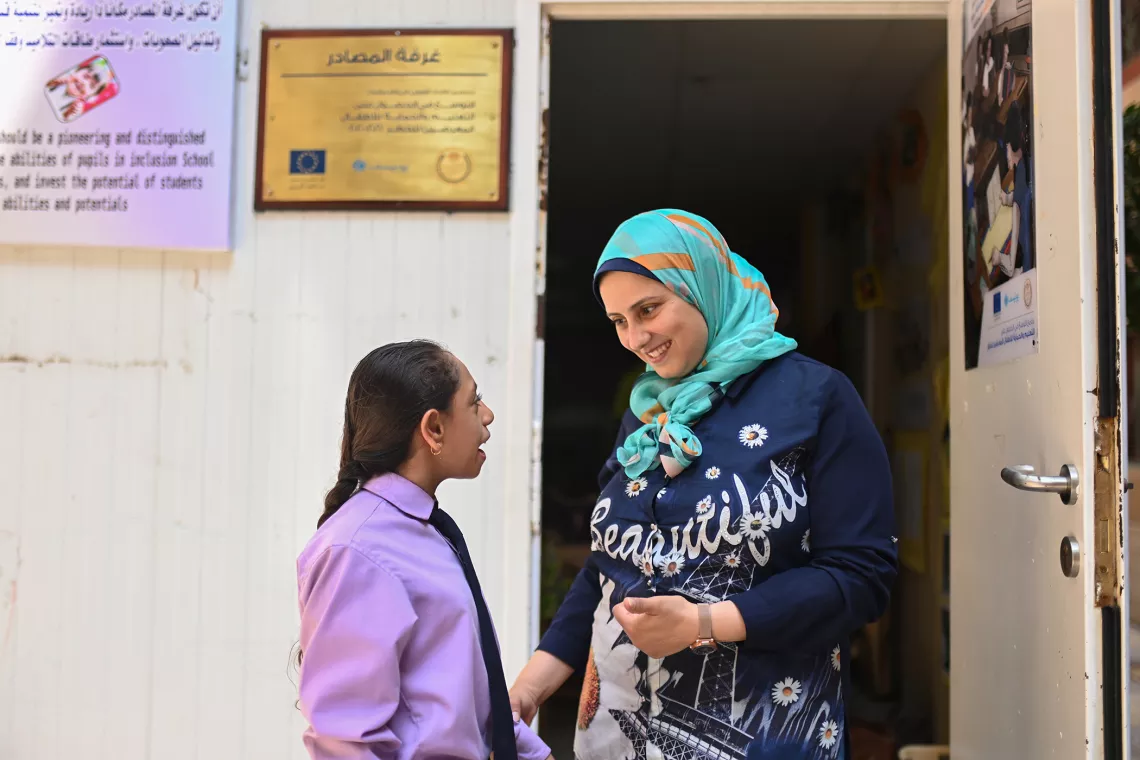
In 2008, the Ministry of Education and Technical Education (MoETE) issued a decree for integration of children with mild disabilities in the mainstream schools. In 2009, UNICEF and the MoETE have jointly developed a model for inclusive education that addresses the individual needs of the differently-abled as an initiative to improve access to quality inclusive education for children with mild disabilities in the public primary schools. One of the schools at which this model was applied is Aziz Abaza Primary School in Alexandria.
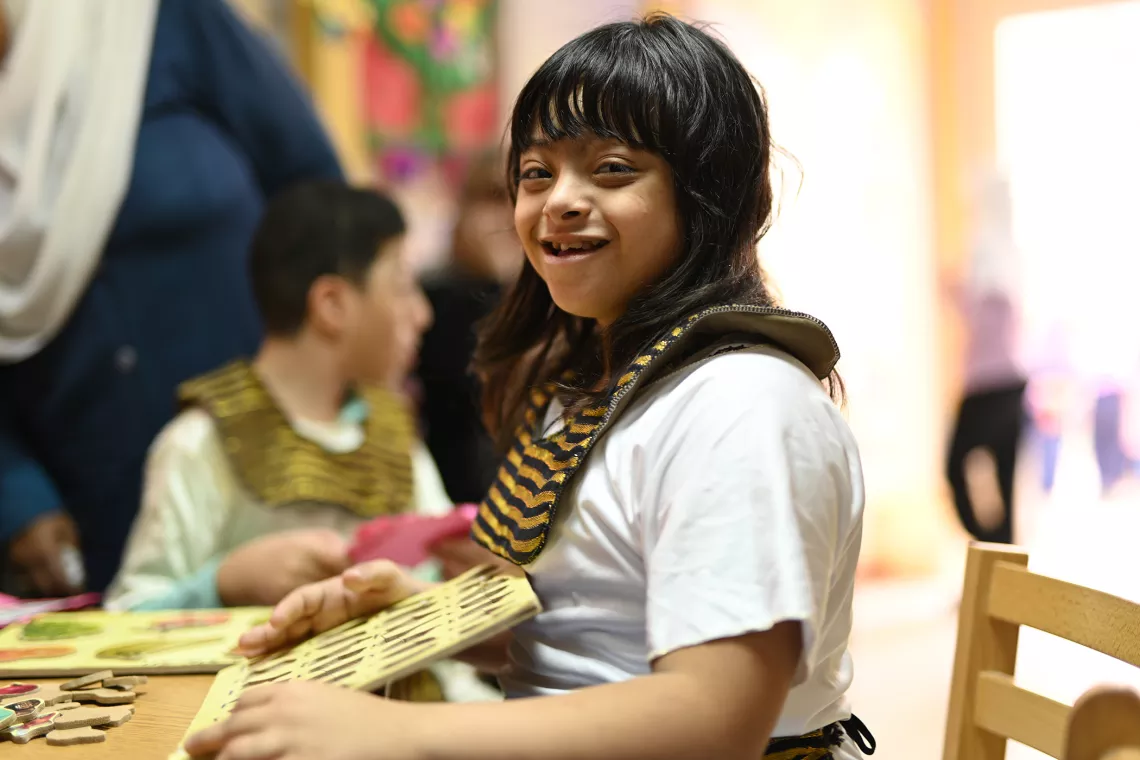
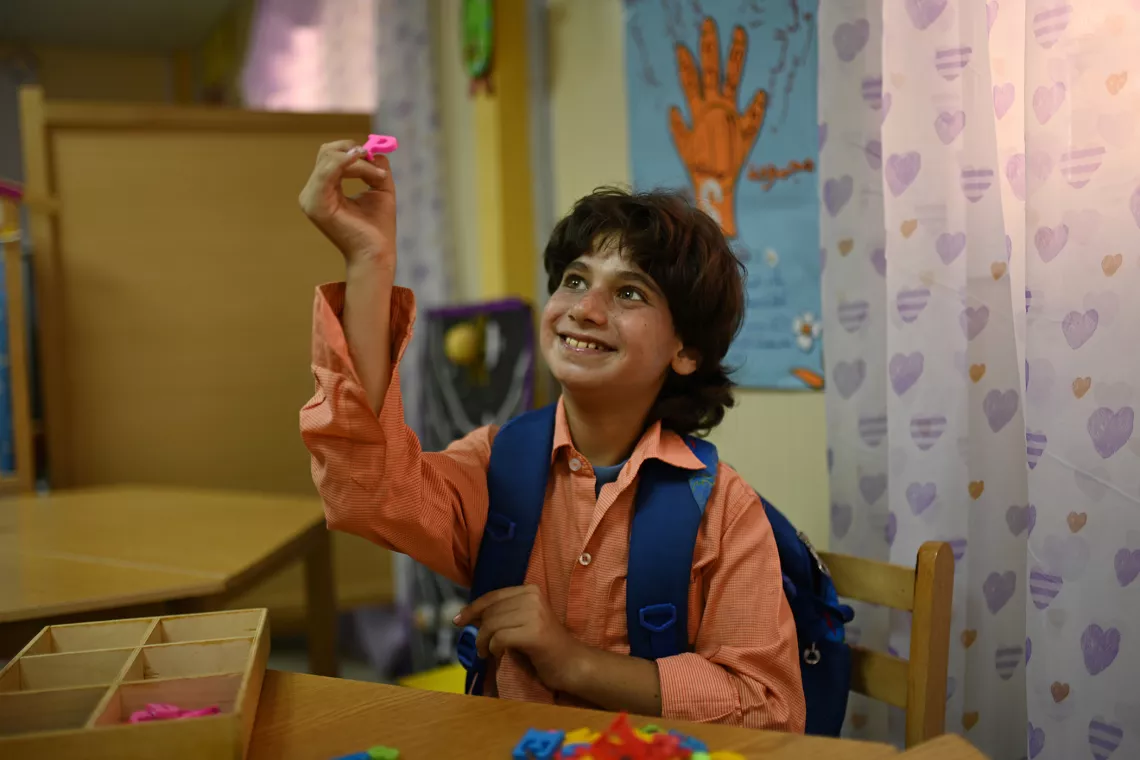
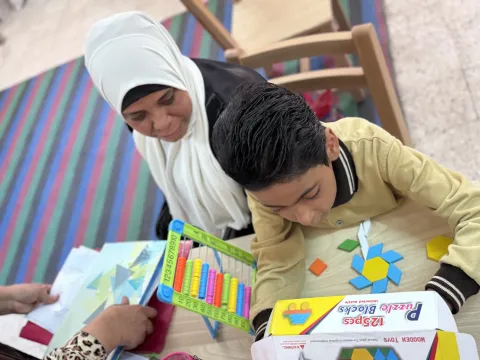
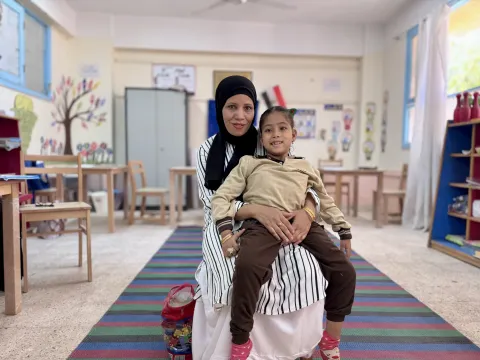
The children featured in this photo essay are among 5000 differently-abled children who are enrolled in 290 inclusive schools in seven governorates across the country. They all benefit from the interventions of the UNICEF-supported and European Union-funded project “Expanding Access to Education and Protection of at-Risk Children in Egypt”.
[1] CAPMAS and UNICEF. “Children in Egypt Aged 0-17 years, Census 2017”, 2017.
[2] Hehir et al, “A summary of Research Evidence on Inclusive Education”, alana, abt associates, August 2016.