Access to Education for the Most Deprived
European Union (EU) funding helped UNICEF reach the most deprived children in Beni Suef through community schools

- English
- العربية
Although the Egyptian education system is by far the biggest in the Middle East and North Africa, the number of primary school-age children who are out-of-school is still substantial. Girls in particular continue to be disadvantaged in the access to basic education.
The community schools’ model was developed more than 20 years ago by the government of Egypt with the support of UNICEF to increase the access to education of the most vulnerable and hard-to-reach children.
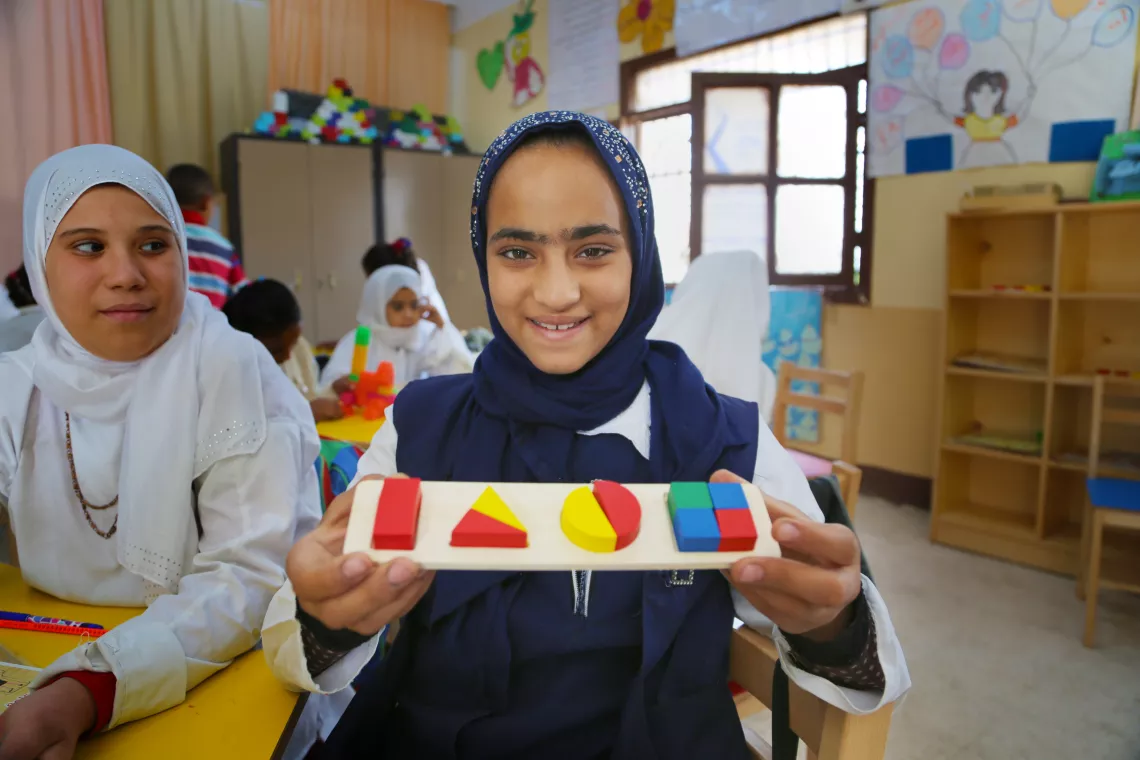
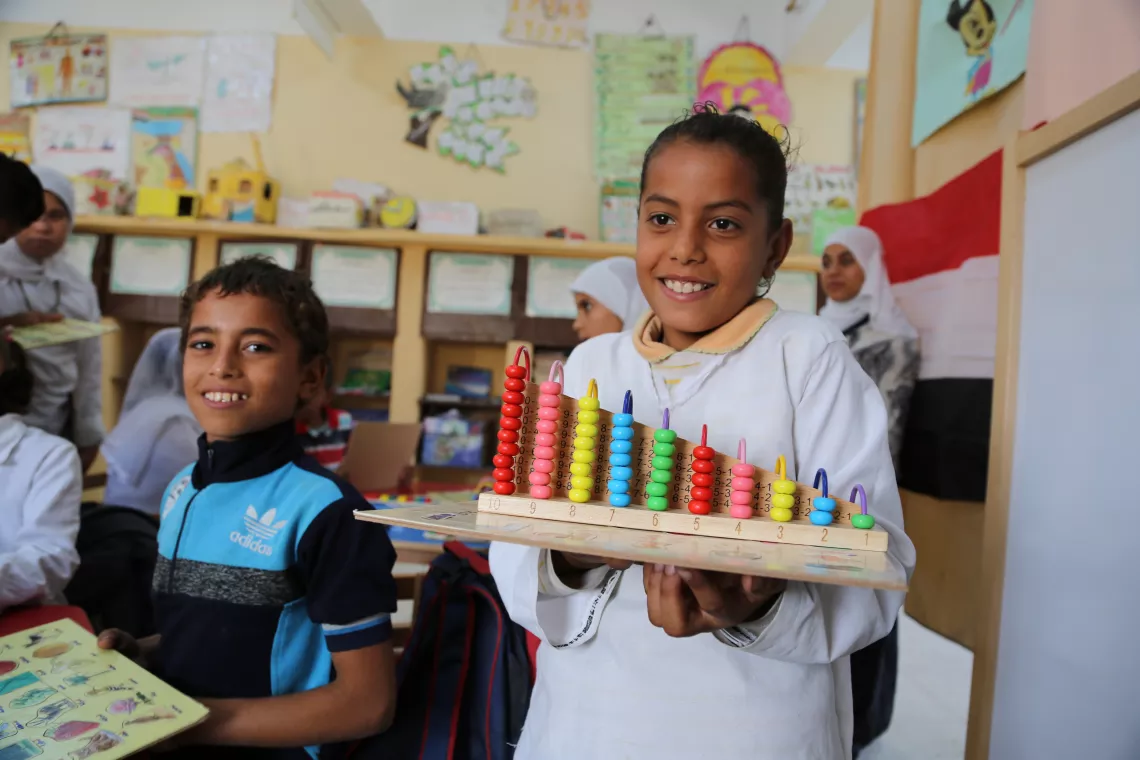
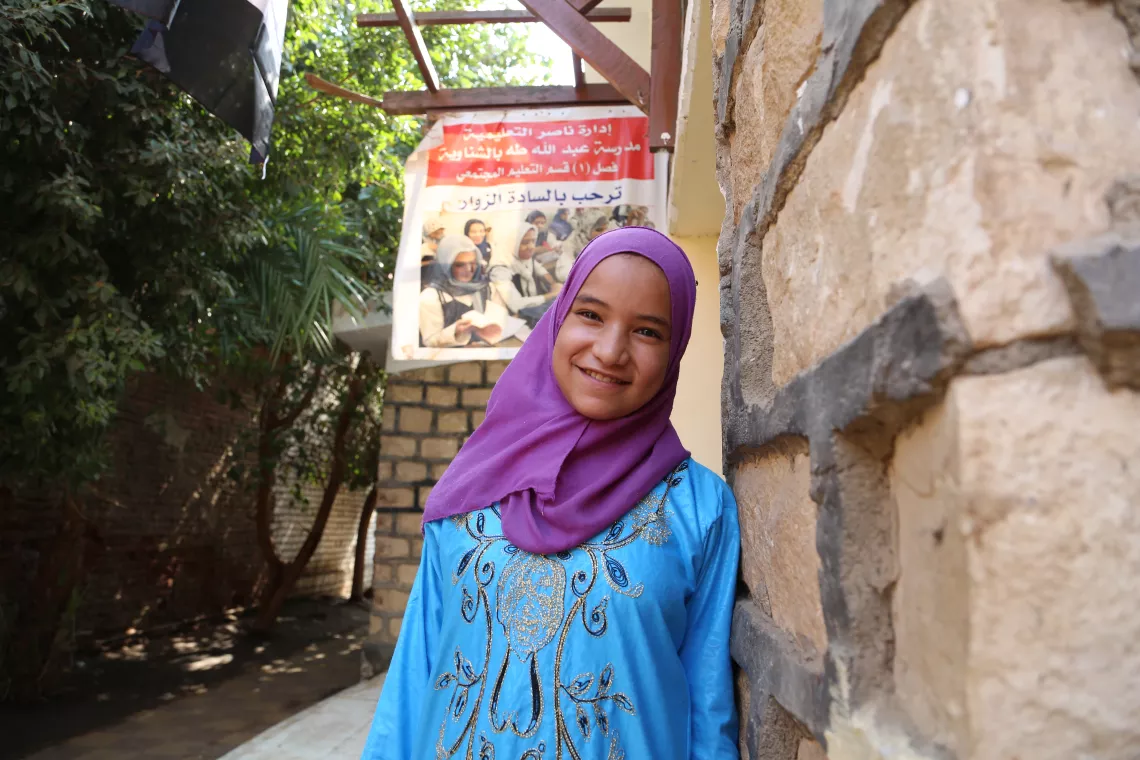
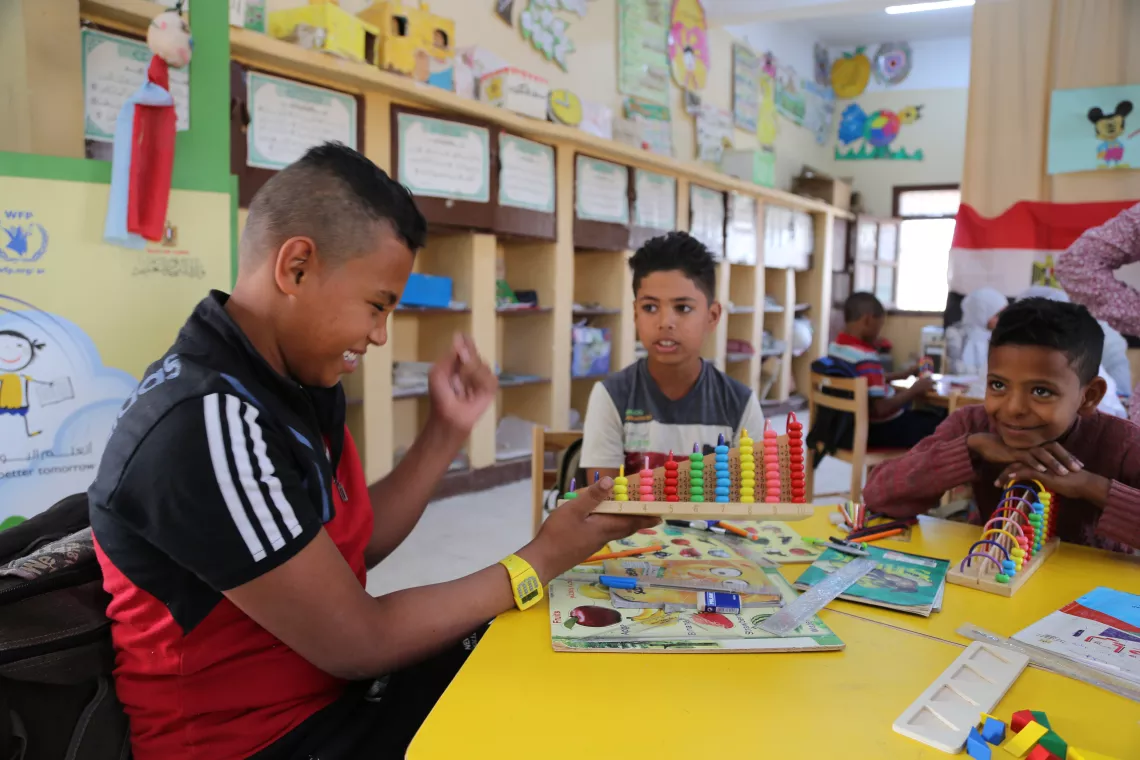
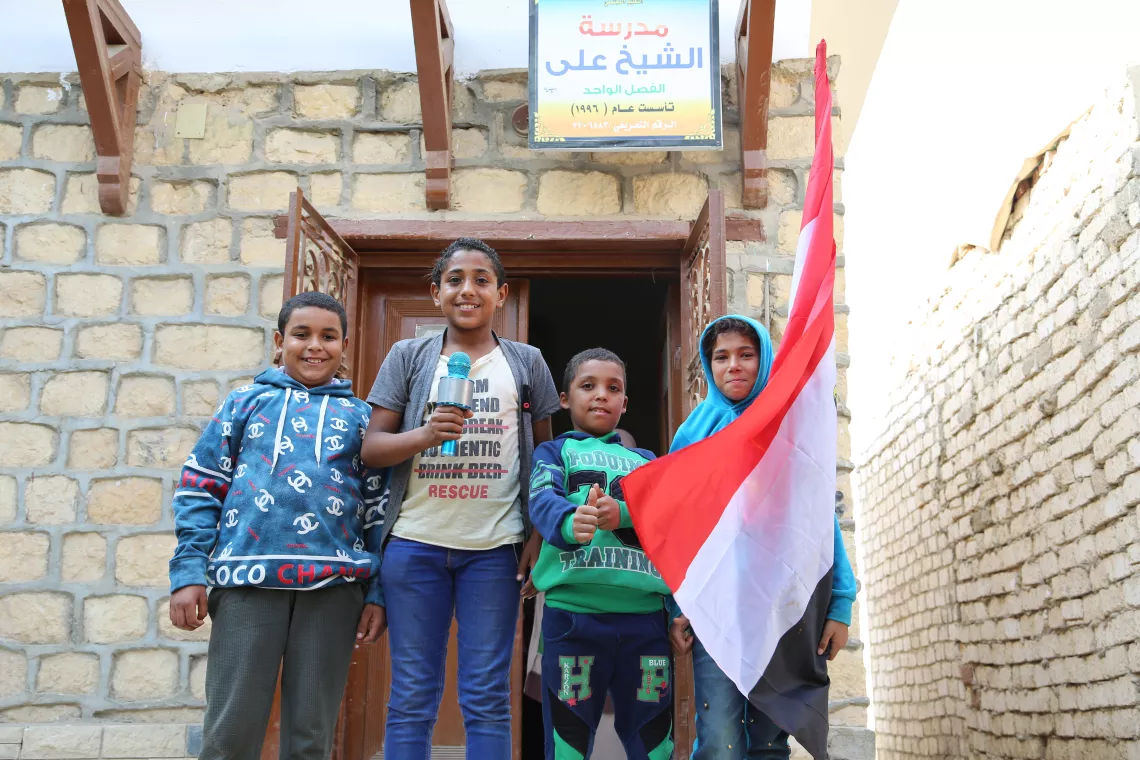
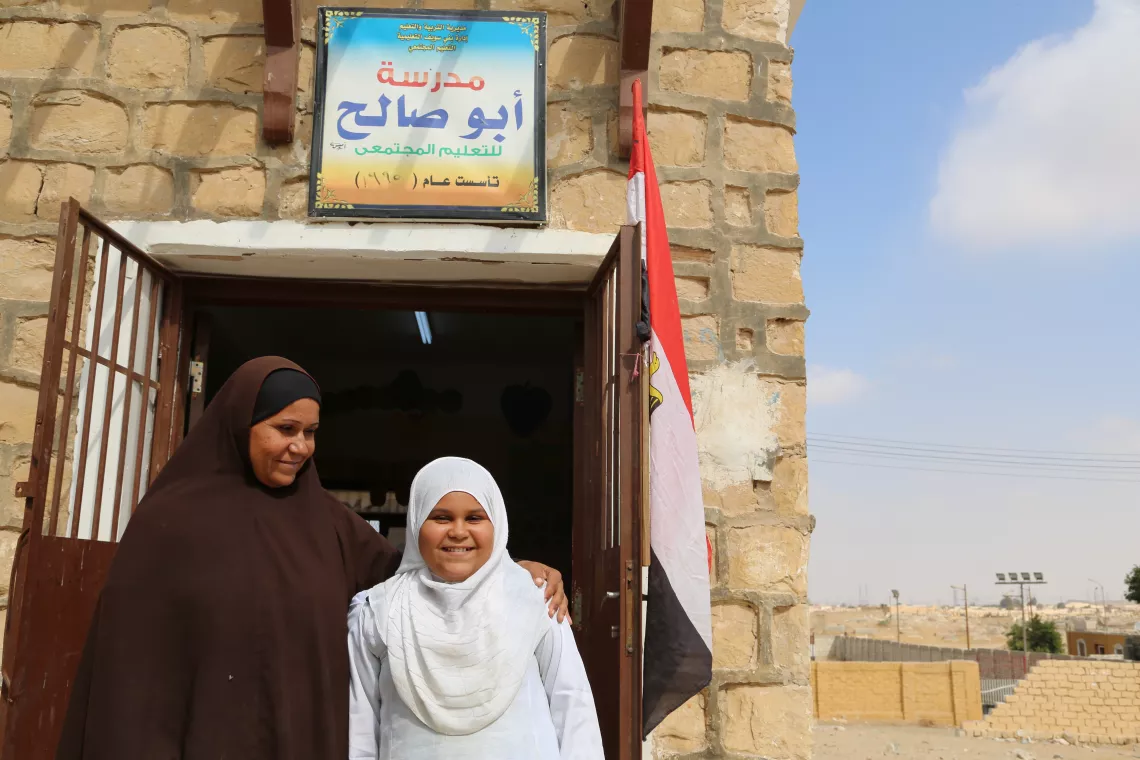
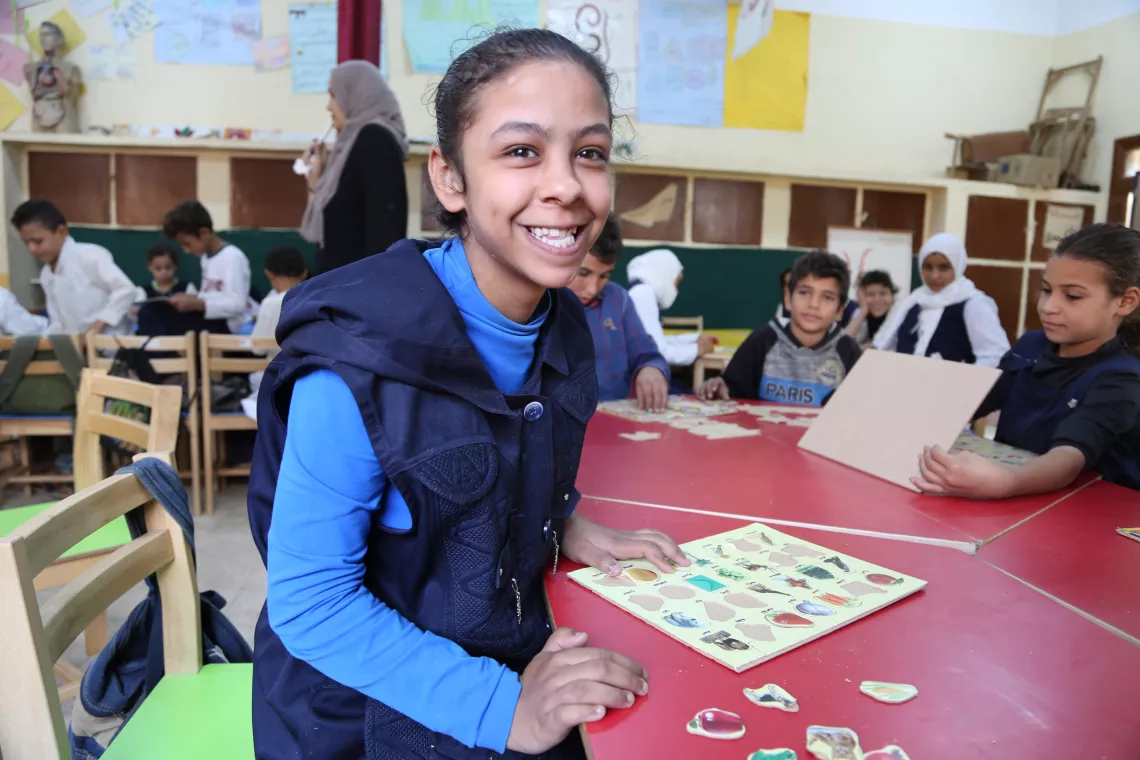
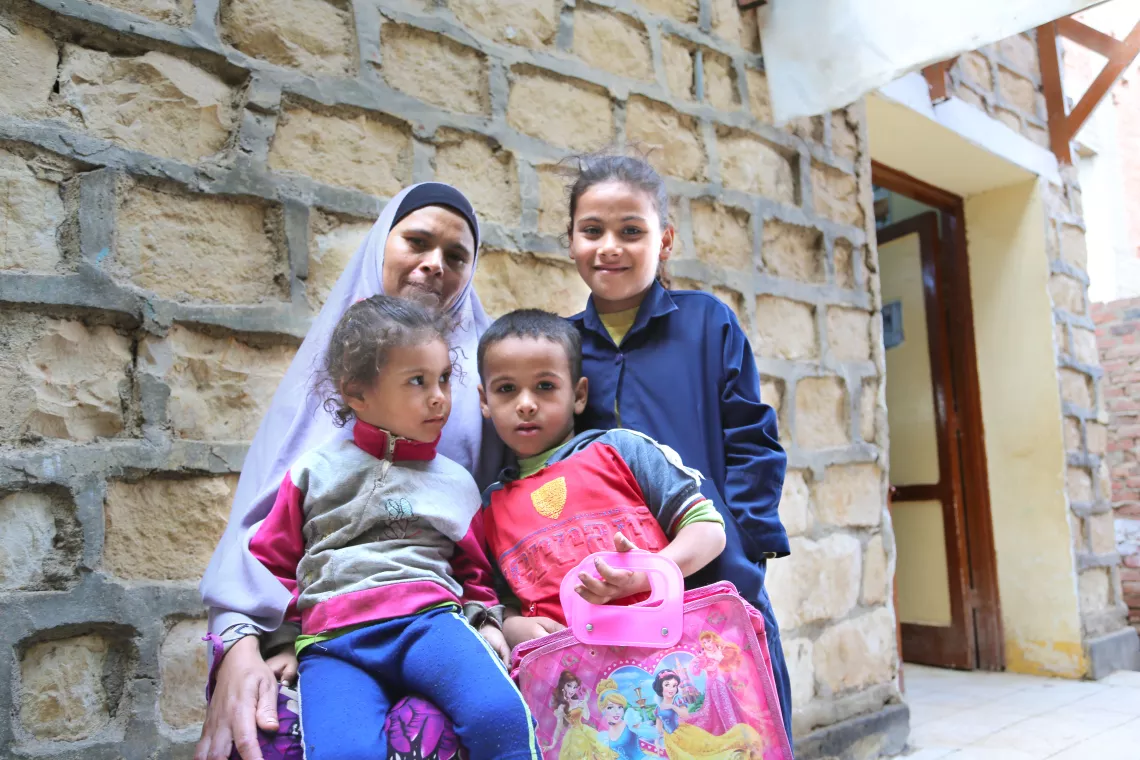
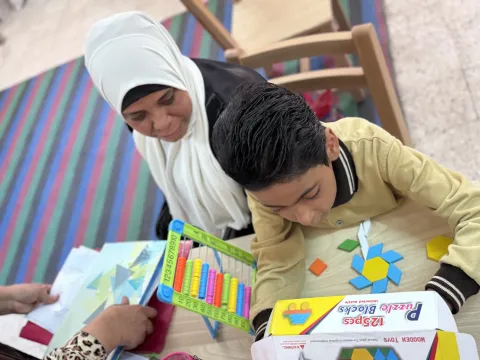
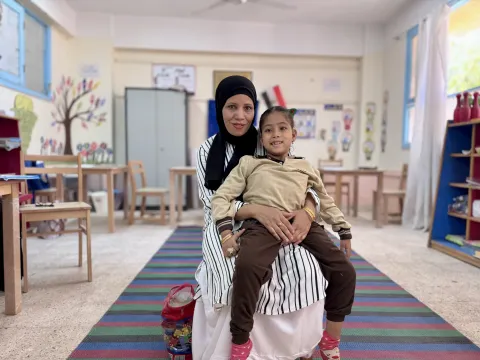
5,048 community schools are currently serving 133,007 socially-excluded children. UNICEF conducted rehabilitation works for some of these schools to improve the physical learning environment by supporting furniture, learning materials and ICT equipment. UNICEF also trained the school education committee on community participation and resource mobilization to support the overall management efficiency. Facilitators were trained on computer literacy skills and are set to receive further training on play-based learning. In this photo essay, we explore the students and graduates of two UNICEF-supported community schools in Beni Suef, Upper Egypt.