It takes a community: preventing bullying through connection and care
Schools across Poland are building networks of trust to ensure every child feels safe and included
- English
- Polish
In one classroom in Opole, conversations about emotions often begin with books.
Students gather to talk about the characters they have encountered in stories – what they felt, the challenges they faced, and how they treated others. Sometimes they discuss friendships. Sometimes exclusion. Sometimes more difficult emotions that are hard to articulate.
Nobody calls it an anti-bullying lesson.
But Małgorzata, a mathematics teacher and tutor of a fifth-grade class, believes these conversations are helping children learn important lessons about bullying.
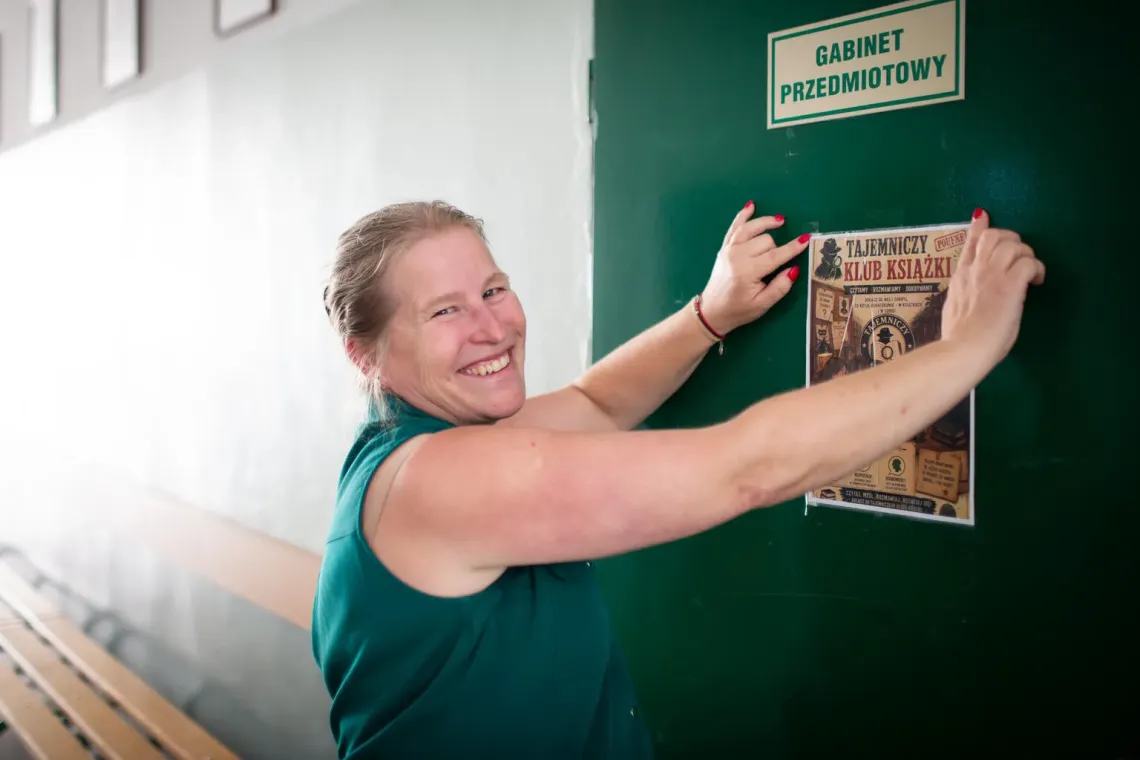
Although mathematics might seem far removed from literature, the school’s principals have said that Małgorzata's creativity and ability to engage children have long stood out. Among her many initiatives is the "Mystery Book Club": students choose books that interest them and talk about the emotions and experiences of the characters. Discussions about friendship, exclusion, and difficult feelings organically evolve. Along the way, children learn empathy, understanding and how to express emotions – skills that help build a safer and more inclusive school community.
"The real challenge is not only responding to bullying," says Małgorzata. "It is also making sure it never happens in the first place."
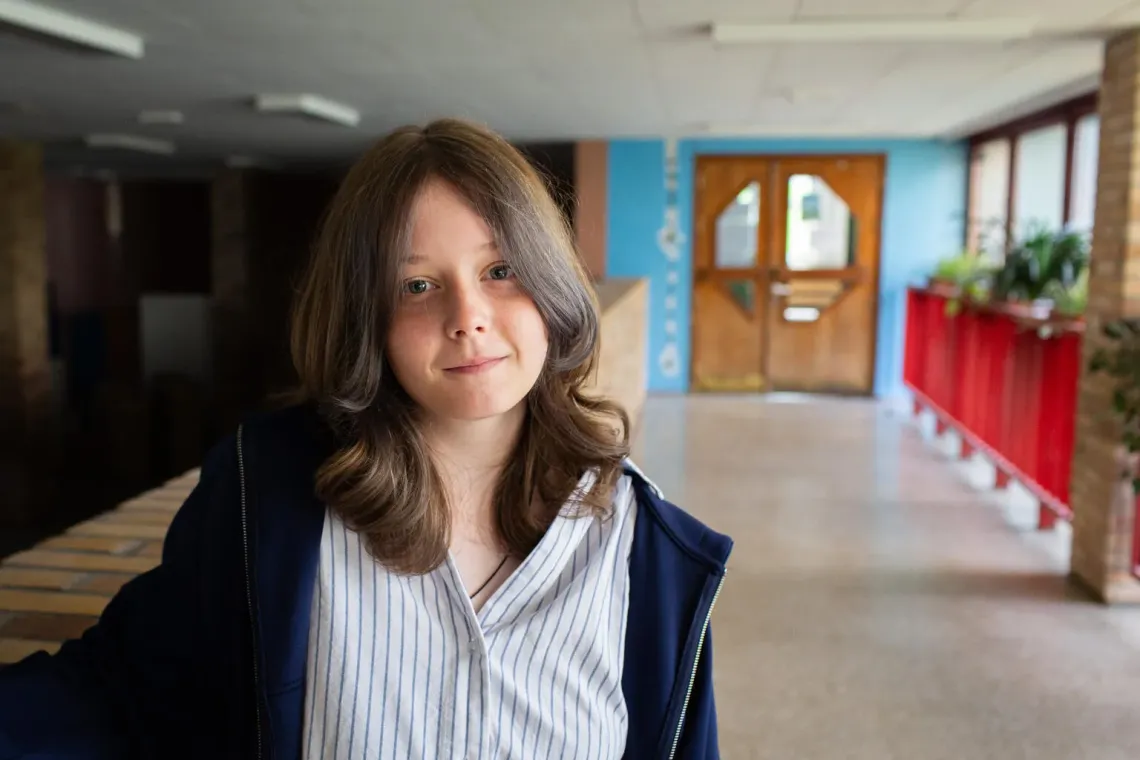
Among the students taking part in the club is 12-year-old Masha, who arrived in Poland in 2022 from Kharkiv, Ukraine following the escalation of war. Starting a new school came with many unknowns, she recalls, but over time she found her place.
Today, she is one of the most engaged members of the Mystery Book Club. "In our school, people talk a lot about emotions...We learn that it is important to talk when you are worried. I see differences in some classmates," she says, placing her hand on her heart. "Students who used to have conflicts with others now help each other."
These seemingly small moments are part of something bigger.
Over the past year, the school in Opole has been among 20 primary schools, 14 teacher training centres, and one psychological and pedagogical counselling centre piloting the Anti-Bullying for Schools (ABS) programme. The programme brings together teachers, students, parents and support staff to create safe and inclusive learning environments for children displaced by war, and build supportive environments for all children at school.
Built around three pillars – clear rules, rapid response and prevention – the model helps schools strengthen cooperation, clarify responsibilities and create positive environments where children feel safe and supported. Rather than relying on one-off campaigns, schools are encouraged to develop solutions that reflect the needs of their own communities and involve everyone.
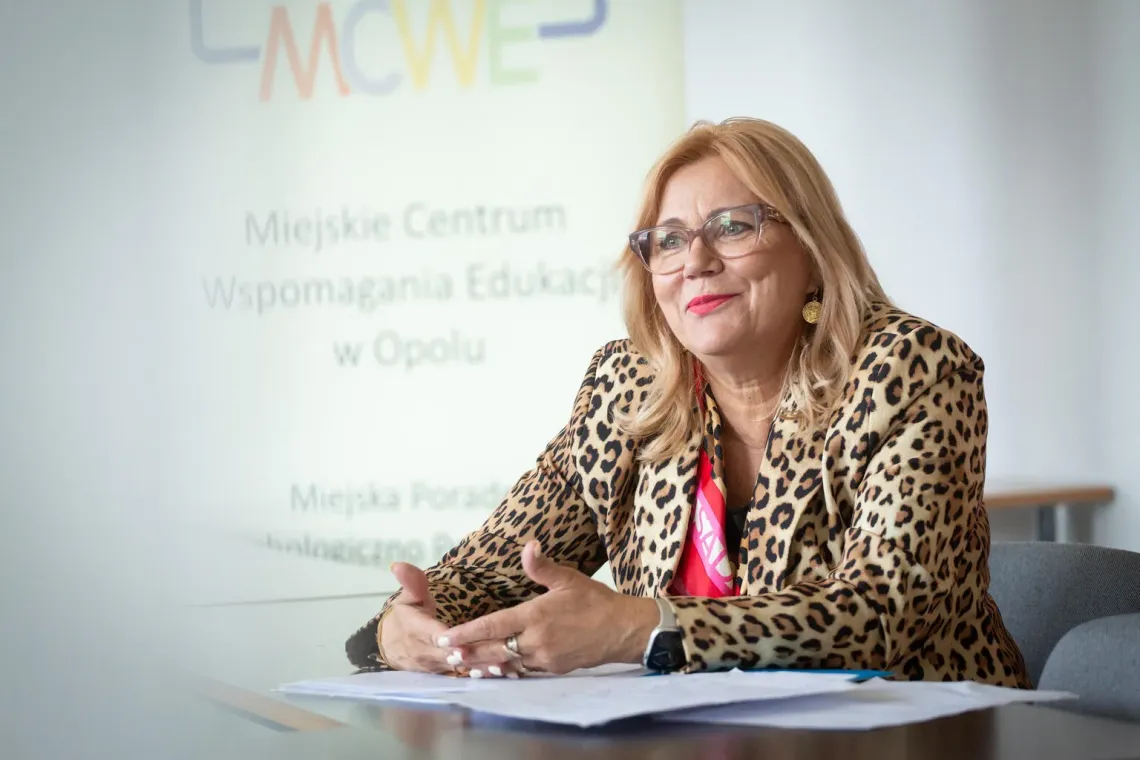
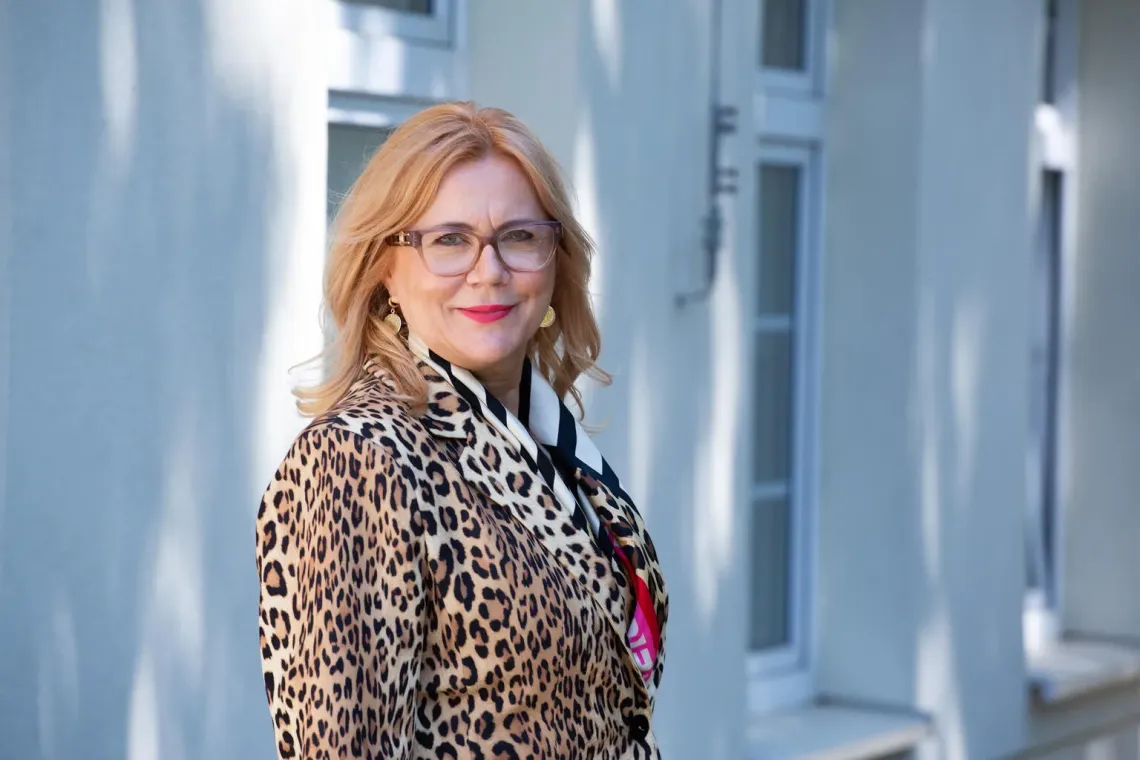
For Bożena, an ABS expert from the Municipal Teacher Training Centre in Opole, schools like this one show that diversity comes in many forms – from nationality and background to educational needs, talents and personalities.
"Children may be singled out because of their appearance, disability, interests, social status or simply because they seem different, to someone," she explains. "But diversity itself is never the problem. Diversity is richness. Exclusion and bullying emerge when differences are met with fear or misunderstanding. When children learn to understand one another, those same differences become a strength."
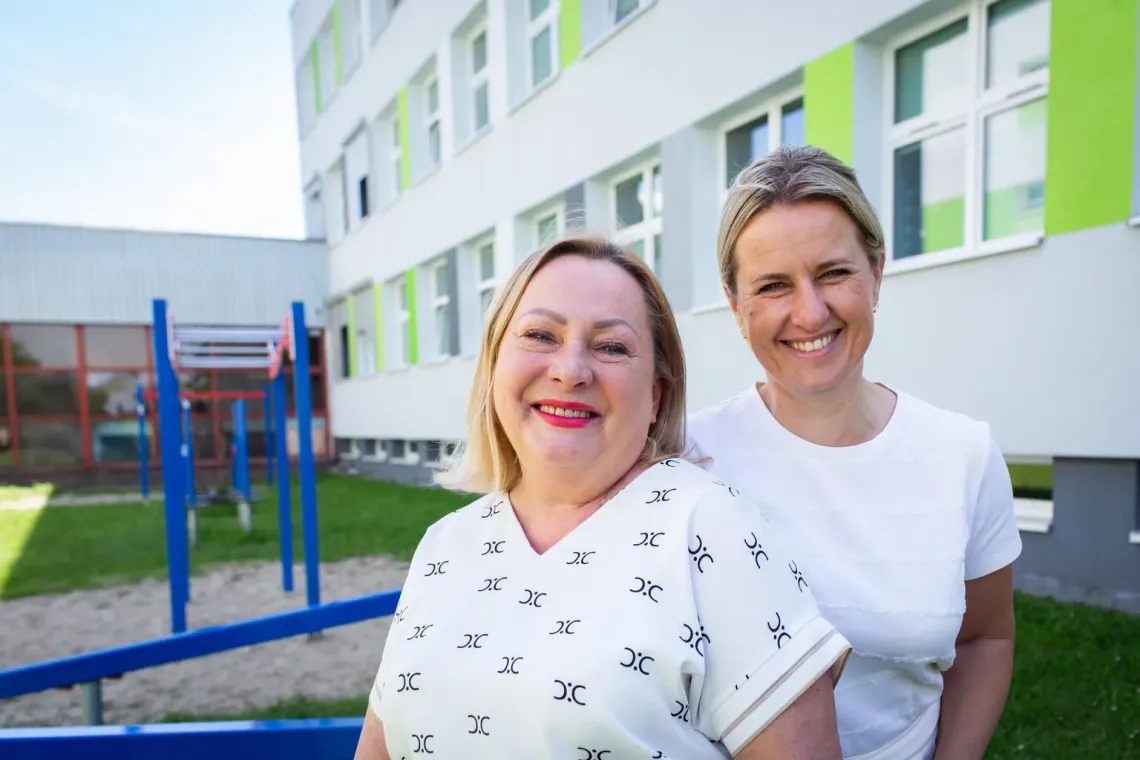
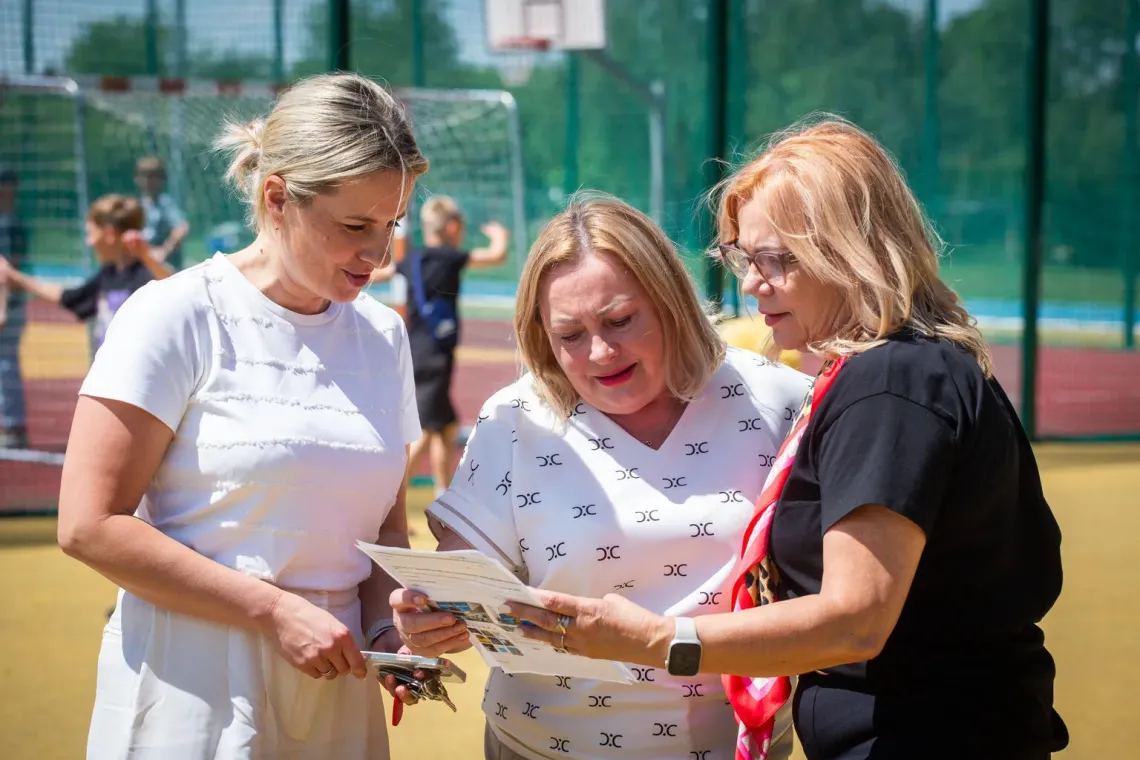
The ABS programme recognizes that preventing bullying cannot be the responsibility of one person alone.
For this reason, also parents have been involved. Many anti-bullying strategies can be reinforced at home and by engaging families in these conversations, the school has strengthened communication and built stronger partnerships with parents.
"It has to be teamwork," says principal, Violetta. "I can come up with many ideas, but if the staff or children do not feel ownership of them, it will not work. We wanted every member of the school community to understand their role in creating a safe environment," she adds. "Sometimes children go to the school nurse before they feel ready to speak to the psychologist, because they feel more comfortable and worry less about being noticed. What matters most is that they know there is always someone they can turn to."
“We prefer to prevent rather than repair," adds vice-principal Katarzyna.
It is a philosophy that inspired another one of the school's initiatives – ‘a green box’ – where children can safely share concerns or ask for help. Similar ideas had existed at the school before, but through the ABS programme they gained new meaning and purpose.
"I remember a note from a very young child," reflects Violetta. "Even that little person understood that if something wasn't right, they could tell us and we would take it seriously."
For Bożena, the pilot confirmed something she had long believed. "Schools already have the knowledge, the commitment and the potential," she says. "When teachers are trusted and given space to act, they can create solutions that truly meet the needs of their communities."
The experiences gathered through the pilot are now helping shape the programme's next chapter. ABS will be embedded within the national education system with the aim of creating safer and more inclusive environments for all children in Poland.
Because preventing bullying is not the responsibility of one person.
It takes a community.
The pilot programme was developed by UNICEF's Refugee Response Office in Poland with the Ministry of National Education and the Centre for Education Development (ORE).
It was made possible thanks to the generous support from the Government of the United States.