Cholera: vaccinate, educate, treat and interrupt transmission
In the Democratic Republic of Congo, UNICEF is fighting cholera, a deadly threat to children.
- Français
- English
Cholera has been endemic in the Democratic Republic of Congo (DRC) since the 1970s, although the scale of epidemics has varied. In Buhimba, a town located a few kilometres from the city of Goma, there are regular reports of cases within the community.
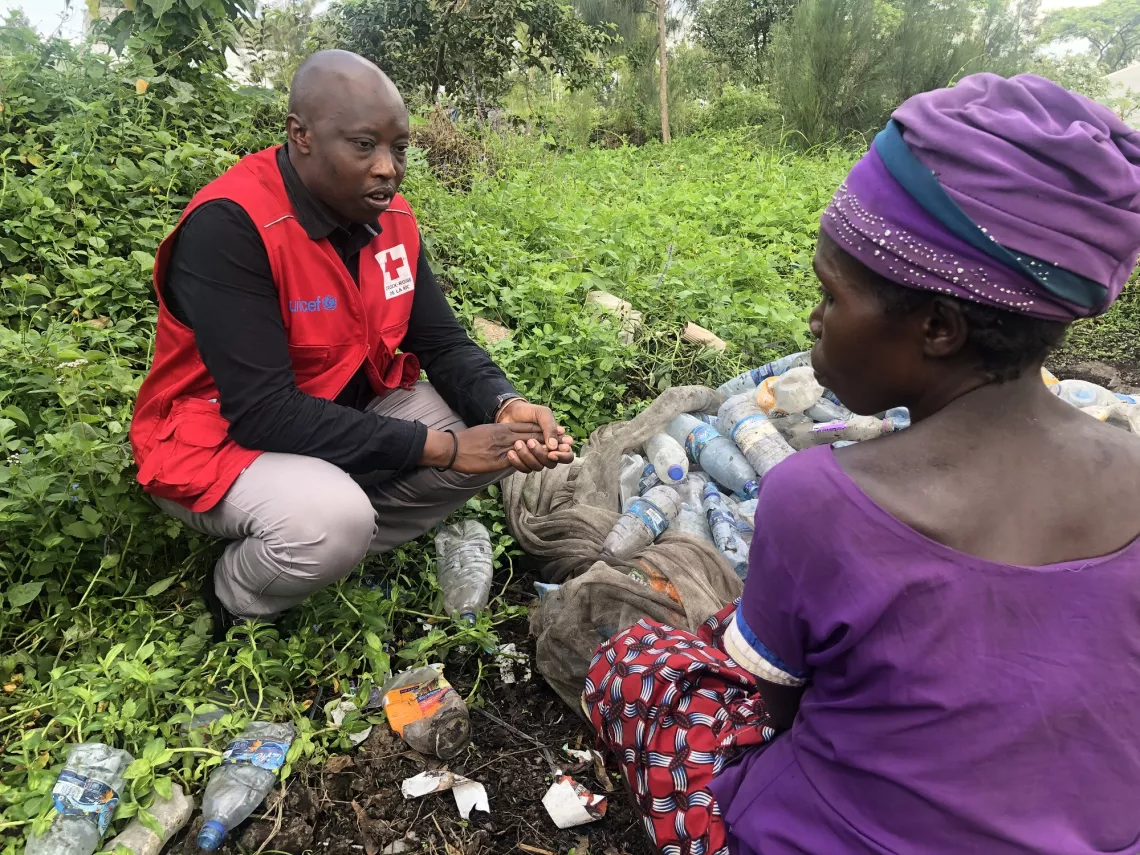
“An outreach team visit our area regularly to explain the signs of cholera and to encourage us to go to the treatment centre,” explains Judith, an inhabitant of Buhmiba. Since the beginning of the year, teams from the Red Cross, supported by UNICEF, have educated over 6,000 households and 413 religious leaders have also committed to fighting the disease.
It is thanks to this educational programme that Judith realised that her little girl’s symptoms of vomiting and diarrhoea could be linked to cholera. At the very first symptoms, Judith was quick to visit her local UNICEF-backed cholera treatment centre. Two-year-old Babibemba was immediately taken into the care of the medical team.
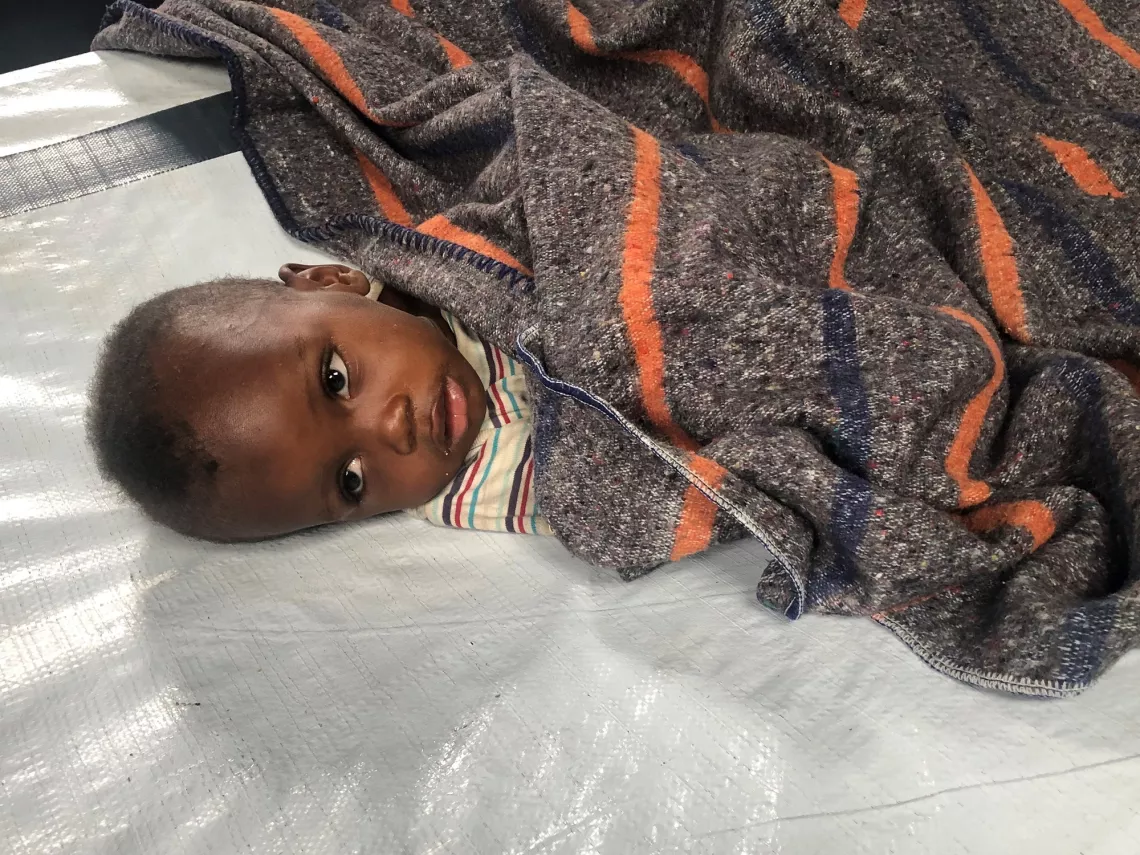
“She is recovering little by little,” says Judith, who feels safe in the knowledge that her daughter is receiving care tailored to her needs. Since the beginning of the year, UNICEF has provided kits allowing for 8,000 children in the Nord-Kivu province to be treated for cholera or diarrhoea.
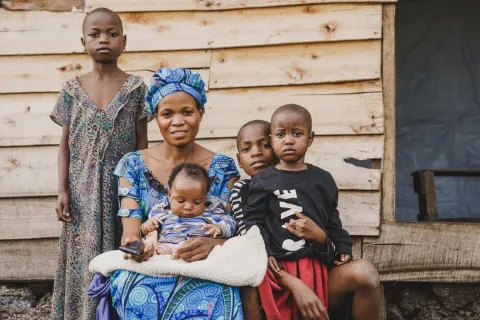
Cholera is an acute diarrhoeal infection caused by ingesting contaminated water or food. Like many of the inhabitants of the Nord-Kivu province, Judith and her four children live in an area which does not have access to clean drinking water.
“We buy water from the water fountain installed 500 metres from the house,” explains Judith, who was unaware that the amount of chlorine was insufficient to make the water potable and safe. When there was no water at the fountain, Judith went to collect water from Lake Kivu, the main source of drinking water for local people.
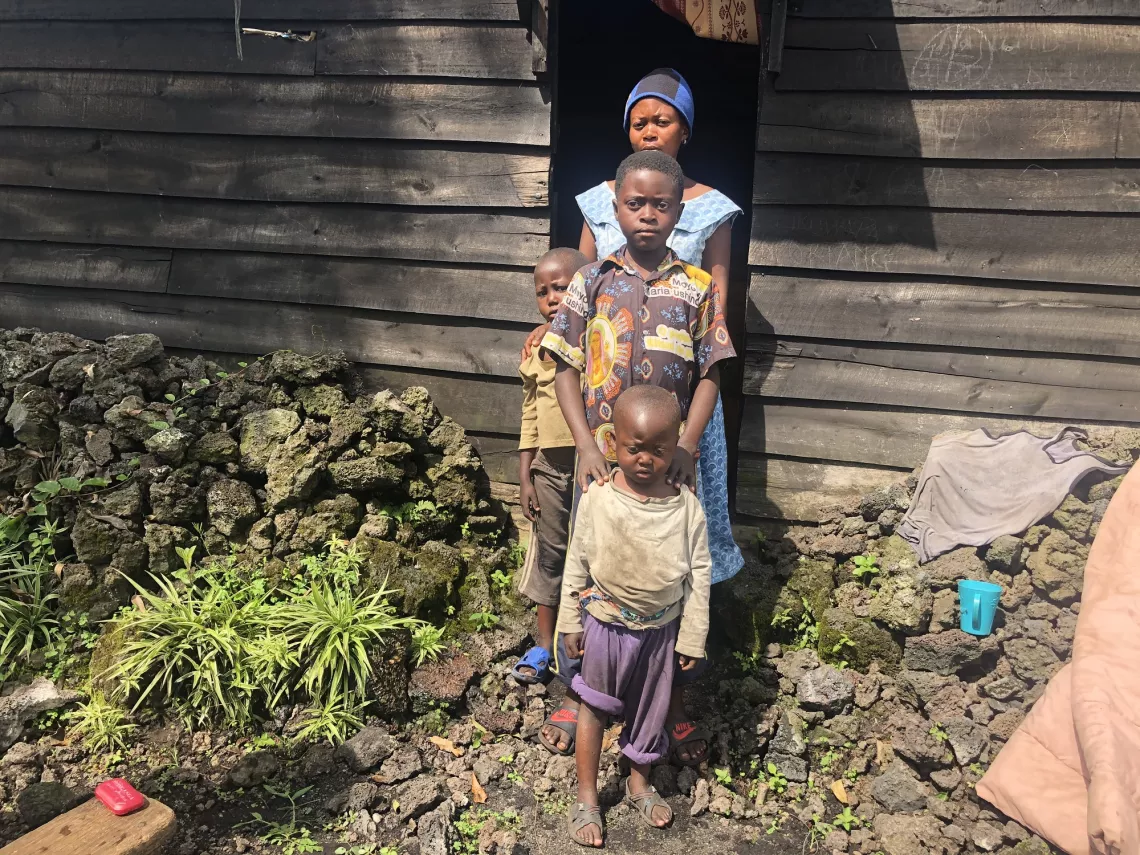
Since the beginning of the year, more than 3,000 suspected cases have been reported by the Ministry of Health in Nord-Kivu province. Open defecation and drinking water from unprotected sources are commonplace in this area, which houses a large amount of internally displaced persons.
In the Nord-Kivu province, UNICEF is supporting a vaccination campaign which aims to protect almost 500,000 people. When a case is reported, UNICEF mobilises alongside the Ministry of Health to treat the infected person and interrupt the transmission of the bacteria. A controlled space is quickly established around the home, which is decontaminated, water points are treated with chlorine and those living in the community receive buckets, soap and chlorine.
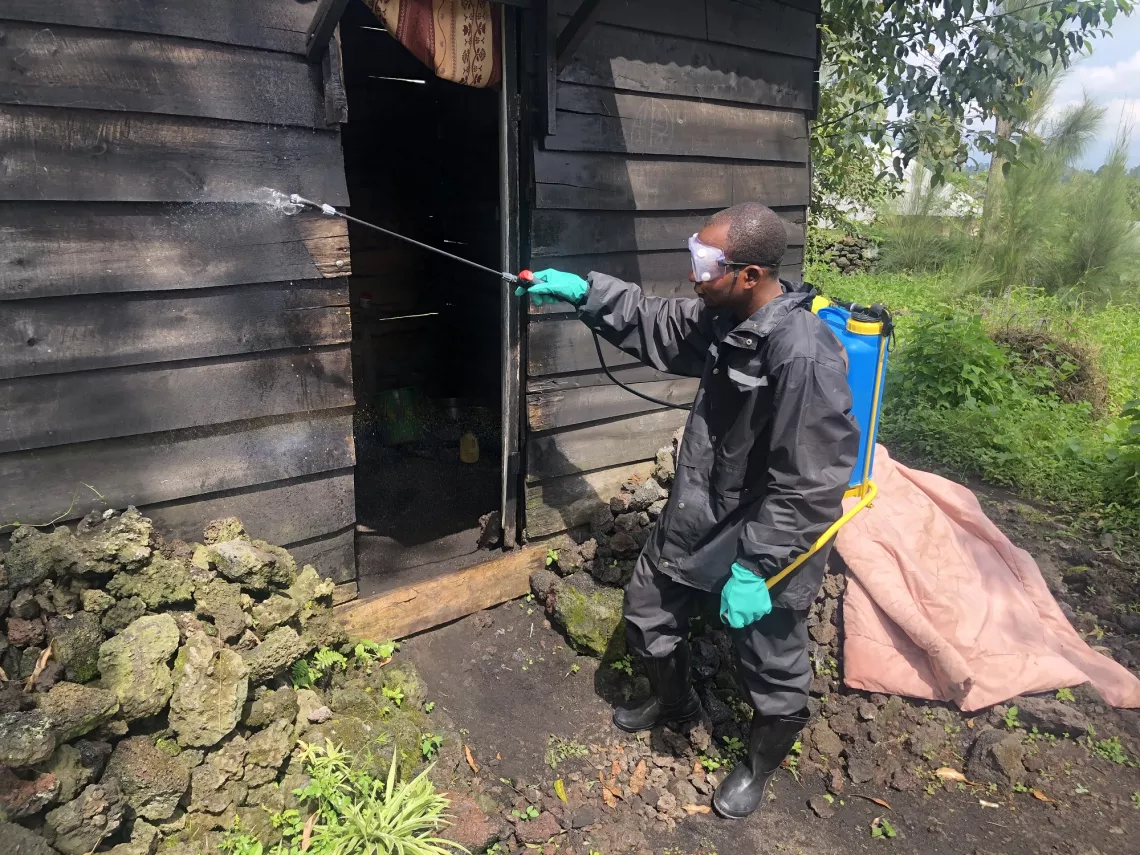
As of 31st May 2020, 78 cases of cholera have been confirmed in Nord-Kivu out of over 3,000 alerts, making Nord-Kivu the province with the lowest rate of positive cases. In view of these positive results, and the decrease in the number of confirmed cases of cholera in Nord-Kivu province, this approach will be extended to other provinces affected by cholera, namely Haut-Katanga, Sud-Kivu and Tanganyika.