What you need to know about Ebola
Resurgence of Ebola in North Kivu in the Democratic Republic of the Congo
- Français
- English
Ukurasa huu pia unapatikana kwa Swahili
What is Ebola?
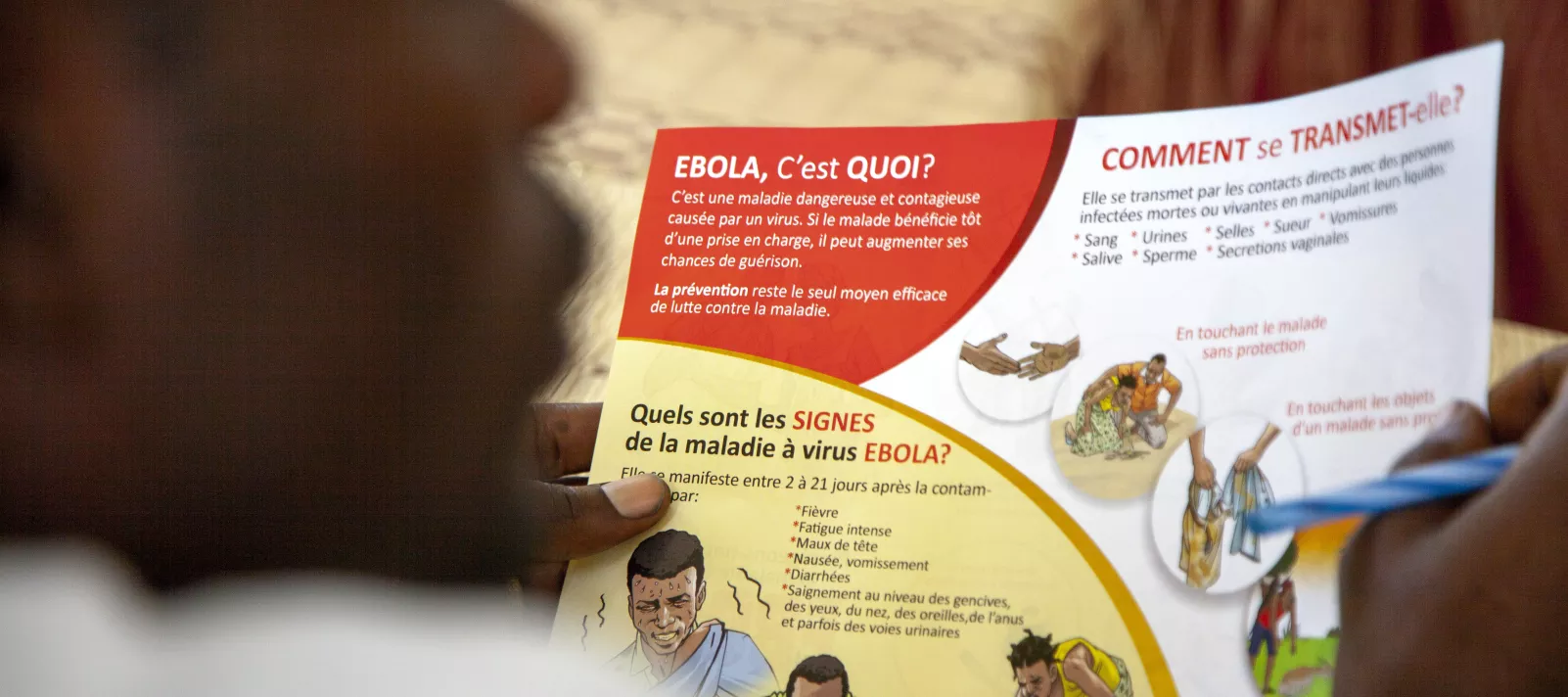
Ebola virus disease is an acute and serious disease that is often fatal if left untreated. The disease takes its name from the Ebola River, located in northern Democratic Republic of the Congo (DRC), where the virus was first detected in 1976.
How is it caught?
The Ebola virus is transmitted through direct contact with blood and body fluids (urine, faeces, saliva, vomit, breast milk, sweat and semen), and objects that have been contaminated by a person with Ebola. The virus is also transmitted through contact with sick or dead wild animals.
What are the symptoms?
The symptoms vary, but sudden onset fever, intense weakness, muscle pain, headache and throat irritation are common in the early stages of the disease. Then, vomiting and diarrhoea, a rash, impaired renal and hepatic function are commonly observed, and in some cases, internal and external bleeding.
When do the first symptoms appear?
The incubation period - the time between infection and onset of symptoms - ranges from 2 to 21 days. The patient is not contagious as long as he or she does not have any symptoms. Only laboratory tests can confirm Ebola virus disease.
What precautions should be taken?
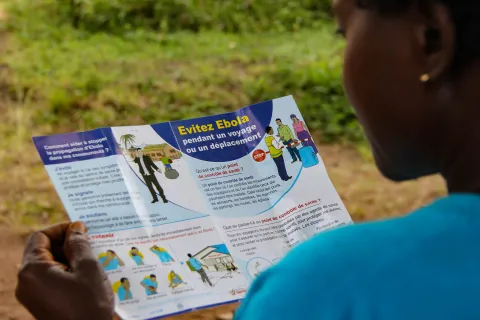
Protection can be achieved by simple measures: washing hands, avoiding contact with biological fluids from suspected or confirmed cases of Ebola, and refraining from touching the bodies of the deceased.
Is there a vaccine against Ebola?
Yes, thousands of people have been vaccinated against Ebola in previous outbreaks. A global stockpile of vaccine doses has been established by UNICEF, WHO, IFRC and MSF to respond quickly to future outbreaks.
What to do if symptoms occur?
If you have a sudden bout of fever, after being in contact with a person with Ebola or after attending a funeral, go to the nearest health centre. This allows you to be examined early and to protect your own family and community from transmission of the disease.
Can an Ebola patient be treated at home?
No! People with symptoms of Ebola virus disease must seek treatment in a hospital or treatment centre with doctors and nurses equipped to treat the disease.
Can it be cured?
Anyone with symptoms that suggest Ebola must seek immediate medical attention. Two drugs have significantly increased patient survival rates when treatment is given early.
And then?
Cured people can no longer infect others. However, the Ebola virus remains in the semen for at least three months, so survivors must use a condom during sexual intercourse during this period.