Preventing Ebola in the Republic of Congo
In Mpouya community workers raise awareness within communities
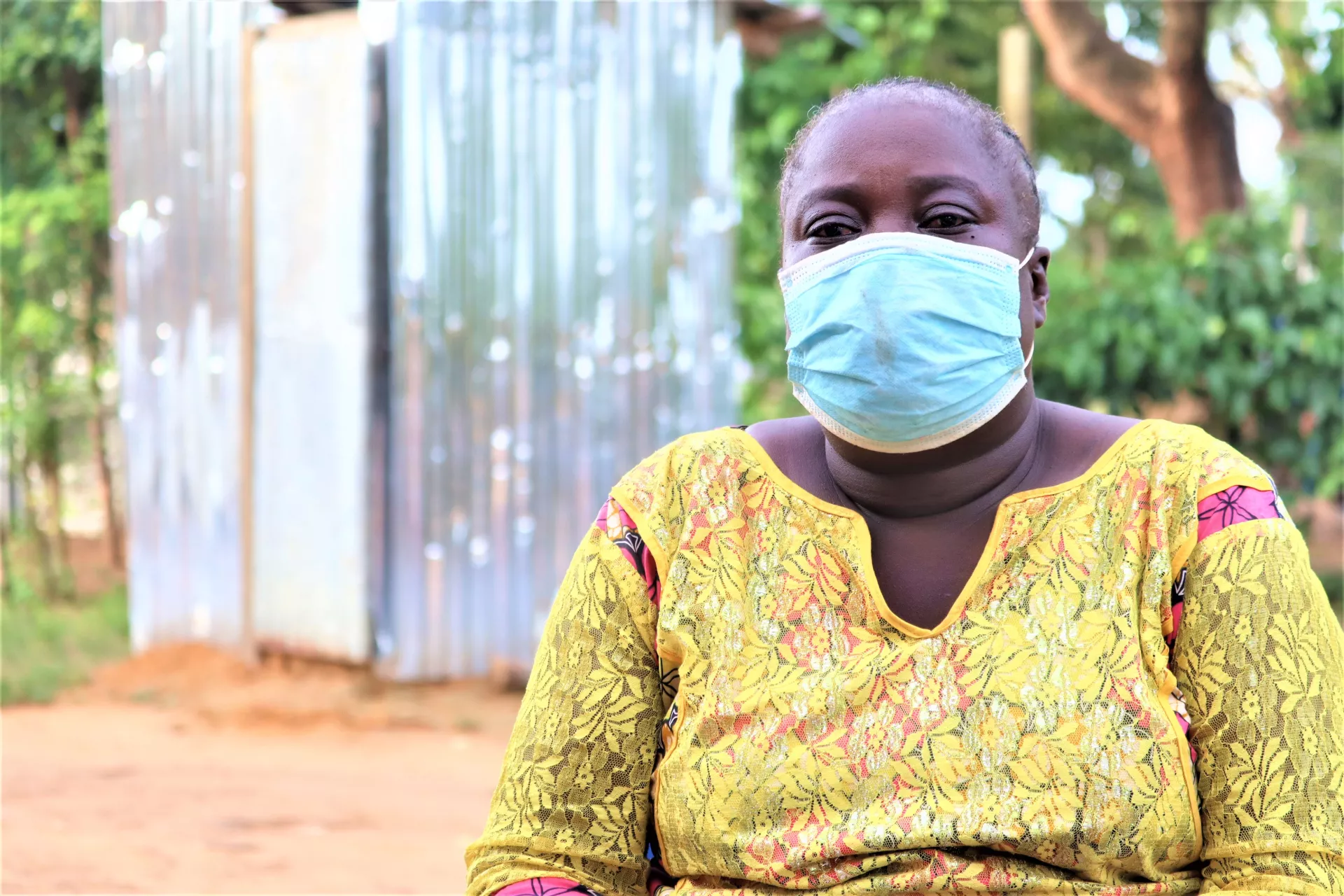
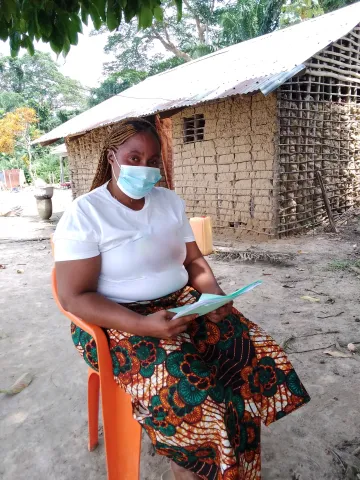
Ursulle, a 42-year-old mother of two, is a community worker in Mpouya, a district in the Plateaux region, in the Centre-East of the Republic of Congo.
Mpouya is located along the Congo River corridor, in an area identified by the Ministry of Health and its partners as having a high risk of a potential Ebola epidemic. This is because of its proximity to the epicentre of the 11th Ebola outbreak in the Equateur province in Democratic Republic of Congo (DRC).
"We have never had an Ebola case here, but we are cautious because the DRC is not far from here." says Ursulle referring to Ebola, a severe and often fatal hemorrhagic fever, which can have a mortality rate of up to 70 per cent.
Mpouya district, an area at high-risk of Ebola
The virus that causes Ebola is transmitted to humans by wild animals, such as bats, porcupines and primates. The virus spreads from a human being to another through direct contact with infected blood or other infected biological fluids, as well as objects or surfaces contaminated with these fluids, such as bed sheets and clothing.
The risk of an Ebola epidemic in Mpouya and in other areas of the Republic of Congo along the Congo River is high for two main reasons: the movement of people along the waterways and the presence of marketplaces along the river.
On the one hand the risk is increased because of the population's regular movements along the waterways and the back and forth from the entry points along the Congo and Oubangi rivers between the Equateur province in DRC and the Likouala, Cuvette, and Plateaux regions in the Republic of Congo. Mpouya is located on this water route.
On the other hand, this part of the Congo River is a very intense commercial corridor with a strong presence of weekly markets in several villages along the river, which increase the potential risk of Ebola transmission.
The importance of engaging communities
"When there is an alert, we receive the information and we go to the villages to sensitize the community. As community workers, we are the link between the hospital and the population.: explains Ursulle.
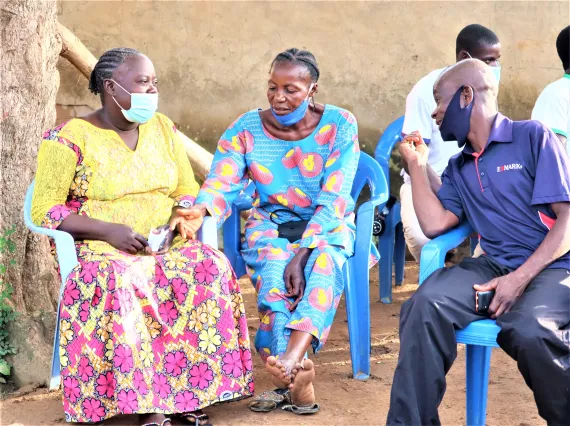
“I participated in two trainings on how to engage people to prevent Ebola. After the trainings, we raised awareness in the entire district. During our door-to-door visits, we told community members to avoid touching other people's biological fluids, to respect hygienic measures and to avoid touching and eating bushmeat because that could potentially spread the virus.
In 2020 UNICEF supported the Government of Congo in order to train over 600 community workers, civil society personnel, field actors and partners on behaviour change communication for Ebola prevention. Thanks to the training, community workers like Ursulle have acquired the necessary skills to sensitize communities on preventive measures and minimise the risk of an Ebola outbreak in Congo.
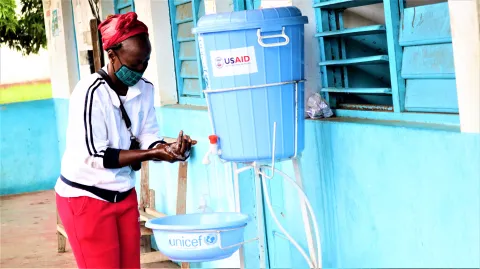
In addition, thanks to USAID funding, UNICEF was able to provide almost 10,000 communication and surveillance materials, such as illustrations, posters, leaflets, flyers and cartoons in French and in local languages to support community awareness and surveillance activities. We also provided hygiene supplies, such as soaps, water buckets and over 700 hand-washing devices for at-risk communities.
Despite efforts to prepare populations for this risk, there is still much to be done
Although the end of 11th Ebola outbreak in Equateur province in DRC was officially declared at the end of 2020, the risk of a new outbreak remains high if communities do not adopt preventive measures.
A potential Ebola outbreak in the Republic of Congo would have devastating effects on villages along the Congo River, which are already highly vulnerable to humanitarian emergencies. These villages are often victims of floods, which increase the risk of the spread of waterborne diseases, including cholera. Having to face multiple outbreaks of diseases (Ebola, cholera, and other waterborne diseases) while the country is already confronting the COVID-19 health crisis would be simply unsustainable for the Congolese population.
This is why UNICEF, the Government of Congo and other partners continue to carry out vital interventions to prepare communities, especially in the areas where access to information is limited and hygiene practices remain a weak point.
“Today we are not yet 100 per cent equipped to fight Ebola, should this disease arrive in our country. That is why our preventive work to adopt hygiene measures must continue.” concludes Ursulle.
The original French version of this story is available at : La prévention de la maladie à virus Ebola en République du Congo | UNICEF Congo