Ebola: the threat persists in villages along the river corridor
Community mobilisation : an effective preventive measure
The departments of Cuvette, Likouala, Plateaux and Pool share a river border of almost 600 km with the Democratic Republic of Congo (DRC) along the Congo and Oubangui rivers. Here the risk of transmission of the Ebola Virus Disease (EVD) remains high, particularly in areas close to the Equateur province in DRC, which was the epicenter of the 11th EVD outbreak. This is the case of Ngabe district in the Pool department.
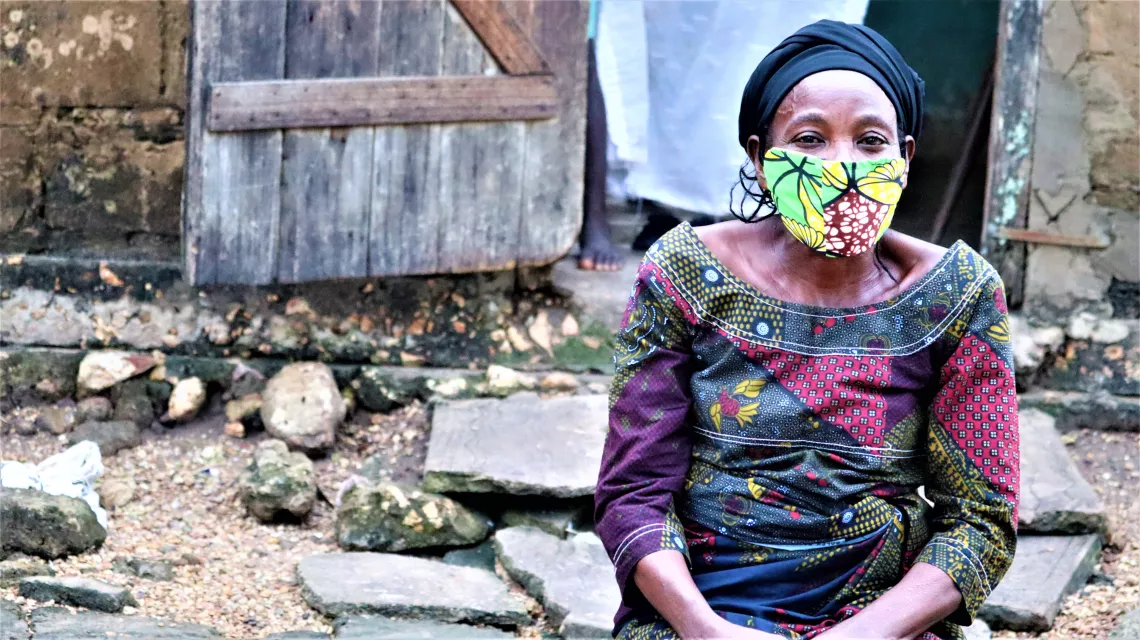
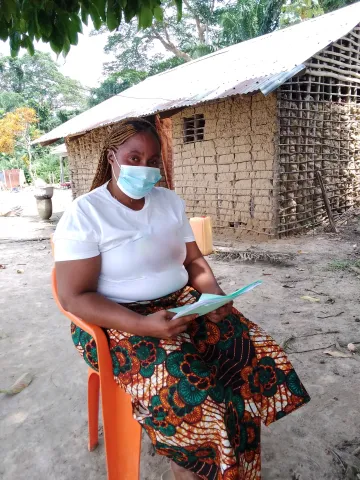
«The movement of people between our country and DRC is very intense. » says Yvette, general secretary of Ndzio neighbourhood in Ngabe district. « Most people from this side of the river, we go to DRC for medical treatment in a village called Kwamouth. Similarly, many people leave DRC every day to come
|
Yvette after a visit to one of the families who participated in awareness-raising activities in this neighbourhood |
The proximity of the two countries can foster the spread of the virus
The risk factors for Ebola transmission in the Republic of Congo are the movement of people along the waterways between the Republic of Congo and DRC, the presence of markets along the river corridor, poor knowledge of basic hygiene practices in this remote area of the country, a weak system to report suspected cases, as well as harmful traditional practices conducive to the onset of the disease, such as the consumption of bush meat.
The virus that causes Ebola is transmitted to humans by wild animals, such as fruit bats, porcupines and primates, which are part of the daily diet of communities in this rural area of Congo. The Ebola virus is then spread among the human population through direct contact with organs, blood, secretions or other bodily fluids of the infected person, as well as objects or surfaces contaminated with these fluids, such as bed linen and clothing. The Ebola virus also persists in the sexual organs of some survivors, such as the gonads, for up to several months after recovery.
Engaging communities for better prevention
In September 2020 the Republic of Congo, with support from the World Health Organization, updated the national preparedness plan to respond to the EVD epidemic.
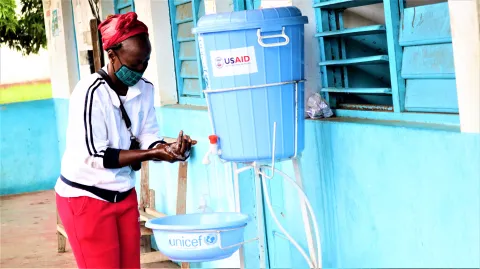
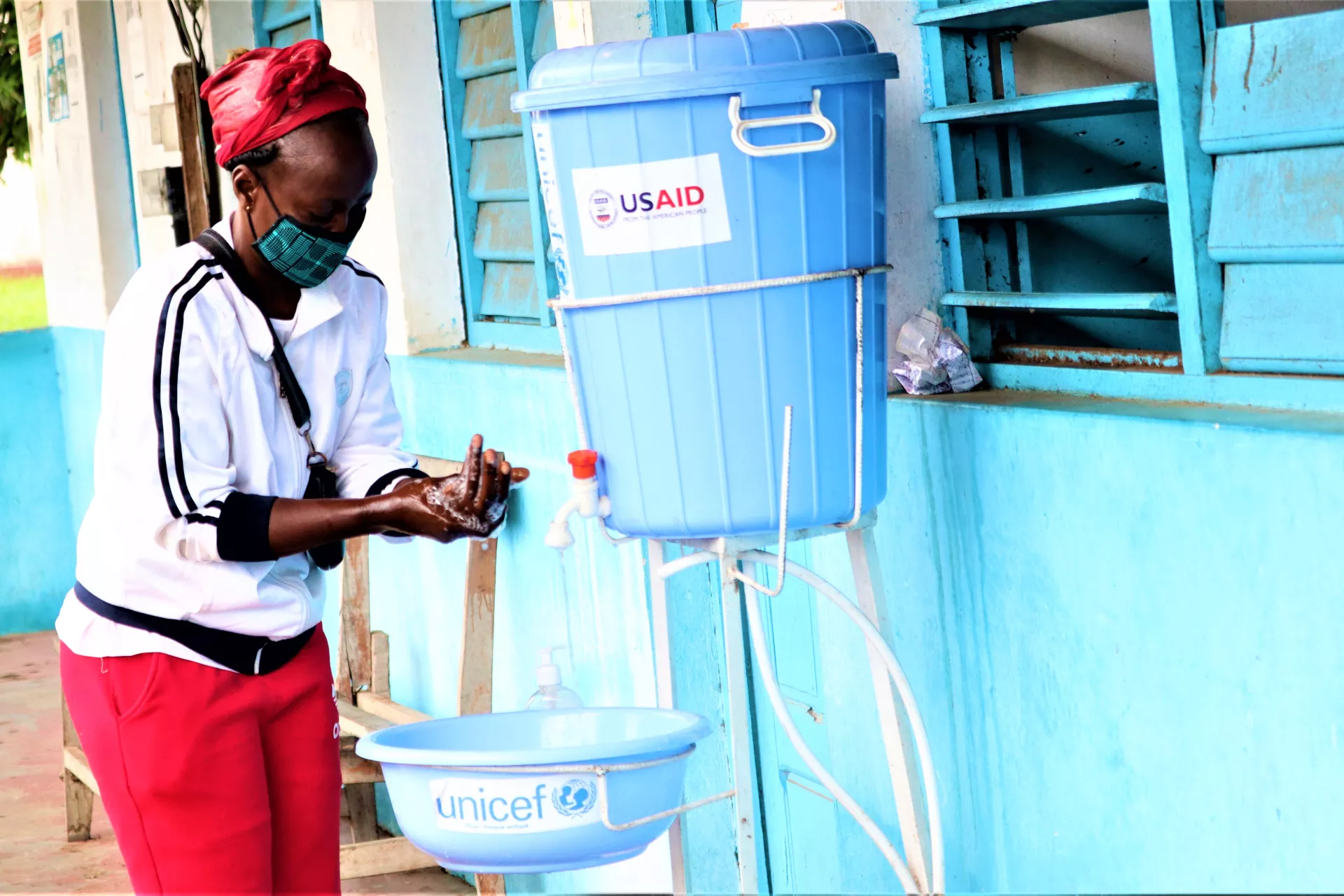
With funding from USAID, UNICEF and its partner ACTED are working to build resilience in seven high-risk Ebola districts: Ngabe, where Yvette lives, and also Impfondo, Liranga, Makotimpoko, Mpouya, Mossaka, and Loukolela. Preparedness activities include risk communication and community engagement, placement of handwashing devices in public places, and distribution of hygiene kits to households for infection prevention and control (IPC-WASH).
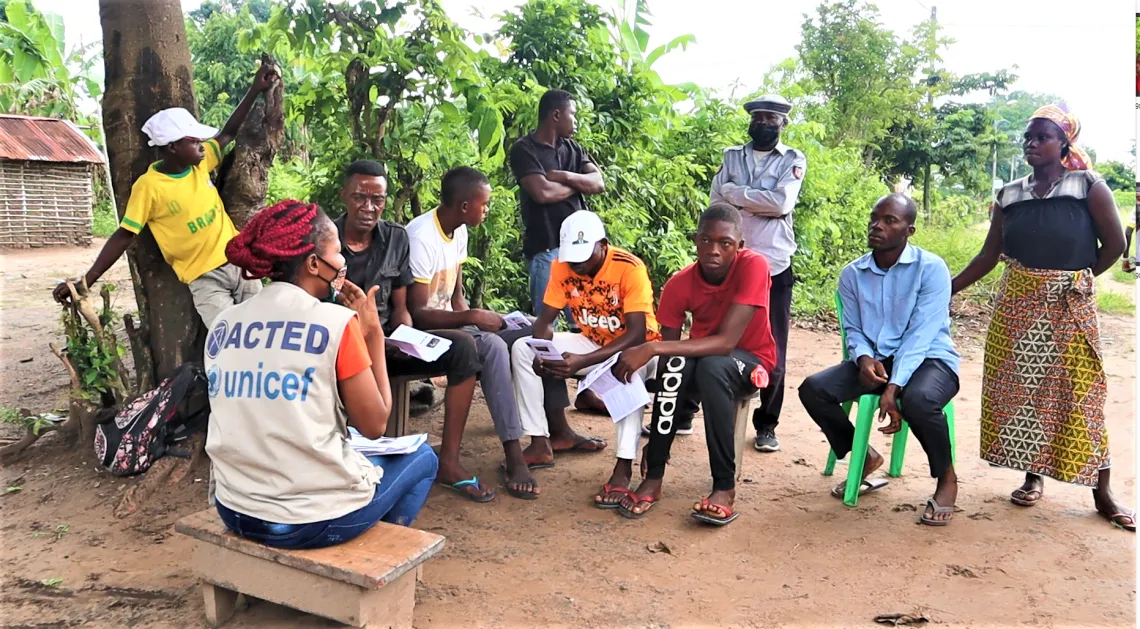
Thanks to USAID funding, 180 handwashing devices have been distributed in public places such as markets, churches, ports and schools since December 2020. IPC-WASH kits including soap, masks, water treatment tablets and safe containers for home water treatment have been distributed to over 40,000 people.
The importance of prevention and preparedness
A possible Ebola outbreak in these rural areas of the Republic of Congo would have a very negative economic and social impact, especially for children and women, due to the limited access to basic health services in these remote areas of the country.
In order to build the capacity of the population in prevention and preparedness, more than 34,000 people were sensitized on Ebola prevention and access to services. 200 community workers and 48 representatives of market committees, hunters' associations, community leaders and town criers participated in capacity-building sessions on EVD prevention. UNICEF also provided health workers and community members with approximately 10,000 communication materials, such as posters and leaflets, featuring life-saving messages on how to protect themselves from Ebola, the importance of handwashing and how to identify suspected cases.
«During the awareness raising sessions, we were told about preventive measures to fight Ebola. We were told about the symptoms, such as diarrhea and high fever, and we were instructed on what to do with suspected case. We were also told not to eat the meat of bush animals found dead. We were told not to touch a person who is sick and that if there is a suspected case, we should isolate the person and inform the doctor at the hospital. » adds Yvette. «I think that the information we have received will change the lives of many people in our village, especially dangerous habits and behaviours. I am very satisfied: this is the first time we have seen an association come to raise awareness here in our district. » concludes Yvette.
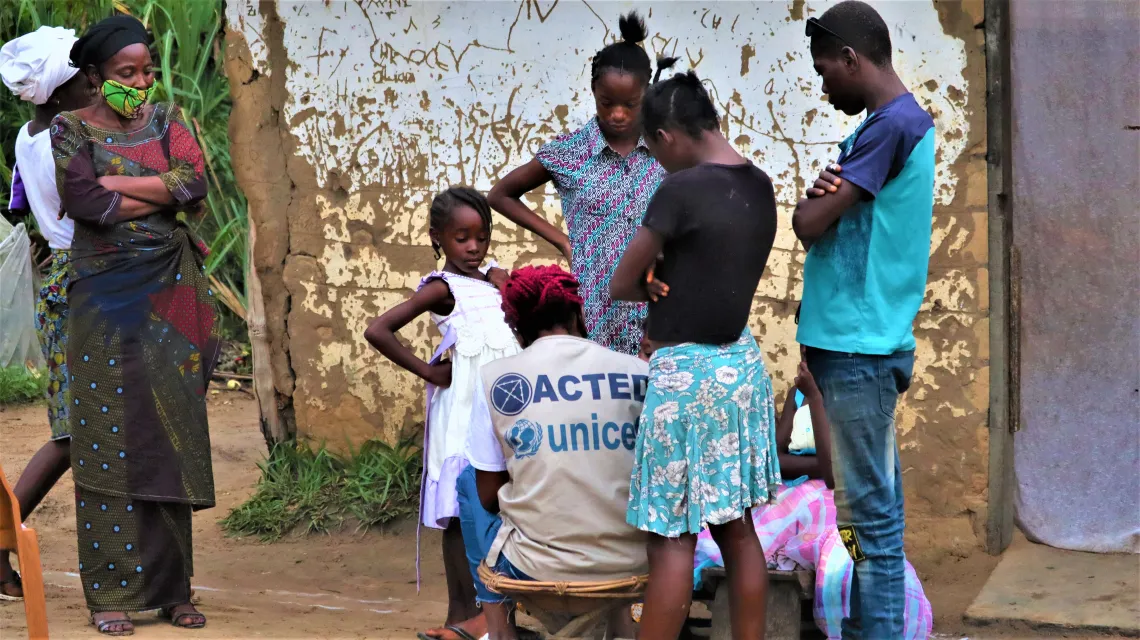
Although the 11th Ebola epidemic in the DRC's Equateur province was officially over by the end of 2020, the risk of a resurgence of the disease remains, if preventive measures are not respected. There is therefore an urgent need to continue to invest in the resilience of the population, as well as to strengthen the capacity of the health and social systems to prepare for and respond to a potential Ebola outbreak in northern Congo.