When floods determined students’ fate
UNICEF and its partners improve the learning environment at the Boutalbagar Municipal School
- English
- Français
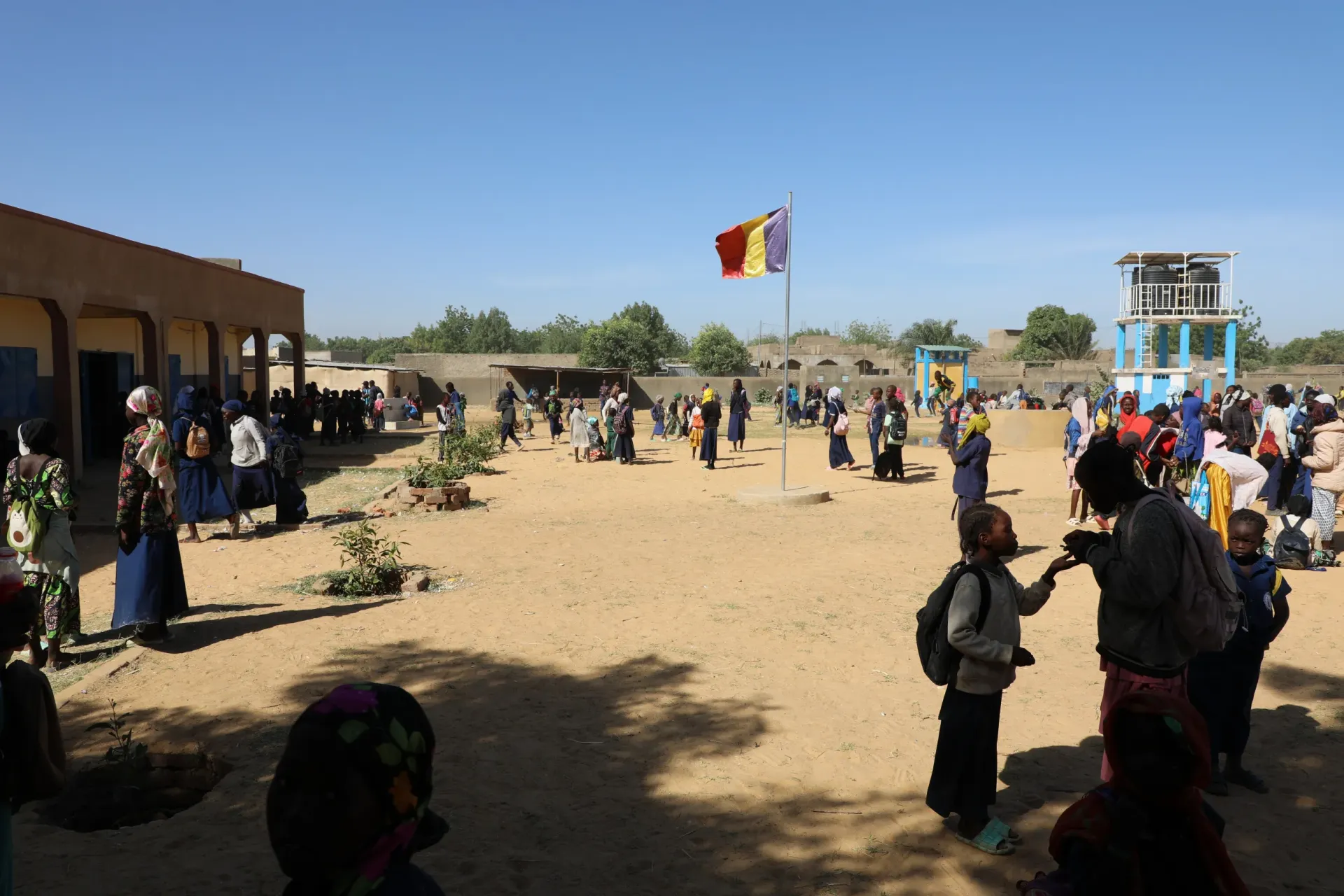
The ordeal lasted for more than a decade. Difficult access to Boutalbagar Municipal School, located in the 7th district of N’Djamena, was a bitter reality shared by all. Rainwater that constantly flooded the schoolyard severely disrupted the normal running of classes.
“We had no choice but to walk through water and mud to reach the school and the classrooms,” recalls Borgoto Minguemadji Lucie, the school’s headmistress.
Every rainy season, water flooded the schoolyard and surrounding areas, seeping even into the administrative offices. Located in a low-lying area, the school was turned into a real water retention basin, with disastrous consequences. The start of the school year was frequently delayed by several weeks, sometimes until the end of November, nearly two months after the official date of October 1. Children lost valuable learning time and were not always able to benefit from the number of hours needed to cover the curriculum.
During the school holidays, the administration also struggled to access the school to complete preparations for the upcoming academic year and handle re-enrolments. The school existed, but its operation remained extremely challenging.
In the past, the municipality of N’Djamena, Chad’s capital, undertook significant works around the school to improve the situation. However, given the scale and recurrence of the flooding, these works proved insufficient, making it necessary to reinforce them with complementary and more sustainable solutions.
In this context, providing children with an adequate learning environment has become essential. Thanks to the financial support from the Global Partnership for Education, UNICEF, in collaboration with the Ministry of National Education and Civic Promotion and partners, carried out major backfilling works and reconstructed water drainage channels, giving the school a new lease on life.
These interventions, aimed at preventing flooding and enabling the normal resumption of classes, are part of a broader rainwater drainage initiative implemented in 12 schools across the city of N’Djamena. Between May and June 2025, more than 700 truckloads of fill transformed the site. Where water once stagnated, solid ground has now taken its place. The works reshaped the schoolyard and corrected slopes, allowing rainwater to flow away from the school, even during heavy rainfall.
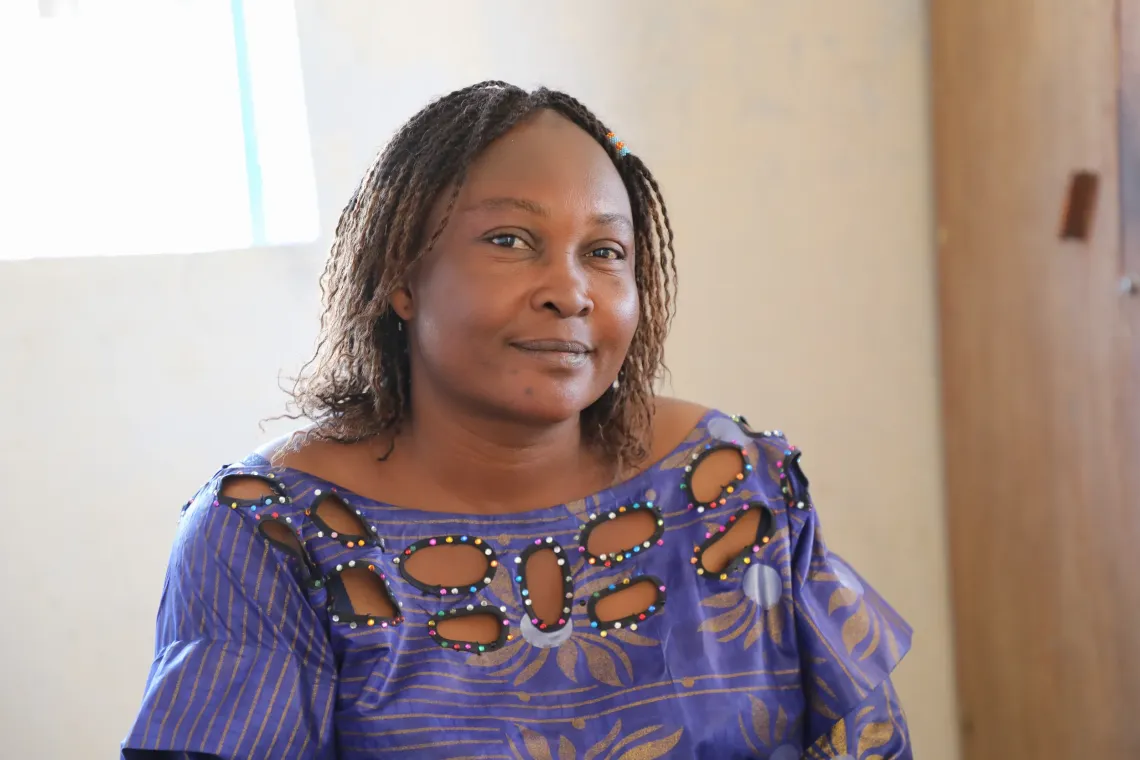
The changes were immediate. The start date for the school year was met. Teachers are now progressing at a normal pace, and children are learning in a clean and safe environment. This work has completely changed the life of our school.
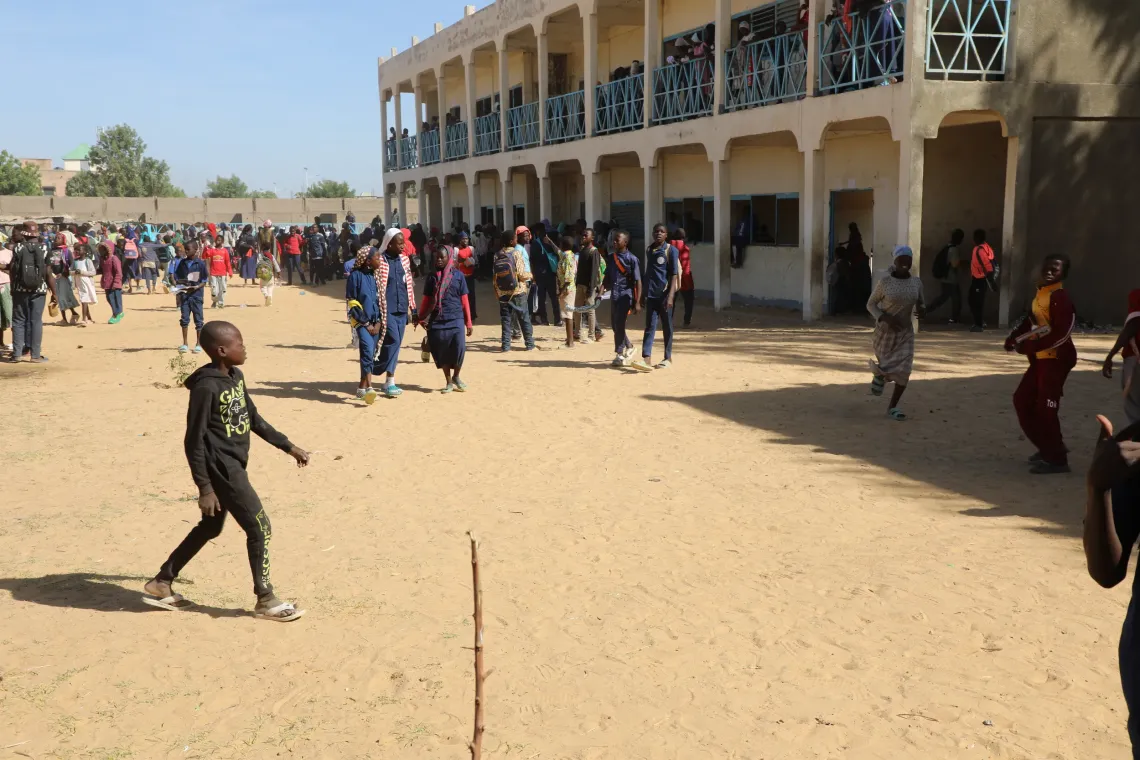
For students, going to school was no longer always a moment to look forward to, but a real ordeal. Mud and stagnant water had turned the path to learning into a daily struggle. Today, Bayang Khamis, a fourth-grade student, is able to reach his classroom without worrying about the challenges he used to face.
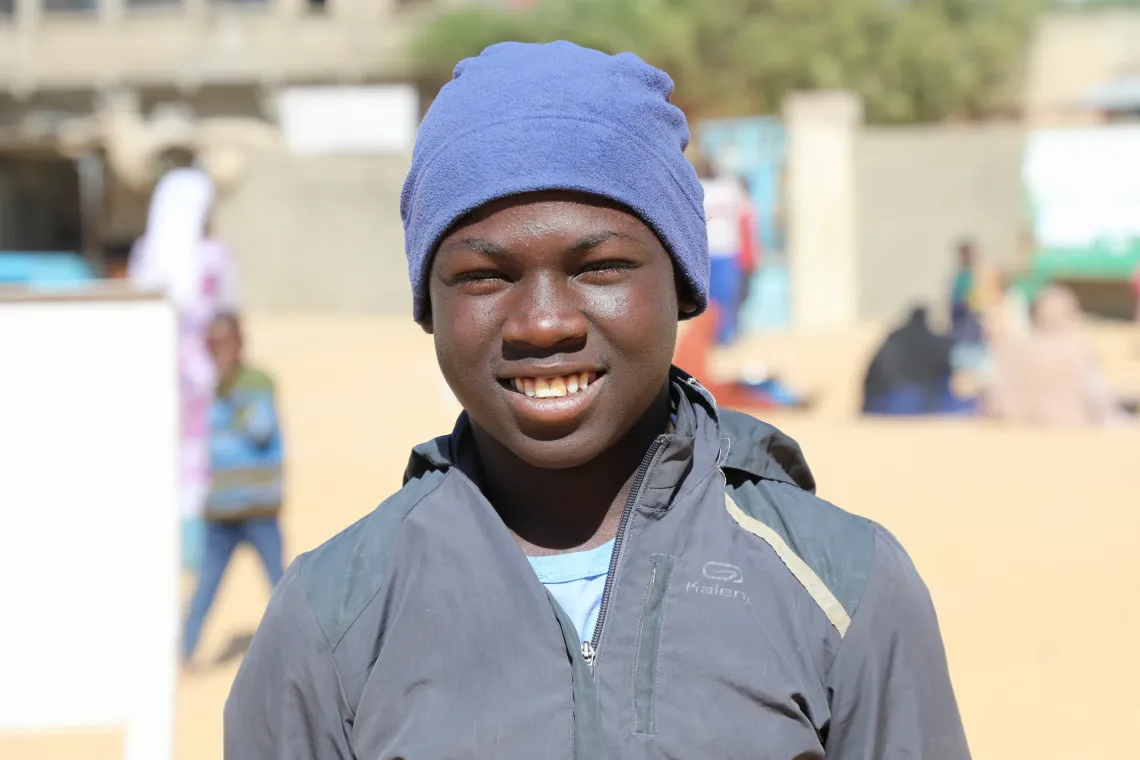
Sometimes, we would fall into the mud and get hurt. We got very dirty, and it didn’t make us want to go to school. That is no longer the case, and now we can fully enjoy the playground.
Djegangnon Leulnodji, a teacher, recalls also the rainy seasons when going to class was a real challenge. Only her passion for teaching and her commitment to supporting children gave her the strength to cope with such harsh conditions.
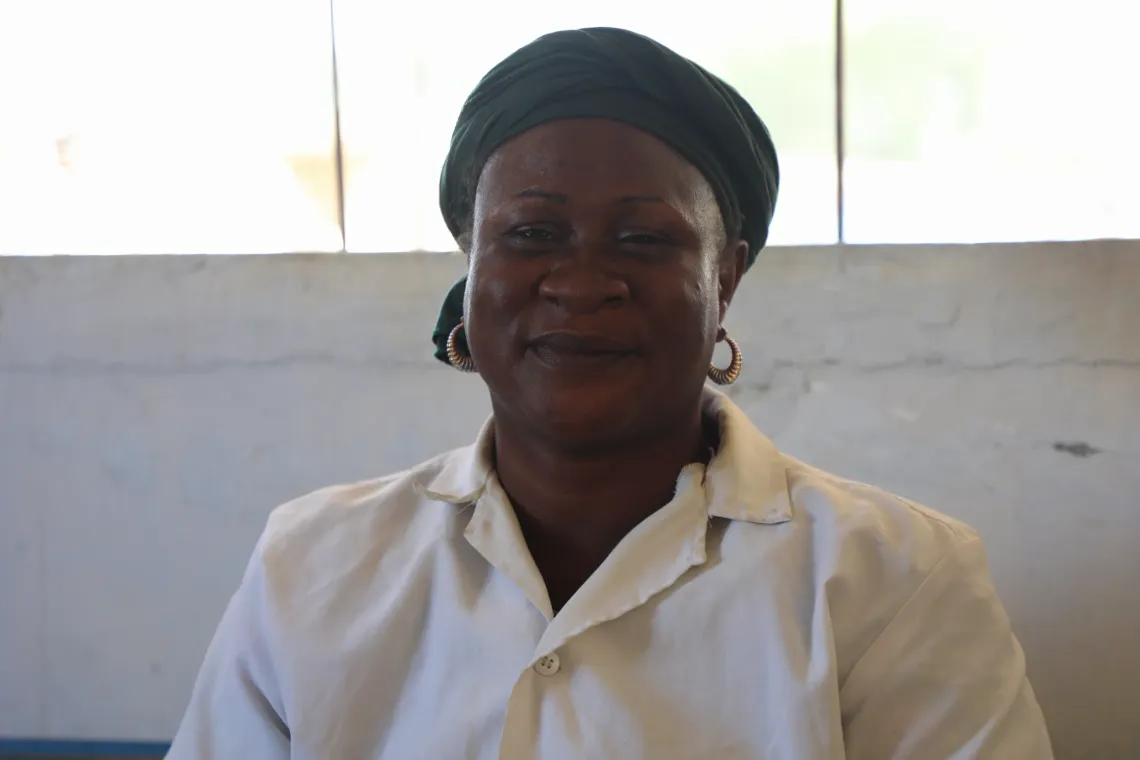
Both inside and outside the school, access conditions were extremely difficult. We had to come in boots, and even then, moving around the schoolyard remained a challenge. The courtyard and access paths were constantly flooded with water and mud. Today, the situation has changed. For us, it is a real relief to be able to work in good conditions.
Long affected by flooding, Boutalbagar municipal school is now safe from rising waters. Learning has regained its rightful place, in a cleaner and safer environment that is now conducive to children's development.