In Gourgoudji, clean water and cholera prevention are saving lives
Access to safe drinking water and community awareness — two key weapons against cholera in eastern Chad

- English
- Français
Since July 2025, a cholera outbreak has been affecting eastern Chad. In response, the Gourgoudji Health Centre quickly implemented prevention and awareness measures to protect the population.
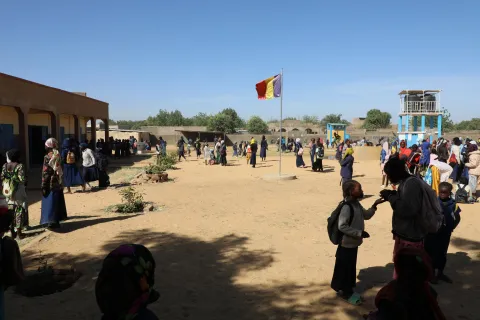
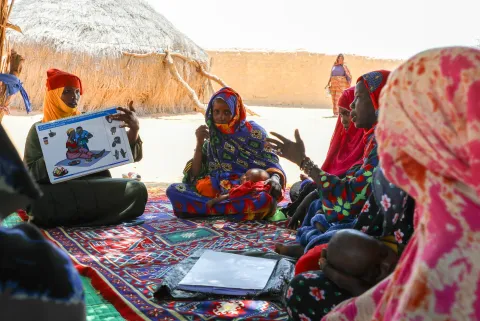
On this sunny morning, the courtyard of the Gourgoudji Health Centre — a village located about 20 kilometers from Hadjer Hadid in Ouaddaï province — is bustling with activity. The medical team is conducting an awareness session focused on hygiene and cholera prevention.
“We organize four sessions per week, especially on market days, to reach as many people as possible,”
explains Hisseine Adoum Foth, head of the health centre. The messages are simple but vital: wash hands with soap, cover food, and disinfect water before drinking.
“When a case is detected, we refer the patient to the cholera treatment centre in the Tréguine refugee camp and proceed with disinfection of the affected areas,”
he adds. Since the beginning of the outbreak, the centre has recorded around forty cases in nearby villages.

“The borehole has changed a lot of things. Without this water point, cholera would have caused much more harm,”
says Hisseine.
In the village, residents have adopted new hygiene practices. Dahabaye Ibrahim, 20, a young mother of a 20-month-old child, regularly takes part in the awareness sessions.

“They taught us how to properly protect food, cook it well, and cover it to keep flies away. I also learned to boil water from wells before drinking it and to use bleach or salt to clean utensils,”
she says.
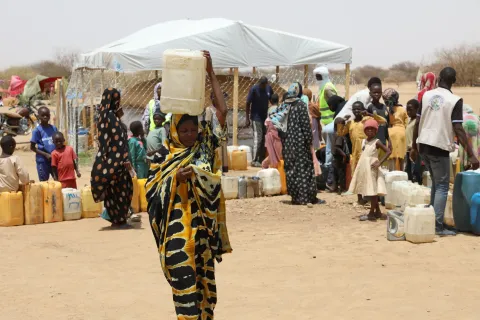
Before the installation of the borehole with UNICEF’s support, water came from ponds or open wells where both people and animals drank.
“It was dirty water that caused diseases. Since the borehole was built, we have clean water for cooking, drinking, and washing. It has really made our lives easier,”
adds Dahabaye with a smile.

For Bahradine Brahim Abdoulaye, 48, representative of the chief of the Gourgoudji canton and father of nine, the change is clear.

Before, people with cholera were kept at home. Since the awareness sessions began, everyone knows that patients should be taken to the health centre. We also apply prevention measures in our homes

The borehole, which became operational at the beginning of the year, has significantly improved residents’ lives.
“Before, the water from wells was dirty, and animals drank from it. We had to wake up at dawn to fetch water. Today, thanks to the water tap, we have access to clean water,”
says Bahradine.
Today, the village of Gourgoudji is better prepared to face epidemics and protect the health of its members.
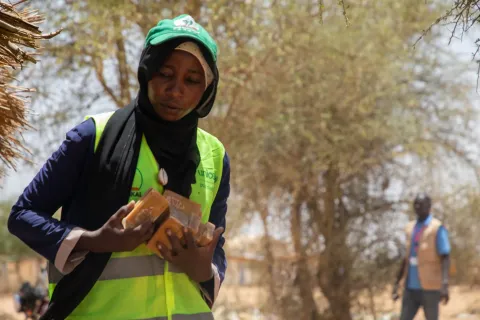
In response to the cholera outbreak in Chad, UNICEF, with financial support from its flexible humanitarian fund, the Central Emergency Response Fund (CERF), the Government of Sweden, and the European Union Humanitarian Aid, is supporting the efforts of the Chadian government and its partners to prevent and respond effectively to the crisis. This support includes the distribution of treatment kits, the provision of disinfection equipment, and the rehabilitation of water, hygiene, and sanitation facilities.