Saving lives through water, sanitation and hygiene in eastern Chad
With support from the Regional Humanitarian Fund for West and Central Africa, UNICEF and its partners are improving access to water, sanitation and hygiene services in refugee camps, returnee sites and host communities in eastern Chad
- English
- Français
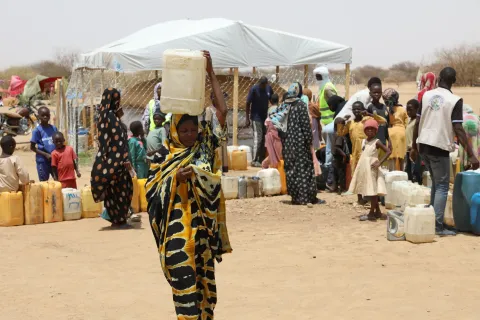
In Sudanese refugee camps and host communities in eastern Chad, access to safe water, hygiene and sanitation is among the most essential daily needs. Beyond lifesaving, these services are crucial for living in dignity and protecting children’s health.
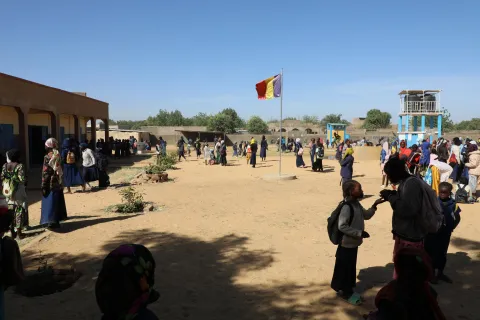
Since April 2023, hundreds of thousands of people have crossed the border to flee the conflict in Sudan and seek refuge in Chad. This influx has placed enormous pressure on basic resources and services, particularly water, sanitation and hygiene, in provinces that now host more than 900,000 registered Sudanese refugees, mainly in Ouaddaï, Wadi Fira, Sila and Ennedi East. The majority of the refugee population is women and children. Without safe drinking water, adequate latrines and proper hygiene practices, waterborne and sanitation-related diseases such as diarrhoea, hepatitis E, typhoid, cholera and certain skin diseases can spread rapidly, especially among children.
Since the onset of the crisis, UNICEF has been working alongside the Chadian government and other partners to support multisectoral interventions. With the support of the Regional Humanitarian Fund for West and Central Africa, this assistance is being strengthened for refugees, returnees, internally displaced persons and host communities.
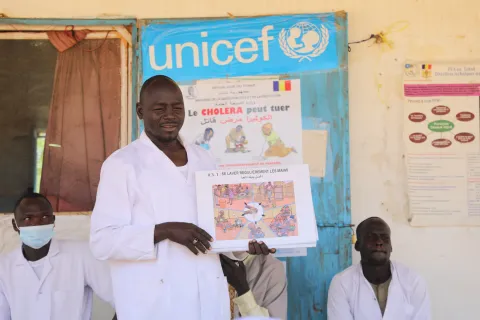
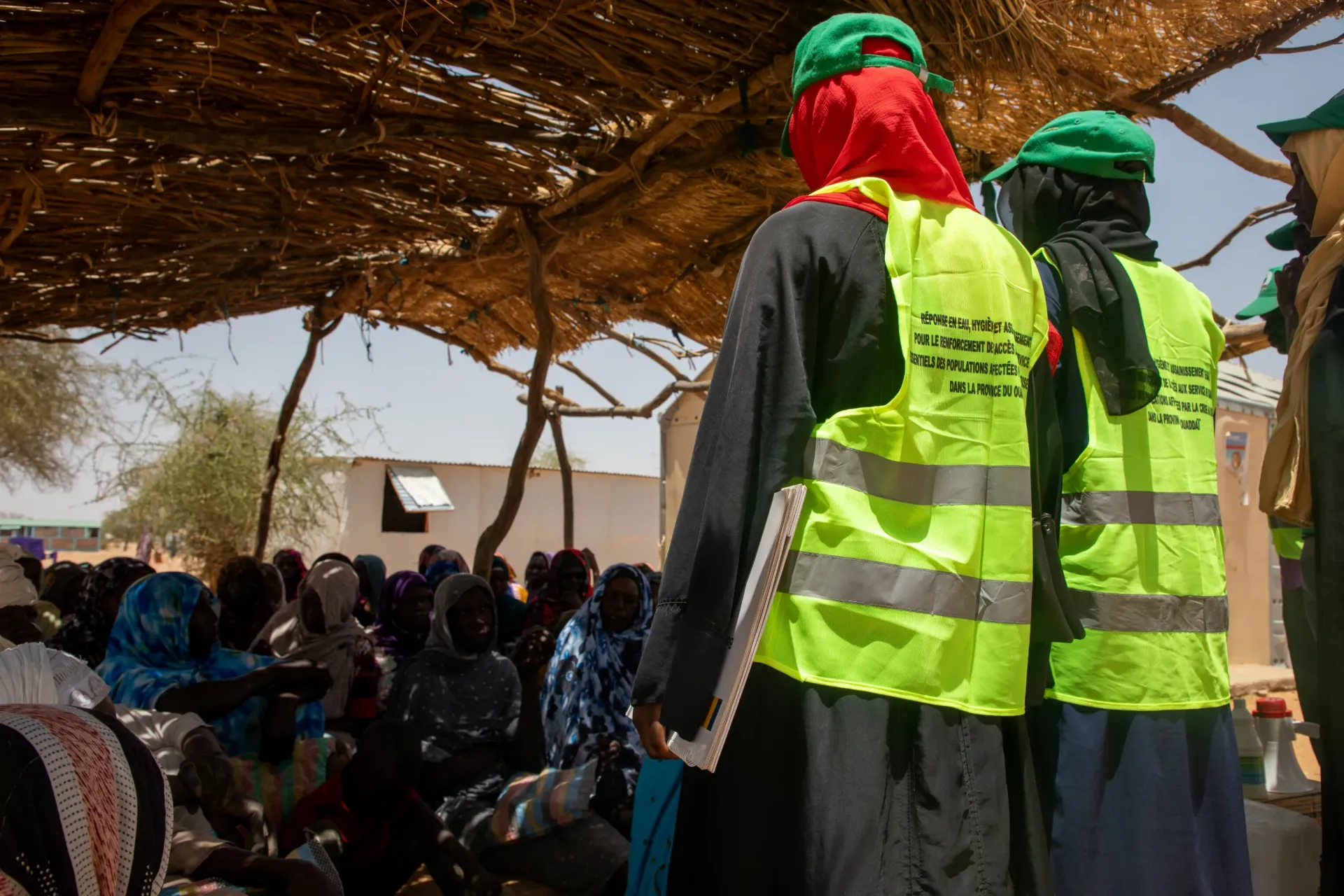
In the Allacha and Farchana camps, in Ouaddaï province, community volunteers are present every day alongside families. They conduct awareness sessions, engage directly with households and distribute hygiene kits to support families in their daily lives.
In Allacha, learning daily hygiene practices
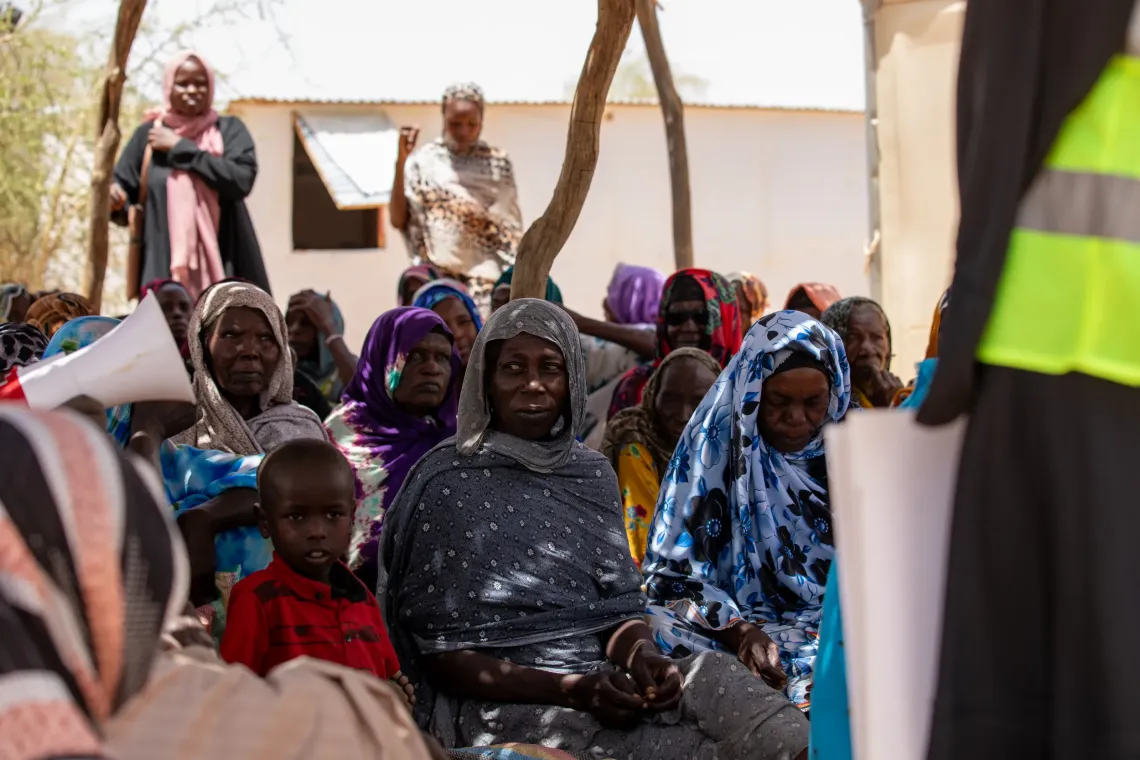
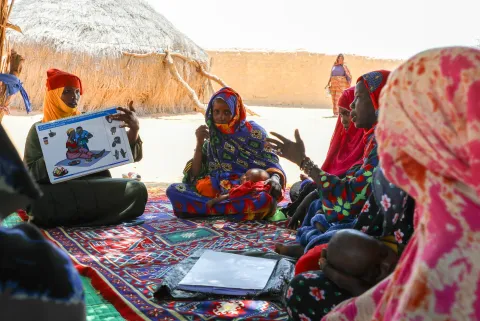
On this sunny morning in the Allacha refugee camp, around forty women are gathered under a shelter for an awareness session on promoting good hygiene practices. Sitting side by side, they listen attentively to community volunteer explaining simple daily actions to reduce the risk of disease: washing hands with soap and water at critical times, drinking safe water, regularly cleaning latrines and properly cooking food before consumption.
Among them is Arafa Mahamat Arbab, 40 years old, mother of 11 children and pregnant with her twelfth. Originally from Kirenik in Sudan, she has been living in Allacha since the beginning of the crisis in 2023.
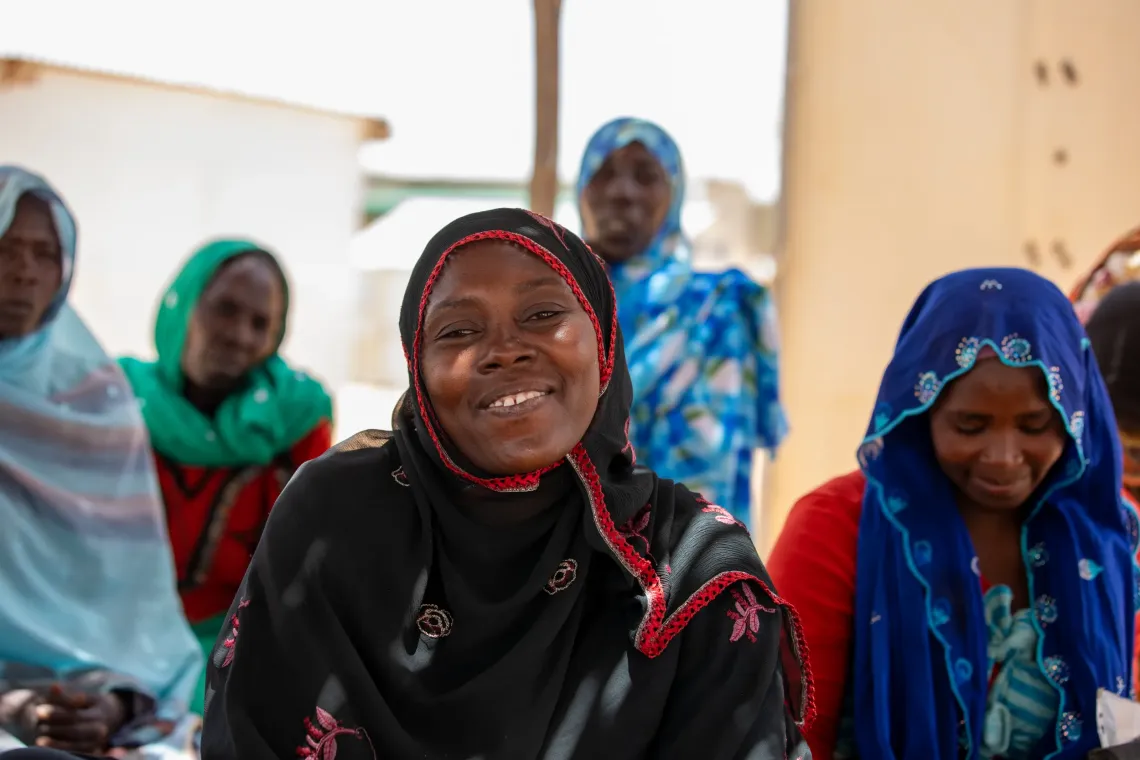
Today, we learned the basics of hygiene to prevent diseases. We were also reminded to pay attention to hygiene before breastfeeding children.
Throughout the session, discussions are lively. Questions and answers also cover ways to treat drinking water, including using chlorine or boiling it when chlorine is unavailable.
Whenever I hear about an awareness session, I always come. Today, I also received soap for hygiene.
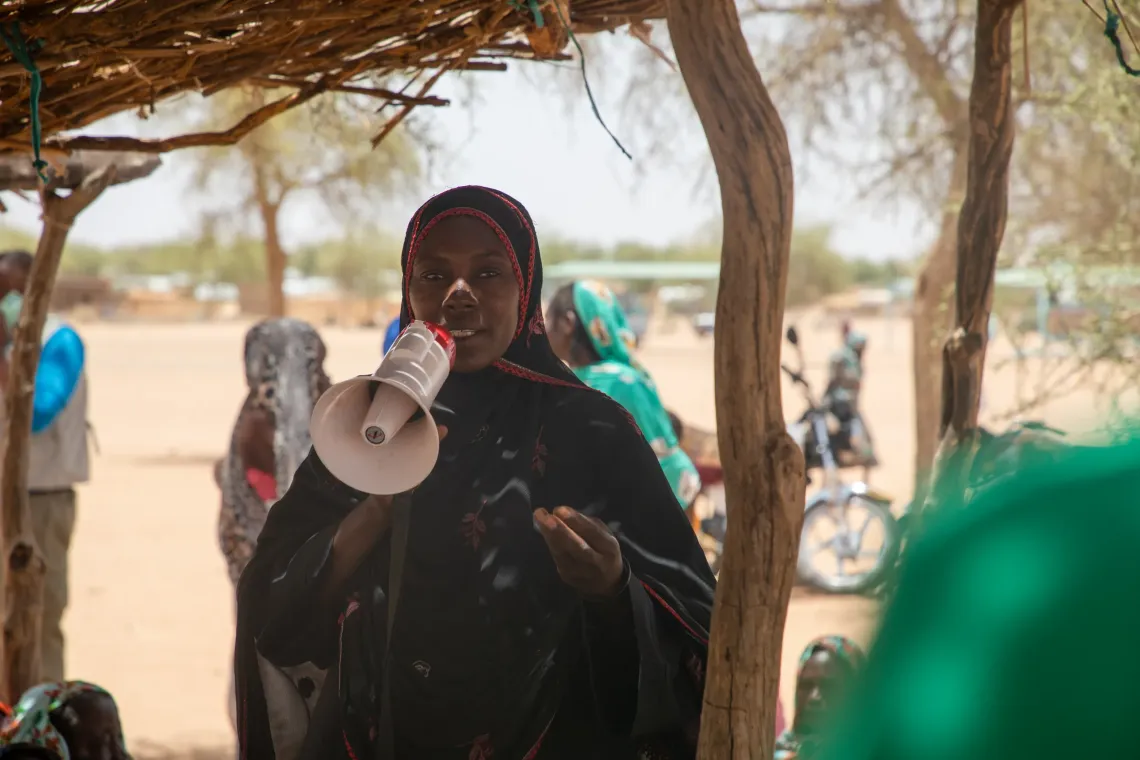
For Fatime Souleymane Ibrahim, 28, these awareness sessions have now become part of her daily life. Before the conflict, she was studying education. She fled Sudan with her three children to seek refuge in Chad and is currently working as a community volunteer with the NGO Sahkal, UNICEF’s partner.

« At the beginning, life in the camp was difficult because we lacked access to water, food and healthcare. Now, things are improving »,
she explains.
Together with other outreach workers, Fatime conducts awareness sessions several times a week.


“Some families did not even know how to practice proper hygiene. Before, many children were neglected. Today, parents take much better care of their children.”
At the end of the session, soap is distributed to participants to encourage hygiene practices within households.
In Farchana, improved latrines and hygiene messages at the heart of daily life
At the Farchana refugee camp, community volunteers continue the same close engagement with refugee families and host communities, meeting households to discuss hygiene and disease prevention.
Rachida Mahamat Hisseine, 25, was studying health sciences at the University of El-Geneina before arriving in Chad in 2024.

Every time we conduct awareness sessions, the message gets through. There are fewer diseases than before.
However, daily needs remain significant.
“Households still need showers, soap, jerrycans and handwashing facilities near latrines,”
she adds.

Through these discussions, Rachida reinforces good hygiene practices and encourages safer behaviours within households.

Standing in front of a recently installed latrine, Zargua Ibrahim Adam holds her child in her arms. Having arrived from Sudan in 2023, she now lives alone with her daughter in the camp.
She is among the households benefiting from new latrines built by UNICEF through its implementing partner, the NGO Sahkal, as part of efforts to improve access to sanitation for families.
Previously, her family had to use latrines located far from their shelter. Today, access to a closer and safer facility has changed her daily life.
“Even at night, we can now go out safely. When latrines are far away, it is dangerous,”
she explains.
Like Zargua, thousands of households will benefit from improved access to water, latrines, hygiene and sanitation kits, as well as awareness messages on the prevention of potential waterborne epidemic diseases.


UNICEF and its partners, with support from the Regional Humanitarian Fund for West and Central Africa, are working every day to improve living conditions and protect the health of refugee and returnee families as well as host communities in eastern Chad.