The women leading communities in the Central African Republic
They help mothers deliver healthy children, fight malnutrition, help communities have access to clean water and solve conflicts peacefully, but their work often remains invisible. UNICEF is proud to work with them.
- English
- Français
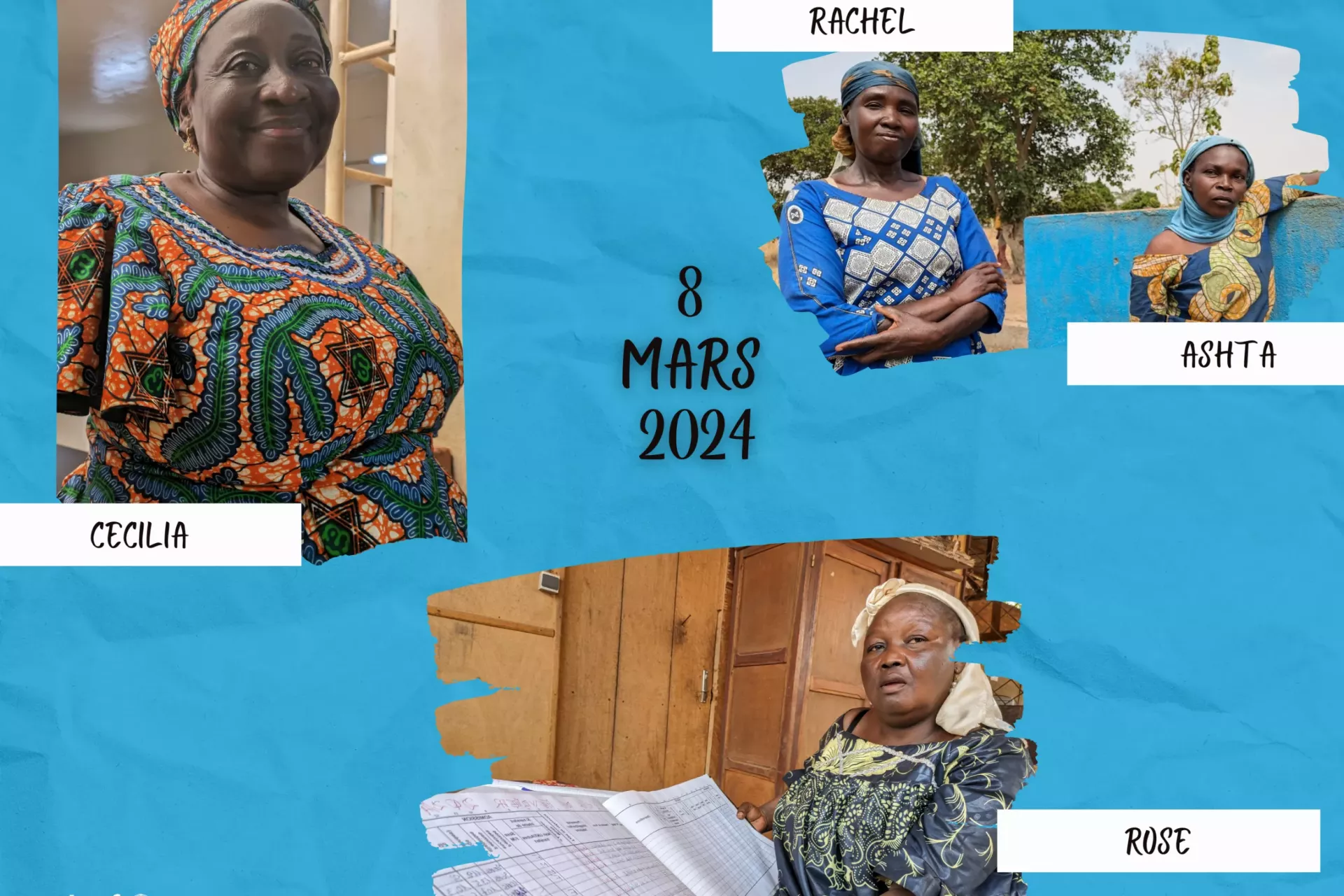
Cecilia Feiganazoui, 56, is head of the maternity ward at the Bossangoa Regional Hospital. "I love my job," she says. "Since I was a child, I always wanted to be a doctor, but I couldn't study medicine, so I decided to become a midwife. God had a better plan for me.
Rose Gobo is 51 years old. She has been working at the Bégoua health centre in Bangui since 2002. In 2006, when the Ministry asked for volunteers to run the nutrition unit, she stepped forward. Since then, she has helped thousands of malnourished children recover and lead healthy lives.
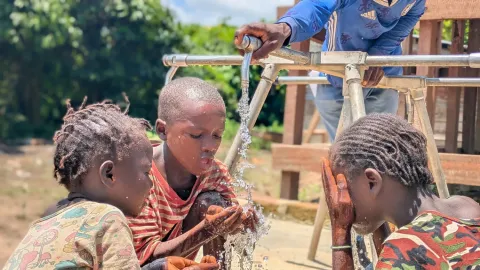
Rachel Walambo and Ashta Gganya, both in their early forties, are members of the committee that runs the borehole that serves their Kpetene neighbourhood in Ndele. "It is very hard work because it is difficult to bring people together," they explain.
The Central African Republic is slowly emerging from its most recent violent crisis. Today, as people struggle to lift themselves out of poverty, many women are emerging as leaders, helping their communities to live more dignified lives, especially supporting vulnerable children.
This difficult task begins when children are born, often in difficult circumstances, as Cecilia knows only too well: "All these years I have seen how difficult it is for women in rural areas to cope with their pregnancies, especially when the time comes to give birth," she notes. "They come to the hospital from villages 50 or even 60 kilometres away. They come on motorbikes, bicycles or even in wheelbarrows that people push along rough roads. I have seen cases of women arriving completely exhausted, only for their babies not to survive".
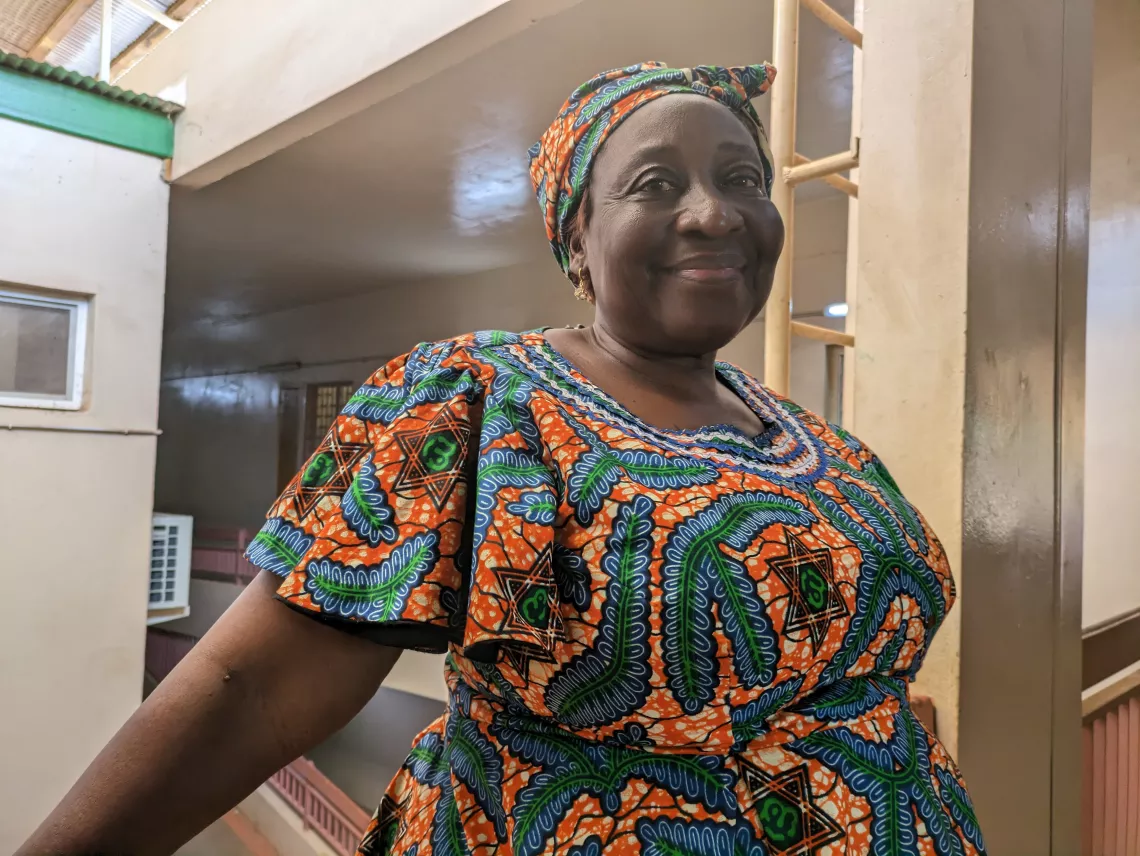
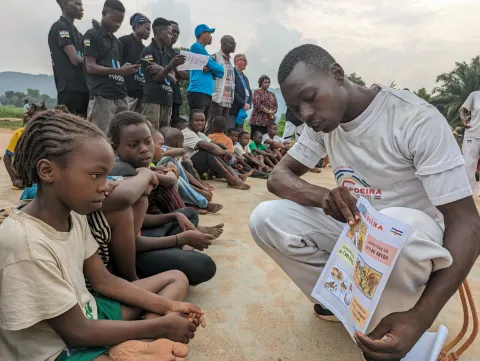
Cecilia believes that counselling is an important role for midwives in such circumstances: "I never tire of telling women in my prefecture of Ouham not to wait until it is too late. I encourage them to come early and stay in the hospital. I also organise awareness campaigns in the villages to spread the message. Antenatal consultations and deliveries are free for all women”.
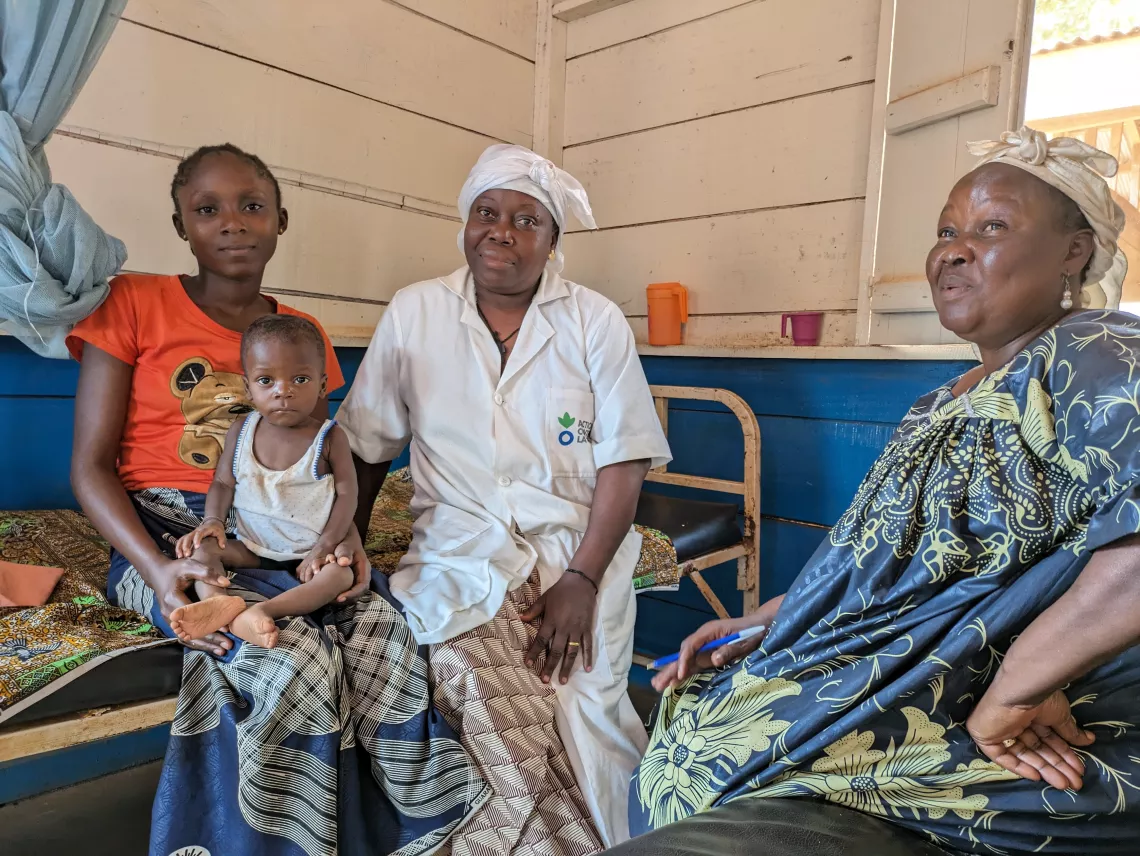
Rose takes a similar approach: "Many children suffer from malnutrition because their parents do not have access to information. I spend a lot of time talking to mothers because some of them find it hard to accept that their child is malnourished. She is convinced that in order to tackle the root causes of this malnutrition, "we need to be patient in changing attitudes". Over the years, she has treated thousands of cases, a process that, as she explains, "can take about ten days of treatment until the child is stabilised", adding that follow-up care at home is needed to ensure the child's recovery.
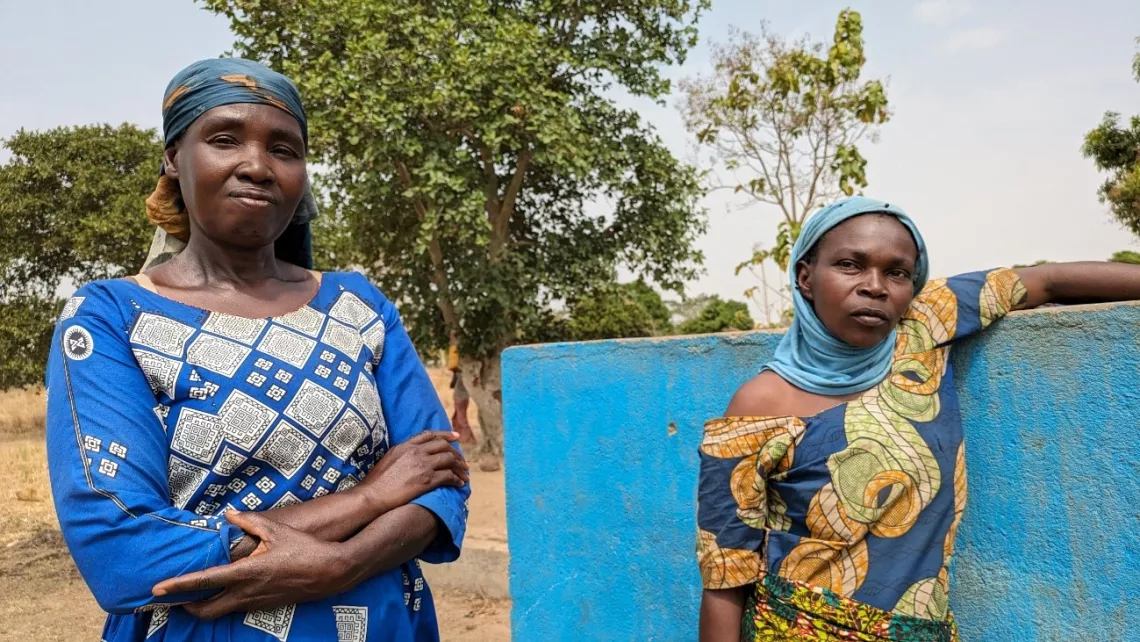
In Ndele, Rachel and Ashta are active in raising awareness about water management and overseeing the borehole installed by UNICEF in 2023. Rachel is the treasurer of the borehole committee, while Ashta supervises the cleaning of the site.
"In the beginning, we thought everything would run smoothly now that everyone was happy with the new borehole. But we soon realised that we were too many to use this water point," Rachel admits. "We come from different neighbourhoods that are often at odds with each other. Each community felt they had more rights to the water, which led to conflicts between them”.
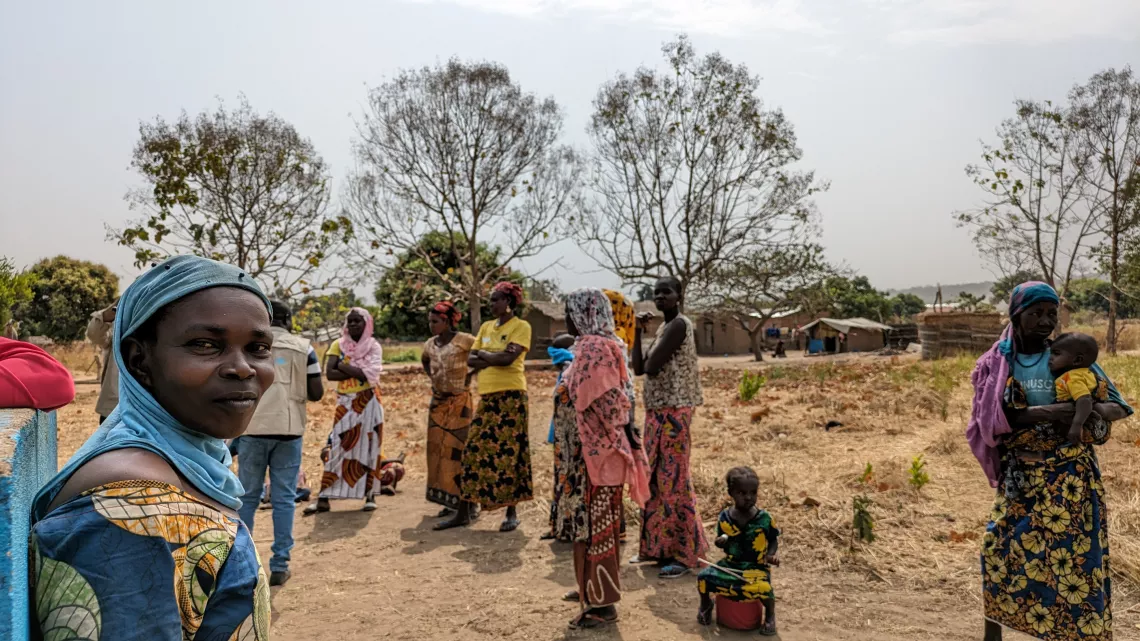
"In addition, because we have a serious water supply problem in Ndele, other people come from far away to use the borehole, not to mention that many would refuse to pay the 250 FCFA monthly maintenance fee set by the committee,” continues Ashta.
For many months, the two women had to engage in "conflict resolution and mediation" to ensure that no one was left behind and that each community had fair access to water. Today, against all odds, the different communities have found a peaceful solution that meets everyone's needs.
All four women have faced very difficult challenges in the course of their service.
"In 2013, when the armed groups swept through our district, my house was completely looted, and I found myself deep in the forest with my mother and my five children. All I had with me was the dress I had worn when I fled, and I stayed in it for three months. But even there, I continued to work as a midwife, using nylon plastic as gloves because we had no medical equipment," Cecilia recalls.
"Begoua is the gateway to Bangui," says Rose. Every time we had a crisis, like in 2003 and 2013, bullets flew all over our compound. But we managed to keep our children safe.
But beyond their difficult lives, these four women have deep motivations that keep them going.
"I love children. When I see a child suffering from malnutrition, I cannot stand idly by," Rose insists.
"Sometimes we feel very tired. We have been tempted to give up more than once, but we have to keep going," says Rachel.
"We are determined to bring peace," adds Ashta.
Cecilia has no doubts either: "When I see a healthy baby born after a good delivery, I am the happiest woman in the world”. Not surprisingly, many parents have named their daughters Cecilia, in honour of "the woman who saved their life".