Water is life, and a basic right too
UNICEF and its partner, Triangle, with funding from the United States State Department, have developed a new system to ensure a reliable, permanent water supply for 25 000 Sudanese refuees in Korsi (Birao)

- English
- Français
“Every day, I come here four or five times to fetch water, and I am happy that it is so close to my home,” says Khadija Sherif, a 40-year-old Sudanese refugee living in Korsi settlement, on the outskirts of Birao.
The tower standing high, holding three big water tanks, was installed by UNICEF and its partner, Triangle in 2025. Khadija, jerrycan in hand, joins other women and spends time chatting with her neighbours. Powered by solar energy, the water supply system pumps water from deep within the well to four towers spread throughout Korsi. Each tower is equipped with two or three tanks, holding either 5,000 or 10,000 litres of water. In the spacious open areas around the towers, clean water flows from numerous taps connected to a network of pipes, bringing this precious resource within reach of everyone.
The 25,000 inhabitants of Korsi, all refugees from Sudan, now have sufficient access to water. A network of pipes carries water from the main supply centres to 12 distribution points located in the most remote areas of the camp. Thanks to funding from the US State Department, the camp can meet the water needs of its entire population.
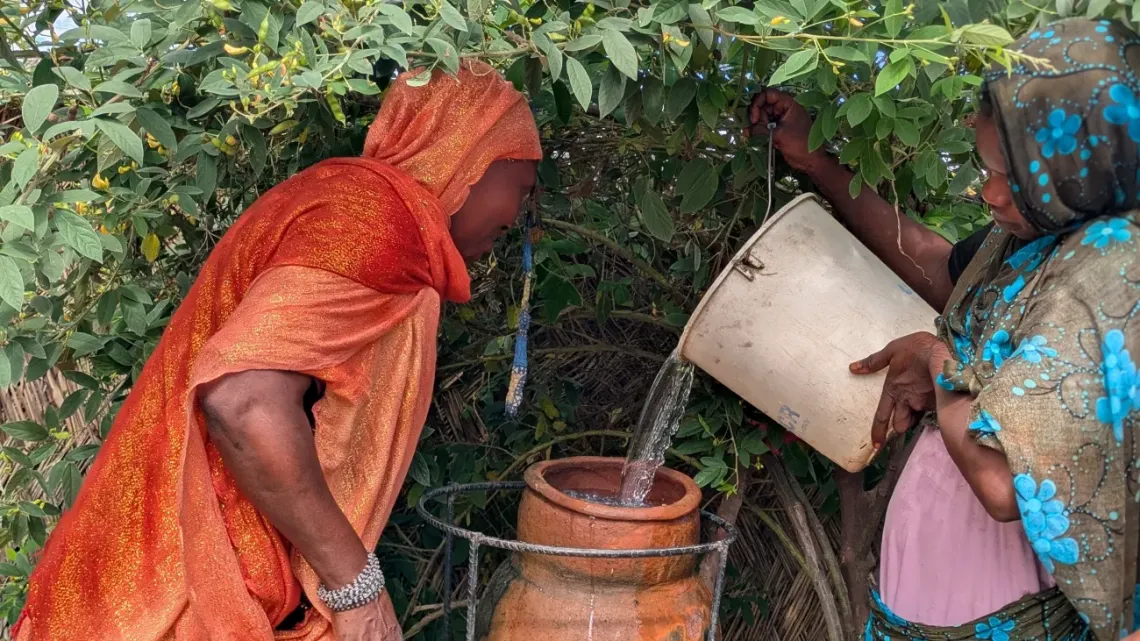
Khadija Sherif, 40, and Zeneba Ahmed, 44, are sisters. “We used to live in Nyala, but when the war broke out, in 2023, we had no choice but run away,” says Zeneba. “My husband was killed by armed men and our house was destroyed.” Khadija’s husband went missing at around the same time. “We never heard from him ever since and we feel very sad,” she says.
Each has four children. They live together in the same compound, which they take pride in keeping clean and tidy. In one corner, beneath the generous shade of shrubs they have planted, they keep the earthen pot as carefully as a treasured possession.
“In our culture, we always keep cool water in the part of the house where we sit and relax,” explains Khadija. “When you have a visitor, the first thing you do is offer them a mug of cool water to help ease the heat of the day.”
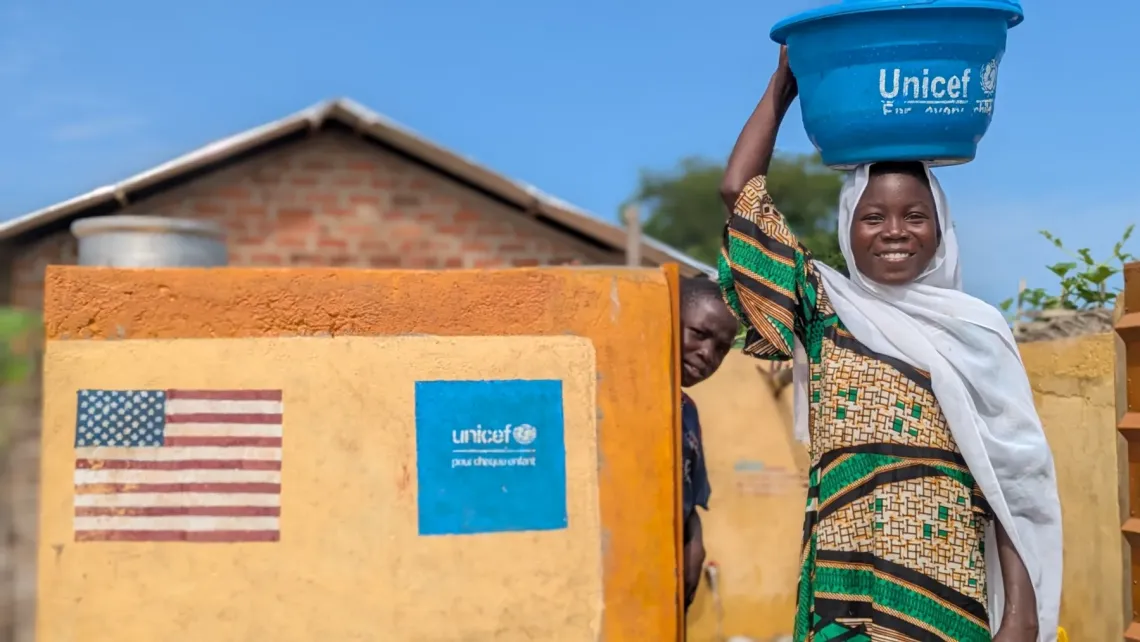
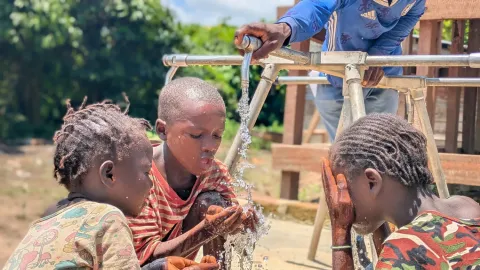
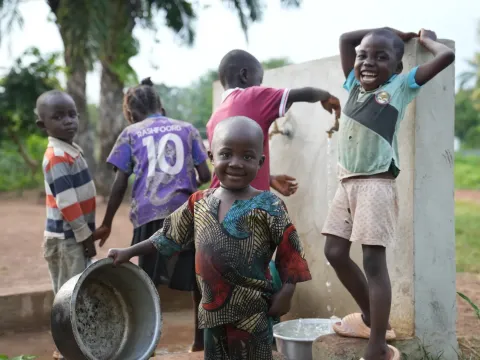
Fourteen-year-old Khadija Assaid helps her parents fetch water from the nearby water fountain in their Korsi “Block 6” neighbourhood. Four water towers supply 12 drinking fountains installed throughout the settlement, making water readily accessible to everyone.
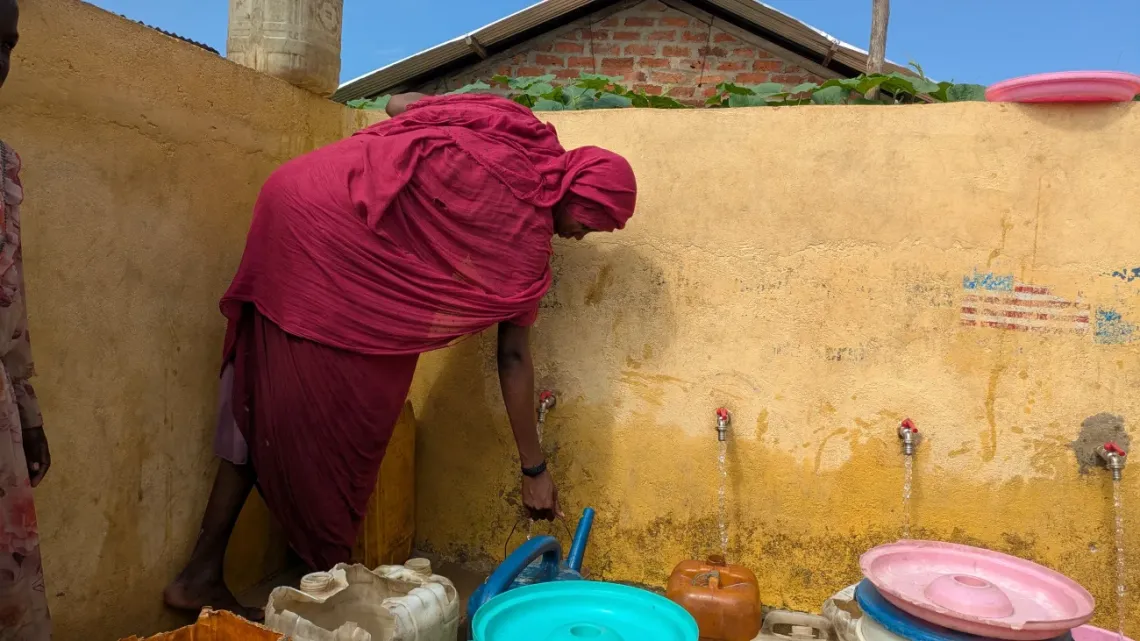
Each fountain has four taps, allowing residents to collect water quickly and efficiently.
“When they installed the new fountains in our neighbourhood, they told us to take off our shoes before entering, to keep the place very clean, and we always do so,” Khadija explains.
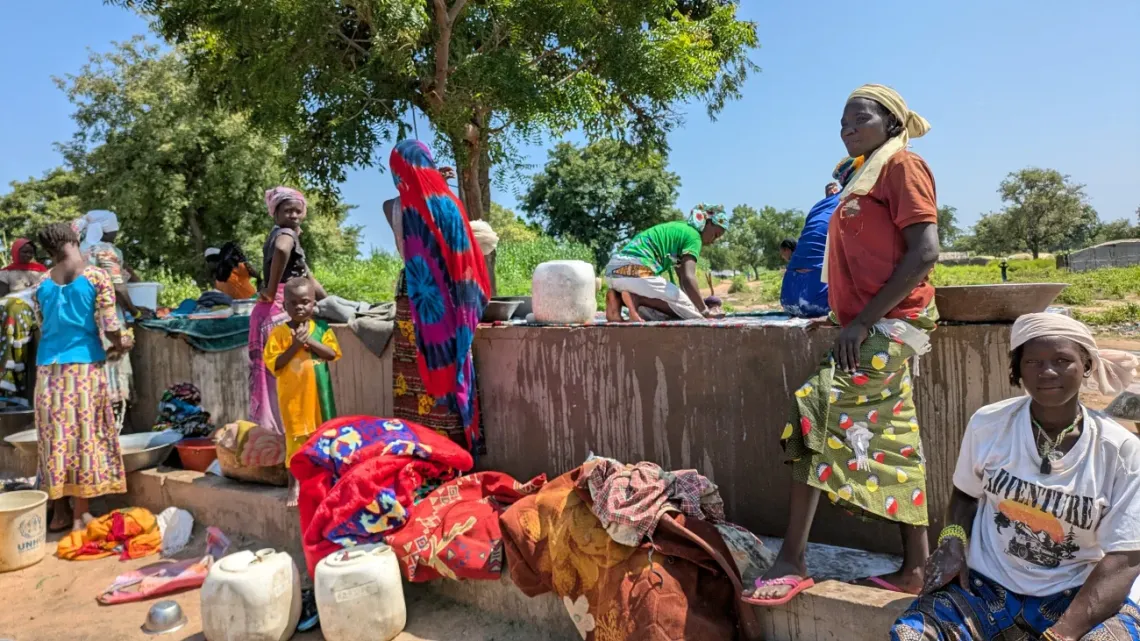
Alongside several water collection points, dedicated washing areas have been established where residents of Korsi can comfortably wash their clothes. Saturday mornings are when most people come to do their washing, turning the activity into an opportunity to catch up with neighbours, share stories from the week, and socialize with members of the community.
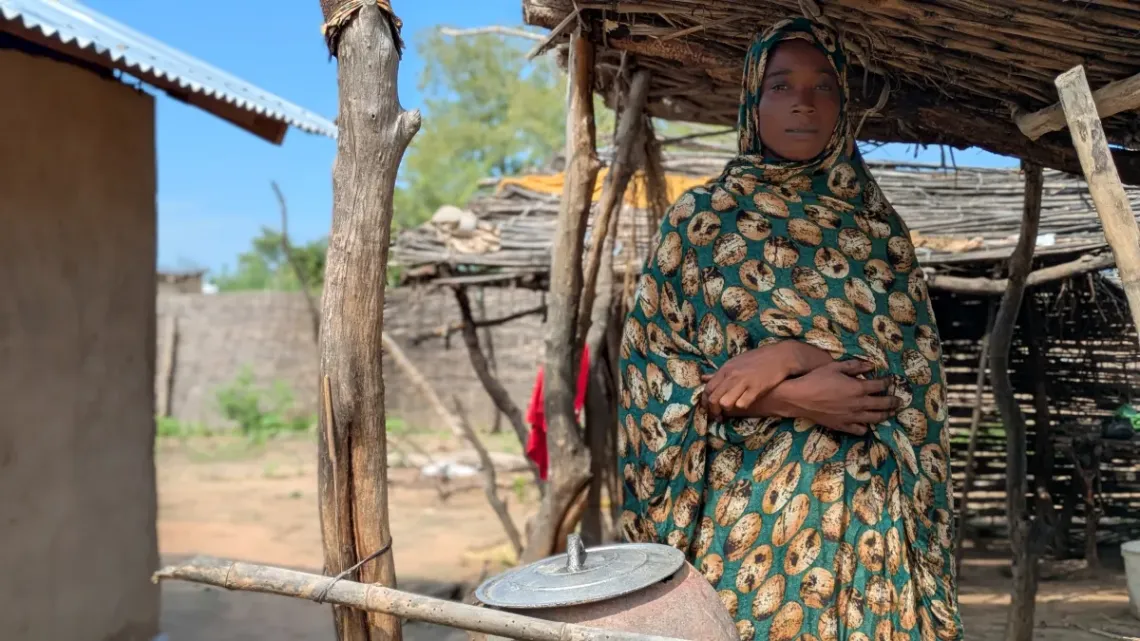
Salwa Kamish, 22, was in her first year at university in Nyala when the war disrupted her plans to become a teacher. Today, she chairs the management committee for the water fountain in her Block 5 neighbourhood. The five-member committee includes three women.
“We are elected by the community, and the fact that most of us are women means that people know we manage resources better than men, especially water, which gives us life. We clean the facility twice a week, collect money for repairs, ensure that people maintain hygiene standards, and lock up the facility at night.”
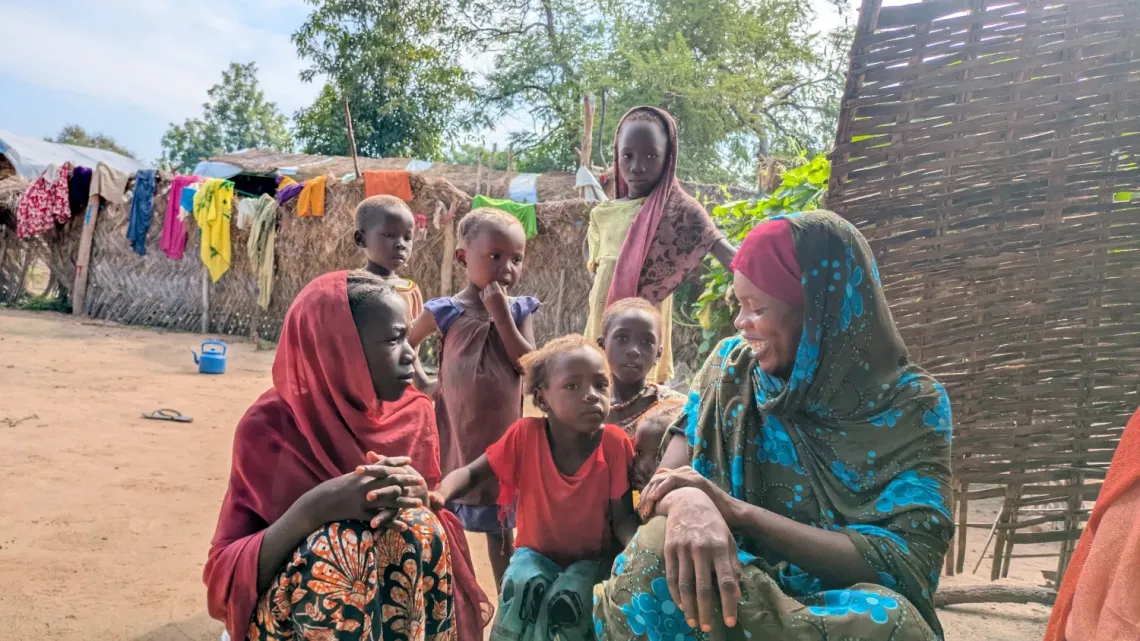
After returning from fetching water, Khadija Shewrif enjoys a moment of rest with her children.
“I’m very happy because we have water right next to our house. We can keep things clean, cook and quench our thirst, and there are no illnesses. We often go to the town of Korsi to the market, and people from Korsi also come to the countryside, where we have a large market. That’s how good relationships are built.”
Her main concern now is knowing when they will be able to return to Sudan. “We want to go back home when there is peace, but we don’t know when that will happen.”