From vaccine scepticism to acceptance
Although most people in the Central African Republic recognise the benefits of vaccines, a small minority can sometimes have hesitations. UNICEF and its partners are working to challenge misconceptions and misinformation.
- English
- Français
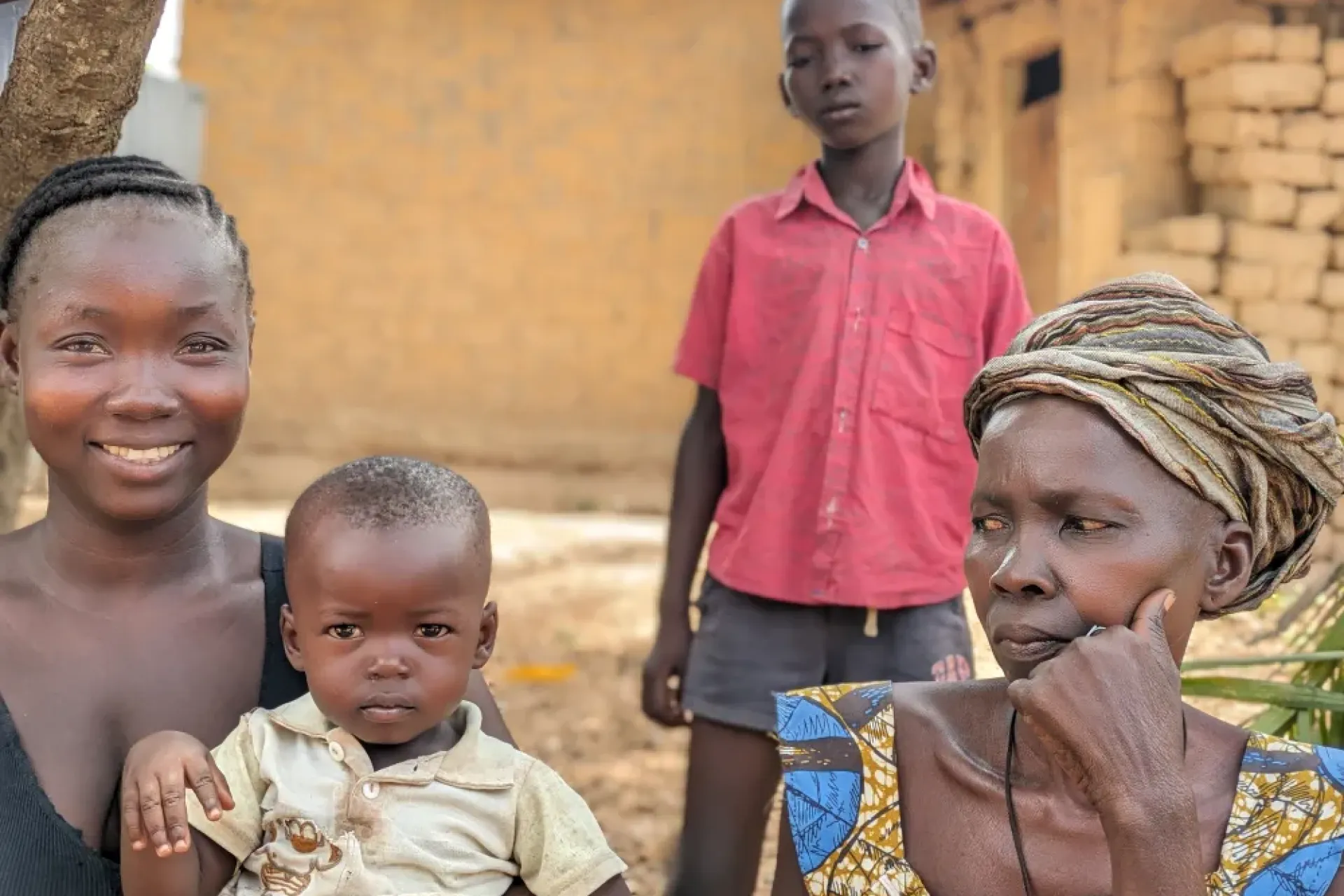
For Marie Louise Yassimandi, her first two children had never had any problems whatsoever with their vaccinations. Now aged 10 and 8, they have completed the full course of vaccinations and have grown up in good health.
But things turned out differently with her youngest child, Moïse, now 20 months old. After he was vaccinated during the previous polio vaccination campaign, Marie Louise became worried.
“My child had a fever and diarrhoea, and I was suddenly overcome with fear. Some relatives told me it was because of the vaccine. For a while, I believed them, so when it came time to give him another dose, I refused. So his grandmother took care of it.”
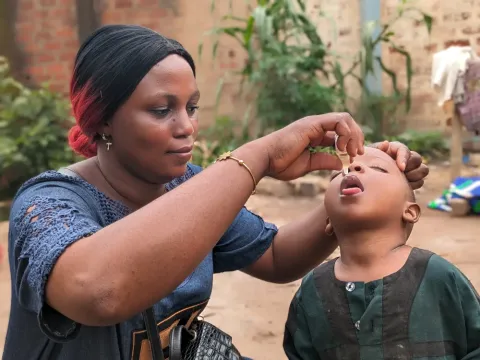
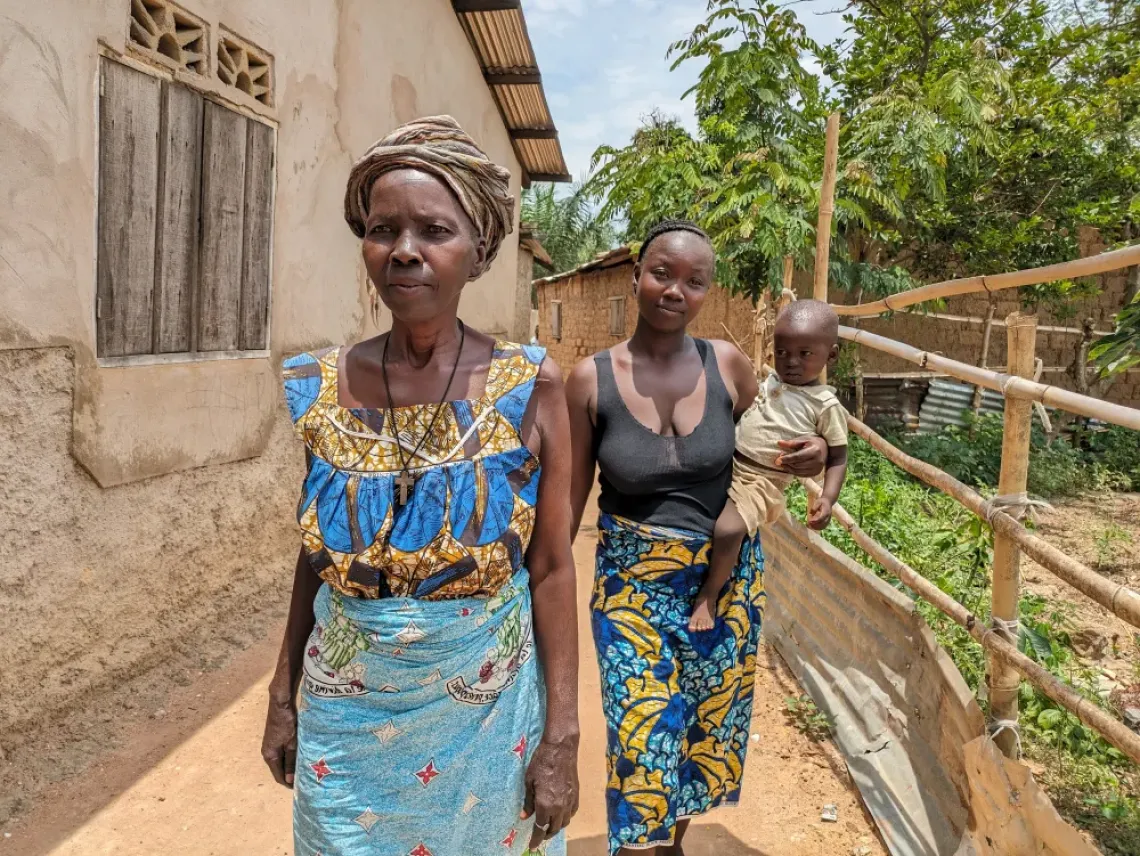
Marie Louise lives with her three children and their grandmother in Yongoro, a bustling neighbourhood in Bangui’s 7th arrondissement. A few days ago, during the national polio vaccination campaign in the Central African Republic, teams of volunteer vaccinators began going door-to-door to administer the vaccine to children aged between 0 and 59 months.
When they met Marie Louise, who refused to have little Moïse vaccinated, the volunteers followed the procedure and reported the case to their supervisors at the Kassaï health centre and subsequently to the Bangui 1 health district.
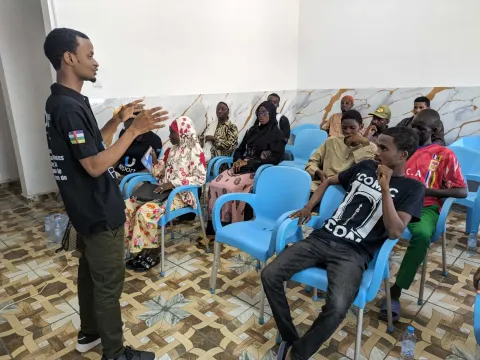
“The supervisors then contacted our Social and Behaviour Change unit, the section of UNICEF responsible for promoting social and behavioural change,” explains Crepin Ngassa, a member of the campaign’s national supervision team. “In support of the team of supervisors from the Bangui 1 health district, we went to meet the mother. Even one unvaccinated child is one too many. Swift action can make the difference between a healthy child and one who will suffer a lifelong disability — or worse still.”
Following lengthy discussions, Marie Louise agreed to have her child vaccinated. After the vaccine had been administered, Dr Bruno Aholoukpe, Head of the Health and Nutrition Section at UNICEF, who was part of the team, examined little Moïse and suggested to his mother that they take him to the health centre for some tests. There, he underwent a malaria screening test and the result came back positive. At that moment, she realised what had actually happened:
“When I saw with my own eyes that my child had malaria, I realised that it wasn’t necessarily the vaccine that had caused his fever and diarrhoea last time. He was treated and made a quick recovery. Now, I no longer have any fears about vaccines.”
Moses isn’t even two years old yet, but his mother is already thinking about his future:
“I want him to go to school, just like his brother and sister. Once he’s had all his vaccines, I know he’ll be well protected against many diseases.”
Through close coordination between the Ministry of Health and Population and partners, working closely with communities, hesitancy is diminishing, reassuring parents and caregivers about the life-saving impact of vaccines to prevent disease.
In 2025, 2.5 million children from 0 to 5 years of age received the polio vaccine in CAR, according to UNICEF’s data. This year’s campaign is expected to reach out to the same number of children, thanks to a joint effort from the Ministry of Health and Population, UNICEF, OMS, with funding from donors of the Global Polio Eradication Initiative, which includes Gavi the Vaccine Alliance, the Atlanta CDC and Rotary International.