An unprecedented community mobilization for public health in Ngamboula
In Mandjou, PETVISIDAME has sparked strong community action. Backed by Cameroon and IsDB, it mobilized 10,000+ people on HIV, health, nutrition, and hygiene through a multisectoral approach.

- English
- Français
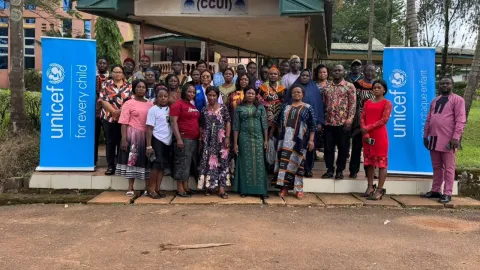
On Monday, May 26, 2025, an attentive crowd gathers in front of the Ngamboula village chiefdom, in the Mandjou municipality. Plastic chairs are lined up under the open sky, and on the veranda, community leaders, both young and old, engage in discussion. At first glance, the scene may seem ordinary, yet it reflects a powerful movement: a community taking ownership of its health, inspired by the PETVISIDAME project.
At the heart of this mobilisation are over 150 peer educators, youth, women, and people living with disabilities trained and deployed across more than 20 health areas. These young health ambassadors have led community dialogues, listening clubs, home visits, and sociocultural activities, reaching all segments of society, from adolescents to traditional chiefs.
“We prioritise community dialogue because it involves everyone, community leaders, elders, parents, and youth. That’s how real issues emerge and lasting solutions are built,”

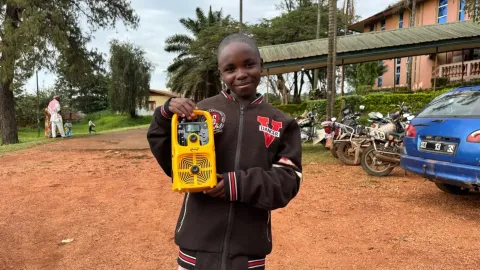
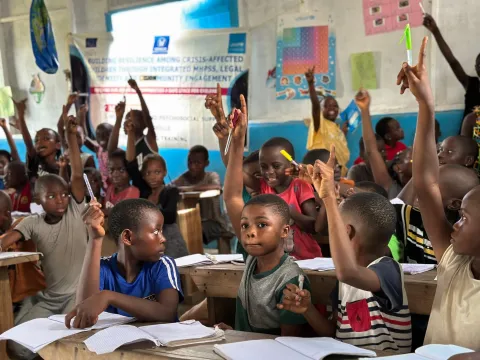
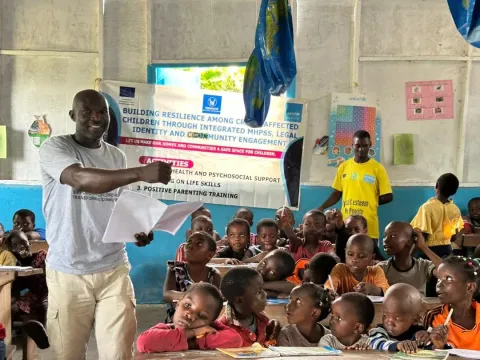
The results are impressive: the initial target of 6,000 people was far exceeded, reaching 10,325 beneficiaries. The most engaging topics were HIV prevention, prenatal consultations, and birth registration. In schools, the impact was even more significant thanks to the structured organisation and discipline of the students. Communities are now calling for more visual tools and training to strengthen their autonomy.
“Communication is more effective when it comes from a community member. That’s why we must continue to train and support these young leaders,”

Beyond the numbers, the PETVISIDAME project embodies a vision: one where health issues are championed by the communities themselves. By mobilising youth, involving traditional leaders, and building bridges across sectors, the project contributes to UNICEF’s Key Results for Children (KRCs), particularly in survival, education, and protection. It also aligns with the Sustainable Development Goals (SDGs), especially those related to health (SDG 3), education (SDG 4), gender equality (SDG 5), and partnerships (SDG 17).
The PETVISIDAME project is supported by the valuable Lives and Livelihoods Fund (LLF), a $2.5 billion development initiative launched in 2016. Financed by an unprecedented global coalition, this fund includes the Abu Dhabi Fund for Development (ADFD), the Bill & Melinda Gates Foundation (BMGF), the Islamic Development Bank (IsDB), the Islamic Solidarity Fund for Development (ISFD), the King Salman Humanitarian Aid and Relief Centre (KSRelief) and the Qatar Fund for Development (QFFD). These organisations are committed to lifting the poorest out of poverty in 33 IsDB member countries by addressing nine Sustainable Development Goals (SDGs) through projects in health, agriculture and basic infrastructure. We would like to express our deepest gratitude to these partners for their invaluable support.