From fear to hope: how MHPSS is helping children heal and learn again in Yoke, Muyuka
In Cameroon’s crisis-affected South-West, mental health and psychosocial support help children regain confidence, reconnect with learning and rediscover childhood.

For years, the ongoing crisis in Cameroon’s North West and South West regions has disrupted children’s lives, exposing many to fear, displacement, school closures, and emotional distress. In the Yoke community in Muyuka Subdivision, South West Region, many children were left without safe learning opportunities and struggled silently with the emotional impact of the crisis.
At the UNICEF-supported Temporary Learning Space (TLS) in Yoke, however, children are beginning to heal through structured Mental Health and Psychosocial Support (MHPSS) activities integrated into learning and recreation. Through play, life skills sessions, peer interaction, and psychosocial support, children are slowly rebuilding confidence and a sense of normalcy.
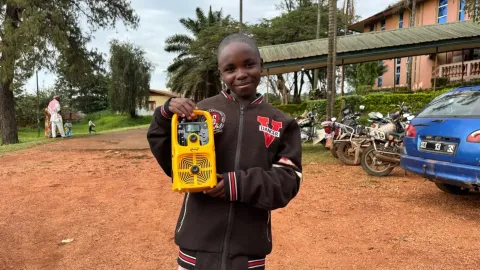
Emile (10 years old) is one of many children beginning to rebuild not only his learning, but also his emotional well-being. Sitting among his classmates during a life skills session, he smiles with quiet confidence.
“I enjoy reading, life skills, and playing with my friends. Before, because of insecurity, we could not go to school or even play freely. Now I feel happy coming here. I am learning how to understand my feelings and stay calm. I want to become an engineer in the future.”
— Emile, pupil
Like many children in his community, Emile experienced years of disrupted routines and isolation. Beyond the loss of education, this deeply affected children’s ability to express emotions, manage stress, and feel secure.

For Grace, the Temporary Learning Space (TLS) became more than just a classroom—it became a place of emotional healing and self-discovery.
“When I was staying at home, I felt sad and worried because I could not go to school or play. Now, during life skills sessions, I am learning how to talk about my feelings and feel better. The games and discussions help me feel safe and happy.”
— Grace, pupil
Through structured activities such as storytelling, group discussions, and guided play, children are supported to recognise their emotions, manage anxiety, and build self-confidence. They also learn how to support one another, strengthening empathy and positive relationships.
For 10-year-old Uche Edual, these changes have been life-changing.
“Before I came here, I was very shy and could not talk to others. Now I can play, talk, and even help my friends when they feel sad. I feel more confident.”
— Uche Edual, pupil

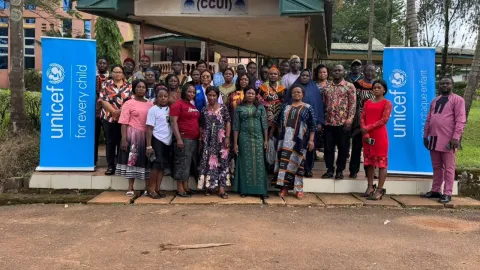
Behind these transformations are trained facilitators like Mr. Agbor Otto, who play a key role in nurturing children’s emotional well-being.
“There are many challenges affecting children because of the crisis. Some arrived withdrawn, unable to express themselves or manage their emotions. Through the MHPSS training, we learned how to help children understand their feelings, calm themselves, and gradually open up. We also guide them to support each other and build confidence.”
— Mr. Agbor, TLS facilitator
Equipped with skills in psychological first aid, emotional support, and referral pathways, facilitators can identify children in distress and connect them to specialized services when needed.
According to Mr. Agbor, the change is visible:
“Many children who were once fearful and silent are now able to express themselves, manage their emotions, and participate actively. They are more confident and engaged, both in learning and in their relationships.”
— Mr. Agbor, TLS facilitator
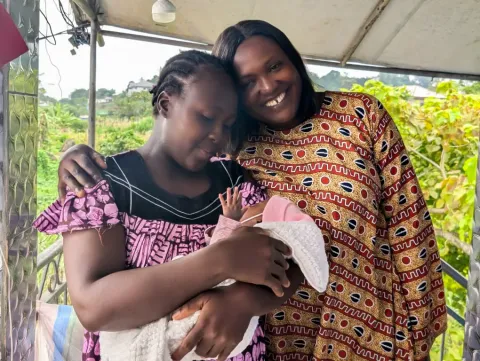
For Ma Ernestine, a mother whose daughter attends the Temporary Learning Space (TLS) in Yoke, the impact of psychosocial support activities has been visible not only in the classroom, but also at home. She explains how children who once struggled with fear and discouragement are gradually rebuilding their confidence and emotional wellbeing.
“Before, many children were discouraged and anxious. Now, they are more confident and hopeful. Some even teach us what they have learned about emotions and how to stay calm. They are growing stronger inside.”
— Ma Ernestine, parent

This support is made possible through the generous contribution of the European Union Humanitarian Aid, in partnership with UNICEF and implementing partner TeenAlive, who continue to provide safe learning and psychosocial support services for children affected by the crisis. In the North West and South West regions of Cameroon, UNICEF and its partners reached 56,523 children, adolescents, parents, and guardians through community-based Mental Health and Psychosocial Support (MHPSS) activities implemented in schools and Temporary Learning Spaces (TLS). The intervention supported 18,400 boys and 21,618 girls, helping to strengthen emotional well-being, resilience, and positive learning outcomes for crisis-affected communities, including 607 children with disabilities.
As the crisis continues to affect children’s emotional well-being in often invisible ways, there is an urgent need for sustained support and investment in Mental Health and Psychosocial Support services to help children heal, recover, and rebuild their futures with dignity and hope.
Through integrated Mental Health and Psychosocial Support, UNICEF and its partners are helping children not only return to learning, but also heal emotionally, build resilience, and develop the skills to cope with challenges and support others.
Because in times of crisis, helping children learn is not enough—
They must also be supported to understand themselves, believe in their worth, and rediscover hope.
For every child, a chance to heal, grow, and thrive.