In Cameroon, adolescent girls are rewriting their future through mentorship
In Cameroon, mentorship is helping adolescent girls build confidence, claim their rights, and shape their future
- English
- Français
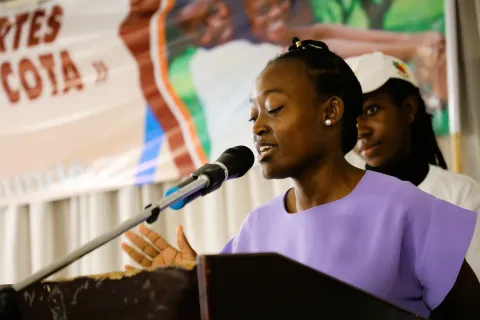
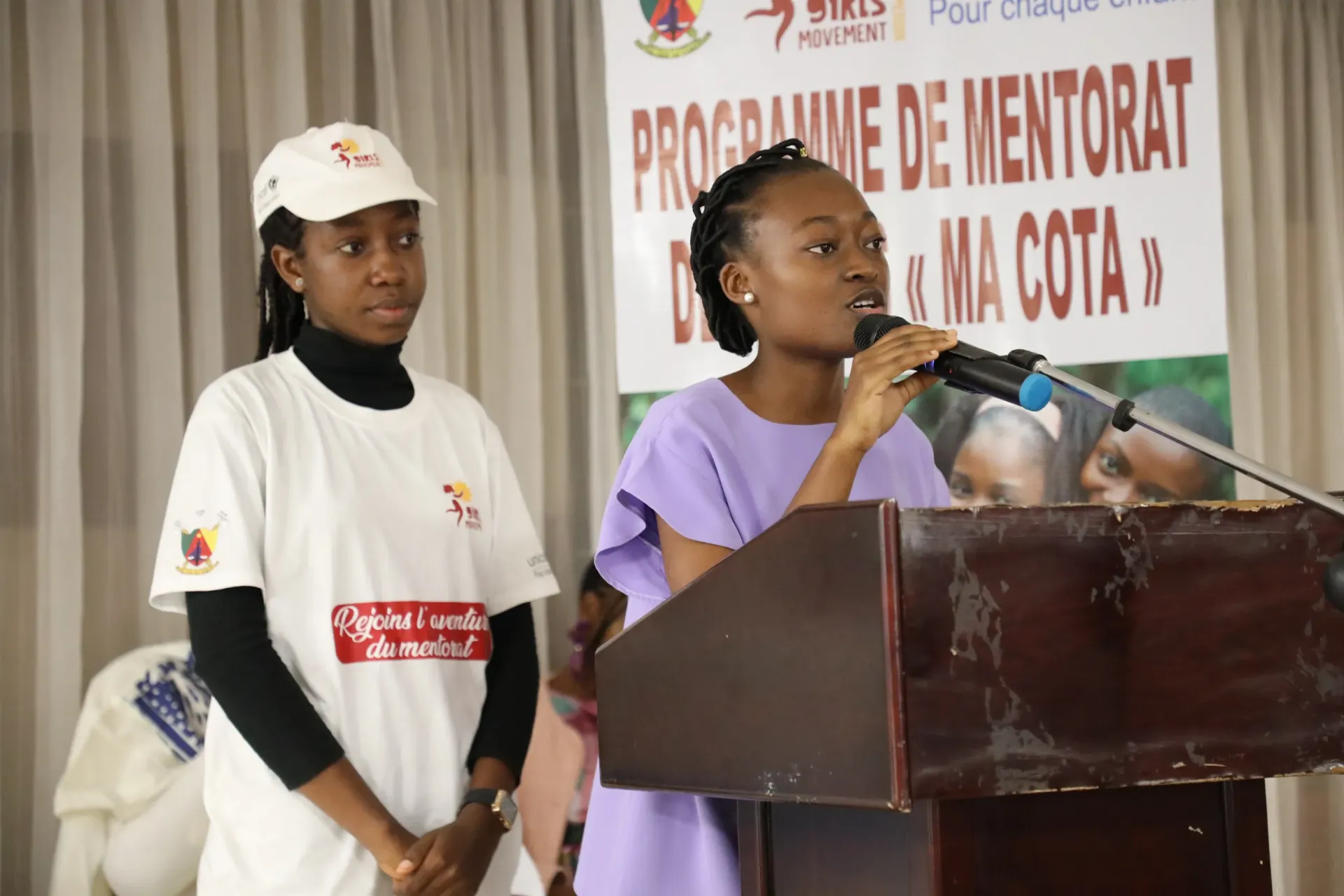
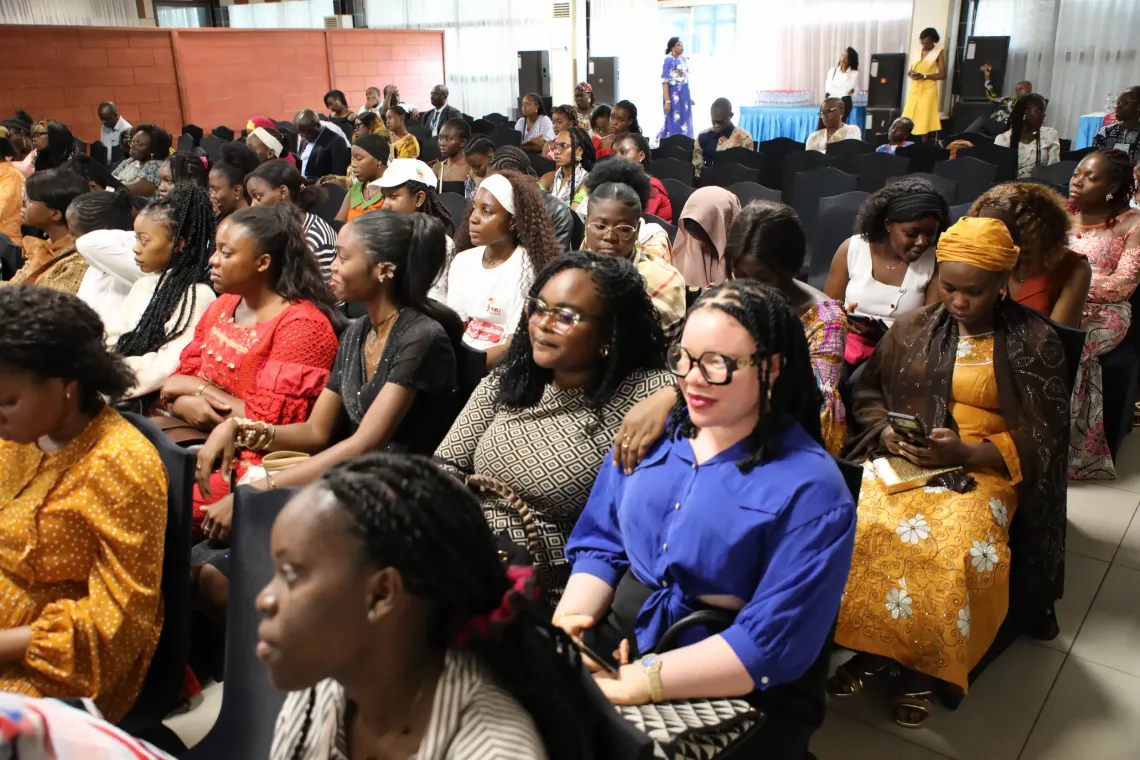
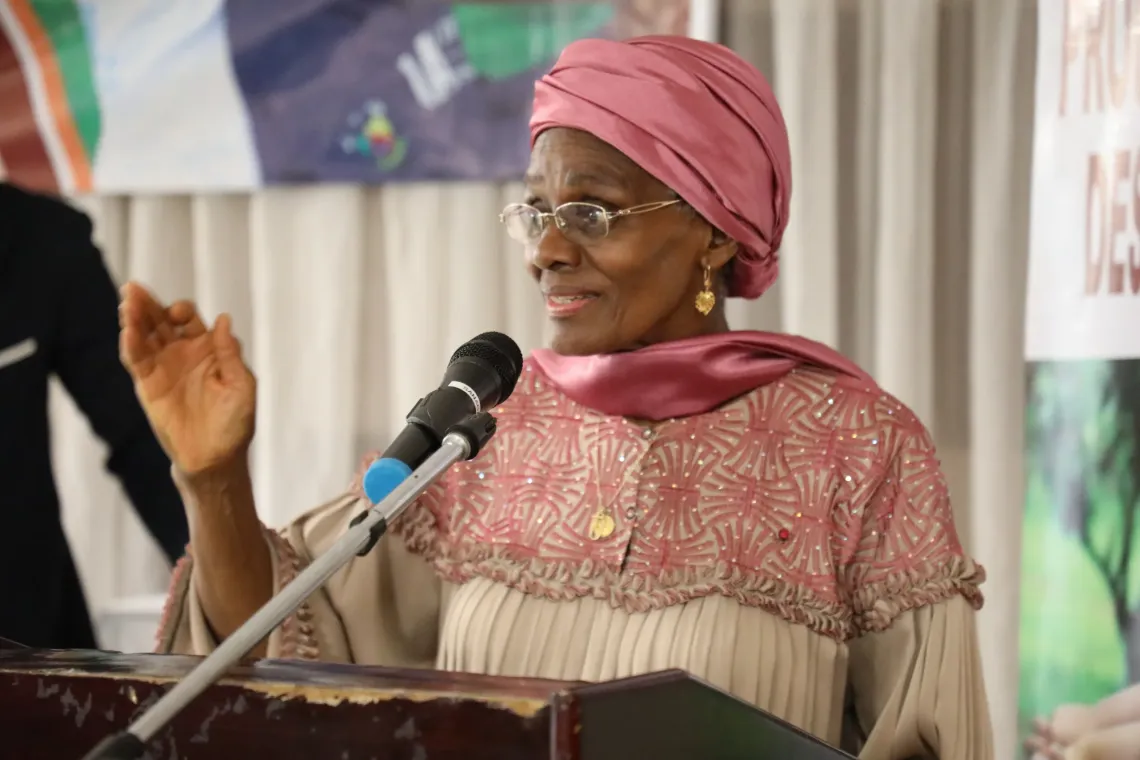
In Yaoundé, the room hosting the event echoes with voices, slam poetry, and applause. On stage, young girls speak with confidence. Some share their dreams. Others talk about the obstacles they have learned to overcome. All celebrate the same milestone: the closing ceremony of the first two cohorts of the MA COTA mentorship programme, an initiative led by the Ministry for the Promotion of Women and the Family (MINPROFF) with the support of UNICEF Cameroon.
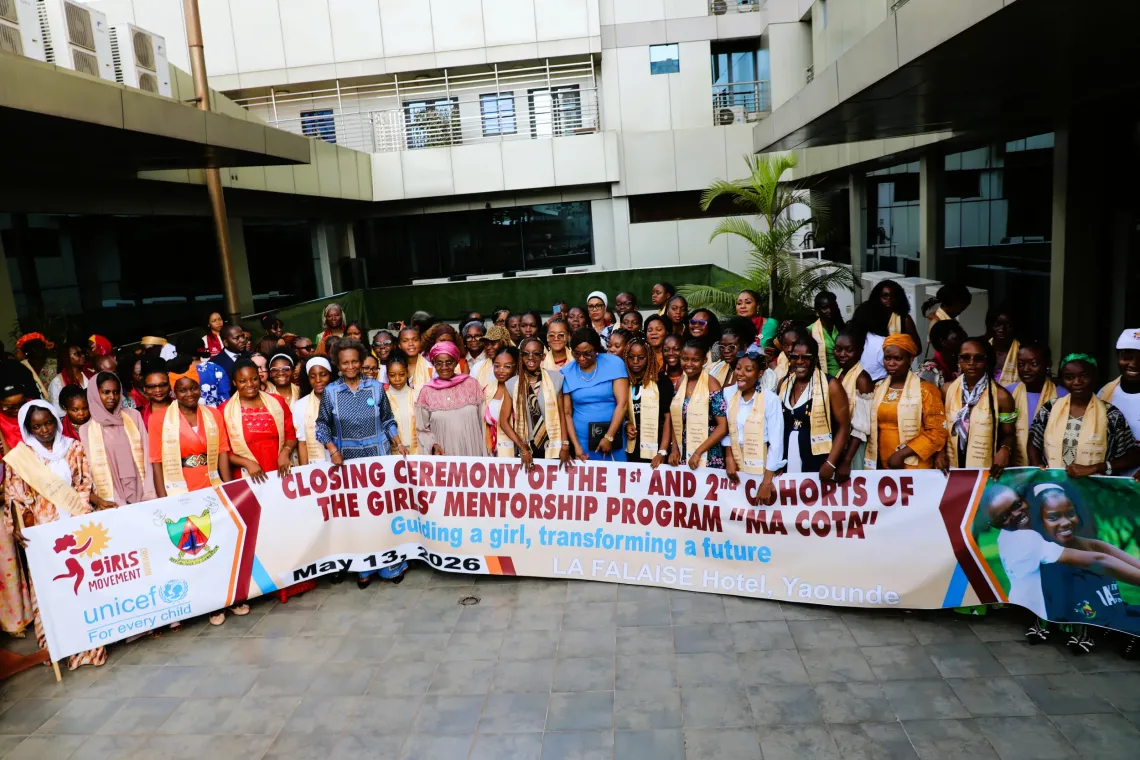
Nearly 80 adolescent girls and their mentors gathered on May 13, 2026, to mark the end of several months of guidance, listening, and intergenerational exchange. Beyond a ceremony, the event highlighted journeys that have been truly transformed.
In Cameroon, many girls still face challenges that undermine their rights and opportunities. One in three girls is married before the age of 18, while many drop out of secondary school before completing their education. Gender-based violence and harmful social norms also continue to affect their well-being, confidence, and future.
It is in this context that the MA COTA programme was created, with a clear ambition: to provide adolescent girls with safe spaces where they can be heard, supported, and encouraged to believe in their potential.
“Before MA COTA, I thought my voice didn’t matter. Today, I know it can make a difference,” says a mentee from the first cohort.
Before MA COTA, I thought my voice didn’t matter. Today, I know it can make a difference
Over the months, participants strengthened their knowledge of their rights, developed leadership skills, and learned to turn doubt into confidence. Through exchanges with their mentors, they gained skills to express themselves more effectively, make decisions, and envision their future with greater assurance.
For one of the young participants, the programme marked a real turning point. “Before joining the programme, I was a young girl who doubted almost everything, especially my abilities and my voice,” she explains. Thanks to the mentorship she received, she earned a certificate in public speaking and launched her own personal development initiative to help other young people move forward with clarity and confidence. “My mentor didn’t just help me set goals. She helped me discover who I am and what I am capable of achieving,” she adds.
My mentor didn’t just help me set goals. She helped me discover who I am and what I am capable of achieving
The programme is based on a simple yet powerful model: connecting adolescent girls with inspiring women from different professional backgrounds to build relationships based on trust, shared experiences, and learning.
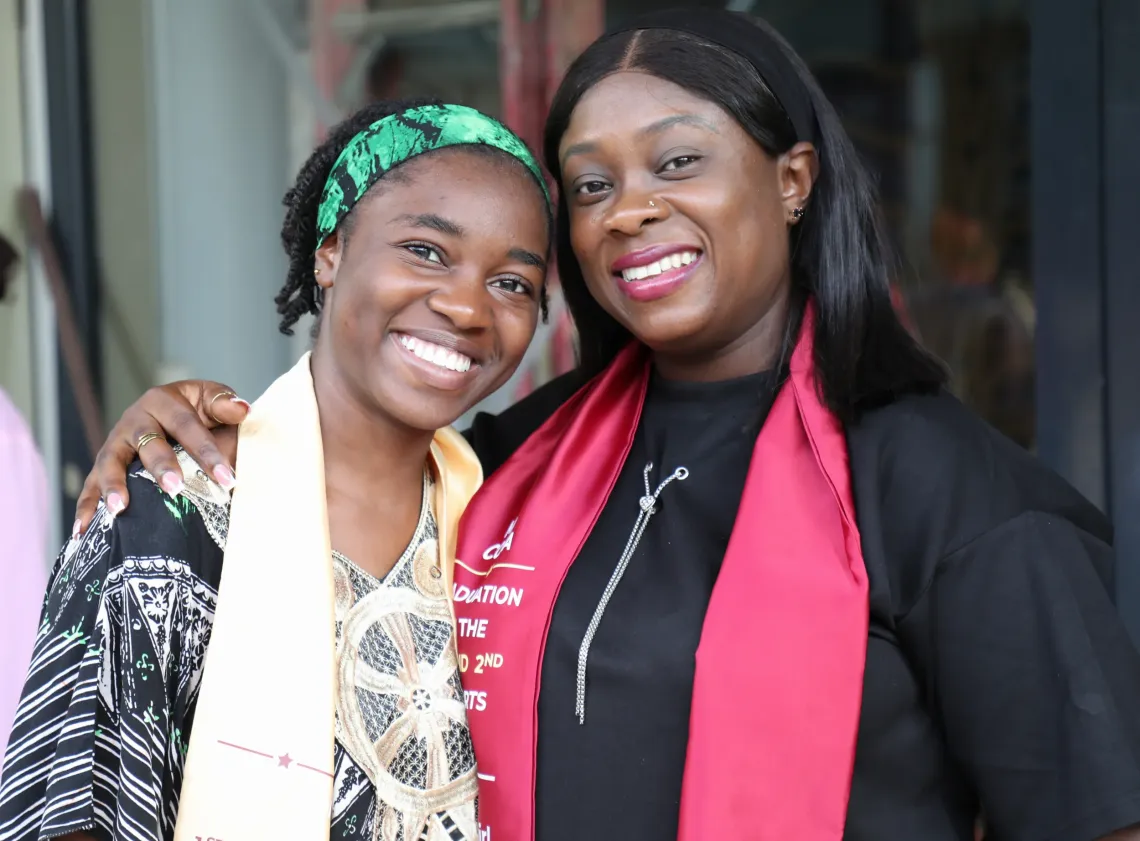
During the ceremony, mentors were also celebrated for their commitment to the girls. “You gave far more than your time. You shared your journeys, your experiences, and your humanity. You have been role models and sources of inspiration for these young girls,” said the UNICEF Representative in Cameroon.
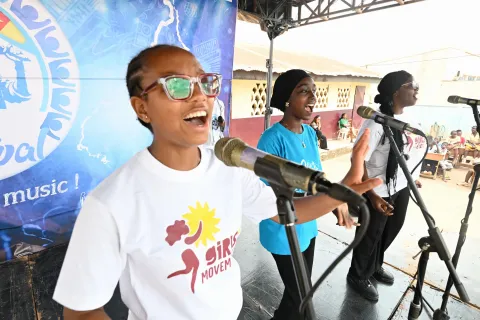
In the presence of several government officials, including the Minister for the Promotion of Women and the Family and the Minister of Social Affairs, the girls performed artistic pieces combining slam poetry and personal testimonies, emotionally illustrating their growth throughout the programme.
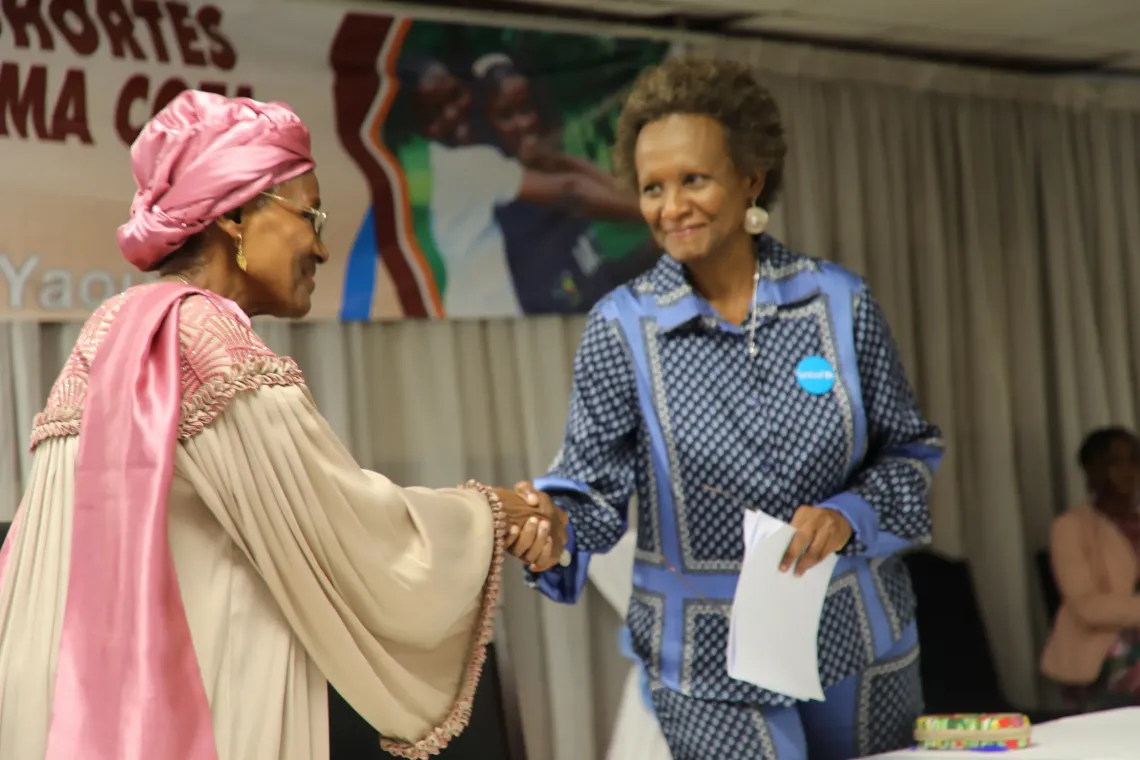
For UNICEF and its partners, this initiative helps promote the rights of adolescent girls, strengthen their empowerment, and create an environment where every girl can reach her full potential.
Behind every speech, every regained smile, and every embraced dream, MA COTA carries the spirit of the Girls’ Movement, a movement that places girls at the heart of change. By creating spaces where adolescent girls can express themselves freely, be heard, and be supported by other women, the initiative helps them recognize their value and their power to act. Because when a girl believes in herself, it is an entire community that begins to imagine a different future.
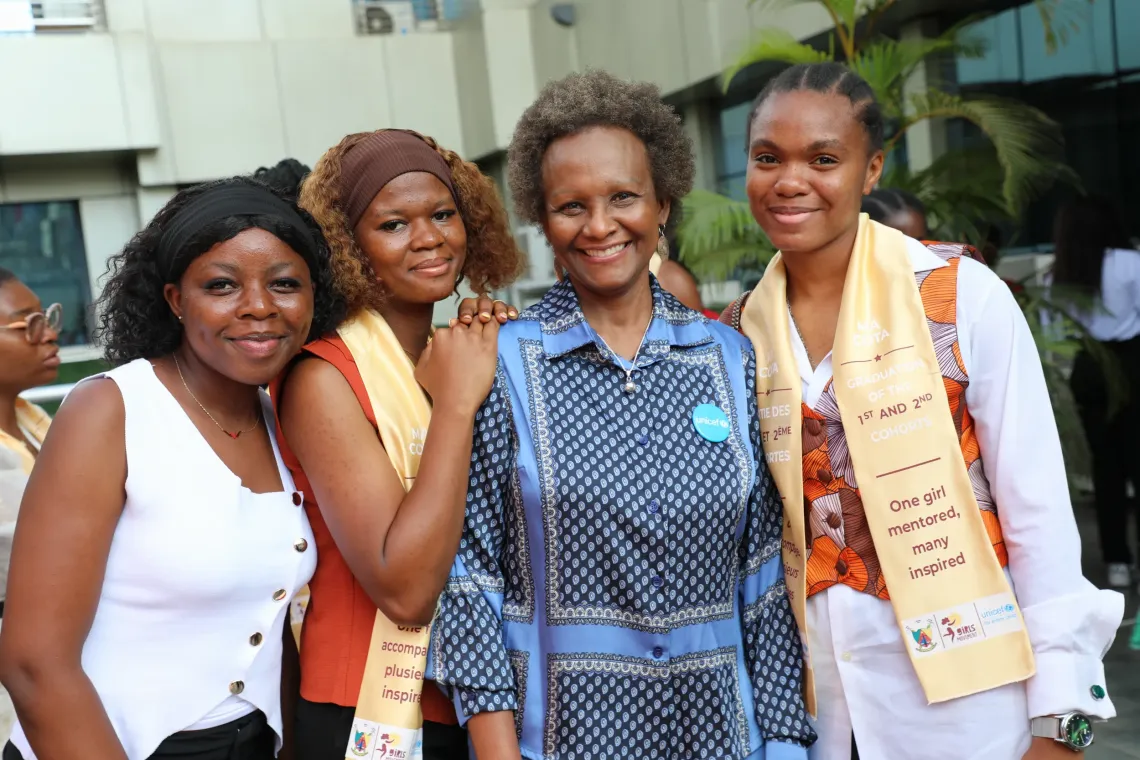
The closing of the first two cohorts therefore marks a new step, not an end. Participants are now encouraged to become role models themselves for other girls in their communities.
Two cohorts. Nearly 80 girls supported. And one shared conviction: when girls have access to positive guidance, inspiring role models, and safe spaces to express themselves, they can become agents of their own future.