U‑Reporters, first responders in Kolofata
When a fire devastates Kolofata and leaves more than 6,000 people without shelter, the U‑Reporters mobilise instantly: issuing alerts, conducting registration, supporting distributions, assisting children and carrying out vital actions on the ground.

- English
- Français
On 7 February 2026, in Kolofata in the Far North region of Cameroon, the day began in fear.
Flames engulfed the internally displaced persons' sites in the blink of an eye.
In just a few hours, nearly 1,000 households lost everything. 6,065 lives suddenly exposed to the elements. Homes reduced to ashes. Cooking pots burnt to a crisp. Memories gone up in smoke.
In this area marked by insecurity, many initially believed it was an attack by Boko Haram.
"I heard the screams. I thought it was another attack. Then I saw the smoke," says Bintou, U-Reporter.
But on that day, the enemy was not armed. It was fire.
When the flames began to consume everything, the U-Reporters in Kolofata reacted immediately. Talake, the U-Report coordinator in Kolofata, immediately alerted the network's WhatsApp group. They then joined the local population to rescue the children, followed by some belongings and livestock.
"The children were crying. The adults were running around with buckets of water trying to put out the fire. It was terrifying to hear the victims screaming."

From the very first hours of the fire, the U-Reporters in Kolofata became fully integrated into the coordinated response by UNICEF and its partners.
"We understood that we had to remain mobilised until the end," explains Abatcha, U Reporter.
For fourteen days, the U Reporters participated in responding to the website, accompanied multisectoral assessment missions, contributed to the census of victims and the identification of people who had lost their identity documents, particularly students sitting examinations.
"Several children lost their birth certificates. They were worried, especially those sitting exams," said a U-Reporter involved in the census.


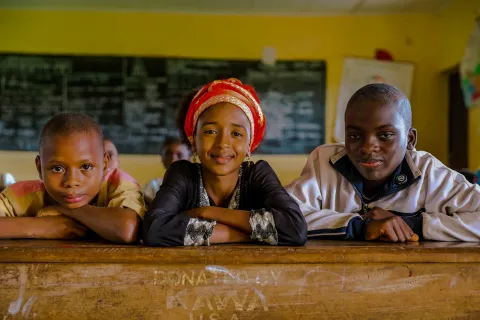
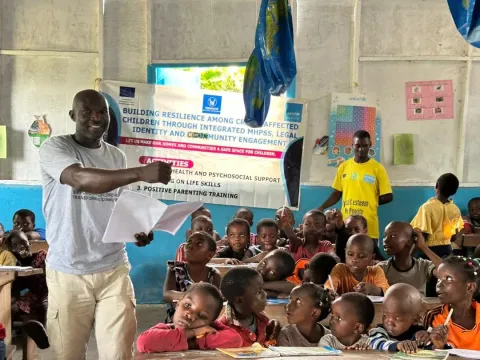
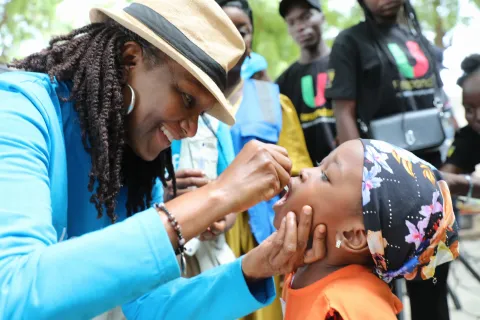
The U-Reporters also helped distribute emergency kits containing mats, sheets, jerry cans, buckets, soap, mosquito nets, children's toys and school kits, in support of UNICEF and its partners. The school kits enabled pupils to return to school. At the same time, they raised awareness among communities and supported polio vaccination for children aged 0 to 5 at various sites, while running Child-Friendly Spaces to provide support for children.
"When you see a child start playing again after losing everything, you know that our commitment is worthwhile," says a U Reporter.
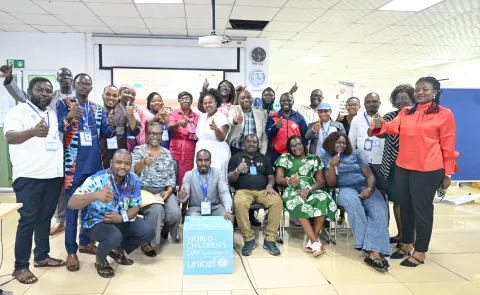
Beyond Kolofata, this mobilisation illustrates the strength of U-Reporter communities throughout Cameroon. Informed, committed and close to the realities on the ground, they play an essential role in relaying alerts, supporting emergency response efforts and assisting populations in the most critical moments. Their ability to mobilise quickly, listen to communities and act alongside humanitarian partners makes them an indispensable link in protecting children and families when unexpected crises arise.
In Kolofata, this dynamic took on its full meaning: through their constant presence on site, their organisational skills and their proximity to the affected populations, the U-Reporters transformed their commitment into concrete actions to help the 6,065 people affected by the tragedy, demonstrating once again the essential impact of their contribution in humanitarian emergencies.