Safe water, brighter futures: Alahlie’s story in northwest Cameroon
Before the borehole, Alahlie’s school and IDP-hosting community faced water scarcity, illness, and hardship. UNICEF’s support brought safe water and relief to children and families.
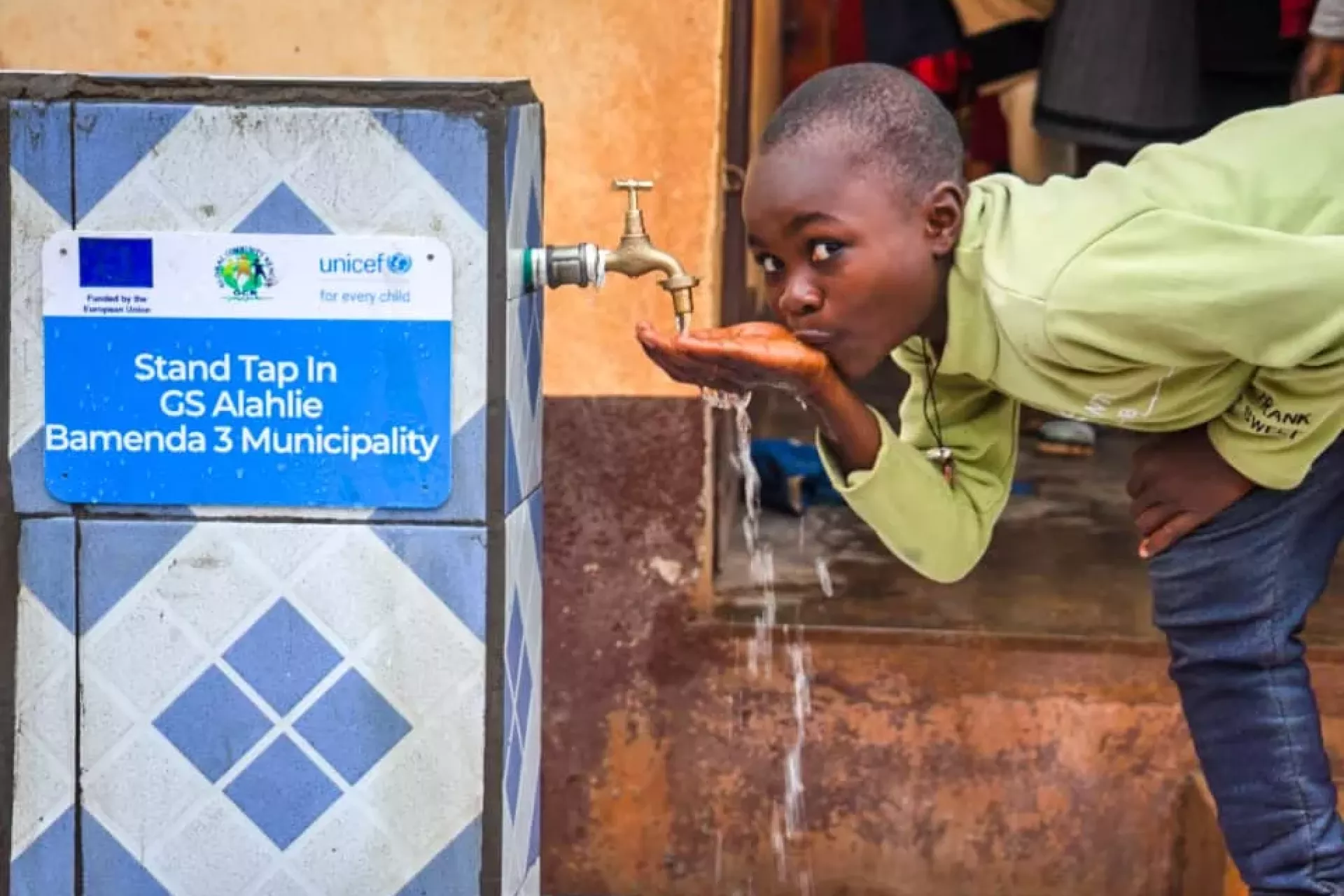
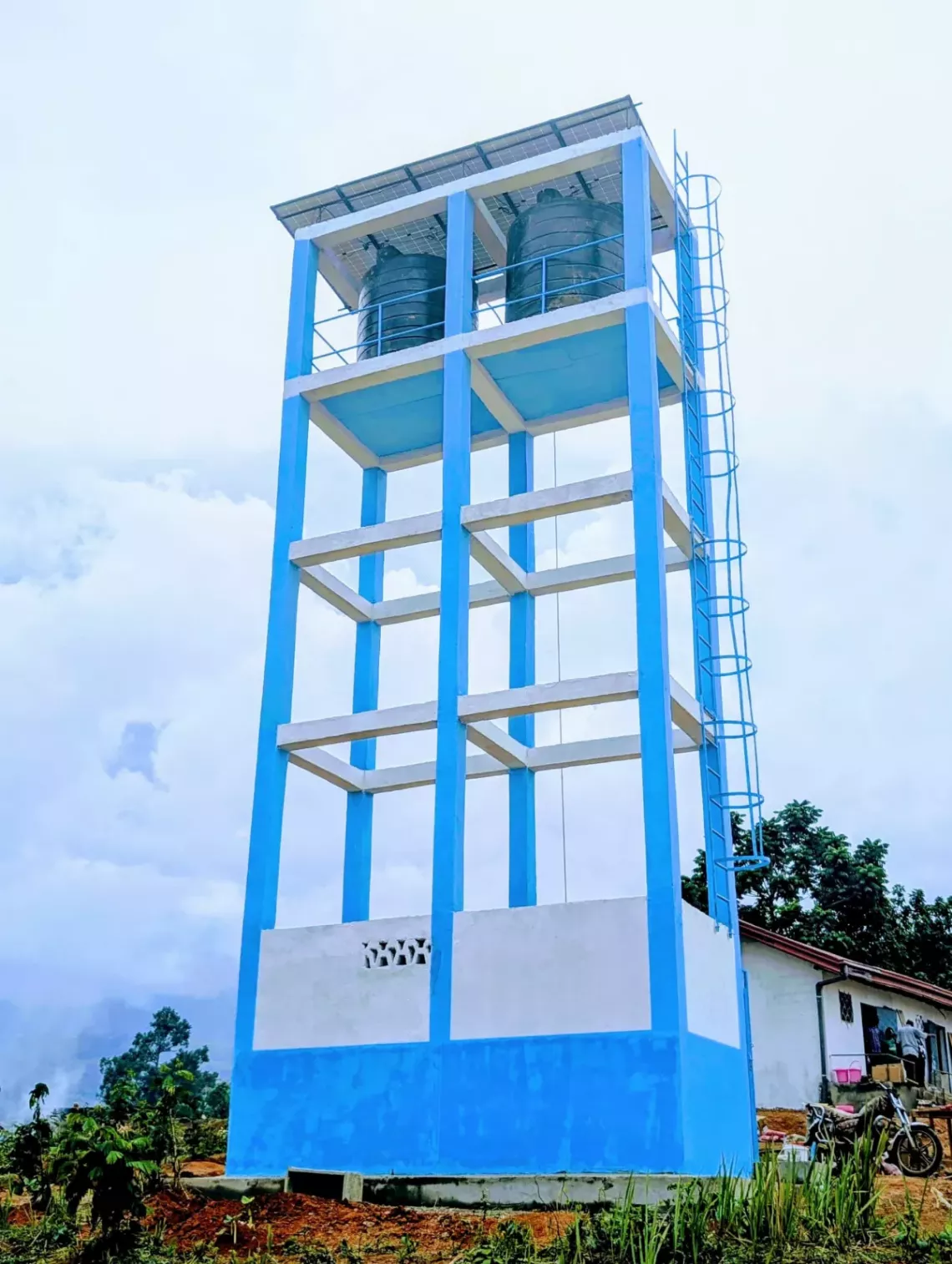
The Northwest Region of Cameroon has been plagued by a devastating crisis, affecting the lives of thousands of people. The conflict has led to severe damage to infrastructure without maintenance, hence a shortage of basic necessities, including clean water, sanitation, and hygiene (WASH) services. The Alahlie community and school have been particularly affected, with children facing serious challenges, including health problems and illness due to the lack of clean water. A huge proportion of the population consists of internally displaced people (IDPs) and host families who continue to bear the brunt of the crisis.
Before the construction of the borehole, the Alahlie community and school struggled to access safe water. An assessment conducted by the WASH Cluster in December 2024 revealed that 69 per cent of schools in the Northwest and Southwest regions lacked a proper, reliable, and affordable drinking water source. Children were often forced to walk long distances to fetch water from contaminated streams and rivers, exposing them to waterborne diseases such as typhoid and cholera. These journeys also put children, particularly girls, at risk of harassment, sexual violence, or attacks along the way. The lack of clean water further affected the school’s hygiene and sanitation conditions, creating a difficult learning environment where classrooms were dusty, and children were unable to wash their hands as required.
The same assessment by the NWSW WASH Cluster showed that only 48 per cent of community water points in the Northwest and Southwest were functional, and 35 per cent of households relied on unimproved sanitation facilities. Children and women remain the most vulnerable segment of this affected population.
The situation was dire.
“We would often have to walk for hours to fetch water from faraway places,” says Bih, a community member and displaced mother. “The water was dirty and contaminated, and we would get sick frequently. It was a big challenge for us.”
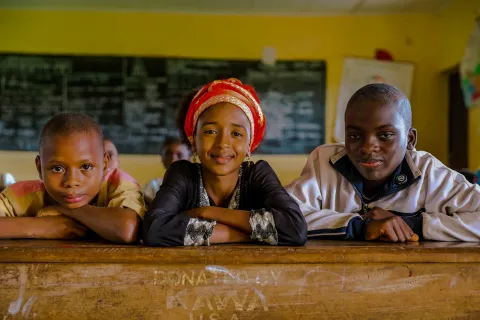
The children faced the same struggles. “We would often miss our classes to fetch water, and the water we got was often dirty,” recalls Anita, a schoolgirl.
With funding from the EU Humanitarian Aid , UNICEF and its implementing partner GCR constructed a solar-powered borehole to serve the Alahlie community and school. The project has brought smiles and relief, providing safe water to thousands of pupils attending the school, as well as host families and displaced populations who had suffered for years without access. This photovoltaic water station is more than just infrastructure; it is a source of health, safety, and dignity.
“The water is clean, and there is enough for our school,” says Ransom, a community member. “Hygiene has greatly improved, and we no longer worry about waterborne diseases. It’s been a blessing for us.”
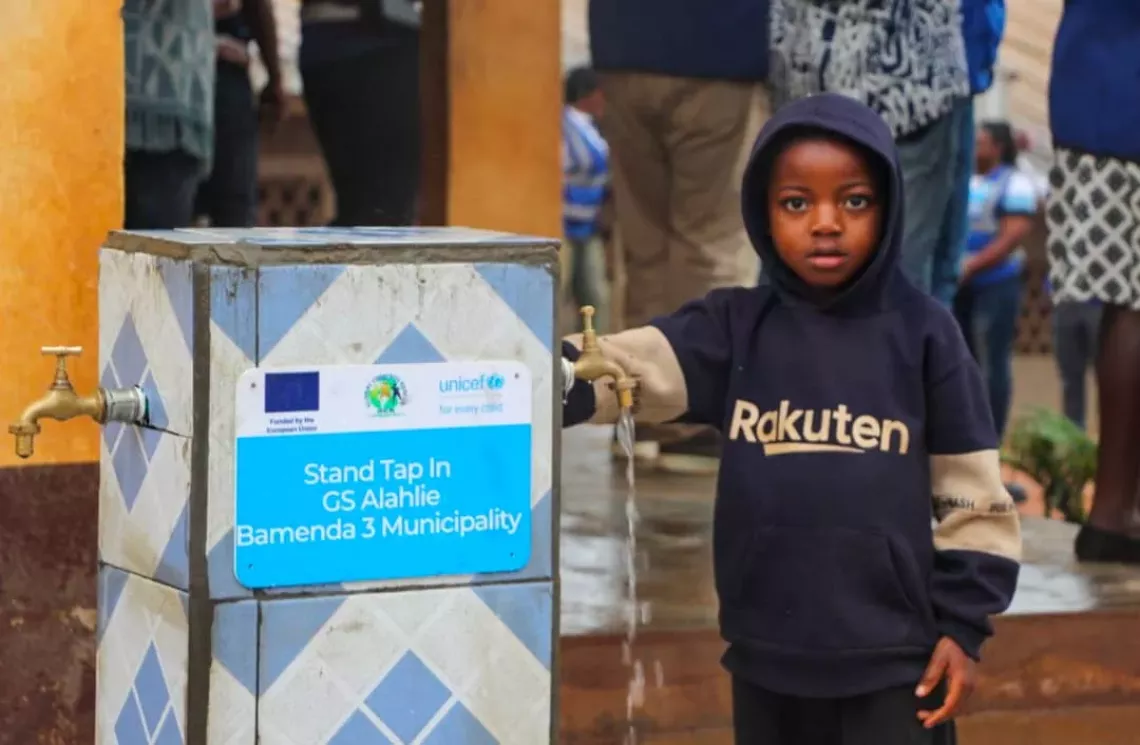
Pupils at the school are also feeling the change.
“Having enough clean water at school means better health for us,” says Emmanuel, a Pupil at Alahlie. “We can now focus on our studies without worrying about getting sick from dirty water.”
The project has delivered multiple benefits: improved health, increased safety, and enhanced dignity for children and families. The community has also committed to maintaining the borehole, through the community water committee, in collaboration with the local councils, to ensure its sustainability, so that future generations can continue to benefit from this life-changing facility, marking the aspect of emergency response and development in the same scheme.
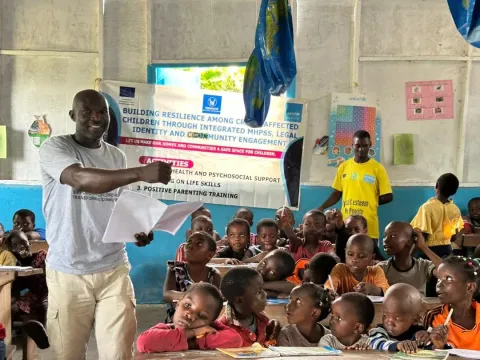
The story of Alahlie does not end here. Across the Northwest and Southwest regions, UNICEF and its partners, including EPDA and GCR, by mid-year, have prioritised access to WASH services for children in schools, Child-Friendly Spaces, and Temporary Learning Spaces, while also supporting wider community needs. Through the construction and rehabilitation of WASH facilities, 2,861 people now enjoy better access to safe sanitation and hygiene infrastructure. In addition, 654 children gained improved access to safe water points, and 39,845 individuals were equipped with key knowledge on good hygiene practices, fostering healthier habits, reducing the spread of disease, and supporting children to stay in school.
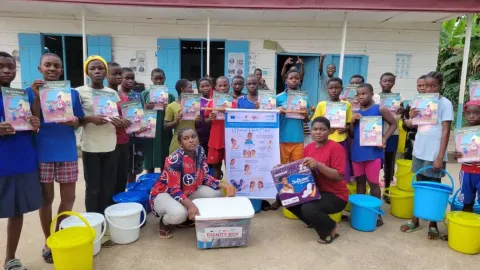
UNICEF also strengthened its engagement on menstrual hygiene management in the two regions through a 28-day awareness campaign. More than 830 people, including adolescent girls, women, boys, and men, were reached with information to promote dignity, reduce stigma, and encourage the use of menstrual hygiene kits.