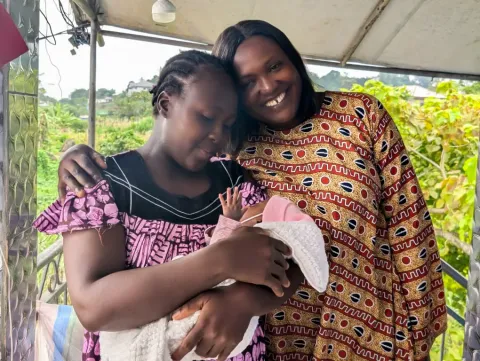
“Light Mothers”: frontline defenders against stunting in Louguerreo, in Cameroon’s Far North.
In Louguerreo, pregnant women and young mothers are learning the foundations of healthy nutrition through the 1000-day program, led by UNICEF and ASGARA with support from the Government of Germany/BMZ through KfW.
- English
- Français
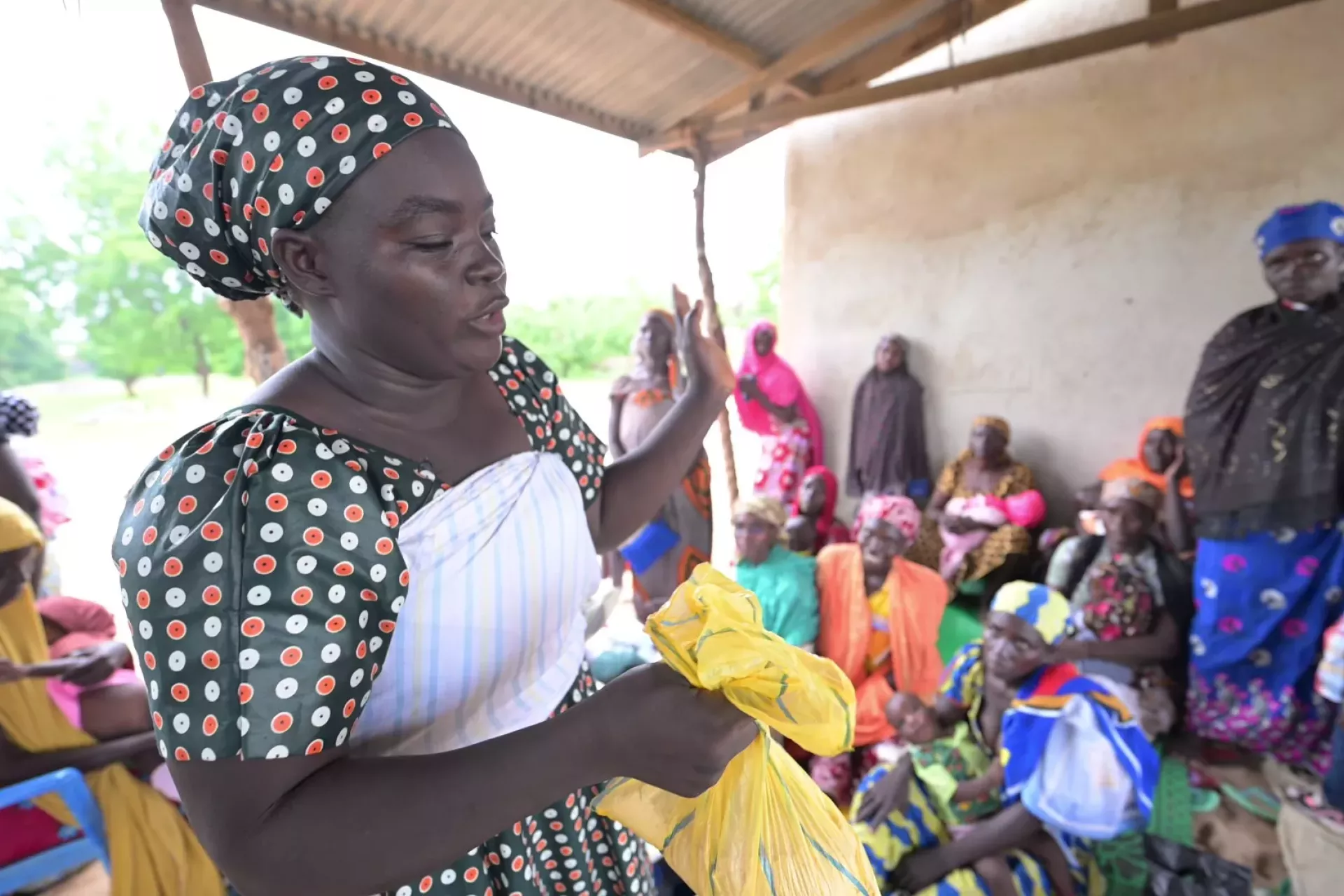
With babies on their backs and armed with umbrellas, 70 mothers braved the mud and drizzle that morning to take part in a cooking demonstration organised by community leaders with financial support from UNICEF and its partners: the Mokong health district and community health workers from the ASGARA association. Sitting side by side on mats under the community shelter, they listened attentively to Sylvie, one of their own, despite the nervous babbling of a few babies. To calm them down, the mothers breastfed their babies regardless of the location. Breastfeeding is now an established practice in the community following several awareness campaigns by UNICEF and its partners on the importance of this food source. Unlike previous sessions led by multi-skilled community health workers, it is Sylvie Adjived, a "light mother", who leads the cooking demonstration in Fufulde, a local language.
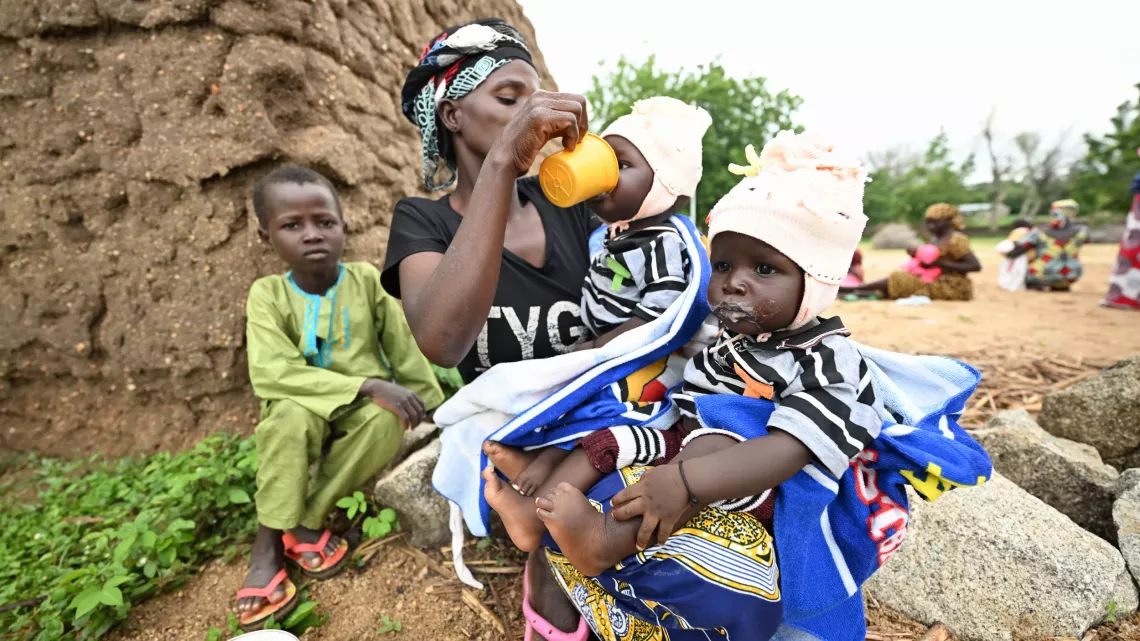
"Who knows what a 5-star porridge is?" she asks her audience, most of whom are curious onlookers like Zakiaya, who came with her twins Assana and Seini. "This porridge provides all the nutrients necessary for our children to grow up healthy. They will be strong and well," she adds.
"I was trained by ASGARA community health workers. Now, my neighbours and I organise ourselves to prepare the 5-star porridge. What's more, all the ingredients are easy to find in our community," she continues with a smile.
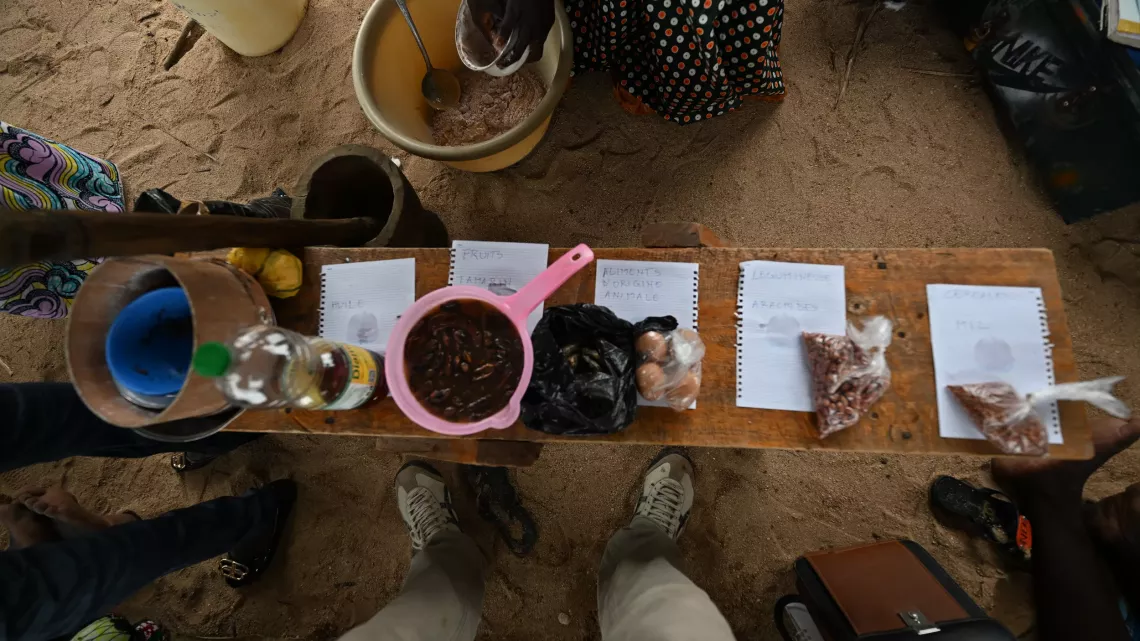
Step by step, Sylvie presents the ingredients and benefits of nutritional porridge. It is made up of five local ingredients: red millet flour, tamarind juice, vegetable oil, peanut paste and dried fish, which can be replaced with other animal-based foods such as eggs.
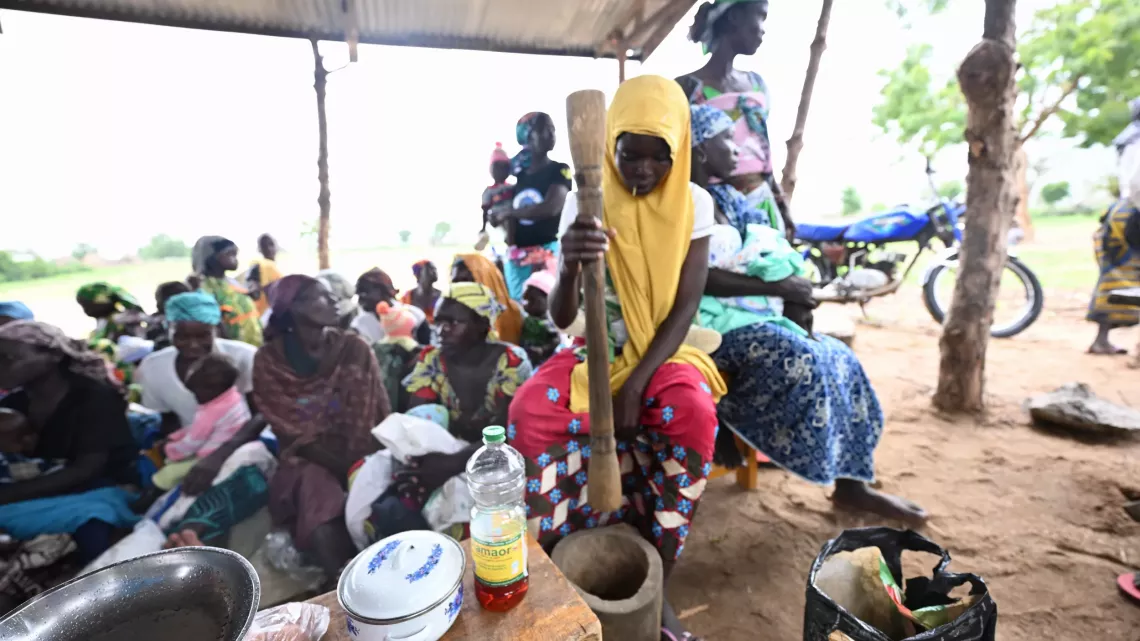
A large aluminium pot sits atop a blazing wood fire. Not far away, a mother eagerly pounds dried fish into powder.
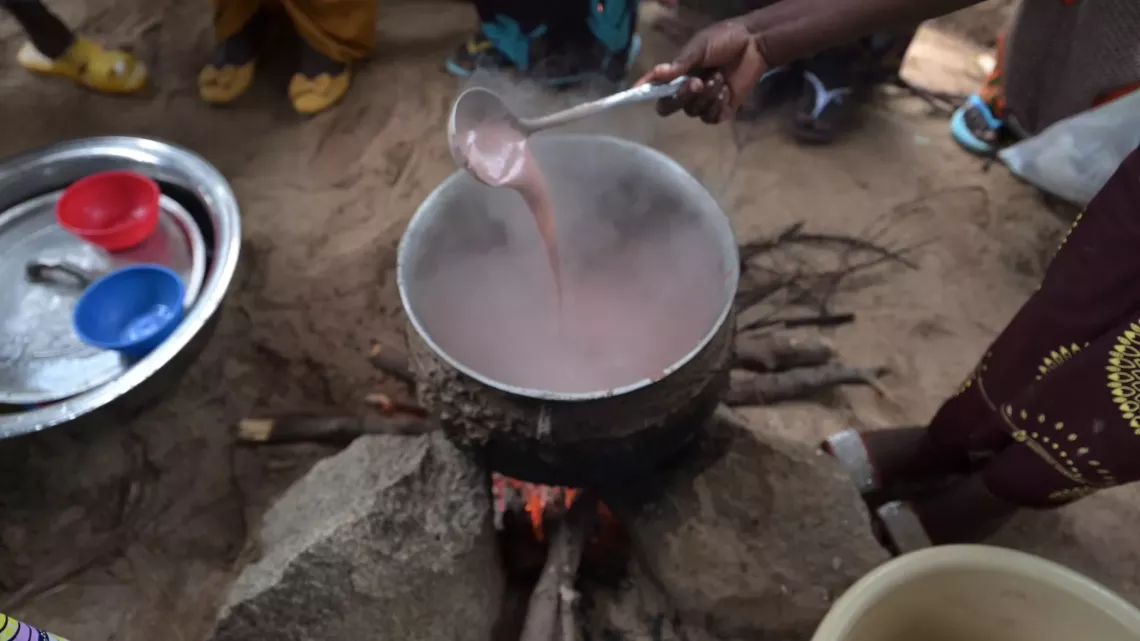
After washing her hands, Sylvie kneads a mixture of red millet flour, peanut paste and dried fish powder in a bucket. This mixture ends up in a large boiling pot. Water, added in varying quantities, vegetable oil and tamarind juice are added to perfect the taste of this preparation. After about ten minutes of cooking over low heat, the porridge is served in bowls brought by the mothers. They hasten to blow on each spoonful to cool it slightly before it reaches the eager mouths of their little ones.
"You see, my twins love this porridge. I've just learnt how to make it at home. From now on, I'll cook it for them so they stay strong and healthy," says Zakiaya, as she feeds her twins Assana and Seini.
The first 1,000 days approach at the heart of preventing severe acute malnutrition
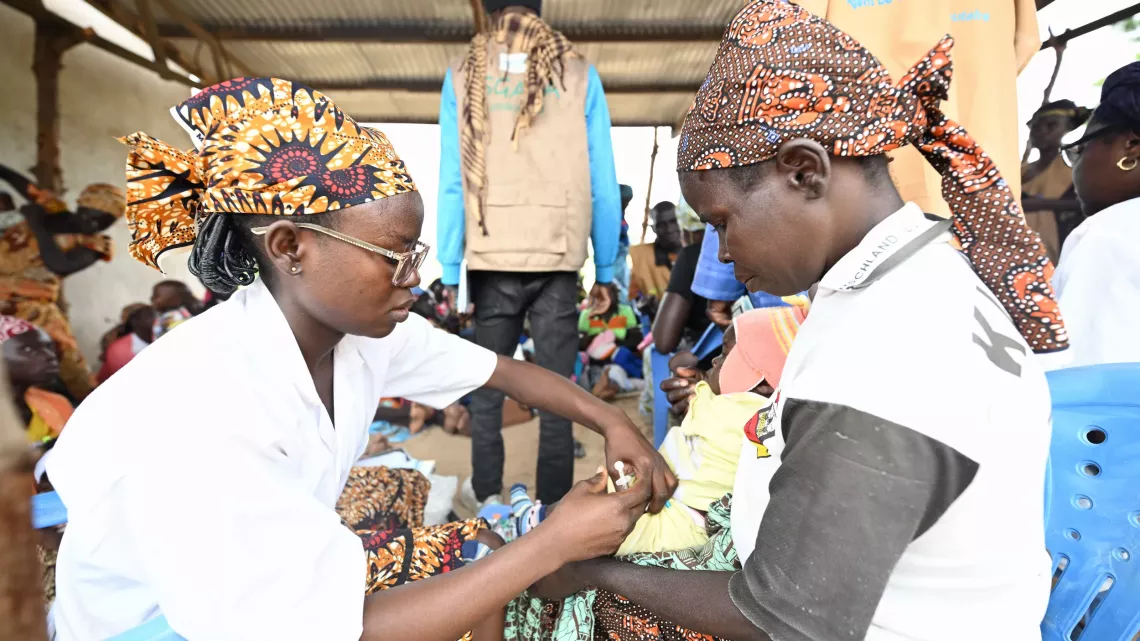
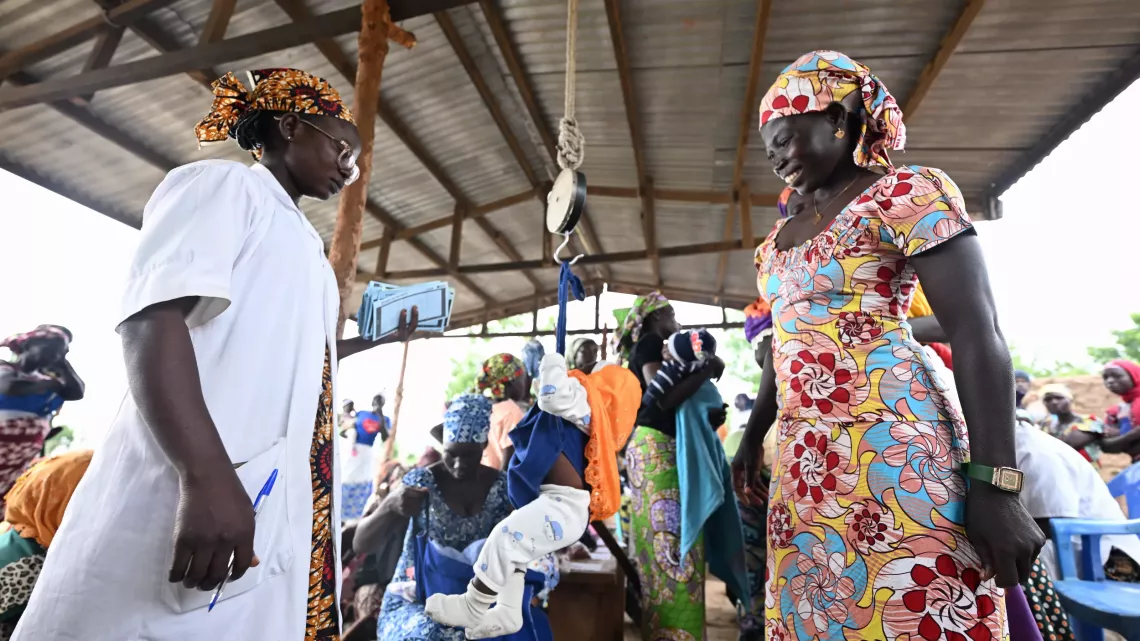
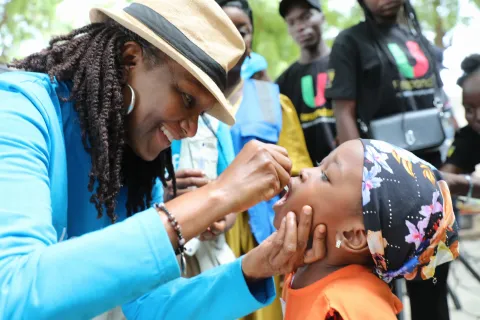
The nutritional demonstration is part of UNICEF's 1,000 Days programme, which is being implemented in the village of Louguerréo as part of the advanced strategy. From conception to two years of age, the 1,000 Days programme provides integrated care and services to mothers and children, which is key to good maternal health and optimal child development. In Louguerreo, community health workers and agents regularly offer an integrated package of interventions in the areas of health, nutrition and child rights protection. On that day, in addition to the nutritional demonstration, all mothers were made aware of the importance of exclusive breastfeeding during the baby's first six months and the gradual introduction of complementary foods from 6 months onwards. Sixty-one children were vaccinated, and one child without a birth certificate was referred to a civil registry office.
"Thanks to the nutritional advice from UNICEF and ASGARA, we have fewer and fewer cases of malnutrition in our community," Sylvie says happily.
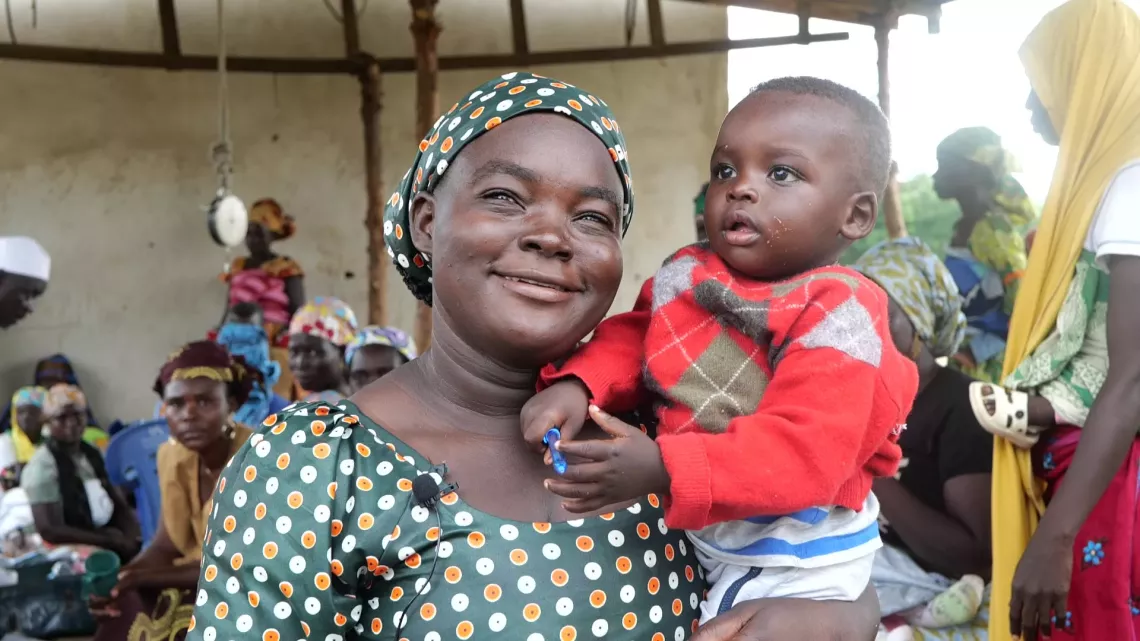
These findings were confirmed by the results of malnutrition screening conducted that day. Of the 77 children screened using upper arm circumference measurements and oedema checks, four were found to be moderately malnourished, and only one showed symptoms of severe acute malnutrition. The latter was immediately referred to the Mokong district medical centre for free and comprehensive treatment. Preventing stunted growth in children is UNICEF's key result number 2. Thanks to the support of partners such as the Government of Germany/BMZ through KfW, 72,543 children were cured of severe acute malnutrition in 2024 in the various support regions. UNICEF is convinced that, in a single generation, good nutrition can break the vicious cycle of poverty and malnutrition. UNICEF and the Government of Germany/BMZ through KfW are working today to ensure that mothers such as Sylvie and Zakiaya are equipped with knowledge about nutritional resources to prevent malnutrition and micronutrient deficiencies in their communities.