WBW 2026: Journalists Called Upon to Amplify Solutions That Support Breastfeeding
Ahead of World Breastfeeding Week 2026, journalists were encouraged to promote evidence-based information and spotlight what works for breastfeeding.
- English
- Français
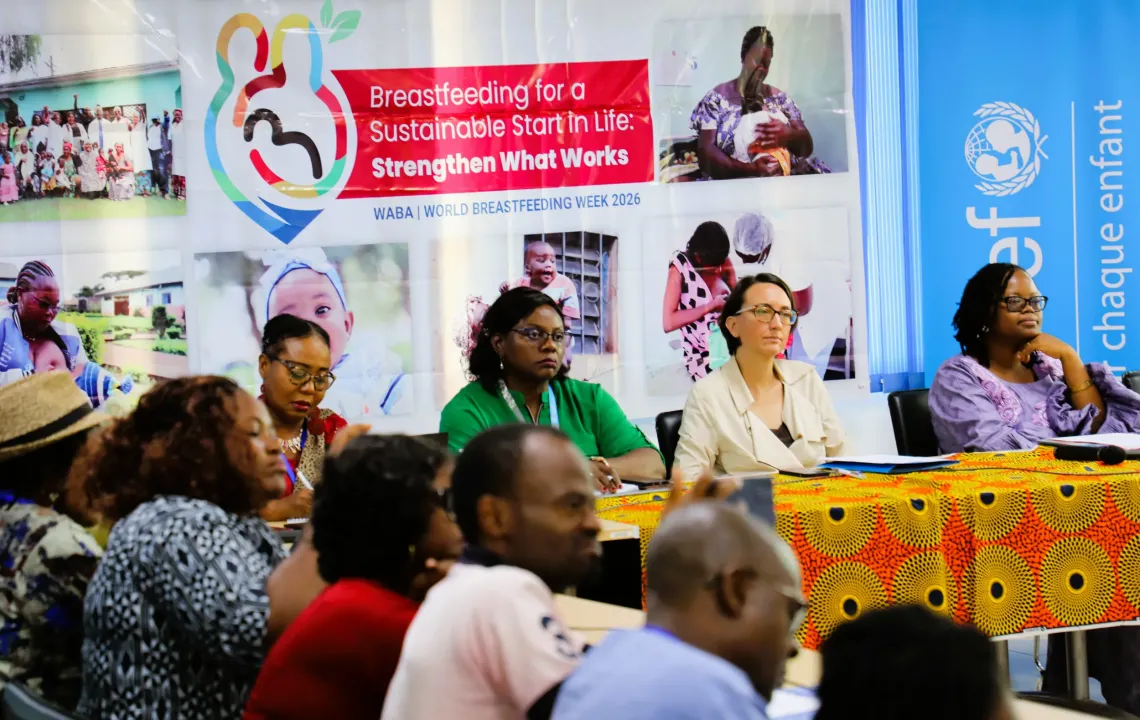
As part of the 2026 World Breastfeeding Week (WBW), UNICEF and the Ministry of Public Health brought together around twenty media professionals in Yaoundé on 31 July for a Media Café held under the global theme:“Breastfeeding for a Sustainable Start in Life: Strengthening What Works.”
The event provided a platform to discuss progress, challenges, and proven solutions that contribute to improving breastfeeding practices in Cameroon, while highlighting the strategic role of the media in promoting child health and nutrition.
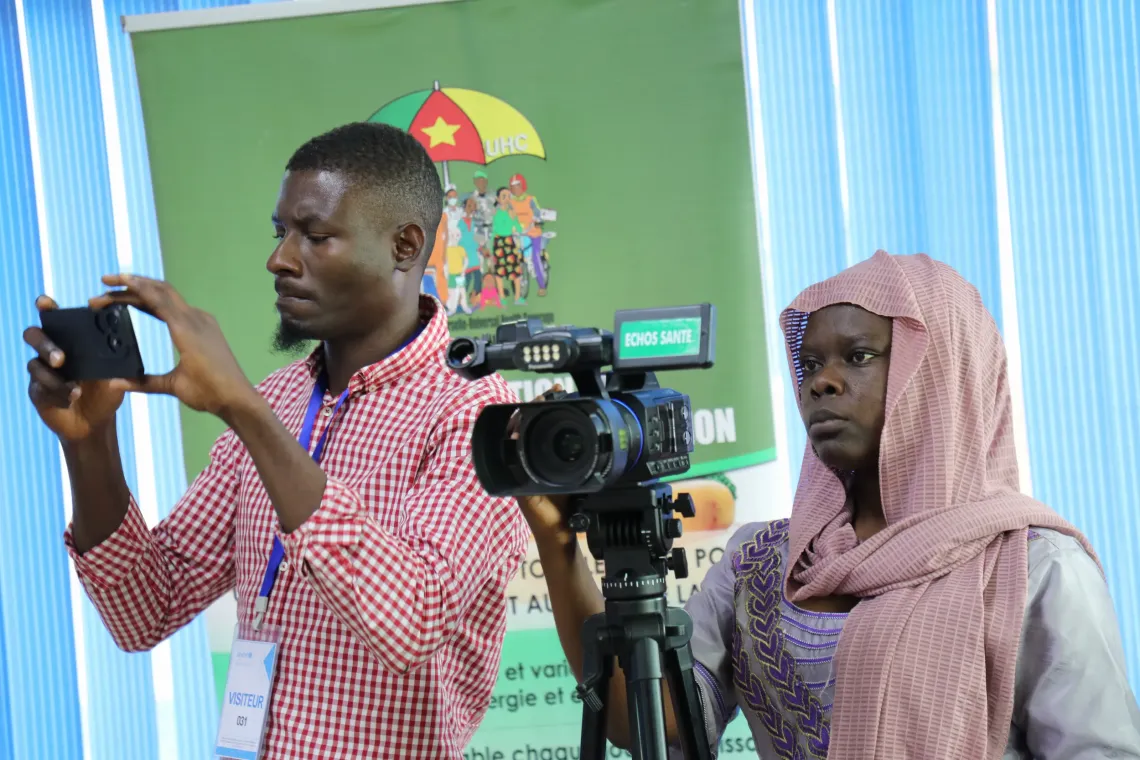
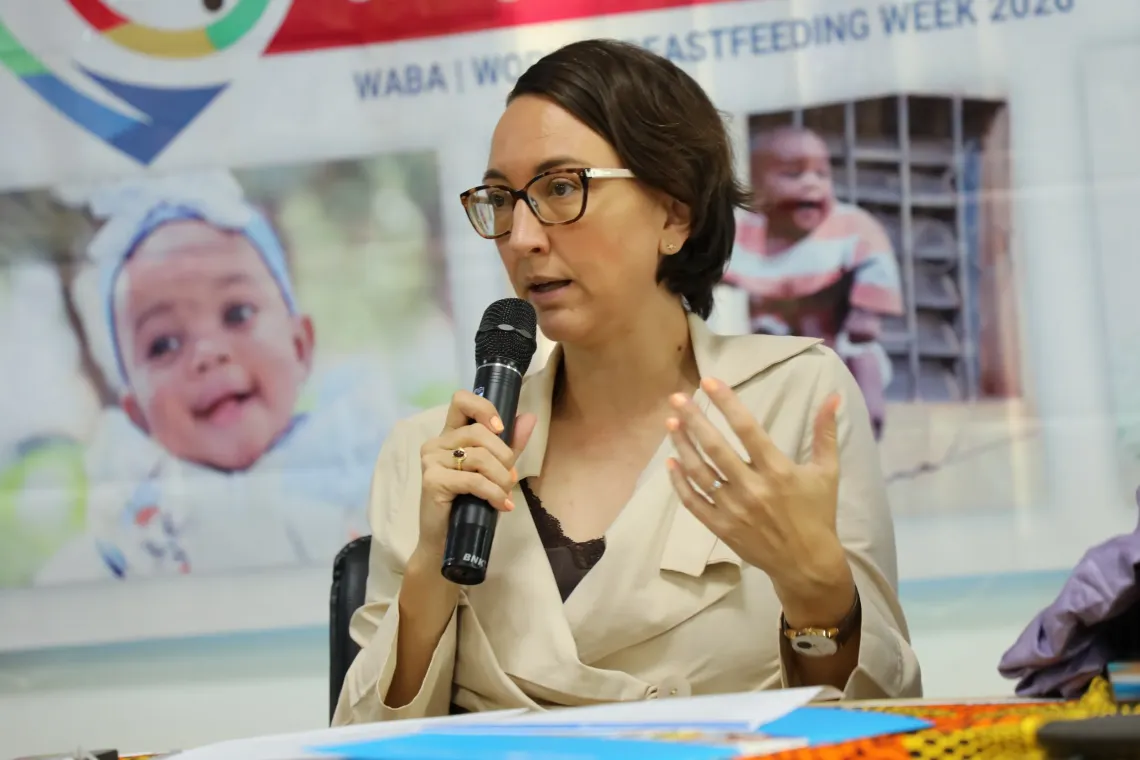
Opening the Media Café, Ms. Juliette Haenni, Deputy Representative of UNICEF Cameroon, called on journalists to use their platforms to promote evidence-based information on breastfeeding and highlight successful initiatives that support mothers and children.
“Breastfeeding is one of the most effective investments we can make in the health, nutrition and development of children. We already know what works: quality health services, supportive communities, enabling policies and sustained support for mothers. The media have a critical role to play in showcasing these solutions, countering misinformation, and helping create an environment where every mother receives the support she needs to give her child the best possible start in life,” she said.
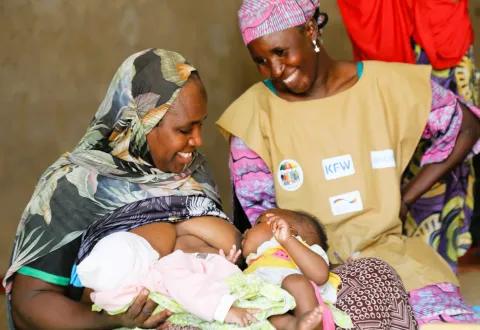
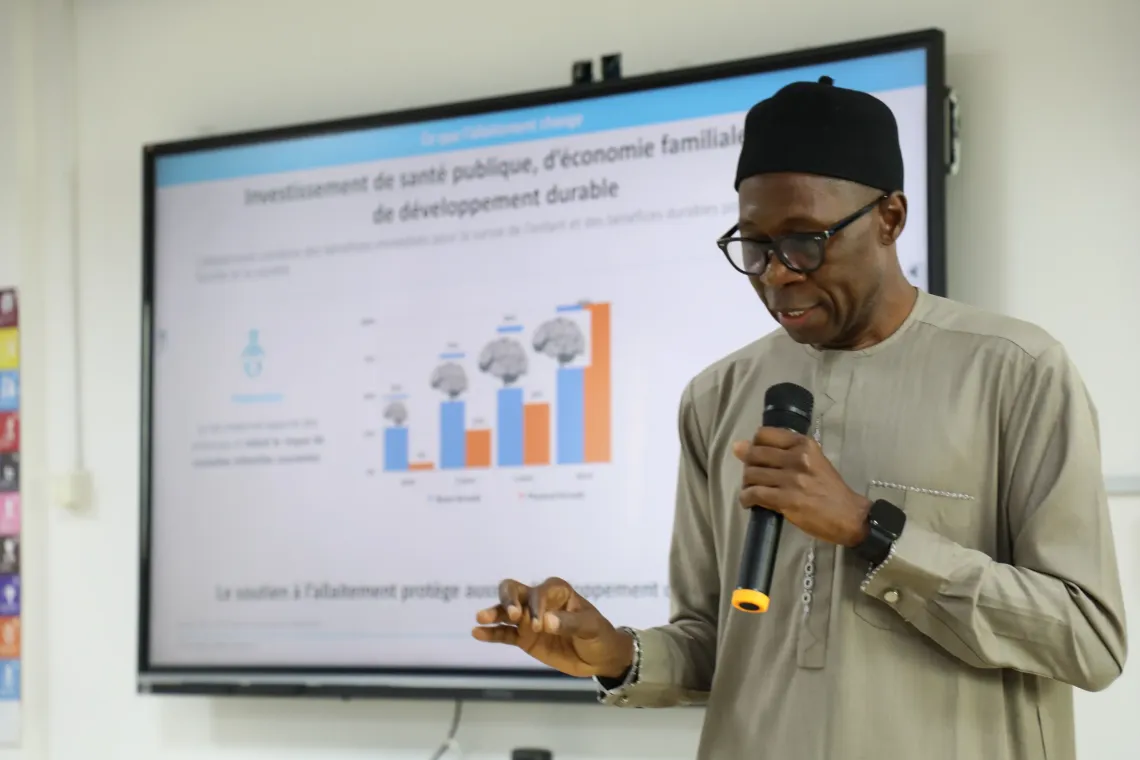
Participants were reminded that breastfeeding remains one of the most effective interventions for ensuring child survival, growth and development. In Cameroon, while more than nine out of ten women breastfeed their children, only 39.7 percent of infants under six months are exclusively breastfed, well below the national target of 60 percent by 2030.
Beyond the statistics, discussions focused on practical solutions that are already delivering results. These include breastfeeding counselling within health facilities, community support mechanisms for mothers, family engagement, breastfeeding-friendly workplaces, and stronger enforcement of measures protecting families from inappropriate marketing of breastmilk substitutes.
Journalists were encouraged to serve as trusted sources of evidence-based information by promoting key messages such as initiating breastfeeding within the first hour after birth, exclusive breastfeeding for the first six months of life, and continued breastfeeding up to two years and beyond alongside appropriate complementary feeding.
The Media Café also underscored that the media are a vital partner in the coalition required to improve breastfeeding outcomes. Through reporting, interviews, digital content and storytelling, journalists can inform the public, dispel myths and misconceptions, amplify successful experiences, and keep breastfeeding high on the public agenda.
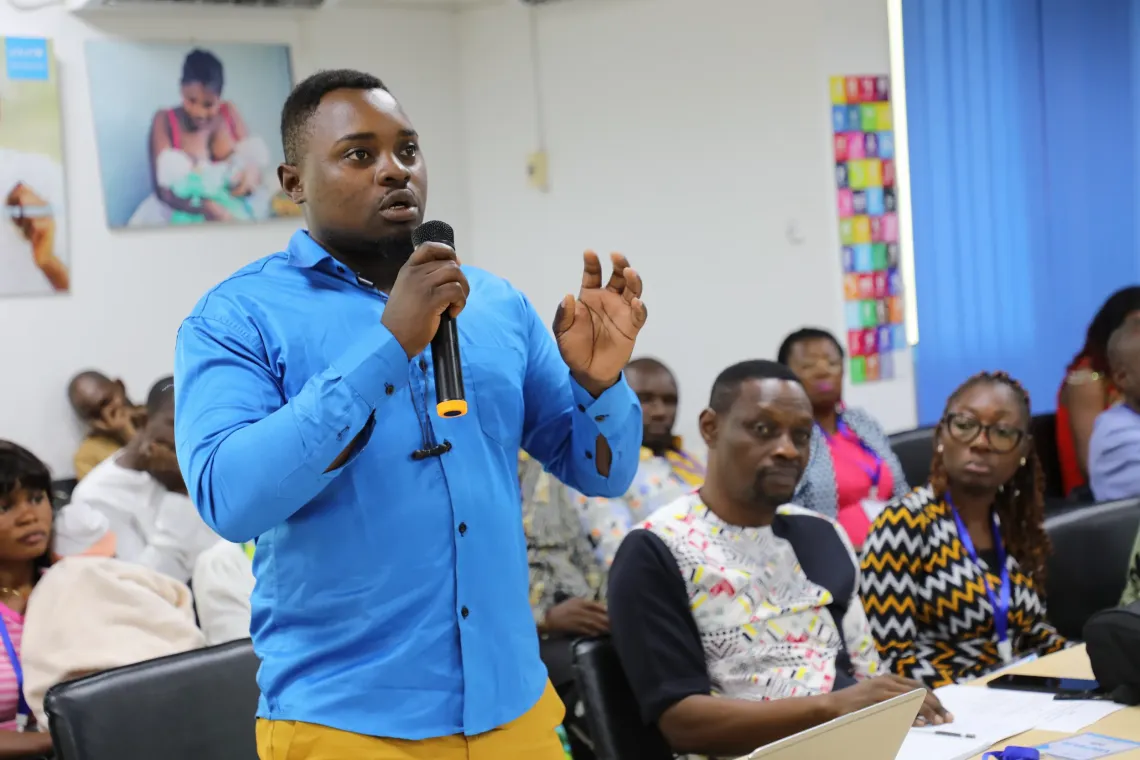
For participants, the event offered valuable insights into both the challenges and opportunities surrounding breastfeeding promotion. As one journalist noted:
“This Media Café helped us move beyond the numbers and better understand the practical solutions that are improving breastfeeding practices in Cameroon. As journalists, we have a responsibility to provide evidence-based information, highlight what works, and raise public awareness about the importance of creating an enabling environment for breastfeeding.”
A strong message emerged from the discussions: mothers should not bear the responsibility of breastfeeding alone. Successful breastfeeding depends on the support of families, communities, health services, employers, policymakers and the media. In this context, journalists are called upon not only to report facts, but also to make visible the solutions that help mothers breastfeed successfully.
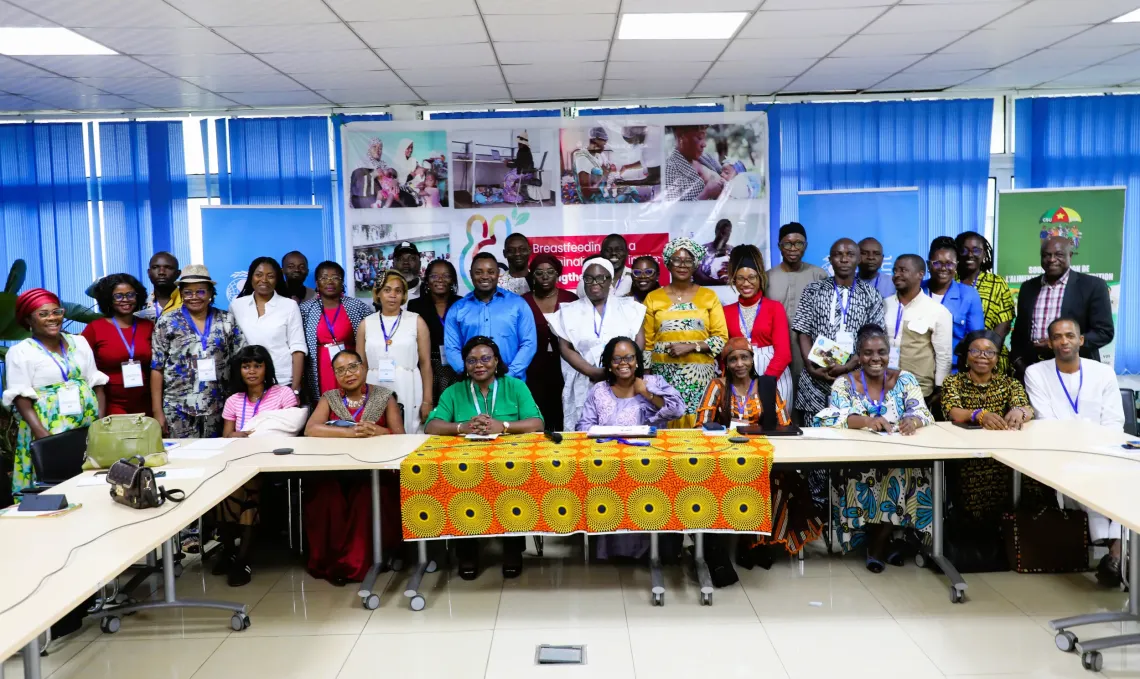
Ahead of the official launch of WBW 2026, organizers encouraged media professionals to amplify campaign messages, promote balanced and evidence-based coverage, and highlight initiatives demonstrating that every child can be given the best possible start in life.
“Tell the stories of solutions, not just the statistics. Show the mothers, families, health workers and employers who make exclusive breastfeeding possible. This was the key call to action addressed to journalists at the close of the Media Café.