Stopping cholera: in Maga, prevention starts in the classroom.
Maga’s cholera response begins in the classroom. Supported by UNICEF, pupils are mastering basic hygiene measures to keep their communities safe.

- English
- Français
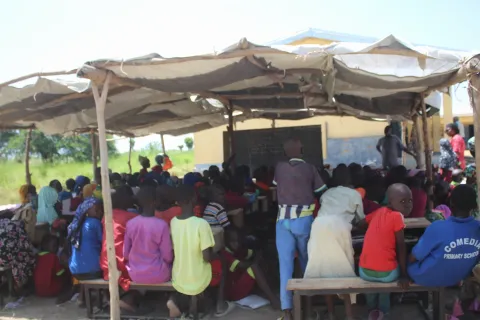
At Maga State School, the pupils put aside their exercise books and slates for a special lesson: one that could save lives. Gathered in one of the school’s classrooms, they took part in an awareness-raising session on cholera, to gain a better understanding of the disease, how it is transmitted, its symptoms and the essential steps to protect themselves against it.
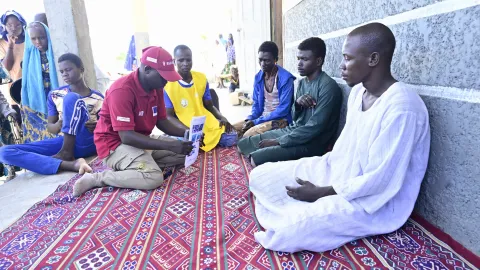
In this area, which is home to many internally displaced people and refugees, no cases of cholera have been recorded to date. This is an encouraging situation, which the authorities and their partners intend to maintain through a preventative approach based on providing information and raising awareness amongst communities.
For Mahamat Boukar, the headteacher, it is essential to take action before the illness strikes.

“Cholera has not yet reached Maga, but we must prepare the children. They need to know how to prevent the disease, recognise the warning signs and adopt the right habits to protect themselves and their loved ones,” he says.
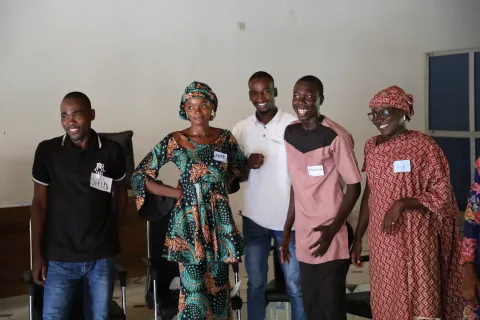
From classroom to classroom, the awareness-raising sessions led by UNICEF’s partner, the Association of Community Development Facilitators and Supervisors (AAEDC), are capturing the pupils’ attention and curiosity. Sitting at their desks facing the facilitators, they listen attentively to advice on handwashing, drinking safe water and what to do if they experience symptoms of cholera. For many of them, this is the first time they have heard about cholera in such detail. They now remain constantly vigilant.

Among these pupils, Aïssatou stood out and took one message in particular to heart: the importance of hygiene. “I’ve learnt that you must always wash your hands before eating and after going to the toilet. I’m going to explain this to my little brothers at home too,” she says confidently.
Like her, many children become true ambassadors for best practice within their families when they are sufficiently informed and understand the importance of raising awareness.
This awareness-raising campaign comes at a time of heightened public health vigilance. To date, the Far North region, of which Maga forms part, has recorded 2,753 cases of cholera and 77 deaths. According to SitRep No. 20, although the town of Maga has not yet reported any cases, its proximity to affected areas, the large livestock market and the fish market attract people from a variety of backgrounds weekly; in short, the frequent movement of people within the Lake Chad basin means there remains a risk of the disease being introduced.
The sub-prefect of the Maga district echoed this sentiment, calling for these awareness-raising efforts to be sustained over the long term.