Kalaldi: a solar-powered well changes lives
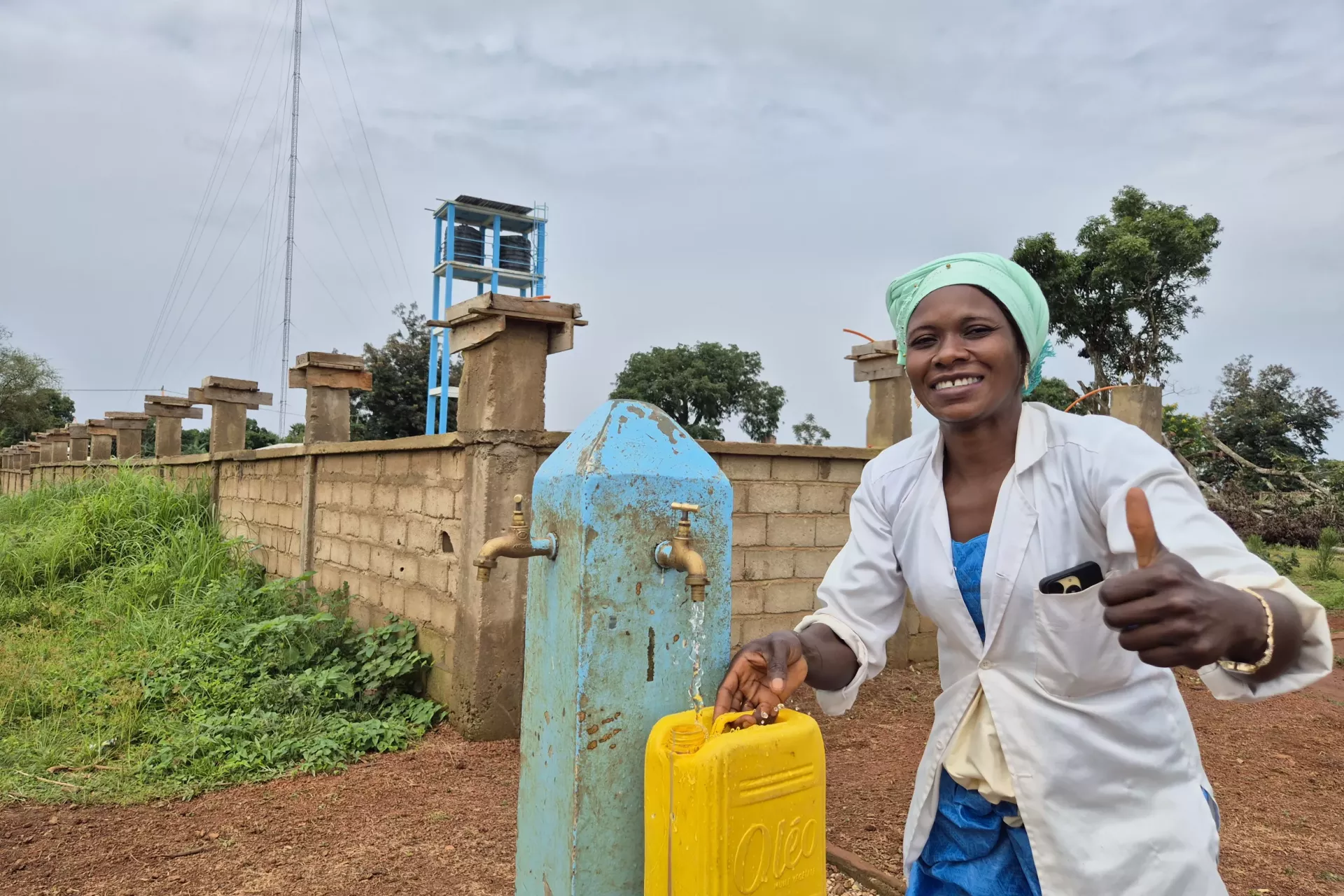
Thanks to solar energy, drinking water is finally flowing in Kalaldi. This innovative system built by UNICEF and funded by Republic of Korea is bringing hope and transforming the lives of its inhabitants.
- English
- Français
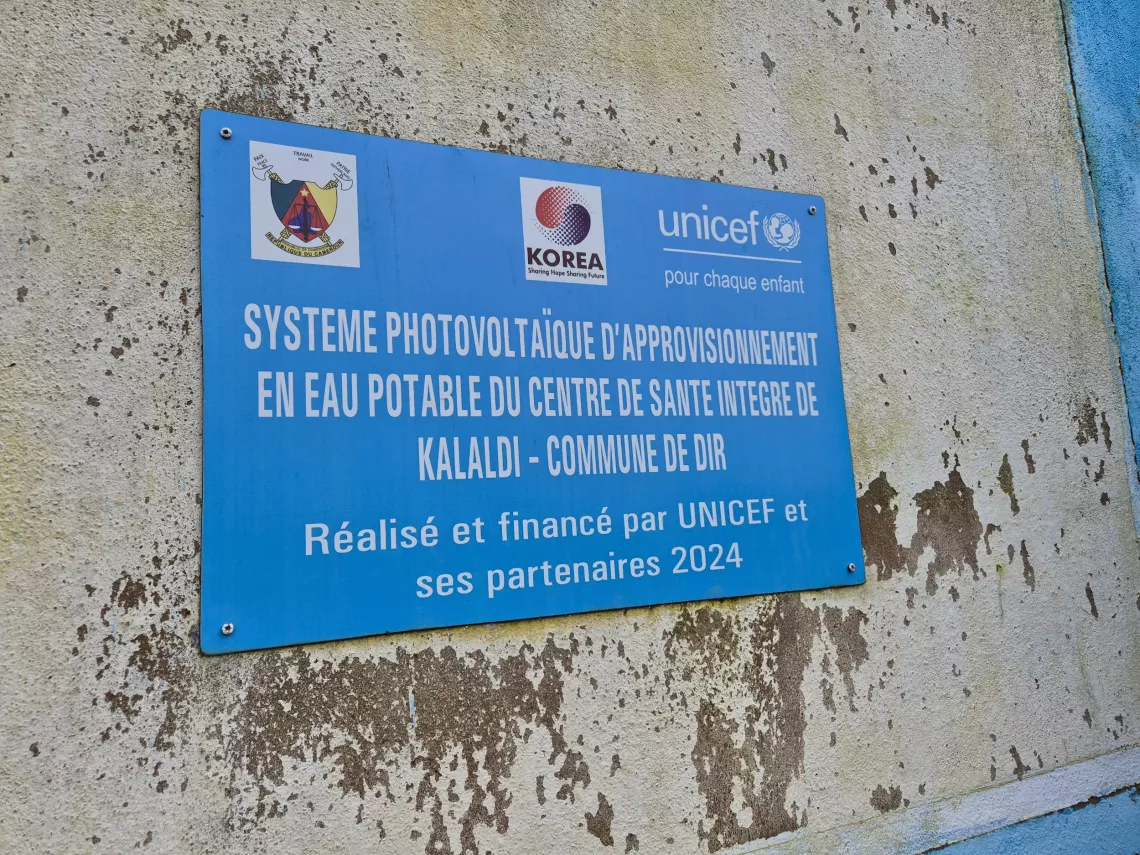
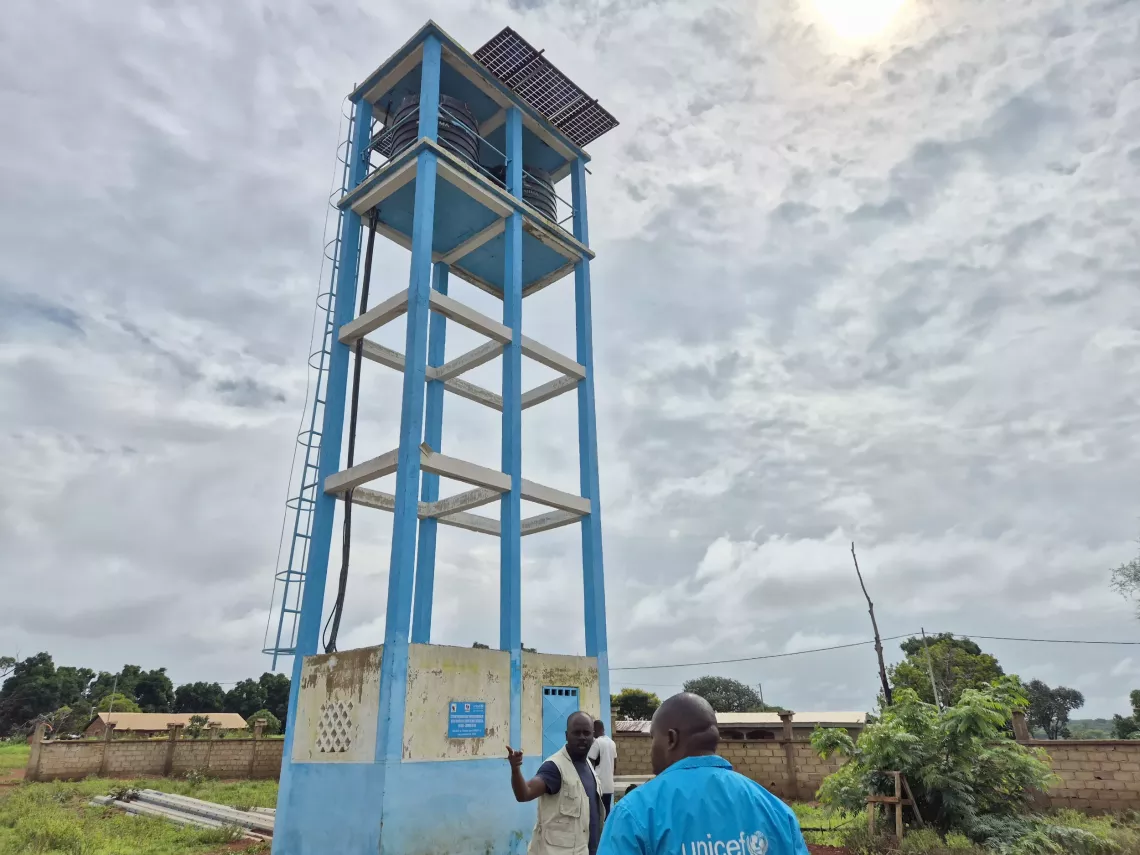
In the small commune of Kalaldi, located in the Adamaoua region of Cameroon's Mbéré department, smiles can be seen on the faces of its residents. Water has finally arrived. It is no longer just a simple liquid; it has become a symbol of hope. This transformation is due to a photovoltaic drinking water supply system that was installed at the Kalaldi Integrated Health Centre. The project was funded by UNICEF Cameroon in collaboration with the Republic of Korea.
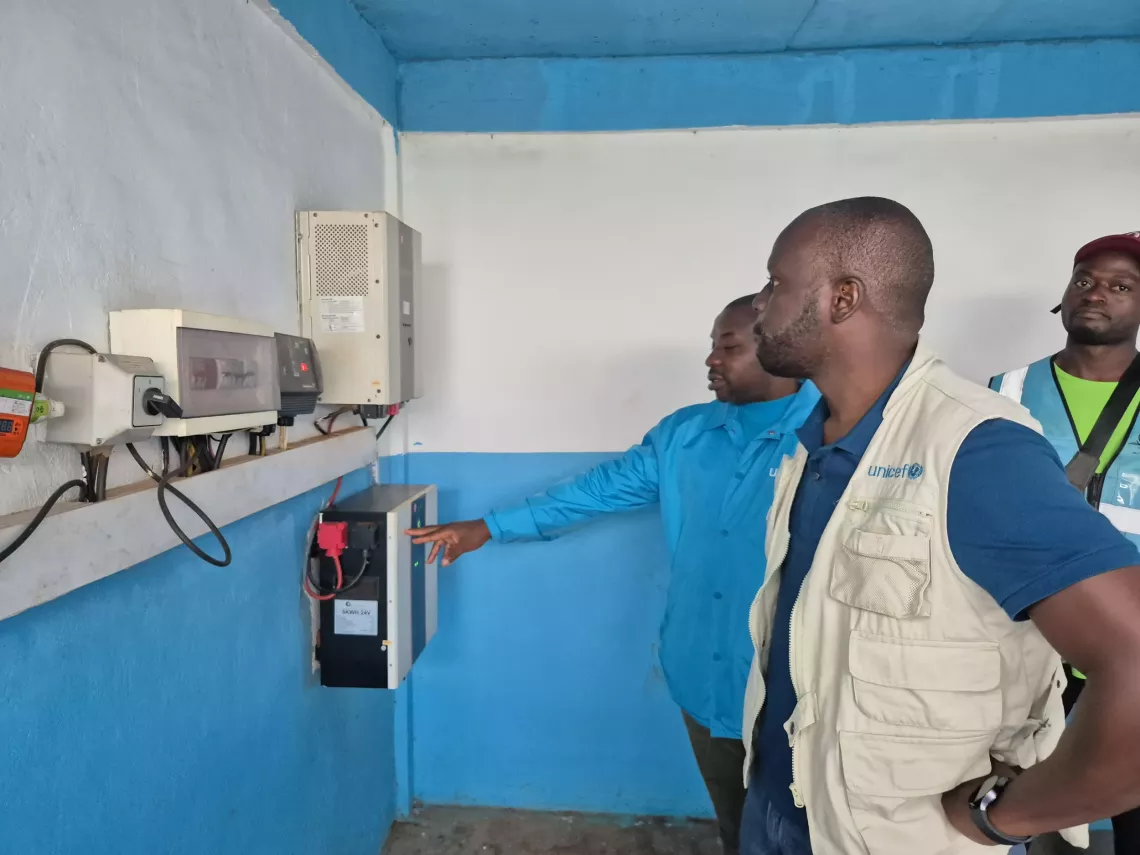
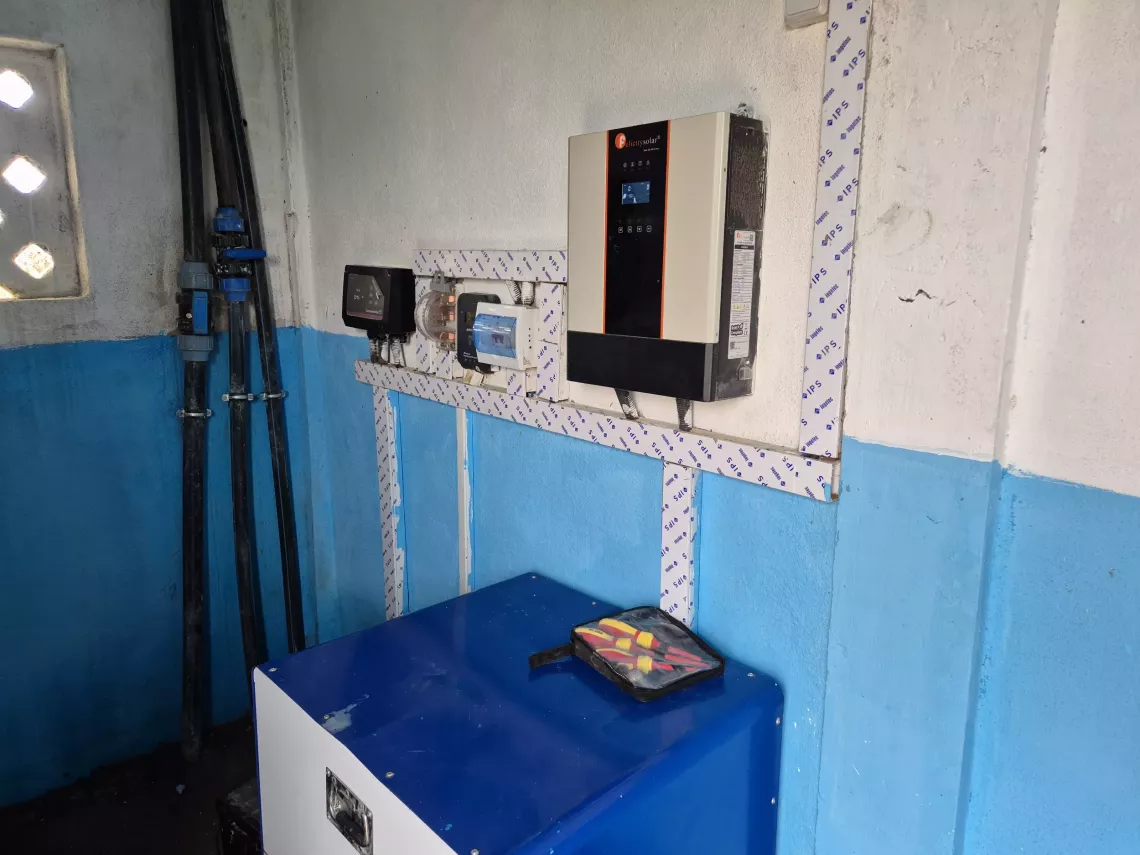
The system features a borehole powered by a solar pump, which supplies water to a storage tower with a capacity of 6,000 litres. From this tower, water is distributed through a network of pipes to six key locations: three outside (including a school, local households, and the hospital) and three inside the health centre (specifically the maternity ward, treatment room, and laboratory).
This sustainable, solar-powered solution not only ensures access to drinking water but also significantly enhances the quality of healthcare. Additionally, it helps strengthen the climate resilience of local infrastructure.
"I worked in a health centre without access to water, which was challenging. At times, we had to pay young people to bring us water, and recycling medical equipment was a constant headache. However, since I was assigned to the health centre here in Kalaldi, everything has become much easier. We can work efficiently, disinfect properly, and treat patients in better sanitary conditions. I am very grateful to UNICEF for this support," explains Adama Marie, Medical and Health Technical Officer.
This revolution in access to water benefits the local health centre and the surrounding population.
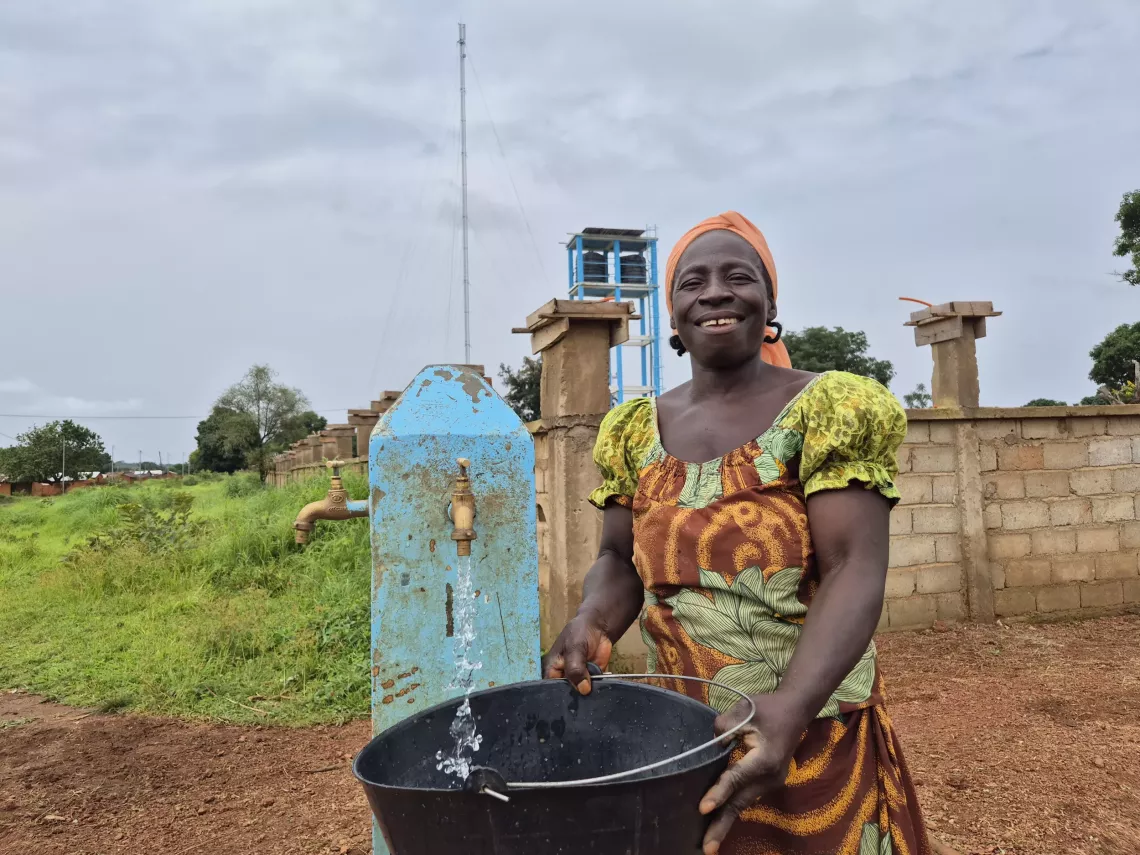
Diza Marceline, a mother of three children, walked nearly three kilometres every day to fetch water from a marsh. The water was murky and unhealthy, doing more harm than good.
"My children used to fall ill with diarrhoea and dysentery, and that was our daily lot, but now we have water and I'm so happy", she says.
UNICEF, along with its partners, including the Republic of Korea, has a history of working to enhance access to drinking water for vulnerable communities in Cameroon. As part of its ongoing commitment to improving health conditions, similar facilities have already been established at the Meiganga Urbain health centre, as well as in the Bindimba and Nandoungue health facilities located in the East region.