Cameroon sets up Africa's first child rights centres 'network
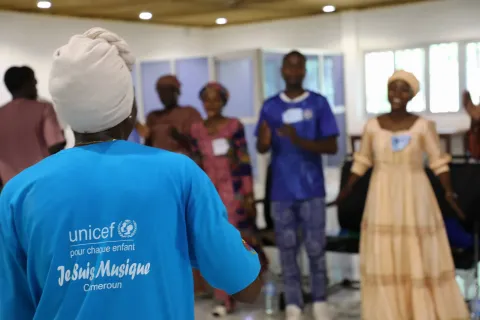
DSCHANG, Cameroon – In the Menoua highlands, Cameroon launches Africa’s first Child Rights Centres Network: 9 university centres, a shared charter, and governance ready for action.

- English
- Français
It is not merely a signature on a piece of parchment; it is a strategic framework. Nine universities, once isolated, now form a united front, bound together by a rigorous charter and a shared determination: to transform academic research into an impenetrable bulwark for the most vulnerable.
A Cry from the Heart: ‘Why should a child have to suffer?’
Elected by acclamation to head this steering committee, Prof. Marie-Thérèse Mengue (UCAC) did not mince her words. Faced with the tragic rise in infanticides that are dominating the news, she delivered a passionate appeal that sent ripples through the University of Dschang:
“In Africa, a child is a treasure. When you don’t have one, you feel lost. So why, when you do have a child, should they have to suffer?”
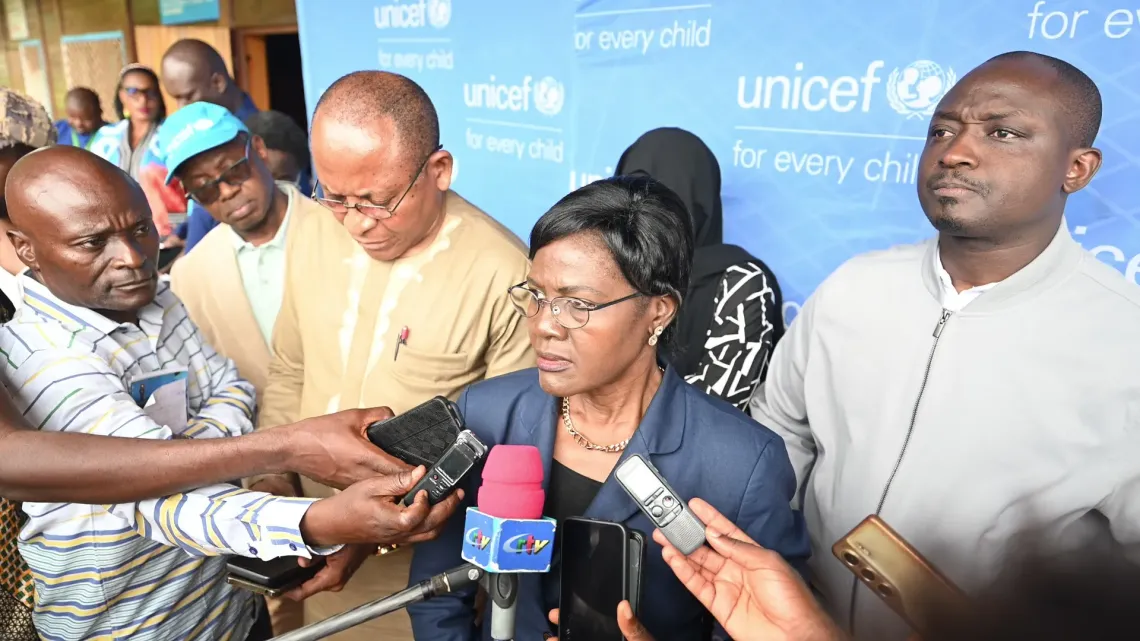
For this first female President, scientific expertise is not an ivory tower, but a precision weapon. Her commitment? Advocacy based on evidence, because to break the cycle of violence, we must first understand it and document it with relentless rigour.
Standing Witnesses: A Voice for Inclusion and Evidence
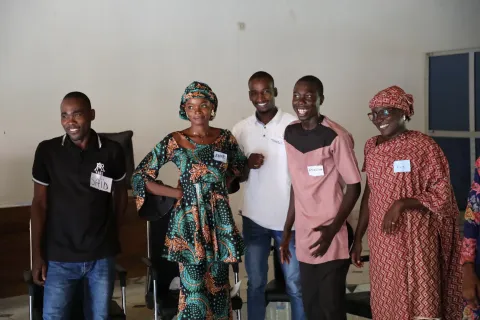
The network draws its strength from a unique synergy between the experience of older generations and the energy of students. Jolivette Mandou, 18, spokesperson for the think tank “Mboa Youth Thinkers”, embodies this new generation that no longer wants half-hearted solutions:
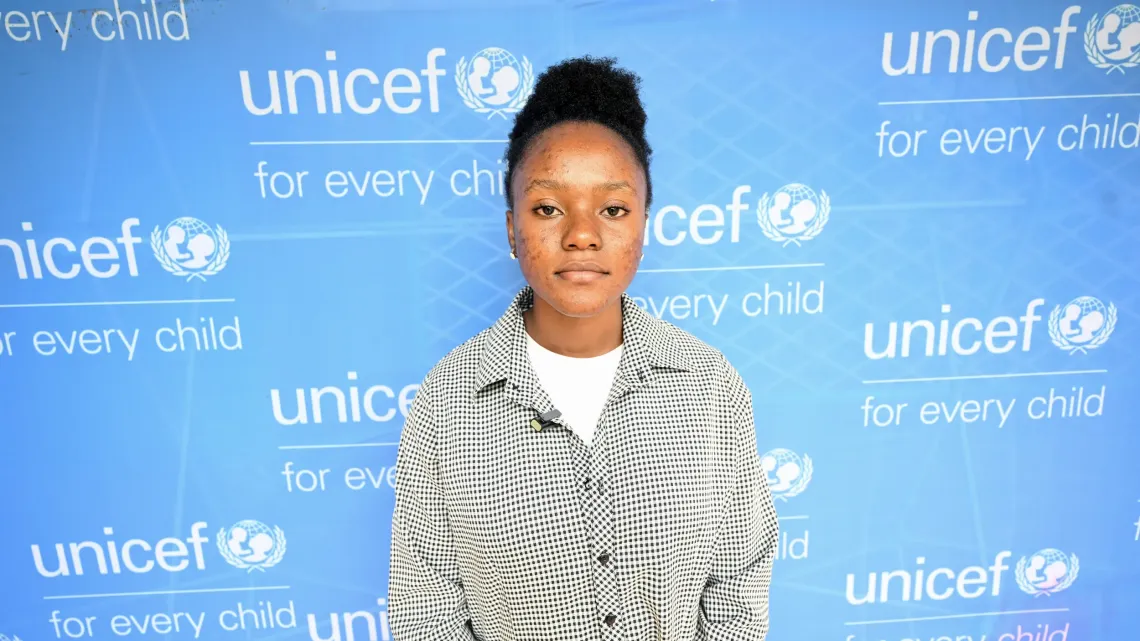
“Addressing issues relating to children’s rights requires evidence. We are going to generate that evidence.”
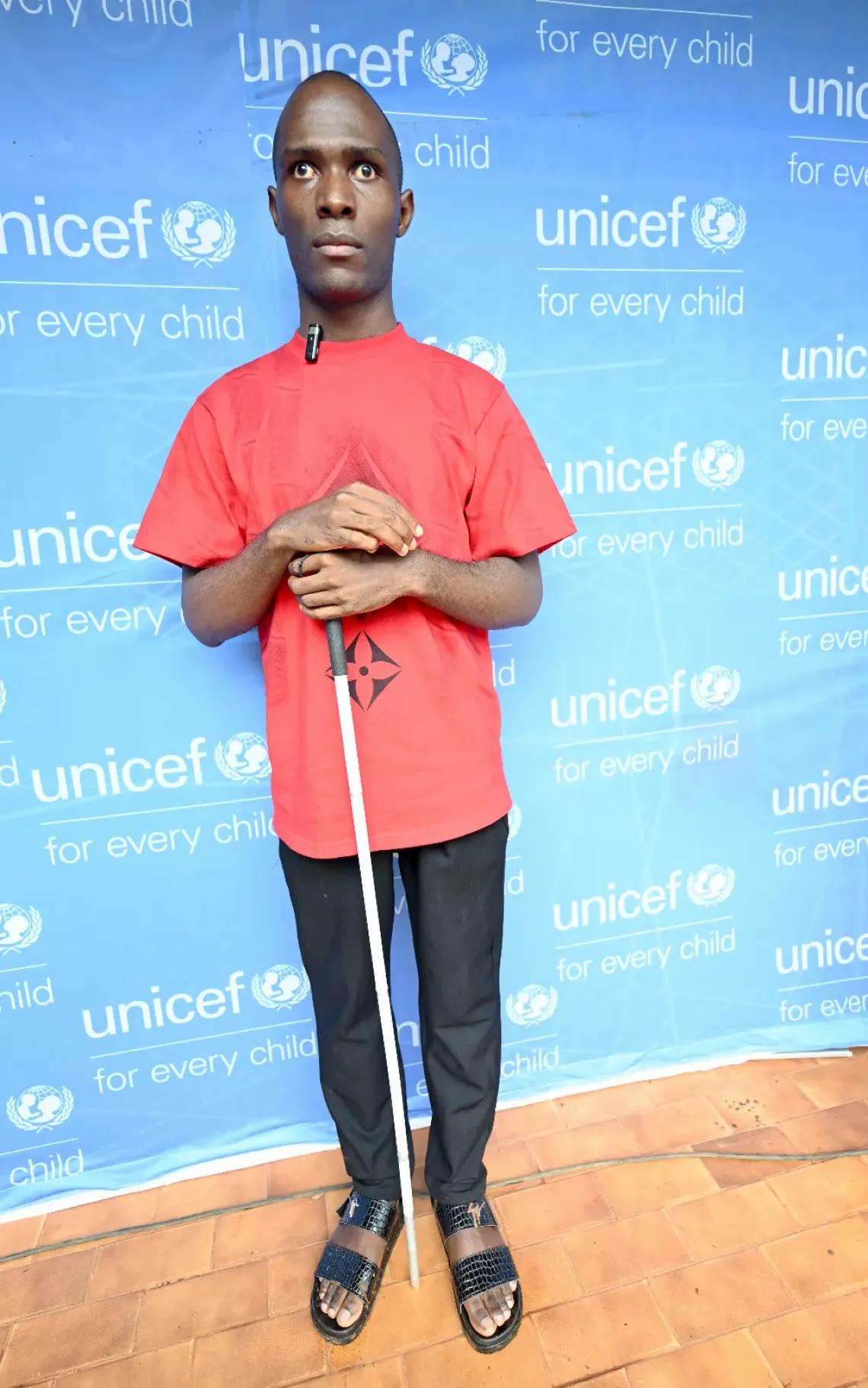
Inclusion is not left out either. For Ulrich Steve Dodji, president of the association for students with disabilities and visual impairments, this network holds the promise of full participation in society:
“This network will finally enable young people to exercise their right to participate. We will ensure that everyone becomes an advocate for rights within their own community.”
Cameroon, a beacon of Africa
Dr Léonard Kouadio, spokesperson for the UNICEF Representative, highlighted the event’s continental significance. The message is clear: Cameroon is no longer a mere observer; it is a source of inspiration for Africa. This sentiment is shared by Professor Raymond Bernard Guimdo, Vice-Chancellor of the University of Dschang, who believes that the university must be the ultimate guarantor of children’s social security.


A new era: from theory to protection
This network marks a turning point. From now on, Cameroon’s university centres will operate as strategic monitoring units:
- Documenting the unacceptable to inform decision-makers.
- Bringing together expertise from the north to the south of the country.
- Giving a voice to the voiceless in decision-making bodies.
In April 2026, the commitment was made. Under the leadership of UNICEF and its academic partners, science and justice now go hand in hand. The goal is clear: to ensure that every child in Cameroon regains their most sacred right — the right to smile, without fear, as they look to the future.
A shield for every child. A future for every child.