Step by Step
How Minsk Half Marathon Participants Support Inclusive Education in Belarus
- русский
- English
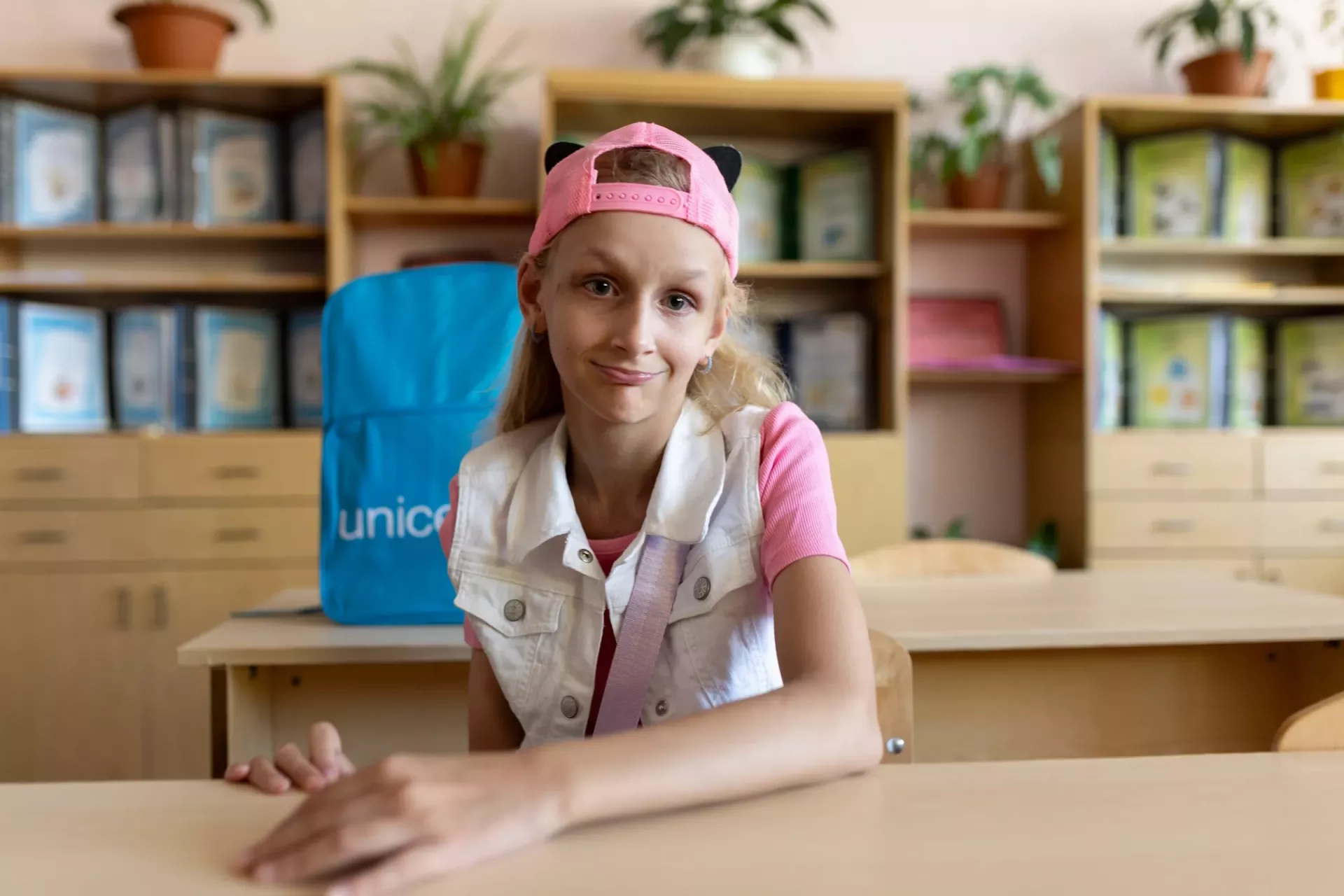
Every day, 13-year-old Ulyana makes her 5,000 steps. For her, it’s not just a number on a pedometer — to keep walking, she must keep on walking. Ulyana lives with a rare genetic condition — Louis–Bar syndrome. Children with this diagnosis lose muscle strength very quickly if they stop moving, and regaining it is nearly impossible. Walking is not easy for her, so she alternates steps with rides in her wheelchair.
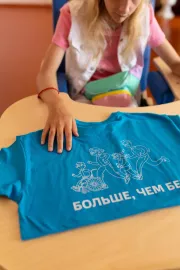
It is symbolic that Ulyana’s wheelchair and other assistive equipment for her schooling were purchased thanks to participants of the Family Run during the Minsk Half Marathon* — people who know the real value of every step. Here is why such equipment is vital for children with disabilities and how it helps them grow and learn.
*The charity “Family Run” was organized by UNICEF Belarus, MTS, Belagroprombank, and the Belarusian Athletics Federation as part of the Minsk Half Marathon.
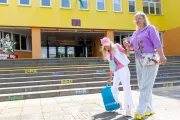
We meet Ulyana, her brother Matvei, and their mother Natalia in a gazebo near School No. 2 in the town of Krugloye. Ulyana is in a bright pink T-shirt and cap, Matvei in neon green sneakers, and Natalia in a lilac jacket with sunny yellow shoes.
This family knows how to bring color to life and focus on the positive.
Ulyana laughs as she talks about her favorite teachers and about how she draws animals at art school. She manages well with pencils and brushes, but handwriting is harder — her mom helps with that.
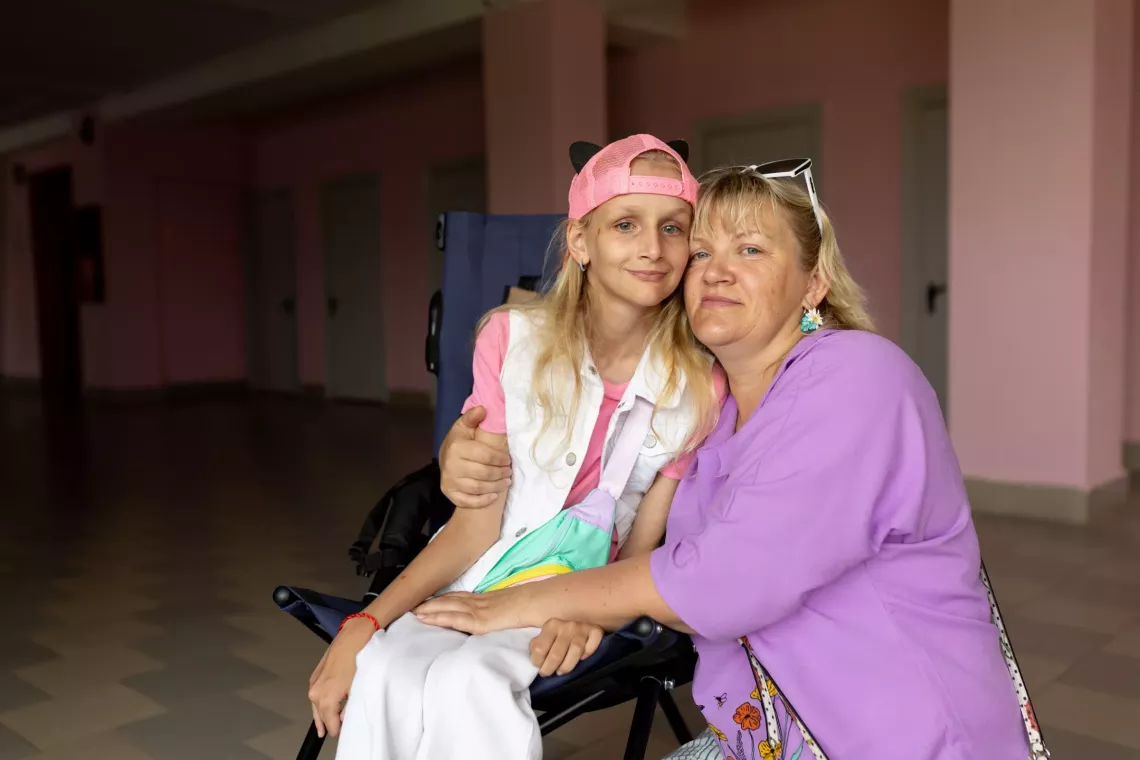
Natalia tells us about their trips across Belarus, about eating ice cream together, and playing charade” at home. In many ways, it’s just like any other loving family. A diagnosis doesn’t make a child “different” — it simply means more effort and care are needed each day. For Natalia, that has meant becoming an assistant teacher at school to help Ulyana during lessons. For society, it means creating conditions in cities and villages so that all children can live and develop to their full potential.
Inclusive Education
To help create such an environment, UNICEF supports the development of inclusive education across Belarus. Together with the Ministry of Education, UNICEF trains teachers and school staff, works to remove barriers in schools, and procures assistive equipment for kindergartens and schools.
Assistive technologies are a modern trend in inclusive education. These are devices, software, and tools that enable children with special educational needs to better read, write, learn, move, see, hear, and communicate.
In 2021, within a joint project with the Ministry of Education, UNICEF Belarus purchased and distributed assistive equipment for 285 children with developmental disabilities. Additional procurement is now underway.
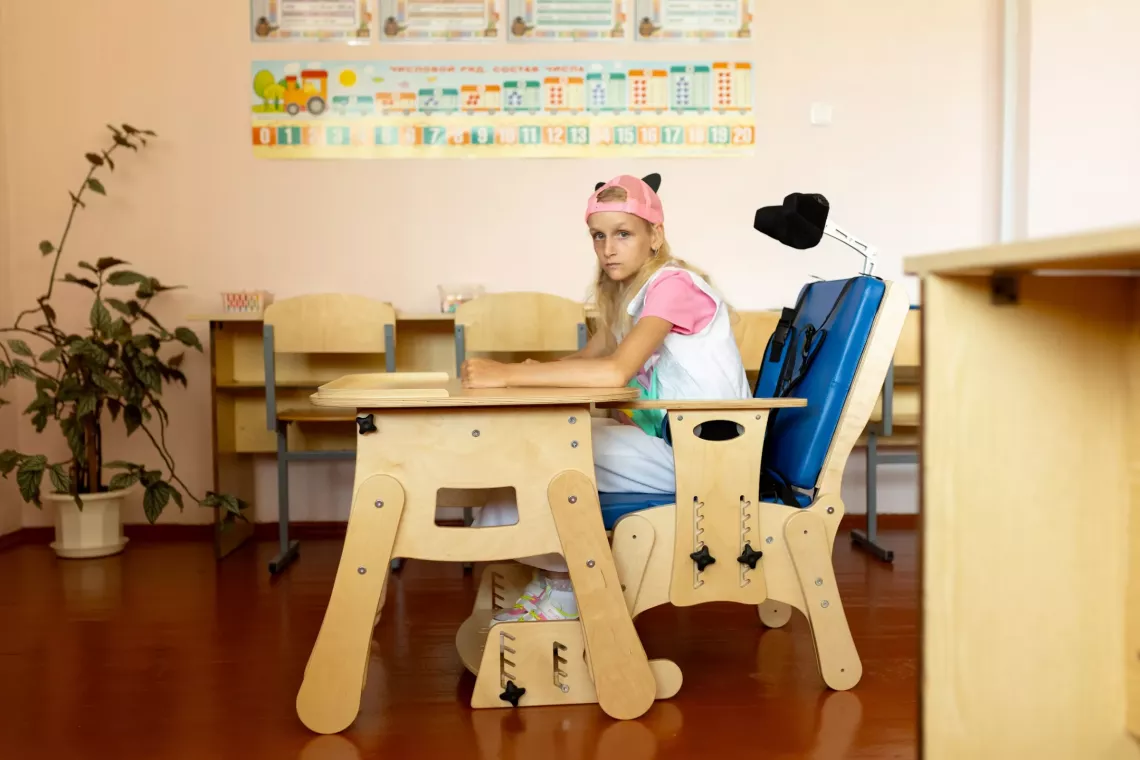
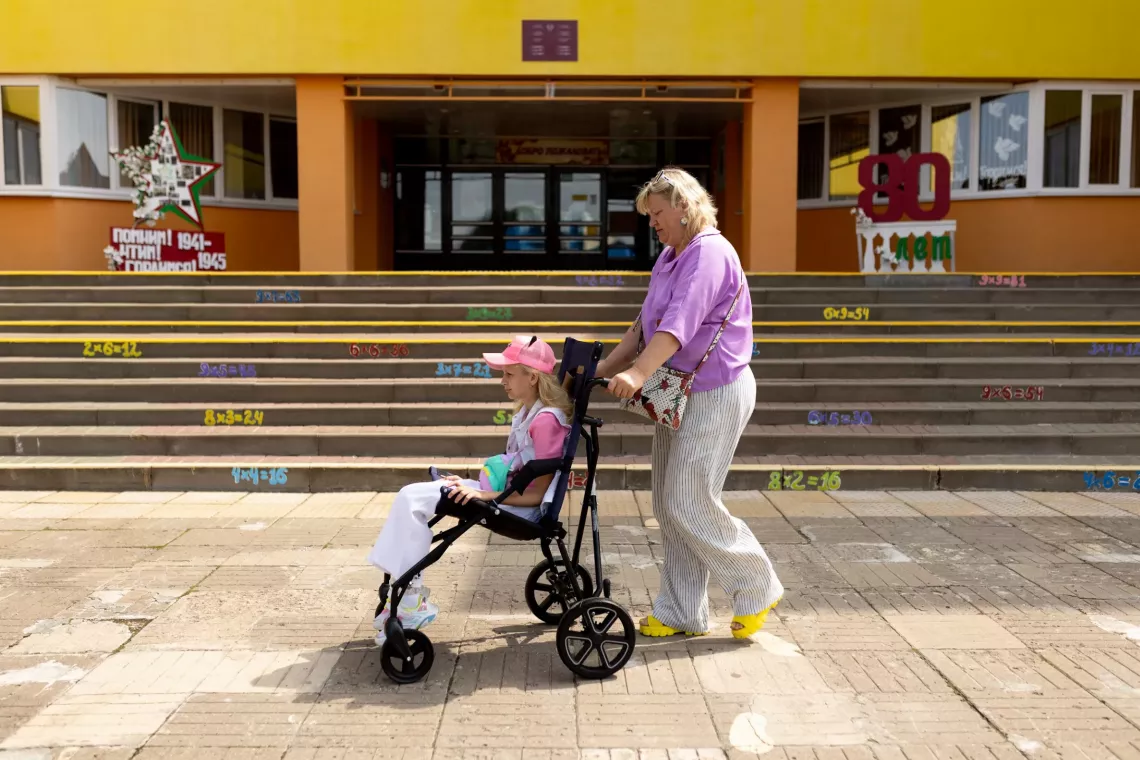
Thanks to the Family Run participants, UNICEF was able to deliver specialized equipment to School No. 2 in Krugloye: a mobile rehabilitation wheelchair, an adjustable chair, and a study desk for children with mobility impairments. Ulyana uses this equipment now — but it will also serve other children in need in the future.
Why This Equipment Matters
For a child with Louis–Bar syndrome, movement is vital — but much harder than for others. Motor coordination weakens, endurance decreases, while cognitive abilities remain intact. If Ulyana pushes herself too hard, fatigue quickly builds up and leads to falls or injuries.
A wheelchair is not a sign of limitation but a tool for safety, independence, and energy conservation. It allows her to get to school without exhausting herself, saving strength for studying, play, and creativity.
“Ulyana is very talented and learns quickly,” says the school principal. “I teach in her class myself sometimes and I see it every day.”
Adjustable tables and chairs provide proper body support, reduce fatigue, and improve focus. For children with coordination and fine motor difficulties, they make a big difference:
- less physical strain and more concentration on learning,
- stable posture to allow writing, drawing, and classwork,
- and furniture that grows with the child, lasting for years.
“Ulyana used a special standing chair that UNICEF provided years ago,” recalls her mother. “But she simply outgrew it. Now we’re grateful to have new equipment with proper support.”
School Life
Ulyana took her first steps at around one year old, though her gait was unsteady. “At first, we thought she was just fragile and would get stronger with time,” Natalia remembers. By age three, tests in Minsk confirmed the rare diagnosis.
At six, Ulyana started school a little earlier than most — and happily joined the learning process. Today, at 13, she studies in a mainstream school alongside peers, supported by teachers, speech therapists, and specialists who adapt learning to each child’s pace.
Her school life looks much like her classmates’: she attends art classes, plays with friends, enjoys breaks between lessons, and sometimes asks to skip school to avoid a test.
“Ulyana, do you go to school in a good mood?”
“Depends on the day,” she laughs.
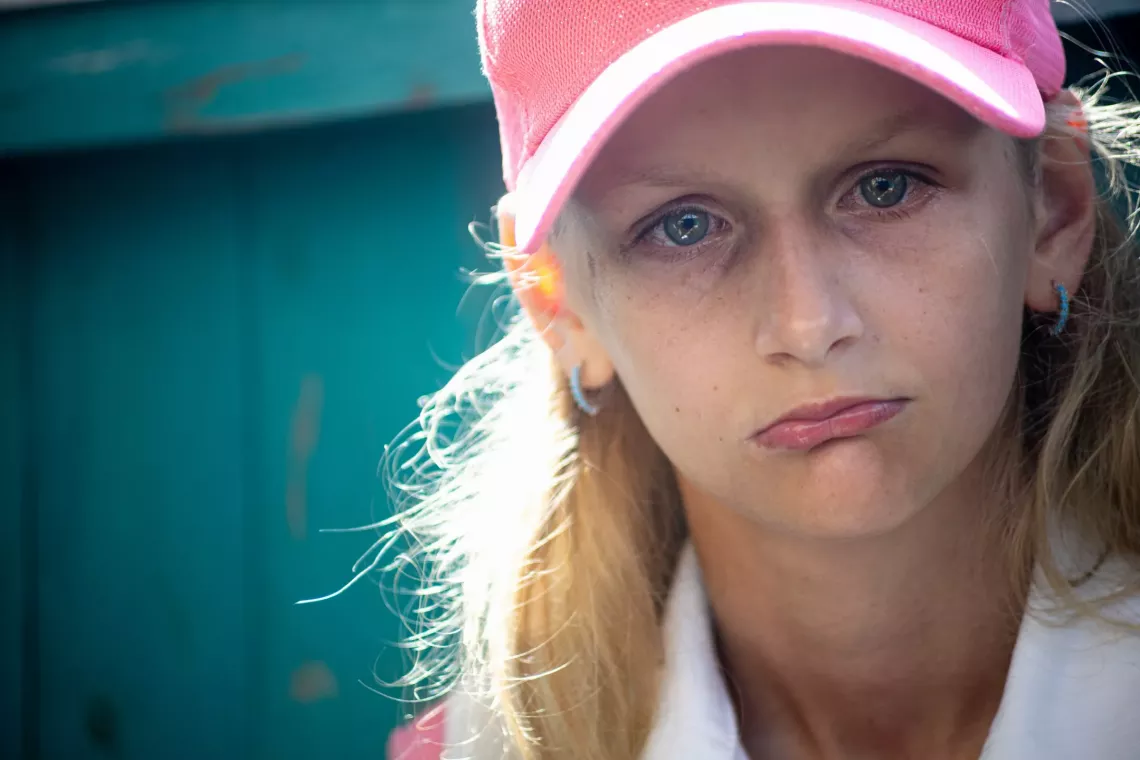
Classmates help her naturally when needed, treating it as part of everyday school life.
“The children accepted her so well,” Natalia says. “Teachers prepared them wonderfully. Ulyana shares a desk with a boy who helps her with notebooks and everything else.”
Teachers also adapt: giving extra time for assignments, helping with handwriting, or arranging quiet lunches away from the noisy canteen. Ulyana starts lessons at 10 instead of 9 to allow more time for the commute.
“We welcome every child,” the principal emphasizes. “We learn with them, we change with them, and we do all we can. But financially we weren’t ready to receive children with disabilities without proper equipment — here we really needed help.”
For Natalia, it is crucial that her daughter grows up among peers.
“I want children to be part of one community,” she says. “Let them learn to communicate and gradually adapt to real life. One day they will have to face it anyway, so it’s better to prepare them step by step.”
Step by step, Ulyana moves forward, growing and developing — just like thousands of other children with disabilities, for whom equal opportunities in education are being created.


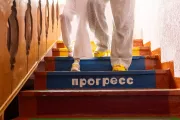
Equal treatment of every child, including those with disabilities, is a vital step towards building an inclusive society — one where everyone feels valued and has the same rights and opportunities. We are grateful to all the people and organizations who walk this path with us. Or run it.