What we do
Every day, UNICEF in Belarus works to make the life of every child and teenager better. Learn what UNICEF is doing for every child in Belarus in various program areas.
- русский
- English
Our activities
Our team, thanks to the support of international donors, businesses and private donations, takes care of children in Belarus, especially the most vulnerable - those who were left without parental love, those who suffered from violence, those with disabilities and many others.
Our mission is to work on changes in healthcare, education and social development systems.
To help not just one person, but many.
So, for example, we are looking for funds for more than one boy or girl who needs a stroller or lift to school. We are fundraising and working to ensure that all children with special needs can use assistive technology and go to mainstream rather than special school.
We support every child and his family - regardless of political views, religious beliefs, racial, gender and other differences.
Because the greatest value for UNICEF is the life of a child.
In order for as many people as possible to learn about social problems and the possibilities for their solution, we talk about our work. You can find out more about what UNICEF is doing in Belarus in different areas below.
Optimal Health and Development
We believe that every child should have access to quality healthcare and opportunities to grow and develop to their full potential. Together with our partners, we work to ensure that children and adolescents, including children with developmental needs and disabilities, receive the support they need from the earliest years of life and throughout every stage of growing up.

The early years of life are especially important for a child’s development. UNICEF helps strengthen early identification of developmental delays and early intervention services so that children receive the support they need in a timely manner. We also pay particular attention to children born prematurely and their families, helping professionals and parents address these children’s specific needs in care, nutrition, communication and development.
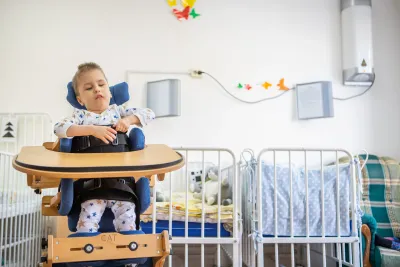
We help improve nutrition and feeding practices for children with disabilities and special needs. Together with our partners, we train professionals to assess each child’s individual needs, provide appropriate nutrition, and use suitable feeding and positioning techniques. This helps support children’s health, development and quality of life.
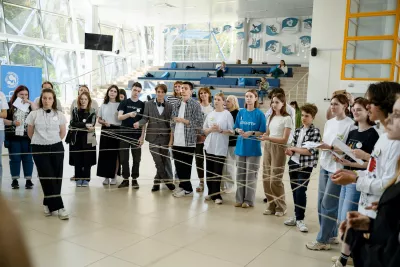
We work to ensure that adolescents, especially the most vulnerable, have access to quality, adolescent-friendly health services and reliable health information. Together with our partners, we develop Adolescent-Friendly Health Centres and have launched a platform providing free psychological support. We pay particular attention to HIV and other infection prevention, reproductive health, and support for adolescents facing increased risks.
Supportive Family Environment and Protection from Violence
Every child should grow up in a safe and caring environment. Together with partners, UNICEF helps families access the support they need, promotes positive parenting practices, and works to ensure that children are protected from violence at home, at school, online and in the community.

We work to ensure that as many children as possible grow up in families rather than in institutions. Together with our partners, we help families facing difficult circumstances access the support they need and prevent family separation. If a child is already in institutional care, specialists help restore family ties or find an alternative family-based care option, such as adoption, guardianship or foster care.
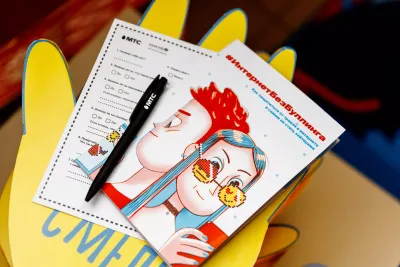
UNICEF helps create safe environments for children at school and online. Together with our partners, we work to prevent violence and bullying, helping children recognize risks and know where to seek support. We pay particular attention to children’s safety in the digital environment and the prevention of cyberbullying. We also support approaches that ensure children and adolescents in contact or conflict with the law receive the support they need and have access to justice.
Educating Generations for a Sustainable Future
We want every child and adolescent to have equal opportunities in all aspects of life. We work to break down barriers, create enabling conditions and improve access to quality, inclusive education for all children, including children with disabilities, refugees and migrants.
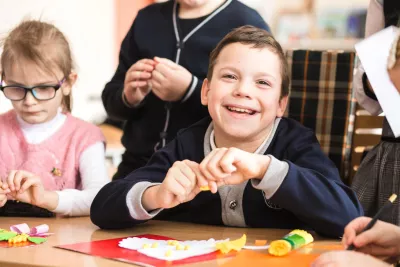
We work to ensure that every child has equal access to quality education and can participate fully in school life. Together with our partners, we promote an inclusive learning environment that responds to children’s diverse needs, including those of children with disabilities and developmental needs, as well as children from migrant and refugee families. We help create opportunities for children to learn, develop their abilities and receive the support they need.
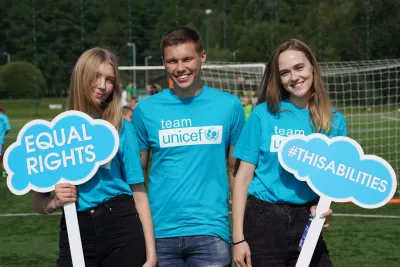
We support adolescents and young people in developing the skills they need to build their futures with confidence. We believe young people should have opportunities to speak openly about issues that matter to them, participate in decision-making, and work together with adults to find solutions to challenges that affect their lives. We help adolescents develop confidence, creativity, communication and teamwork skills.

We help adolescents and young people, including those from vulnerable groups, better prepare for independent life and their future careers. We support the development of skills needed for employment, introduce young people to modern career opportunities, and help them make informed career choices. Our goal is to help every young person see the opportunities available for their future and gain the skills they need to pursue them.
Monitoring
UNICEF helps strengthen the collection and analysis of data about children in Belarus. High-quality, up-to-date data provides a better understanding of children’s needs, helps identify existing challenges, and shows which children and families may require additional support.
This data helps inform evidence-based decisions, improve programmes and services for children, and assess how effectively interventions contribute to their well-being. Attention is given to ensuring that data reflects the needs of the most vulnerable groups of children and help promote equal opportunities for every child.

Emergency Preparedness
Emergencies can affect children and families in different ways and disrupt access to essential services, including healthcare, education, social services and psychosocial support. Children with disabilities, children from vulnerable families, as well as refugee and migrant children, may be particularly at risk in such situations.
That is why UNICEF works with partners not only during emergencies, but also in advance to help national systems prepare for potential crises. We support education, health and social protection systems so they can continue providing essential services to children even in challenging circumstances, while ensuring that professionals are prepared to respond quickly to the changing needs of children and families.
When an emergency occurs, this preparedness helps ensure a faster response, provide the necessary support and protect the most vulnerable children.