190 million children exposed to El Niño-related climate risks across Asia and the Pacific – UNICEF
El Niño could worsen conditions for children and families already enduring the impacts of climate shocks, conflict and economic hardship
BANGKOK, 6 October 2026 – An estimated 190 million children across Asia and the Pacific live in areas expected to experience unusually wet or dry conditions linked to El Niño between October and December 2026 – the largest number of any region globally, UNICEF warned today.
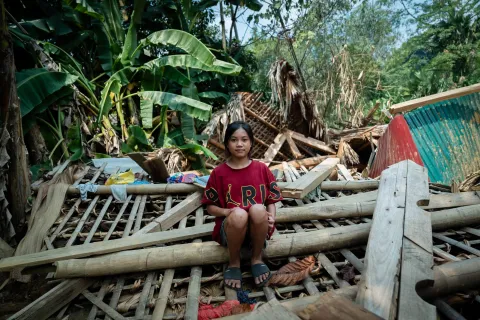
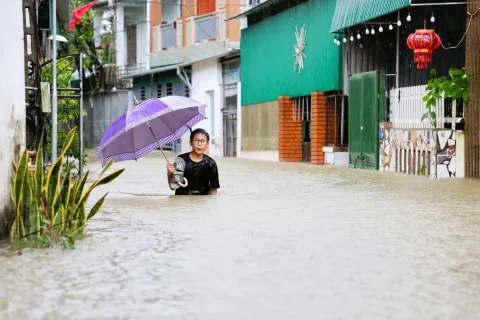
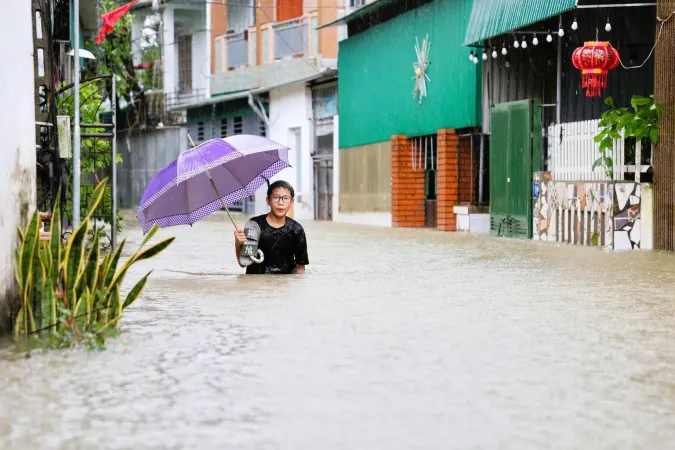
The 2026–2027 El Niño is forecast to become one of the strongest on record. Changing rainfall patterns are expected to increase the likelihood of severe droughts, flooding and other extreme weather, threatening children's health, nutrition, education, protection and access to safe water, sanitation and hygiene services.
“For millions of children across Asia and the Pacific, El Niño risks becoming another crisis on top of the multiple pressures already affecting their lives,” said Sanjay Wijesekera, UNICEF Regional Director for Asia and the Pacific. “Many children and families are already struggling with the effects of climate shocks, conflict, displacement and economic hardship. El Niño could put even greater pressure on their health, nutrition, education and safety.”
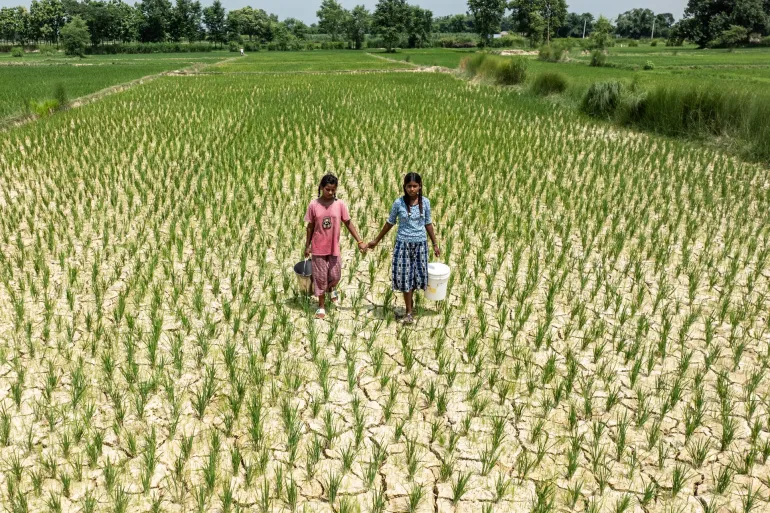
The risks will vary considerably across the region. Fiji, Vanuatu, the Solomon Islands, Timor-Leste, Papua New Guinea and the Philippines are among countries expected to experience drier conditions linked to El Niño, potentially contributing to agricultural drought and water scarcity and increasing the risks of displacement and acute malnutrition. Other countries, such as Sri Lanka, are expected to experience wetter than average conditions. In crisis and conflict-affected countries such as Afghanistan, El Niño could compound existing hunger and malnutrition, displacement and limited access to essential services.
El Niño also comes as children and families across Asia and the Pacific are already contending with repeated climate shocks and mounting economic pressures linked to the Middle East crisis. In countries like Nepal and Pakistan, floods, storms and extreme heat have displaced families, damaged infrastructure, disrupted agriculture and livelihoods and placed additional strain on essential services. At the same time, rising food and living costs and disruptions to local markets are stretching household budgets, leaving vulnerable families with fewer resources to absorb another shock.
“For many families, there has barely been time to recover from one shock before facing another,” Wijesekera said. “When crops are lost, food prices rise or livelihoods are disrupted, the consequences quickly reach children – through the meals they eat, whether they can stay in school and whether their families can afford the health care and other essentials they need.”
These pressures can also increase the risks of school dropout, child labour, child marriage, violence and exploitation, with girls particularly affected through interrupted schooling, increased care responsibilities and heightened protection risks.
UNICEF is working with governments and partners across the region to strengthen early warning and preparedness, pre-position critical supplies, protect essential services and reinforce climate-resilient systems. These efforts depend on adequate, timely and flexible funding, including for anticipatory action, so countries and communities can prepare and respond before risks escalate.
“We know this threat is coming, and we still have an opportunity to act,” Wijesekera said. “We cannot wait for water sources to run dry, food to become unaffordable or children to be forced out of school before we respond. Acting now can help keep critical services running and get support to vulnerable children, families and communities before needs escalate.”
UNICEF is urging governments, donors and partners to invest now in preparedness and anticipatory action, including strengthening social protection systems, so support can rapidly reach those most at risk. Flexible and timely funding will be critical to turning forecasts and early warnings into action before shocks hit.
###
Notes to editors
The 190 million figure estimates the number of children living in areas across Asia and the Pacific where rainfall between October and December 2026 is forecast to be unusually dry or unusually wet because of El Niño. It is an estimate of exposure to unusual rainfall conditions, not the number of children expected to be directly impacted.
The estimates combine the European Centre for Medium-Range Weather Forecasts seasonal forecast issued in September 2026 with WorldPop child population data and an El Niño footprint based on historical events from the International Research Institute for Climate and Society. The forecast has an approximate spatial resolution of 110 kilometres and therefore provides broad population estimates rather than precise local counts.
Media contacts
Additional resources
About UNICEF
UNICEF promotes the rights and wellbeing of every child, in everything we do. Together with our partners, we work in 190 countries and territories to translate that commitment into practical action, focusing special effort on reaching the most vulnerable and excluded children, to the benefit of all children, everywhere.
Follow us on: Facebook • X • YouTube • LinkedIn