Building a circle of support: Sometimes, a friend is the first to notice
Across Armenia, adolescents are learning to better understand their own well-being, support their peers and know when and where to seek further help.

- Հայերեն
- English
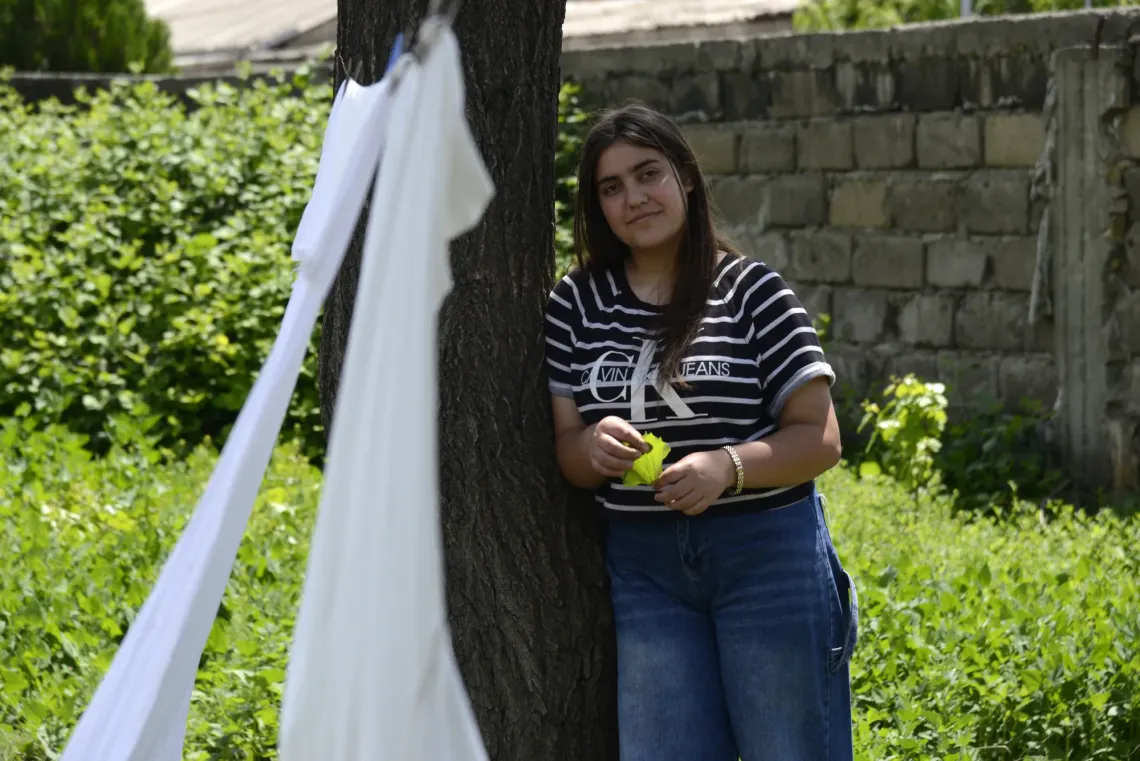
When Monika Minasyan, 17, feels overwhelmed, the first person she is most likely to confide in is her older brother. Monika has many friends at school that she hangs out with, but when things feel particularly difficult, her brother is always there.
In 2023, Monika’s family was among the 115,000 ethnic Armenians who were forced to flee their homeland, seeking refuge in Armenia. Now living in Artashat, she remembers how difficult the first months were. One day, while watching videos of her home village online, Monika became so overwhelmed that she fainted.
She considered seeing a counselor, but after starting school and being warmly welcomed by her classmates, she decided to cope with the changes on her own. The emotions, however, did not simply dissipate. So, when she heard about an extracurricular course for adolescents on psychological first aid, she decided to take part along with 14 of her peers.
Her first discovery was that supporting others starts with understanding yourself.
“During the sessions, I realized that I had never really stopped to ask myself questions like: Who am I? What do I want? How do I see myself? Is my self-esteem high or low, and why?” she says.
Using a practical manual, their group explored self-awareness, self-esteem and ways of understanding and responding to difficult emotions. For Monika, one exercise was particularly important: identifying the strengths she already had. “I’m patient, I’m resilient, I don’t give up, and nothing will stop me from achieving my dreams,” she lists. “Recognizing these traits gives me a new kind of strength.”
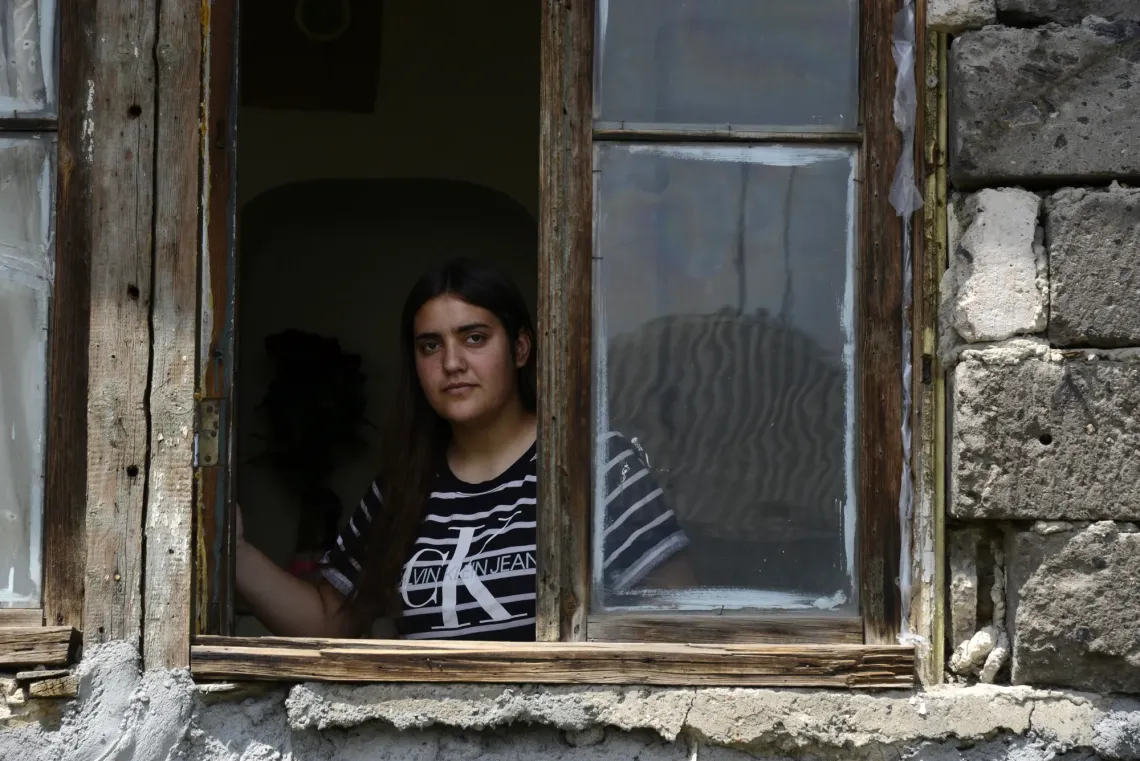
Monika's experience points to a wider challenge. During their teen years, children may not always turn first to their parents, teachers or mental health professionals as they struggle with big emotions. Sometimes, the first person they talk to is simply their friend or sibling. As refugee children cope with profound sense of loss, while watching their parents struggle, this may become more problematic in a community they are still adjusting to.
“Adolescents need adults and professional services they can trust, but they also need to know how to support one another,” says Viktoria Ohanyan, Child Protection Specialist a.i. at UNICEF Armenia “Our objective through these training sessions is not to turn young people into psychologists, but help them reflect on their own well-being, be able to listen to a peer without judgement, recognize when someone may need more support and know where that support can be found.”
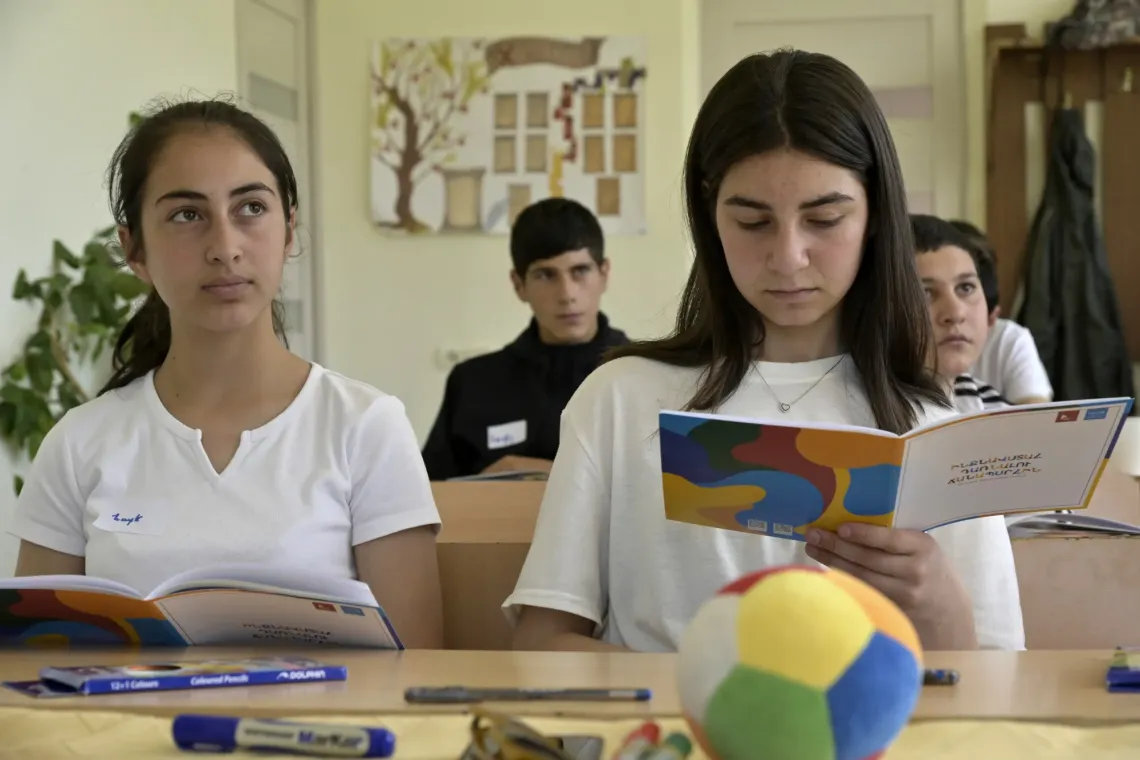
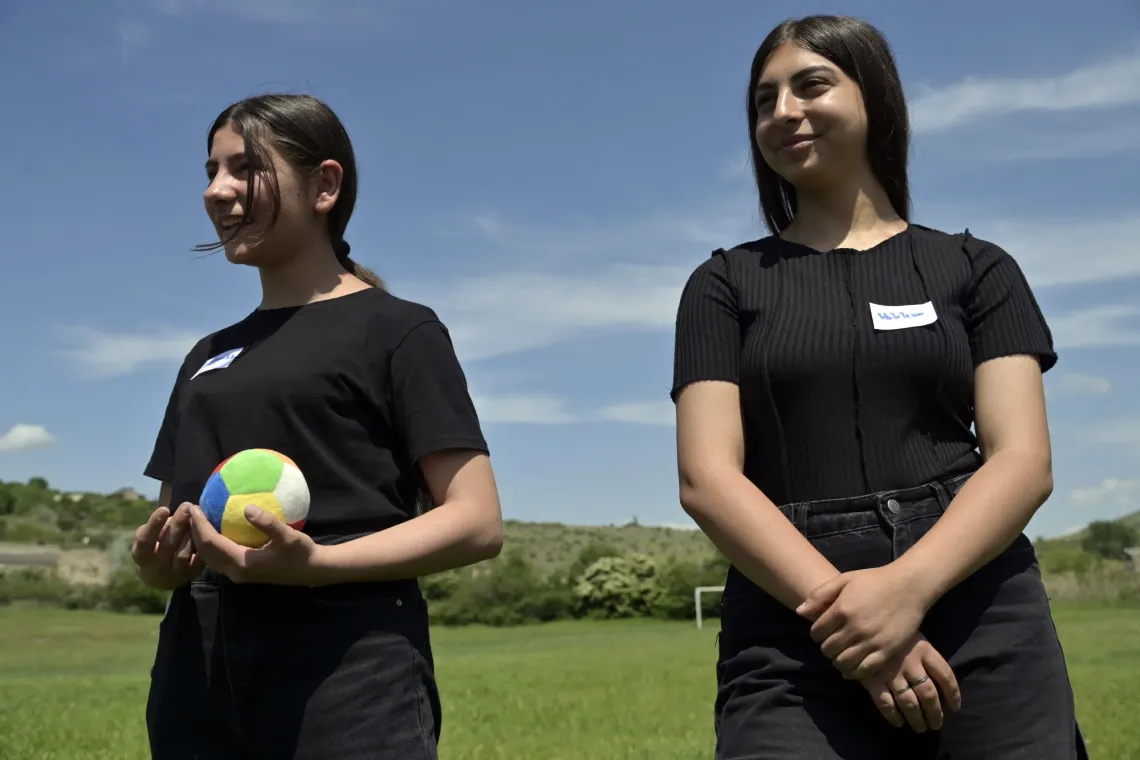
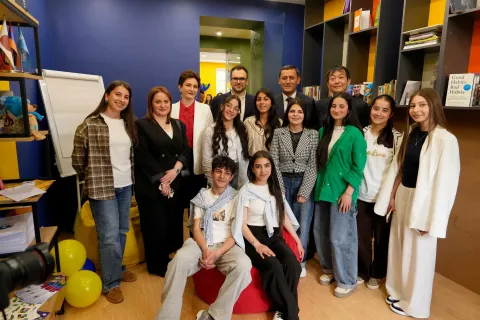
Throughout 2025, UNICEF with the Parenting School NGO and support from the Afeyan Foundation, trained over 2,000 adolescents from refugee and host communities across Armenia, providing them with a safe space to discover their strengths, build practical skills for resilience and learn from one another. The impact has extended well beyond these sessions: participants have gone on to share what they learned with their peers, reaching more than 18,000 adolescents in their communities.
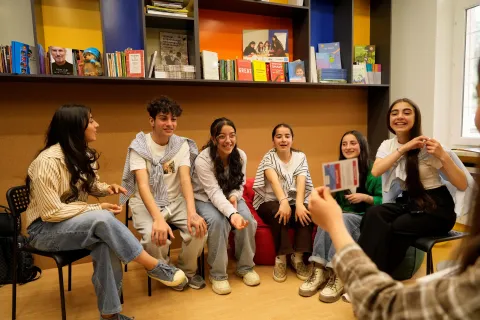
For psychologist Ani Mesropyan, Parenting School NGO, creating the right environment was essential. Before each session, Ani agreed on a few simple rules with the group: listen to one another and respect what others share. The adolescents added their own, no phones and no interruptions.
Then the conversations began. “There are no right or wrong opinions,” Ani would say. “In a relaxed environment, adolescents were willing to explore questions they might never discuss elsewhere.”
She has seen initially skeptical participants become some of the most engaged. In one group, several boys arrived asking how long the session would take. Once the activities began, the atmosphere quickly changed.
But for Ani, the clearest sign of impact often comes after the session is over. “Some adolescents ask for our phone number and contact us when they need support. Others find us on social media and stay in touch,” she shares. “What matters is seeing them use what they have learned. They don't have to organize a session or gather a group to make a difference. It might be taking time to understand what they themselves are feeling, listening differently to a friend or knowing when to ask for help. That already tells us something has changed.”
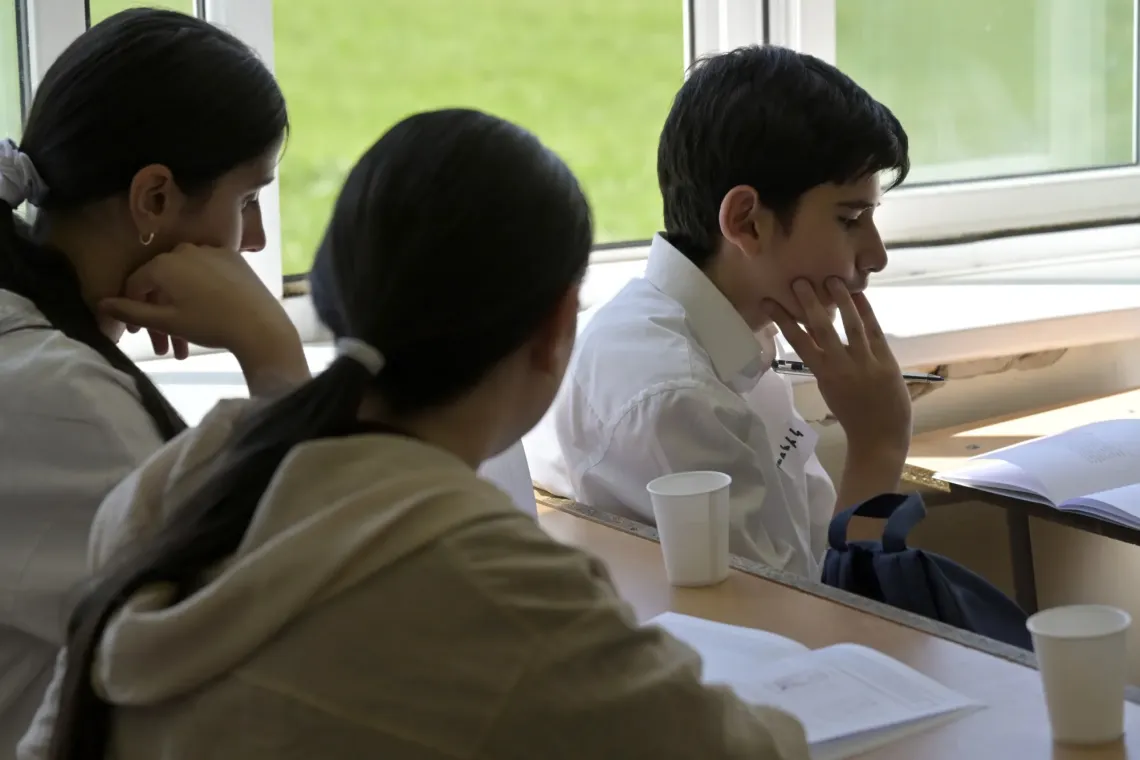
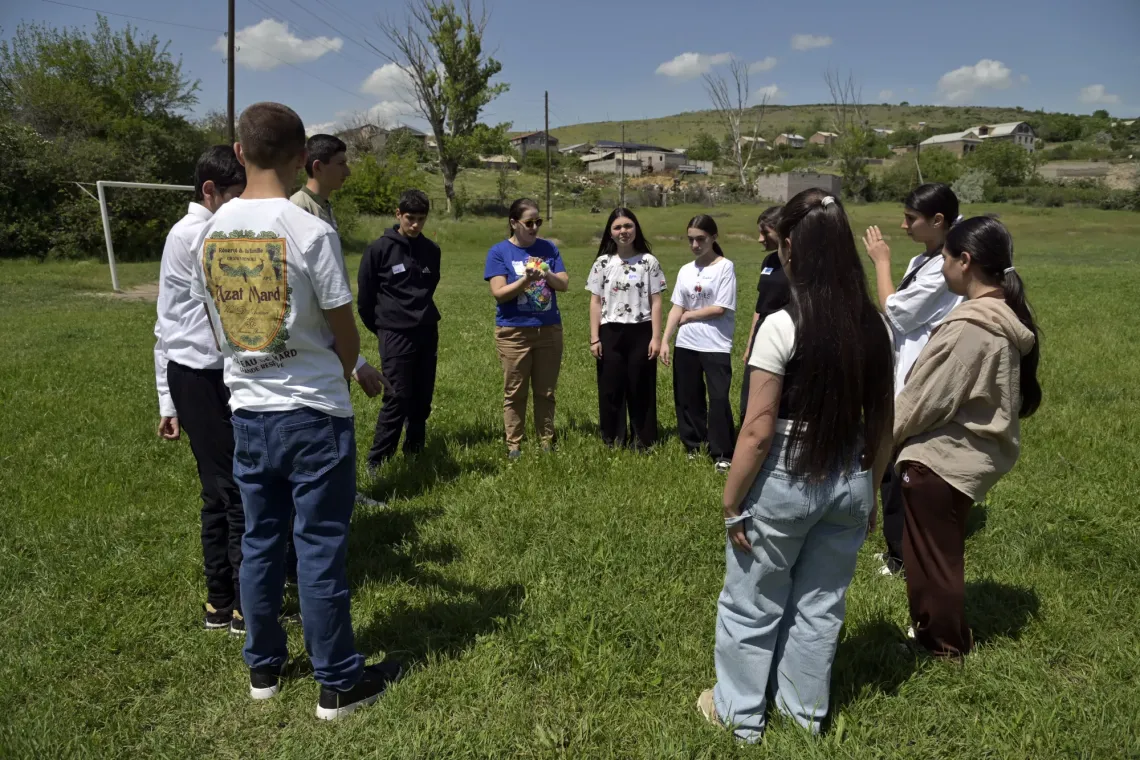
Listening to one another gives them an opportunity to see that while their experiences may differ, feelings of uncertainty, loneliness or self-doubt are not theirs alone. For UNICEF, that peer connection is one part of a broader effort to strengthen mental health and psychosocial support around children and adolescents, by working not only with young people themselves, but also with parents, professionals and frontline workers they rely on.
“Mental health support should not begin only when a young person reaches a crisis. It begins much earlier, when adolescents can recognize what they are feeling, have someone they trust to talk to and know where to turn when they need more help. By giving young people practical knowledge while also supporting their parents and professionals around them, we are building a wider circle of support so that no adolescent has to navigate difficult experiences alone.”
For Monika, that circle started with understanding herself a little better. There is one thing she’s sure of now: “I am resilient and I don’t give up!”