

Armenia continues to work towards inclusive education for children
Resource centres are helping children with special educational needs to receive the support they need and fulfill their potential at public schools.
- Հայերեն
- English
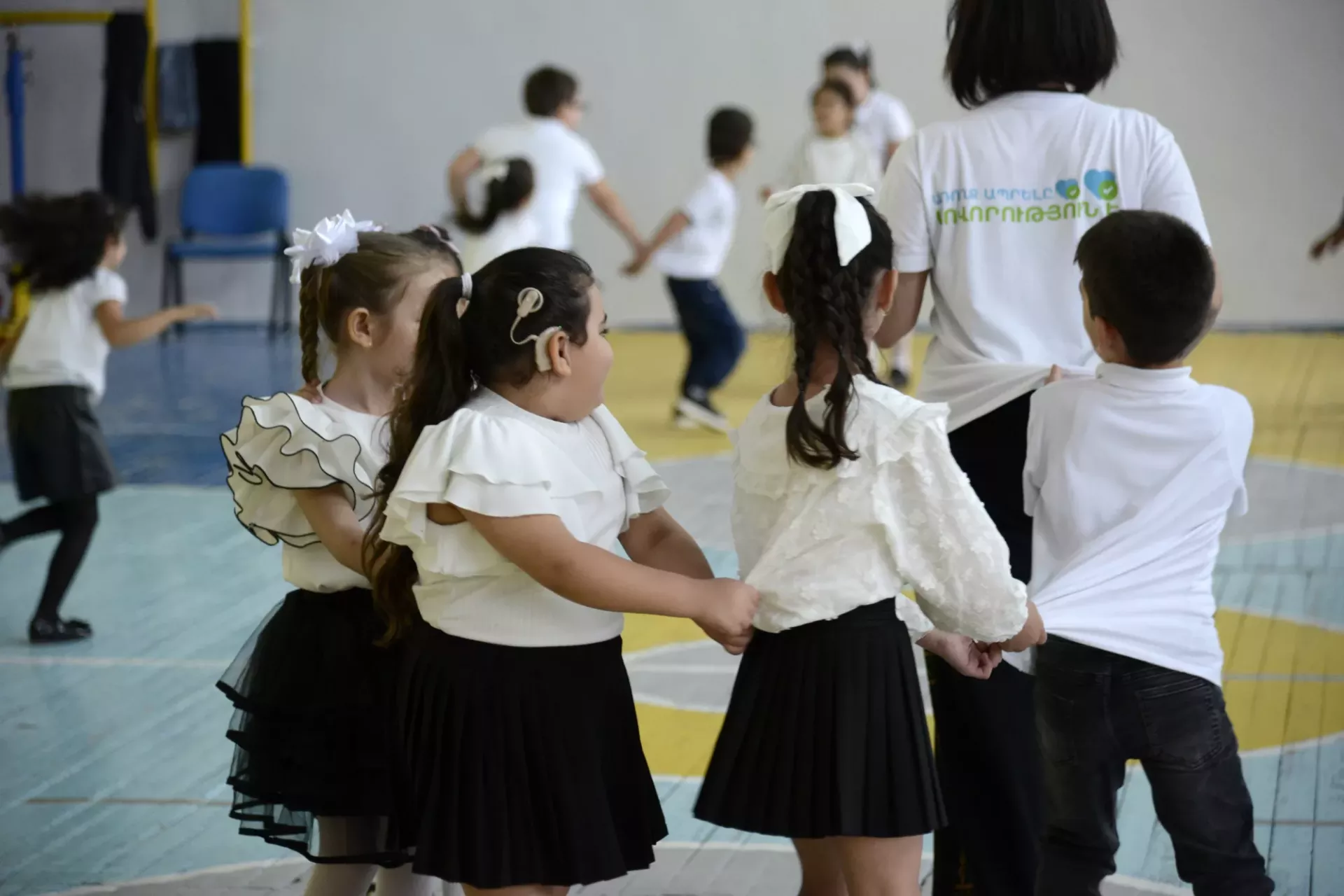
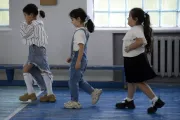
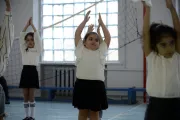
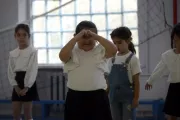
Six-year-old Arpi, who lives with a hearing impairment, is full of life – she loves to dance, play with friends and explore the world with boundless curiosity. When she noticed a UNICEF photographer’s camera, her curiosity kicked in. She decided to give it a try, capturing photos of her mother and her school, where she is now in the first grade.
Arpi’s mother, Karine, recalls that her daughter initially attended a public kindergarten. However, due to the lack of an accessible physical environment and supportive resources, the educators recommended transferring Arpi to a specialized institution.
“At first, I reacted strongly to the suggestion, but then I understood that specialists need to be well-prepared to provide proper education for a child with hearing impairments. I didn’t want to accept that my daughter might have to communicate using sign language—I had my own stereotypes about it. However, when I started working with Arpi at a special educational complex for children with hearing impairments, I fell in love with the sign language,” Karine shares.
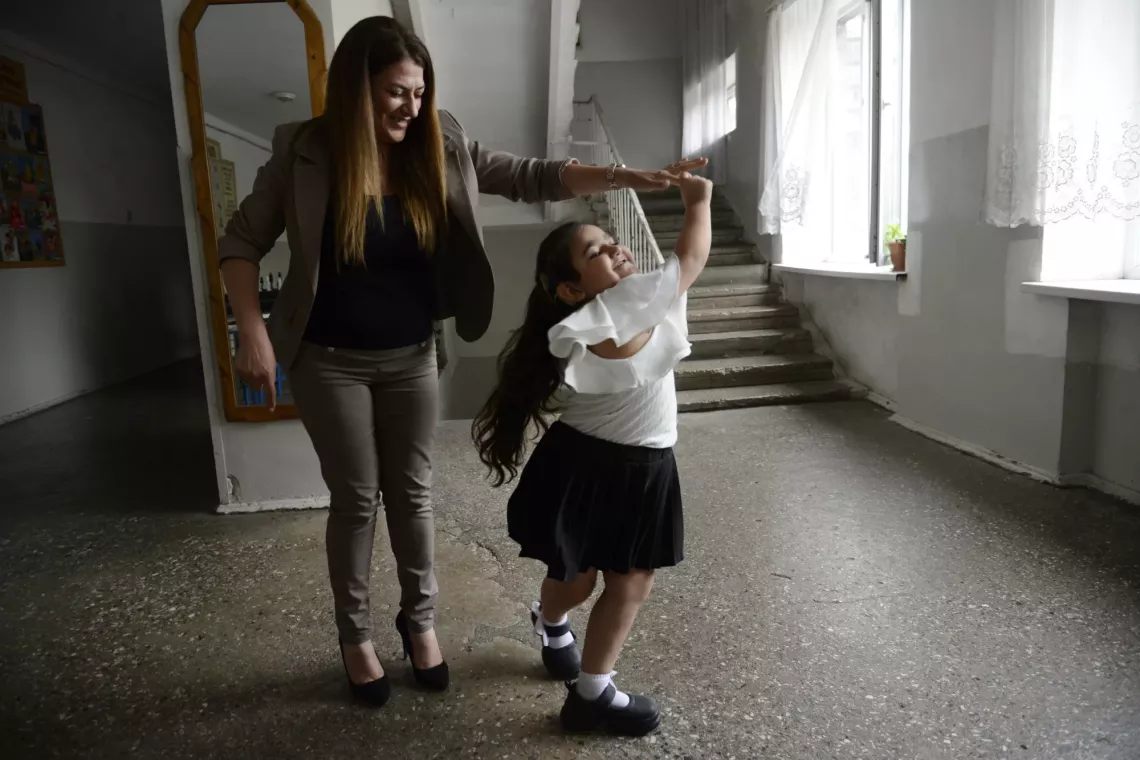
UNICEF, in collaboration with the Republican Pedagogical-Psychological Centre, is implementing a pilot project that also impacted Arpi. “The pilot project’s goal is to transform the special educational complex for children with hearing impairments into a resource centre, to develop tools for assessing auditory perception, and to organize training sessions for children with disabilities, their parents, and teachers,” explains UNICEF Education Program Officer, Hasmik Arakelyan. According to her, this initiative aligns with the state’s reorganization of special schools into resource centres.
“Our long-term objective is to ensure that children with special educational needs have access to competent and comprehensive professional support, enabling them to be effectively included in mainstream education alongside their peers. Today, one of the primary goals of general education is to create accessible learning conditions for all students. This includes offering an individual approach tailored to each child’s unique needs, fostering trust-based relationships, engaging students in classes, and imparting life-applicable knowledge and skills,”
Karine, Arpi’s mother, explains that the specialist guided them to the Arabkir Medical Centre. There, both she and Arpi received valuable support in preparing for school.
“A team is essential to provide psychological support to parents and address a child’s diverse needs,” says Karine. “When a team comes along that believes in your child’s abilities and says, ‘It’s time to go to a public school’, they take your hand and guide you. You trust them, trust yourself and move forward together.”
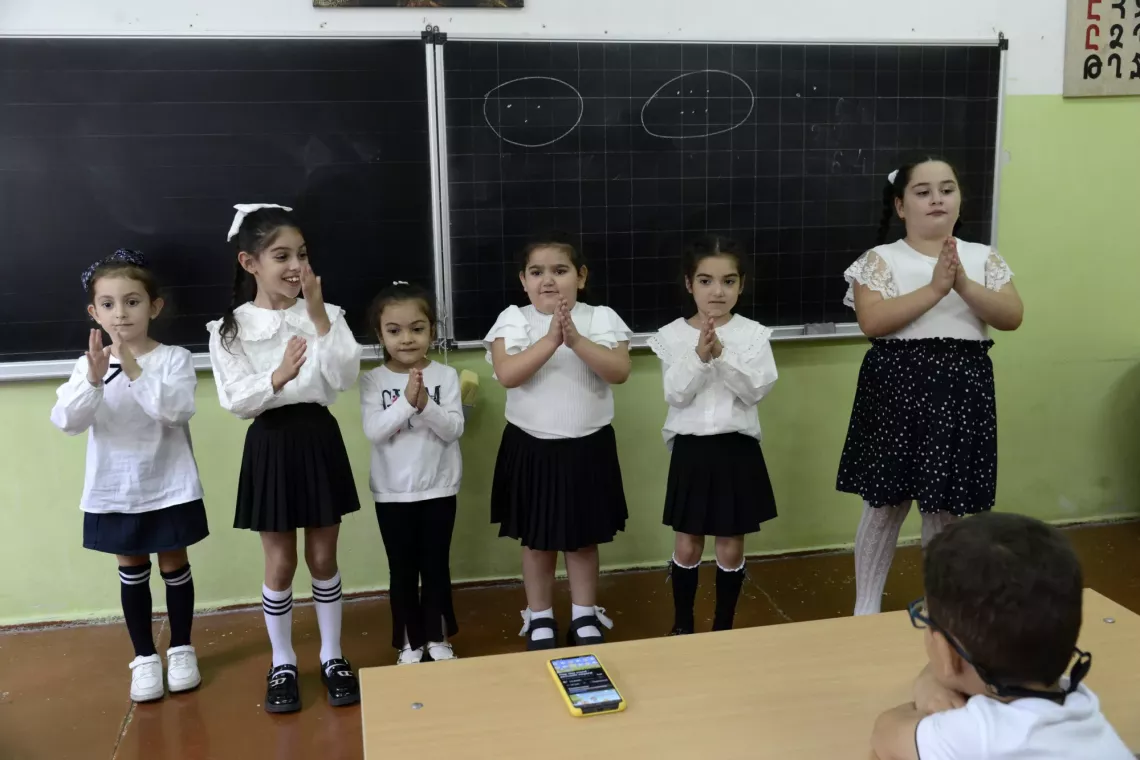
In 2022, changes to Armenia’s Law on Public Education redefined the role of “special schools,” transitioning them into resource centres. These centres, in addition to offering educational programmes, now provide pedagogical-psychological services such as training, consultations, sign language education, and the development of reasonable accommodations. They also create accessible information platforms and logistical infrastructure to support educational institutions, collaborating with teachers to enhance their ability to support children with disabilities.
“By 2025, the special school for students with hearing impairments will transition into a special school-resource centre,” explains Lilit Mnatsakanyan, the Director of the Republican Pedagogical-Psychological Centre.
“The purpose of a resource centre is to ensure the education of every student enrolled, taking into account general educational standards and programmes, as well as the student’s age, physiological and socio-psychological development, interests and abilities,” adds the director. “Additionally, the centre will support students in general education institutions, offering basic and supplementary programmes.”
Gohar Mkrtchyan, Arpi’s teacher in the public school, says there are already positive signs.
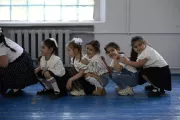
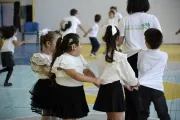
“The children have accepted Arpi with love and she, in turn, has made friends,” says the teacher. “It made me think – maybe I should start learning sign language to make communication easier. We can help each other achieve better results. About 20 years ago, I had a student with a hearing impairment in my class, and I didn’t want Arpi to face the same challenges. We are working hard to create a supportive environment for her, showing that everyone is equal.”
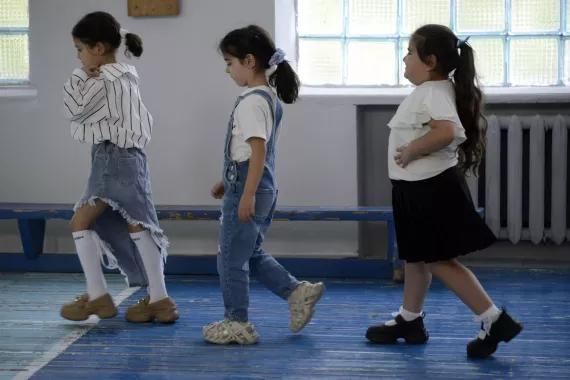
Specialist Lusine Babayan says that while teachers are sometimes criticized for lacking the skills needed to work with students with diverse educational needs, teaching can only be effective with adequate support.
“The resource centre model addresses this challenge by including mentoring support for teachers, engaging parents in working with their children and implementing supportive measures,” she says. “A single good teacher or a committed parent alone isn’t enough. True effectiveness comes when efforts extend beyond the classroom walls to influence the entire society.”
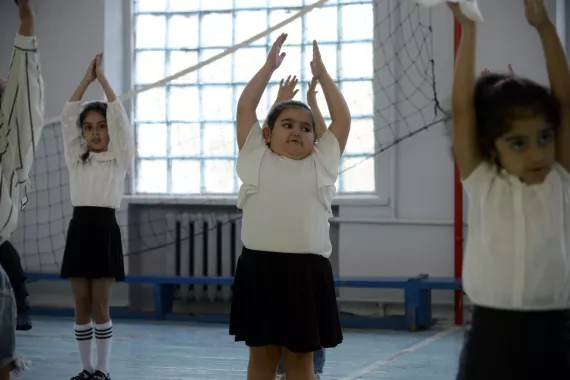
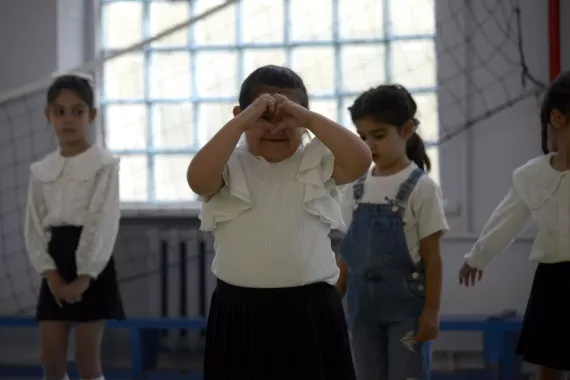
With funding from the UNICEF Swiss National Committee, 15 children with hearing impairments are now receiving specialized support from the Education Complex - Resource Centre for Children with Hearing Impairments. The initiative supports their full integration into public schools, not only in their learning process but also in adjusting to a new environment and building relationships with peers.
“We are hopeful that, as this project develops, we will witness significant progress for Arpi and other children with hearing impairments,” says Lusine. “When the right verbal environment and multi-faceted support are in place, these children can demonstrate their full potential, actively participate in the learning process and engage in all forms of collaborative activities with their peers.”
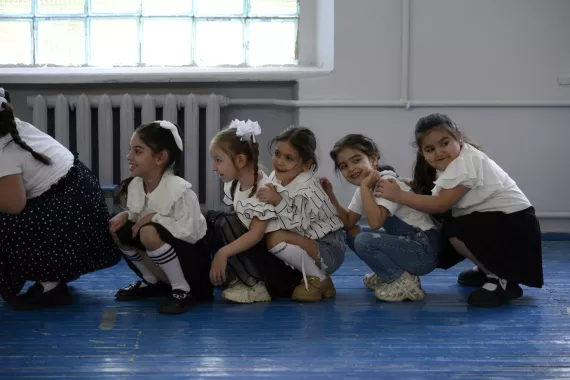
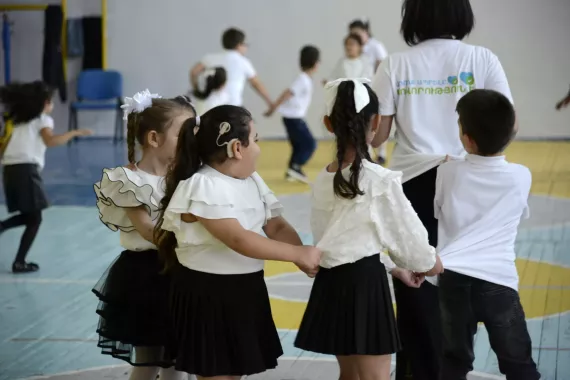
At school, Arpi’s classmates do not ask why she wears a hearing device. They have simply learned to adapt - speaking a little louder and repeating questions when necessary. Their experience teaches them that everyone is unique and it is our differences that make us special.
Thanks to resource centres, these differences can be evaluated and used to develop effective teaching strategies. This ensures that every child, regardless of their special needs, receives the education they deserve and can fully realize their potential in their society.


