

Assistive devices help unlock the potential of children with disabilities
UNICEF and Havat NGO provide specialized support to children with hearing impairment to support their social inclusion and access to education.
- Հայերեն
- English
Ani (name and photo changed), 10, is a bright-eyed girl who loves dance and gymnastics where she outperforms her peers. She has been attending a dance group and a sports school for a few years now.
"I have to practice a lot and do it well, so that one day I can make Armenia proud so that everyone around the world will know my name and my coaches," she says.
Ani's path to this dream hasn't been as easy as it may have for her classmates. When she was just one and a half, her parents noticed that she couldn’t hear well. Doctors examined her and confirmed that she had a severe hearing impairment.
Specialists selected suitable hearing aids for Ani, fitted them, and began working with her on speech development. After nearly five years of classes, Ani began to speak and, keeping pace with her peers, enrolled in a public school.
She is now one of the top students in her class and has many friends.
According to her mother, Ani has difficulty with writing dictations because of her hearing impairment. Reading is easier for her, as it is for many children with severe hearing loss, but understanding spoken language can be challenging, particularly in noisy environments.
To help overcome these challenges and support children's ongoing development, it is essential to regularly retest their hearing, assess their needs, and update hearing aids; this allows them to benefit from the latest advances in hearing technology, which often include more innovative features. When a device is damaged or develops a technical issue, replacing it becomes a pressing need for families, and often a financial hurdle.
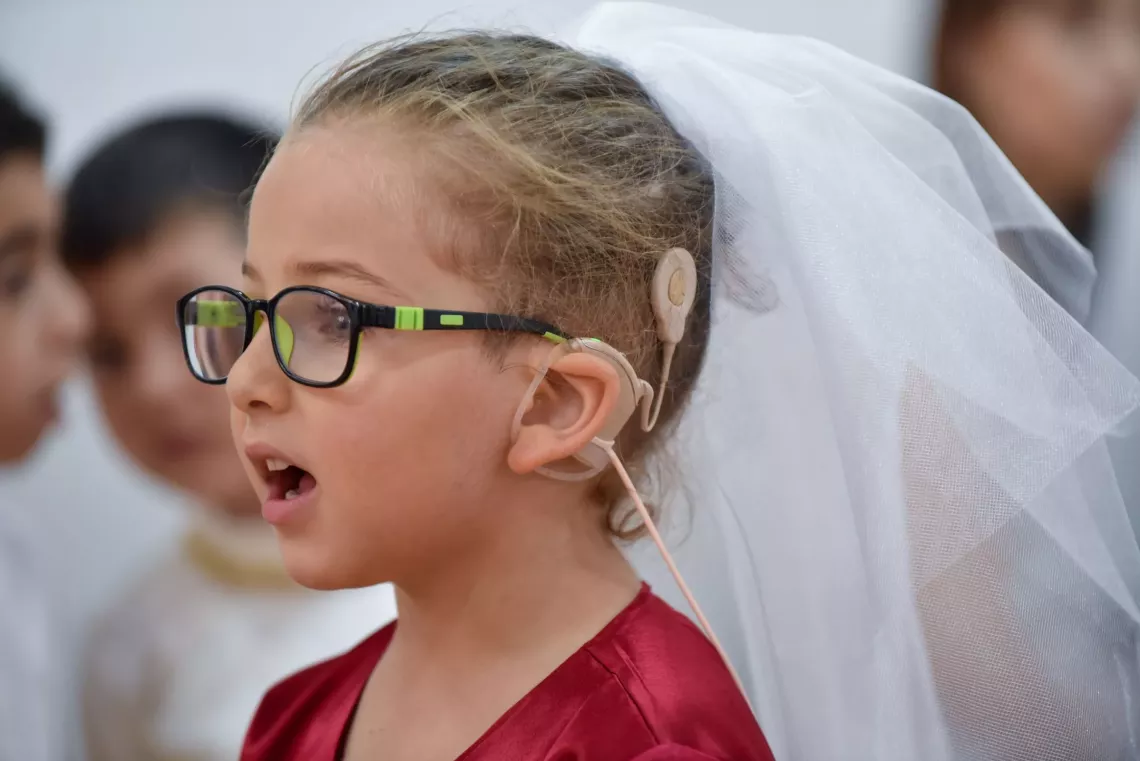
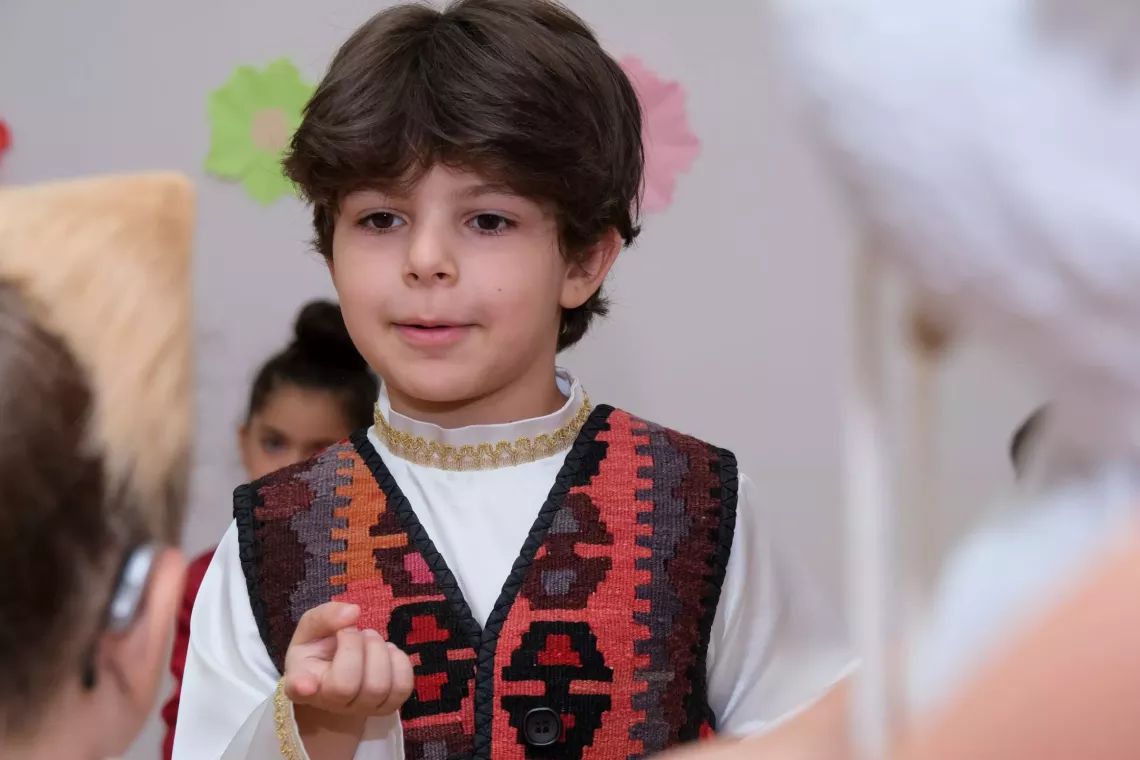
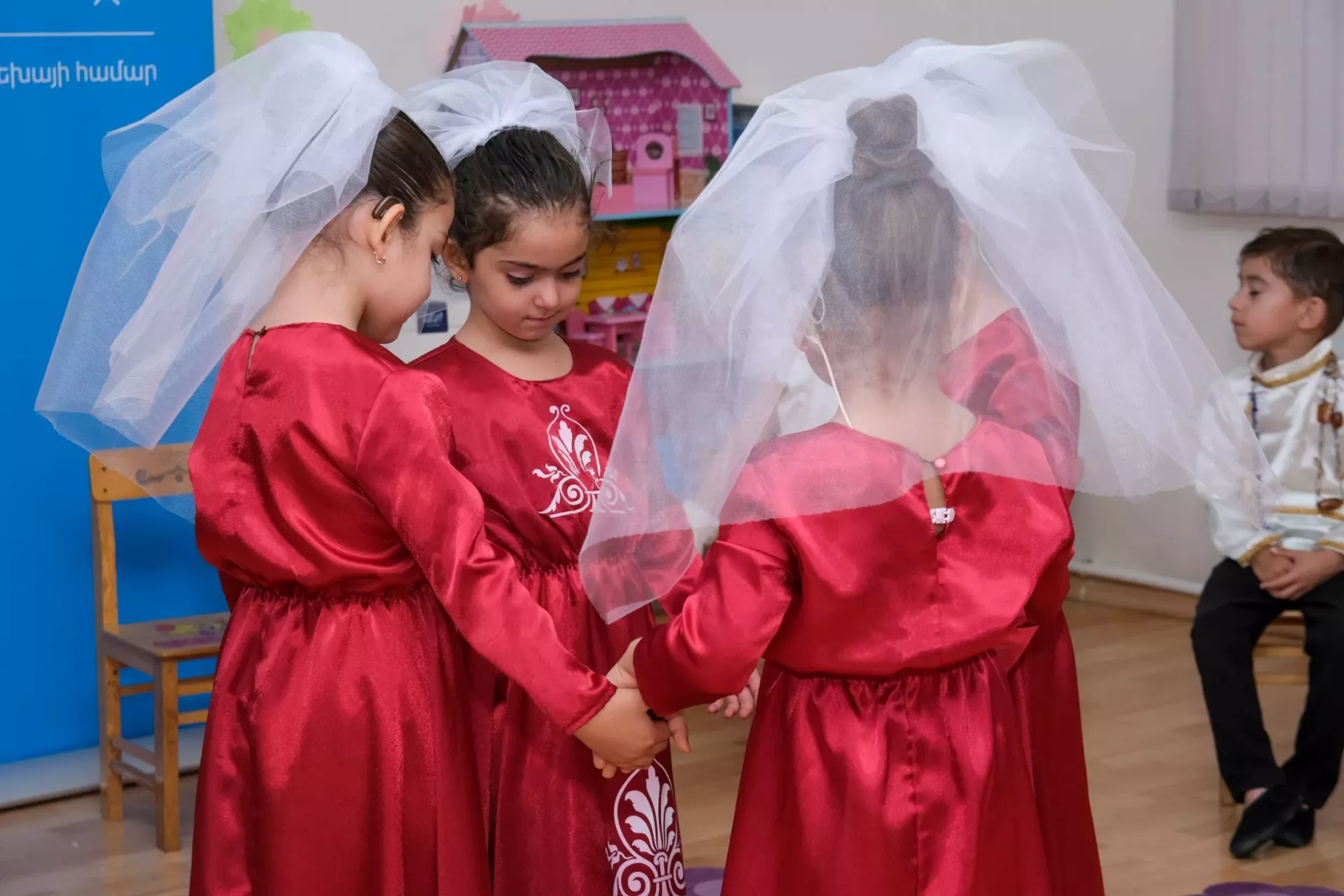
In 2024, UNICEF partnered with "Havat"—an NGO that brings together parents of children with hearing impairments— to support children with hearing difficulties. From June to October 2024, the needs of 56 children with hearing impairments, including 41 refugee children, were assessed to determine their needs and what type of support would best benefit them. As a result, children received specialised support from audiologists and other professionals, as well as 28 hearing aids, 28 individual inserts, and four earmoulds.
Aram’s (name and photo changed) mum Inga says they first noticed that he has issues with hearing when he was just three years old. The problem gradually worsened, and in 2021, they sought help at the Arabkir Medical Center in Armenia. He was given hearing aids, which significantly improved his condition. However, over time, the devices were damaged, and the family was unable to come to Armenia to get new ones. In time, this negatively affected his speech and communication.
"After getting a new device, we now see progress every day," Inga says. "When he couldn't hear, he didn't even know the names of his peers in kindergarten. Now, he comes home from school each day and tells me the name of one of his friends. His speech has also improved."
Anush, Ani's mother, shares a similar experience. "These new devices have opened up new horizons for Ani. We can feel it, and she confirms it through her achievements, big and small."
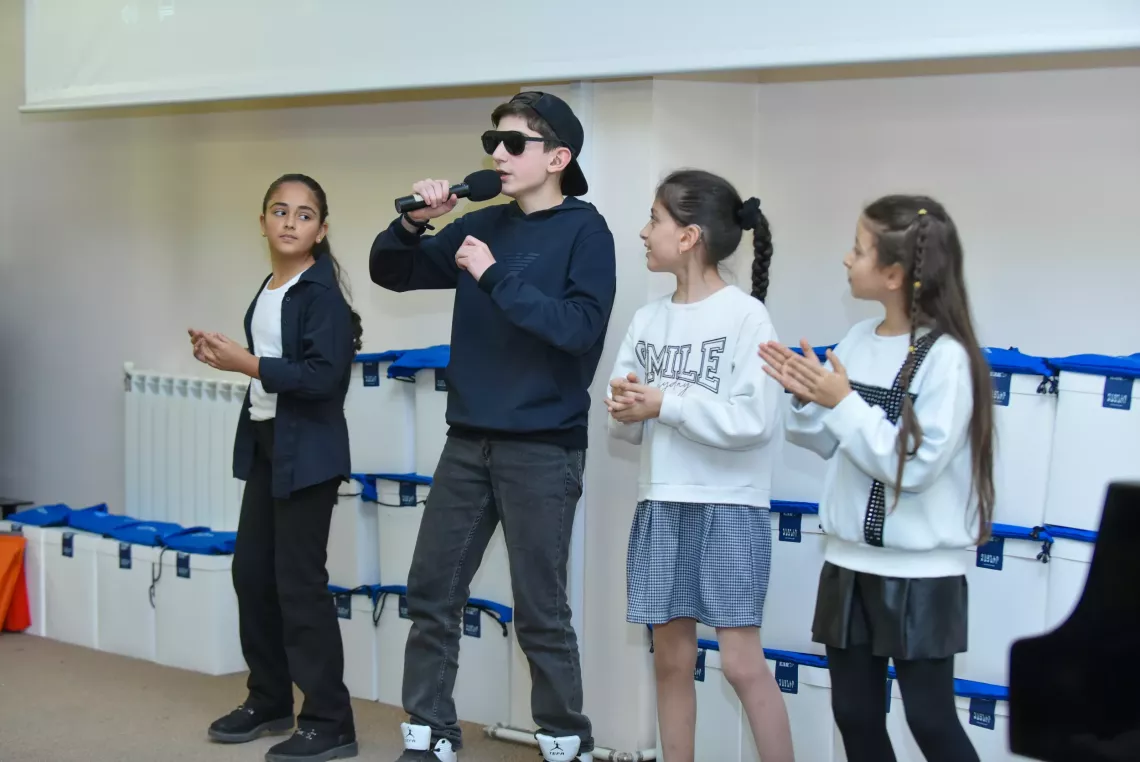
"Hearing aids and speech development classes for children lead to desired results. What's important is that families clearly understand the nature of the problem and the key steps needed to address it," says Karine Harutyunyan, Havat's president, stressing that delays and mistakes should be avoided as much as possible. "When it comes to children with mild hearing loss, parents often think that the issue is not a complex one," Harutyunyan explains. "Over time, many of these children develop insecurities or try to compensate for hearing loss in one ear by relying on the other. As a result, they often refuse to wear their hearing aids—something that should be avoided at all cost. If a doctor has prescribed a device, it means the child needs to use it," says Karine Harutyunyan, Havat's president, stressing that delays and mistakes should be avoided as much as possible.
She notes that parents of children with more severe hearing loss are typically well aware of the importance of high-quality hearing aids. "They truly understand how much these devices matter in their child's life, and they deeply value every sound and every word their child is able to hear or speak."
Ara Babloyan, President of the Arabkir Medical Centre's Institute of Child and Adolescent Health and a UNICEF partner, agrees, "Today, we see that early diagnosis and early intervention often allow us to prevent disability. They support children's speech and overall development in line with their peers. Children with hearing issues can develop speech on time and integrate into society without major difficulties. The best outcomes come when parents, specialists, and services work together, and when children have access to the equipment they need."

In September 2024, the UN Committee on the Rights of the Child, in its concluding observations on Armenia's implementation of the Convention on the Rights of the Child, welcomed the country's efforts in the early detection and intervention for children with disabilities. At the same time, it highlighted the inaccessibility and uneven distribution of disability services, particularly in remote regions, and called for continued efforts to develop and expand these services.
One of the key components of the partnership was the development of the "Dzaynir" (meaning ‘vocalize’) sets for speech development, designed for three specific age groups: 0-2, 2-4, and 4-6-year-olds. They include musical instruments, toys, and didactic materials. These specialized packages were distributed to 35 children with hearing impairments, complementing the professional support they were receiving, helping to improve both the quality and scope of the provided services.
To raise awareness about the care and early intervention needs of children with hearing impairments, UNICEF and Havat also produced a series of short informational videos. These videos offer parents clear guidance on various important topics, including newborn hearing screening, the use of assistive devices such as hearing aids, functional assessments for children with disabilities, support for families, and the role of rythm and music in a child's development.
"Assistive devices have a direct impact on the well-being of children with disabilities. They support the inclusion of children in society and help expand their educational and employment opportunities. For example, the proper use of hearing aids improves children's communication skills, enabling them to understand school subjects better and interact with teachers and peers," says Christine Weigand, UNICEF Representative in Armenia. “UNICEF will continue its work with partners in Armenia to ensure that all children have equal opportunities to develop their potential and contribute to the development of their community and the entire country."


