Facilitation guides

Resources to plan and lead relevant, appropriate, engaging activities for the adolescents
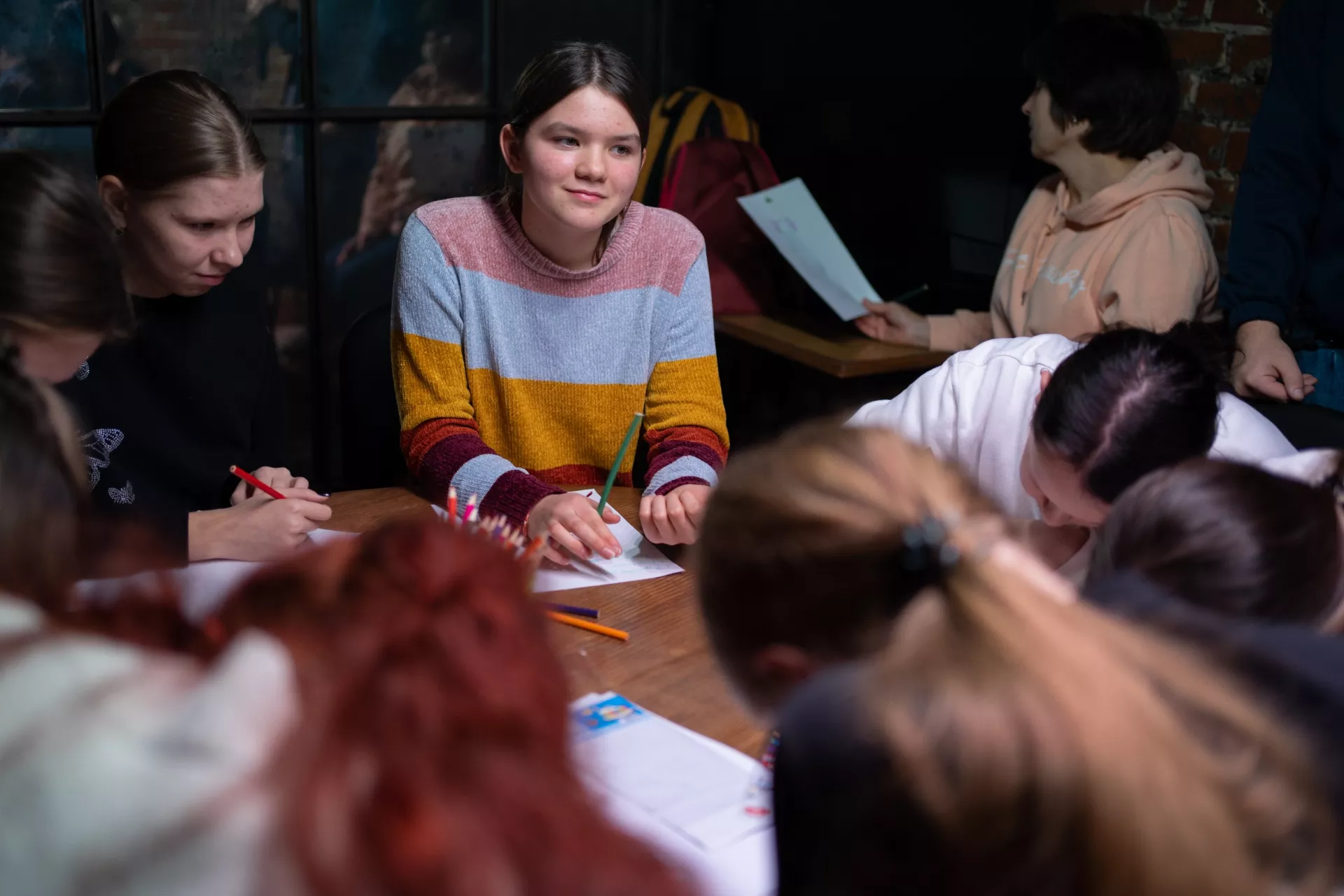
A group of young people sit around the table talking and drawing.
UNICEF/UNI466456/Aleksey Filippov

The guides for facilitators provide them with resources to plan and lead relevant, appropriate, engaging activities for the adolescents with whom they work, using effective, human rights-based facilitation methods. The guides outline basic steps that facilitators can take to plan and lead activities that support positive outcomes for the adolescents as they forming supportive ‘circles’ with their peers.
Explore the facilitation guides

Guide: Eight session steps

A session should follow a set of steps that is used routinely each time a Circle meets

Read now

Guide: About the Supply Kit

The Supply Kit is a set of materials, equipment and supplies that can be used to support activities with adolescents

Read now

Guide: Supporting circles

Facilitators play a key role in shaping strong Circles

Read now

Guide: Building a strong adolescent circle

Any group of adolescents needs support in forming a circle

Read now

Guide: Planning activity sessions for adolescents

Adolescents benefit from space for creativity and fun, balanced by structure and routine as they are learning, playing and working together.

Read now

Guide: The four activity phases

“Four phase” approach to plan and adapt sequences of activities for adolescents

Read now

Guide: Keeping circles safe and strong

A resource for facilitators

Read now

Guide: Forming adolescent circles

In order to learn and engage actively (inside and beyond their activity spaces), adolescents participating in any programme need to feel safe and included

Read now

Guide: Ten key approaches for working with adolescents

How programme coordinators, facilitators and others can engage positively with adolescents, and outline ways to make the most out of their time together

Read now

Guide: Ten key competencies for adolescents

Competencies for adolescent emotional wellbeing, healthy relationships and other skills that are relevant to their lives and circumstances

Read now