Mpox Awareness Helps a Monze Mother Protect Her Children
How Mpox awareness is helping families recognise symptoms early, seek care promptly and protect their children and communities

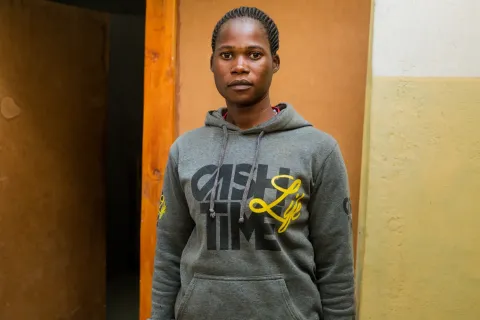
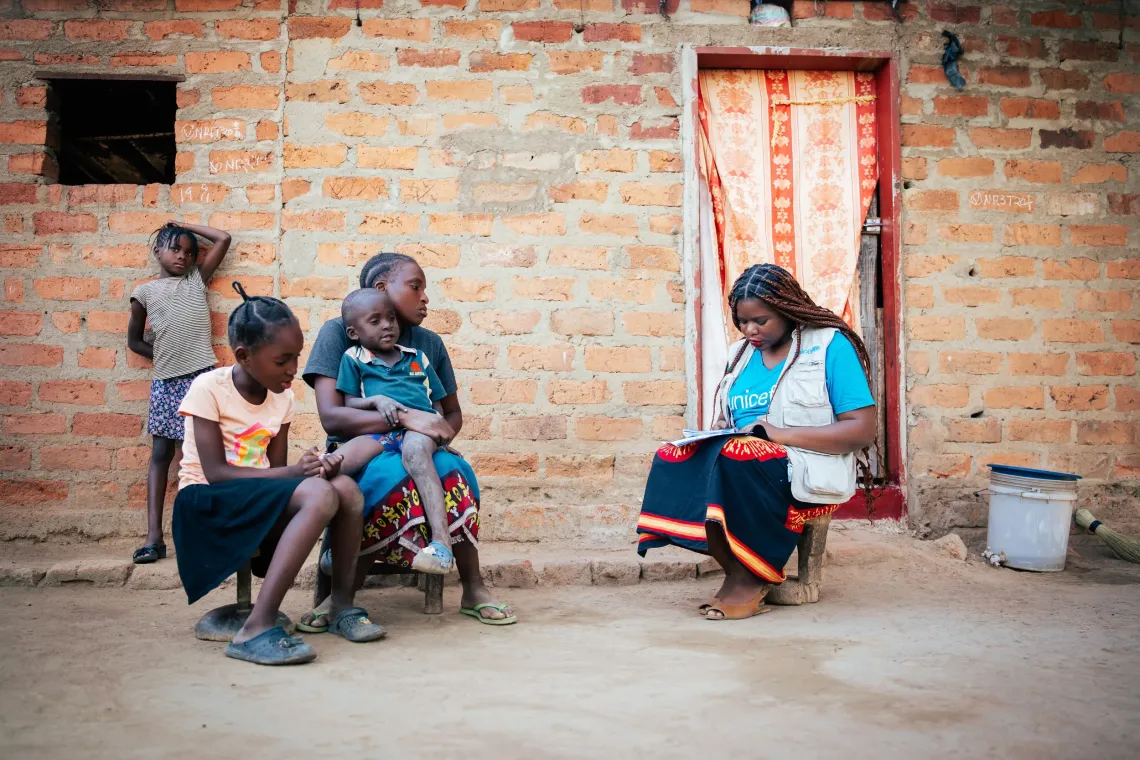
MONZE, Southern Province, Zambia, August 2026 --- In Kazombo community, Monze District, Caren Mutinta, a mother of two, says she had never heard about Mpox until community-based volunteers (CBVs) visited her household. The visit was part of an integrated risk communication, community engagement and community-based surveillance intervention supported by UNICEF, with funding from the US Centers for Disease Control and Prevention (US CDC), to strengthen Mpox preparedness and early detection in Southern Province. Implemented between April and June 2026, the intervention covered Monze, Kazungula, Livingstone and Chikankata districts.
“Before the community people came to sensitise us, we hadn’t known about Mpox,” Caren recalls. “After sensitisation, we came to know what Mpox looks like.”
During the household visit, the volunteers noticed rashes on her two children. Because they had been trained to identify signs and symptoms that could resemble Mpox, they advised her to take the children to the clinic immediately.
When these people came to sensitize us on Mpox, they found my children with symptoms that looked like Mpox, Caren further says. I was told to take my children to the clinic. Then I took them the same day.
At Chisekese Rural Health Centre, health workers assessed the children and confirmed that the condition was not Mpox. The children were treated for rashes and given medicine.
“They were treated and given medicine,” Caren says. “From that time, there has been no other problem; they are okay.”
For Chinyama Miriam Buku, Facility In-Charge at Chisekese Rural Health Centre, this example shows how community sensitisation strengthened early detection and timely care-seeking.
“Through the programme, we were able to identify suspected cases early and support timely referral and treatment,” she says. “We were able to do this because of the programme.”
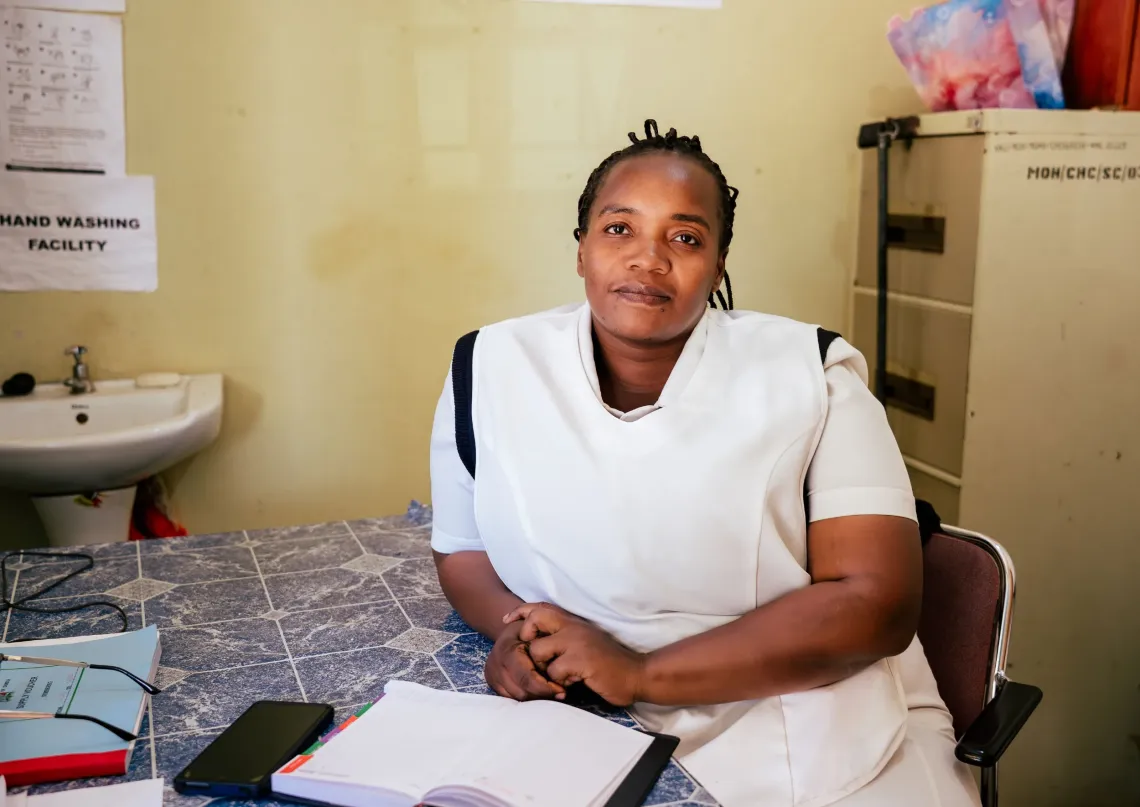
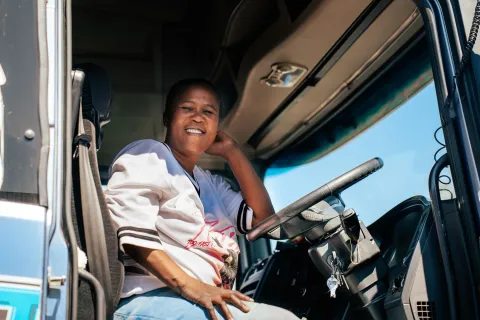
She emphasised that CBVs played a critical role in reaching households directly with lifesaving information. In the Chisekese catchment area, the programme reached approximately 1,588 households and 8,587 people, while also sensitising truck drivers and engaging headmen, pregnant women, and mothers of children under five.
“The programme was a success,” Buku says. “Our community is now able to identify the signs and symptoms of Mpox, and we are confident they will report to the facility if they suspect anything related to Mpox.”
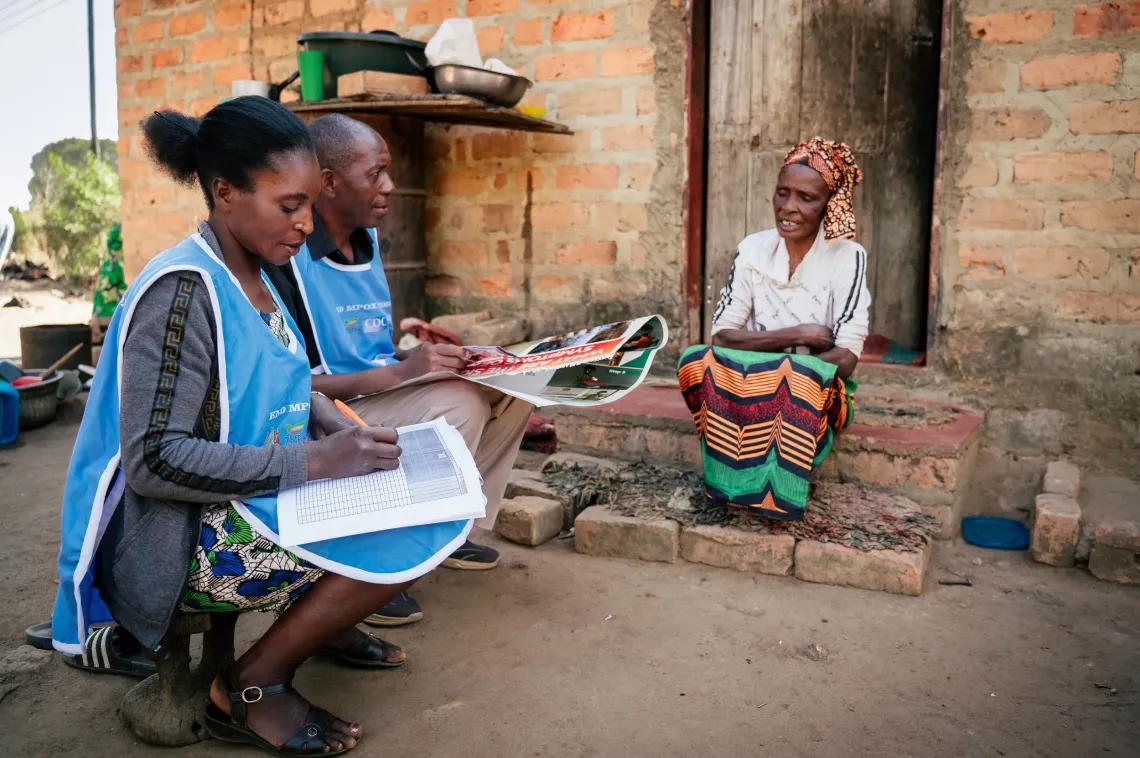
The CBVs played a critical role in taking lifesaving Mpox information directly to households and strengthening community-based surveillance. Through the training, CBVs were equipped to identify possible signs and symptoms of Mpox, explain how it spreads and can be prevented, and encourage families to seek care early when they notice symptoms of concern. For Cletus Mukonka, one of the trained CBVs, the training gave volunteers the confidence to move from house to house and engage communities with clear and accurate information.
We were trained in Mpox by UNICEF, and after being trained, we were deployed in the community to start sensitisation on Mpox: the signs and symptoms, how it spreads, and how we can prevent it.
For Sebastian Siyamwenga, village headman of Kazombo, engaging local leaders early helped strengthen community acceptance of the Mpox sensitization activities.
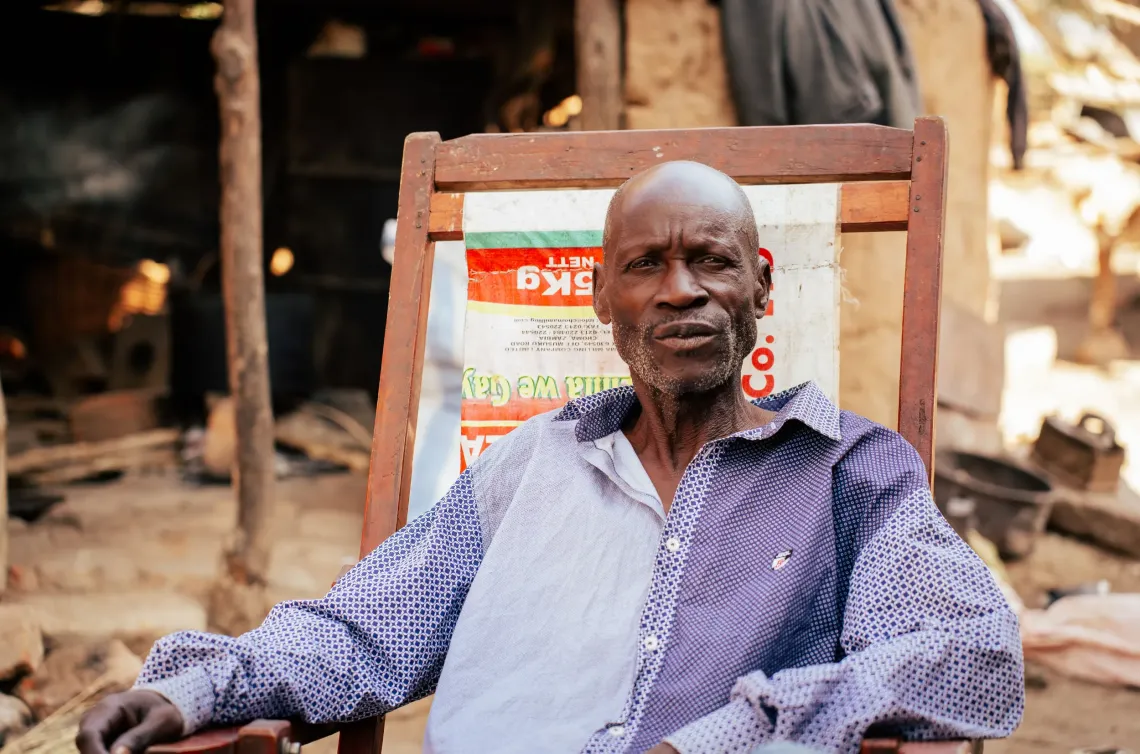
We thank the health facility for engaging us in this programme to sensitise the community on the signs and symptoms of Mpox. We are very happy that they engaged us early enough in this programme.
At provincial level, the intervention also demonstrated the value of community-based surveillance, timely risk communication, and collaboration between health workers, CBVs, community leaders, and partners.
“Between April and June, Southern Province captured 19 suspected cases of Mpox, and all these cases were referred to health facilities. Although surveillance was heightened, none of the 19 cases met the case definition of Mpox,” Dr. Calistus Kayunga, Provincial Health Director, Southern Province said.
The Provincial Health Director said the intervention showed the value of strong partnerships in bringing lifesaving information and services closer to communities.
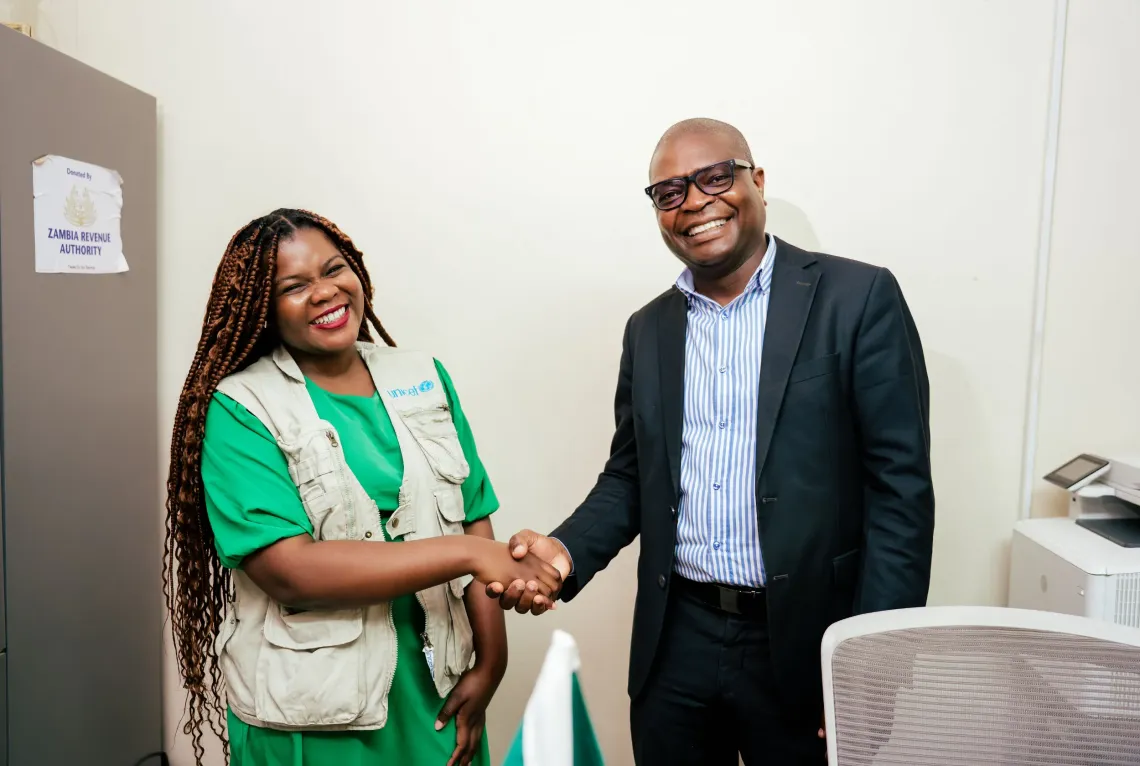
“The reach and impact of this project cannot be overemphasized. It made a huge difference within a short period by reaching our people and showing what can be achieved when we work together with partners. Through strong collaboration, we can design and implement interventions that positively impact the communities we serve,” Dr. Calistus Kayunga said.
For Caren Mutinta, the impact was immediate and personal: she received information, acted quickly, and her children were treated on time. Her experience shows how comprehensive door-to-door dissemination of lifesaving information can move communities from limited awareness to early action, protecting families while strengthening disease surveillance at community level.