A Click Towards a Brighter Future
How Faith’s dream Reflects Zambia's digital education revolution
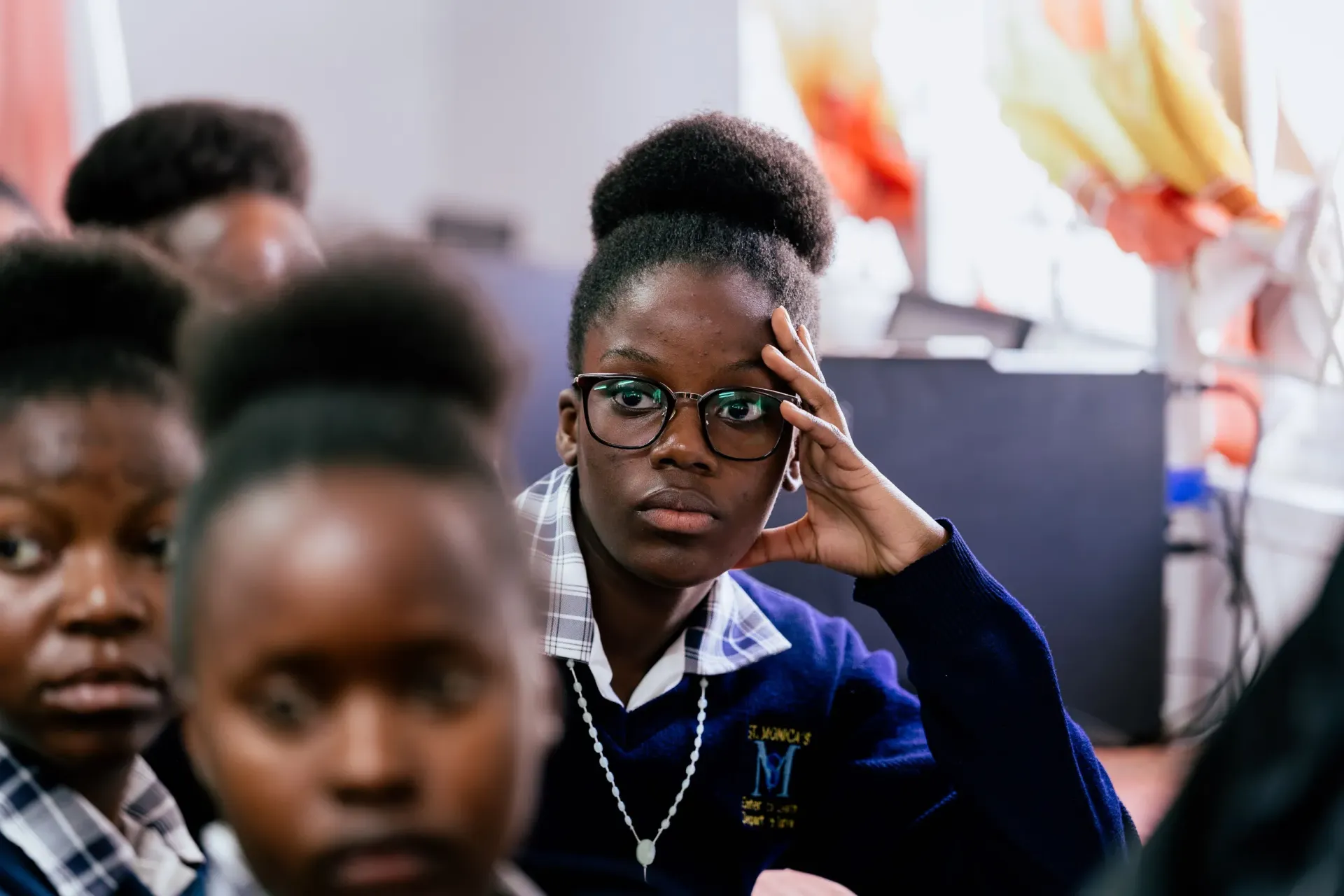
LUSAKA District, Lusaka Province, Zambia, July 2026 --- When Faith Kahanji speaks about her future, she does not begin with a profession. Instead, she begins with purpose. The Grade 11 learner at St. Monica's Secondary School in Lusaka dreams of standing up for others. Whether she eventually studies private law or international relations, one thing is already clear: she wants to defend human rights, especially every child's right to education.
“I am passionate about advocacy and defending human rights, especially the right to education. I believe that everyone deserves a chance to be educated.”
Learning without limits
Not long ago, Faith’s learning experience depended almost entirely on what happened in the classroom.
“Before digital learning was introduced at my school, we only learned through traditional methods in the classroom,” Faith recalls. “The biggest difference I have seen is that before digital learning, we did not have access to platforms like the Zambia Learning Passport, and easy access to modules, practice questions and past examination papers.”
Today things look very different.
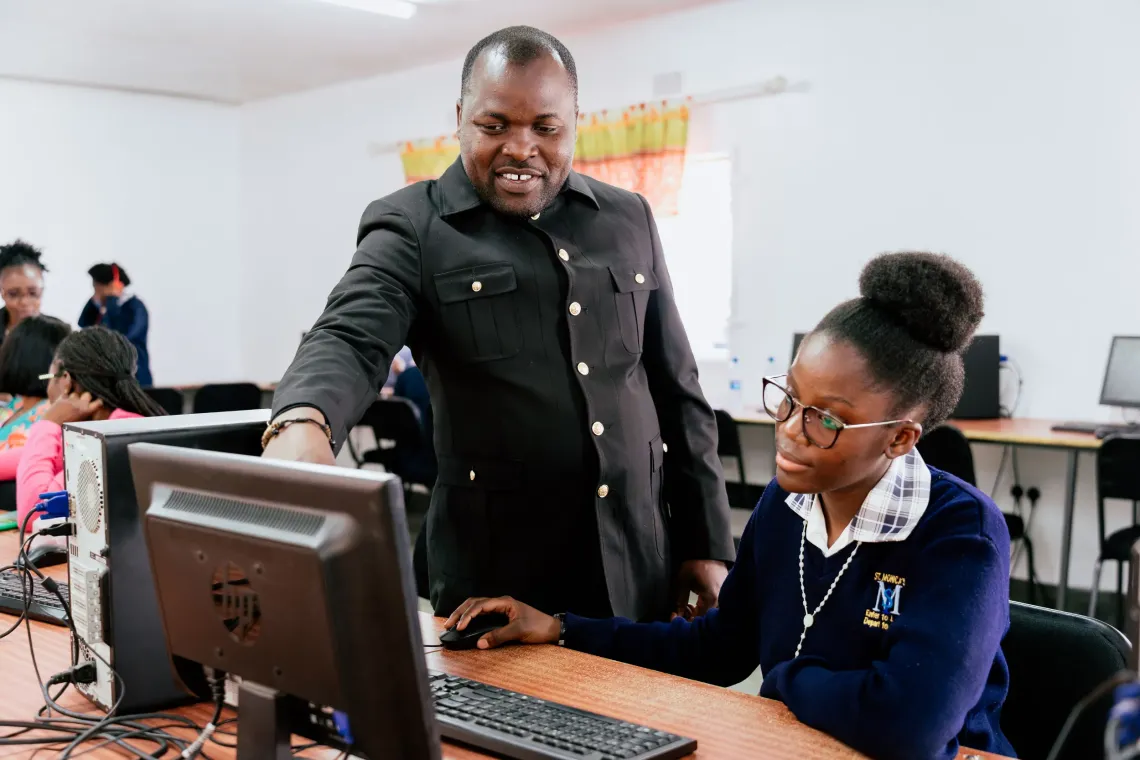
Through the Zambia Learning Passport developed by the Ministry of Education in collaboration with UNICEF and Airtel Zambia, Faith can revise lessons, access textbooks, watch educational videos, practice examination papers and learn independently, whether she is at school or at home.
The platform has transformed how she studies.
“It has helped me prepare for my exams and visualize my study timetables, and learn at my own pace,” she explains. “It has also allowed me to continue learning even when my teachers are not in class or when I am home.”
For Faith, digital learning is not replacing teachers. It is giving learners another chance to acquire digital skills, understand difficult concepts, strengthen their knowledge, and build the discipline to study consistently.
“School can be demanding, but having learning resources at any time makes all the difference,” she says.
A partnership opening doors
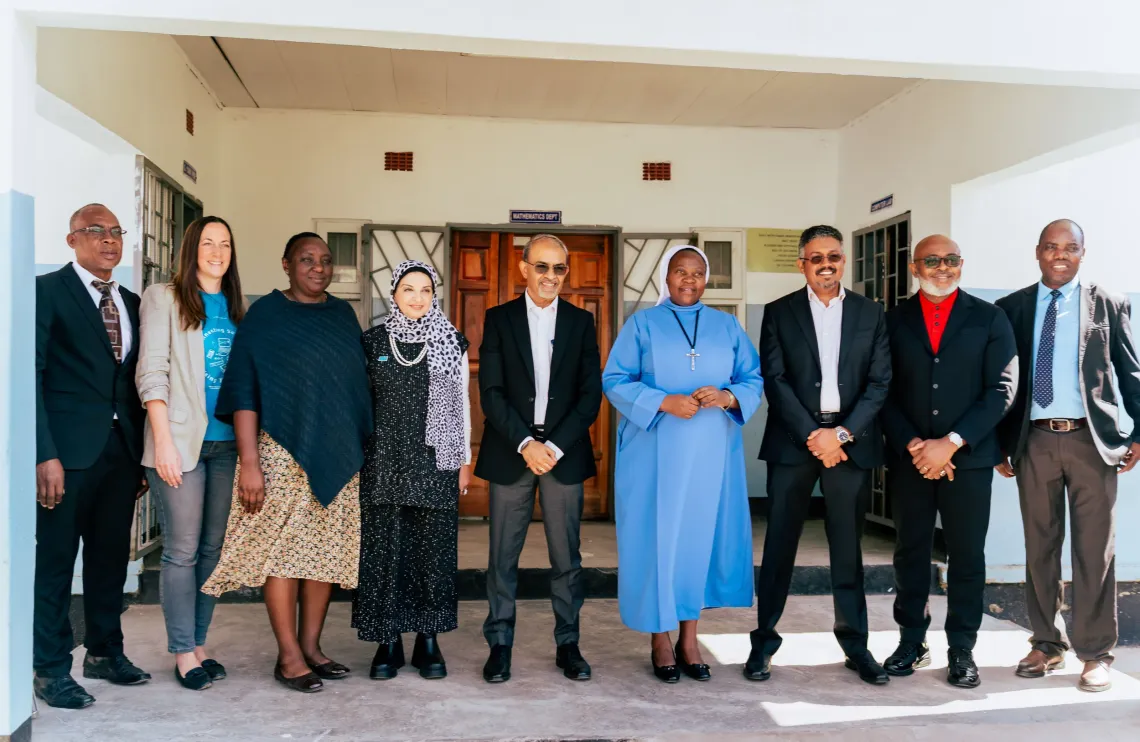
Faith’s story is one of thousands made possible through shared commitment to ensuring every child has access to quality education.
Since 2024, UNICEF, the Ministry of Education and Airtel have worked together to connect schools across the country in Zambia, expanding digital learning opportunities for children wherever they live.
The partnership has already connected 300 schools across Zambia’s ten provinces, trained 4,930 teachers in digital literacy and blended learning, and improved access to digital learning for more than 292,000 learners. The Zambia Learning Passport has also grown significantly through zero-rated access provided by Airtel allowing users to connect without worrying about the cost of data.
UNICEF Representative to Zambia Dr Saja Farooq Abdullah, says the initiative represents more than expanding internet access.
“The UNICEF-Government-Airtel partnership of digital learning in Zambia is part of UNICEF’s support to the Government of Zambia’s vision to ensure equitable access to quality education through digital transformation,” she says.
“Connectivity is not just about internet, it is about opportunity. It is about helping bridge the divide, especially for children in rural and underserved communities,” she adds
According to Dr Abdullah, the programme demonstrates how strong partnerships can transform education at scale.
“The partnership between UNICEF, the Ministry of Education and Airtel is a strong example of how public-private partnerships can accelerate impact at scale. The leadership of the Ministry of Education ensures ownership and sustainability, while Airtel’s contribution is enabling affordable and accessible connectivity for schools and learners.”
Reaching every learner
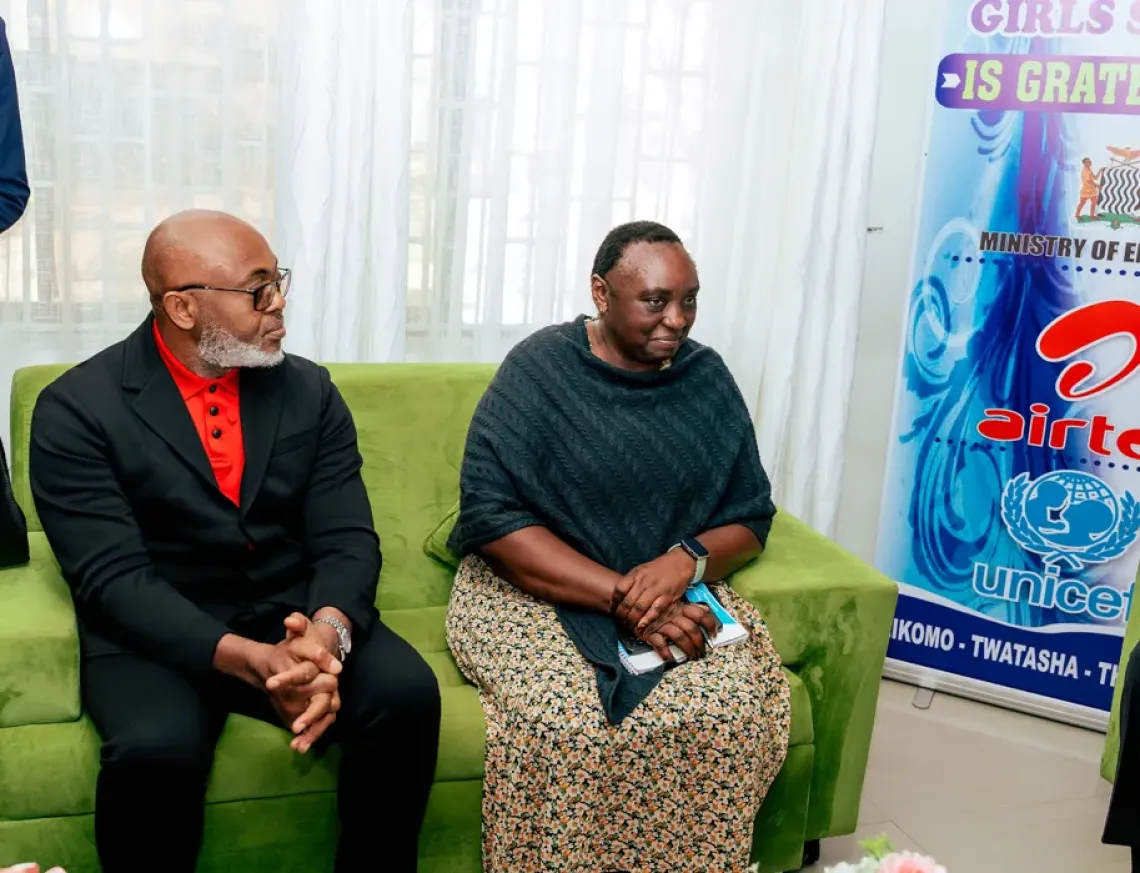
For Zambia’s Ministry of Education, digital learning is becoming an essential part of preparing learners for the future.
Director of Secondary Education at the Ministry of Education Yvonne Mweemba Chuulu, says the benefits are already evident: “As a Ministry, we have seen the need that digital and blended learning is the way to go.”
The platform helps reduce barriers that many families face.
“Through the digital learning platform, our learners have been exposed to a wide range of information and do not necessarily need to buy textbooks. Sometimes parents cannot afford textbooks,” she explains.
Looking ahead, she believes expanding connectivity to every school will create even greater opportunities.
“If we are able to connect all the schools, every learner will be able to have access to the Learner Passport and they will be able to find material that will make learning easier,” she adds.
Technology with purpose
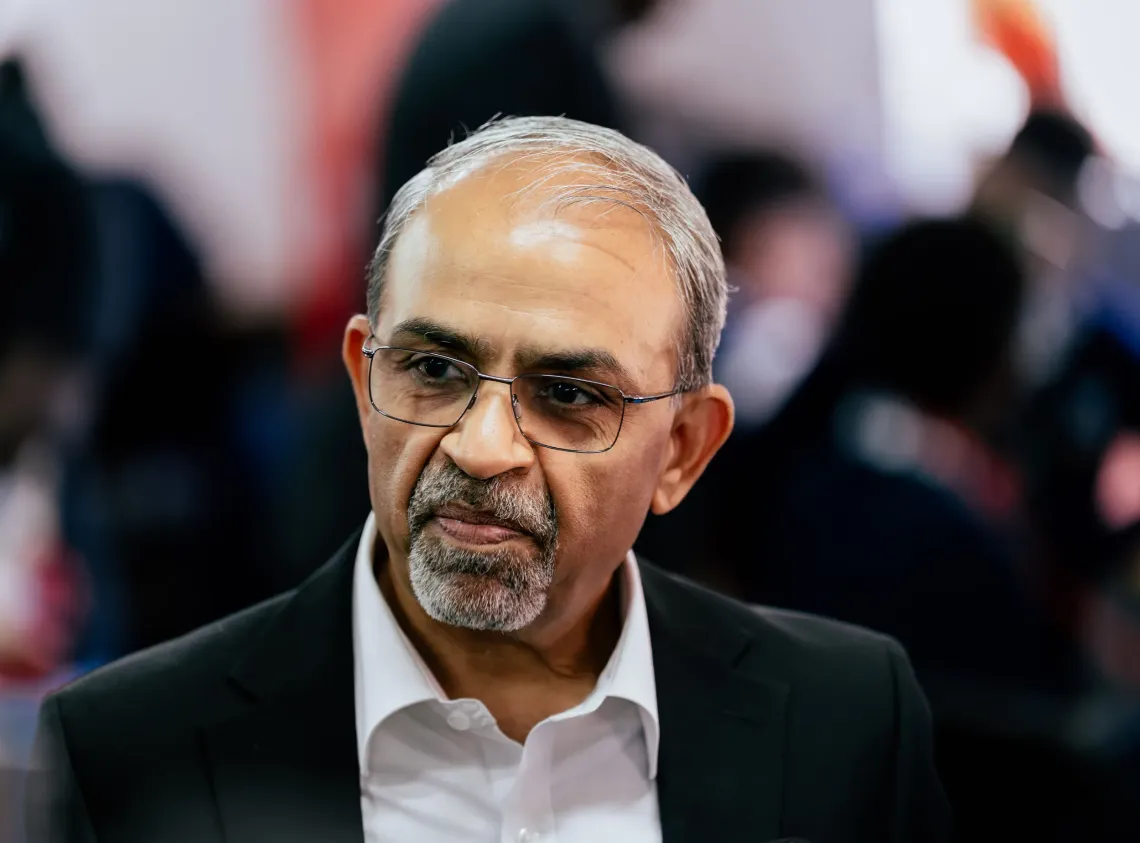
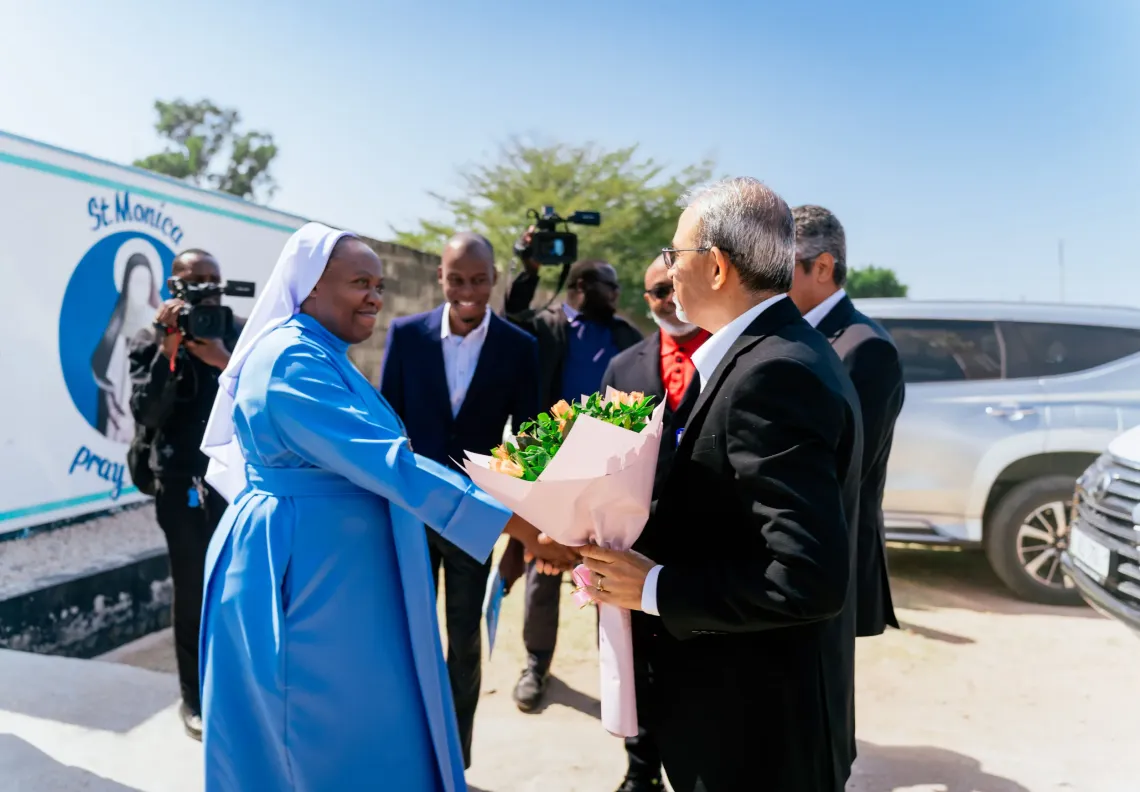
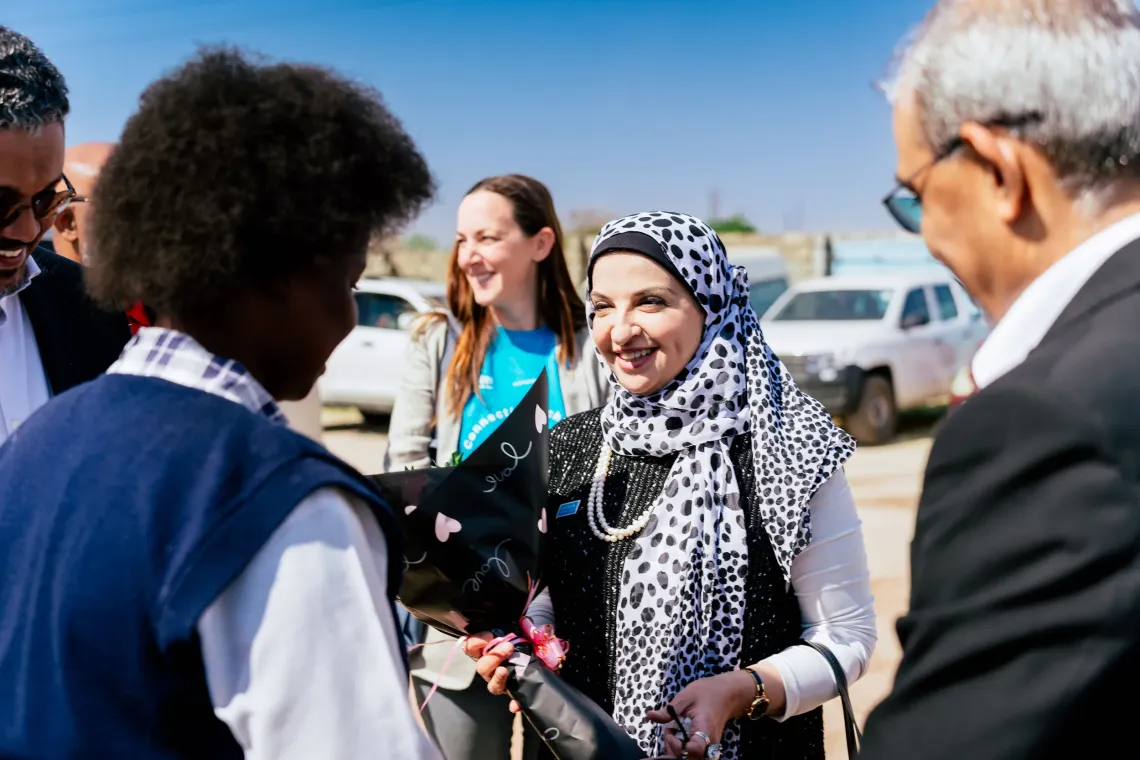
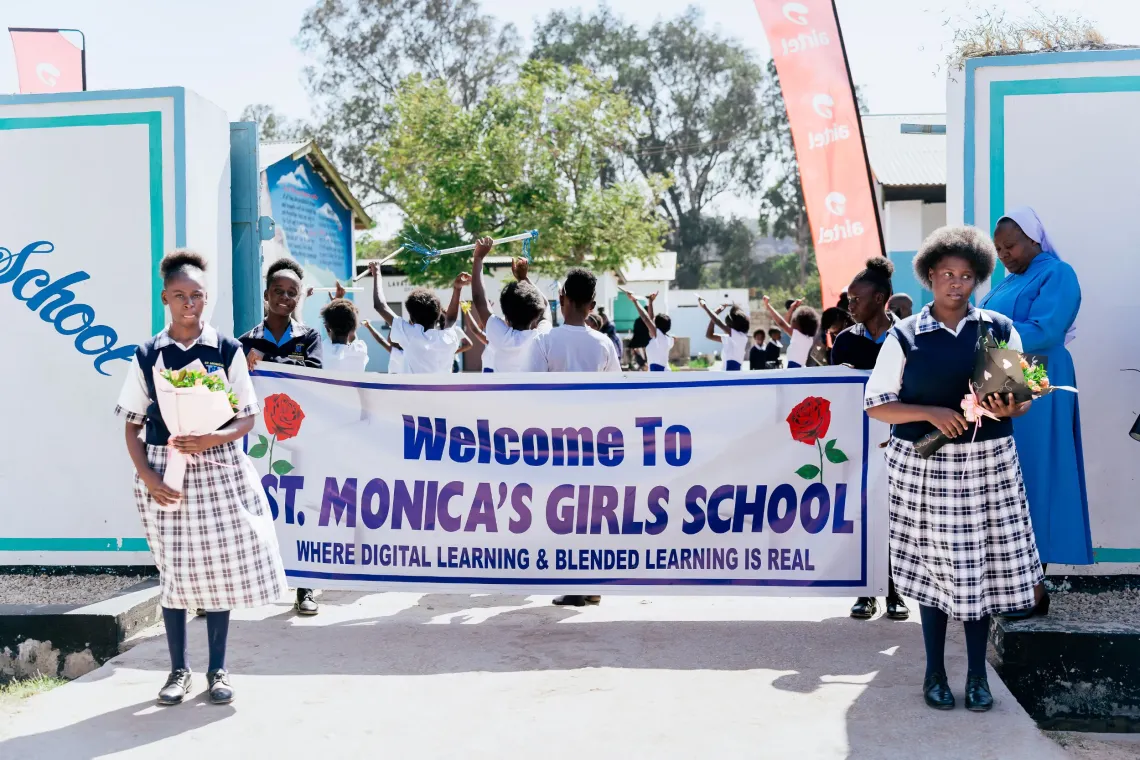
During his visit to St. Monica’s Girls Secondary School, Airtel Africa Chief Executive Officer Sunil Taldar saw firsthand how digital learning is changing classrooms.
“We have been working with UNICEF for the last three years to provide digital infrastructure to schools in Africa so that children in these schools can access education digitally in the absence of physical infrastructure,” he says.
What stood out most during his visit was the impact on learners themselves.
“What I have witnessed at St. Monica’s Girls Secondary School is the profound impact of digital education which is enhancing the quality of education,” he adds.
He observed learners confidently using curricula developed by the Ministry of Education, supported by UNICEF and made possible through Airtel’s connectivity.
“Some of the learners I have interacted with are able to access best-in-class education, curricula developed by the Ministry of Education and supported by UNICEF, with connectivity provided by Airtel, which is making it easier for learners to access.”