LUAPULA Province, Zambia, February 2026 — UNICEF Zambia Representative Dr Saja Farooq Abdullah's first familiarisation mission to Luapula Province provided an opportunity to engage with Government leaders, frontline workers, communities and children, gaining first-hand insight into both the progress being made and the challenges that remain.
Travelling across Mansa, Samfya and Chifunabuli districts, Dr Abdullah visited health facilities, schools and communities supported through the Equal Chances for Human Development (EC4HD) Programme, jointly funded by the European Union in Zambia under the Global Gateway strategy and UNICEF, alongside investments from Sida and KfW. The visits helped her better understand how these partnerships are strengthening services for children and adolescents.
Welcoming the delegation on behalf of the Permanent Secretary, Deputy Permanent Secretary Mr Evans Mweetwa Sikkabbubba reaffirmed Government's commitment to improving outcomes for children through strong partnerships. He added:
"This initiative is a strategic investment in our nation's future," he said, highlighting the importance of the EC4HD Programme in shaping opportunities for children and adolescents."
With nearly half of Luapula’s population under the age of 15, integrated investments in health, education, child protection and WASH are essential to strengthening the systems children and adolescents rely on to survive, learn and thrive.
Learning from Leaders and Communities
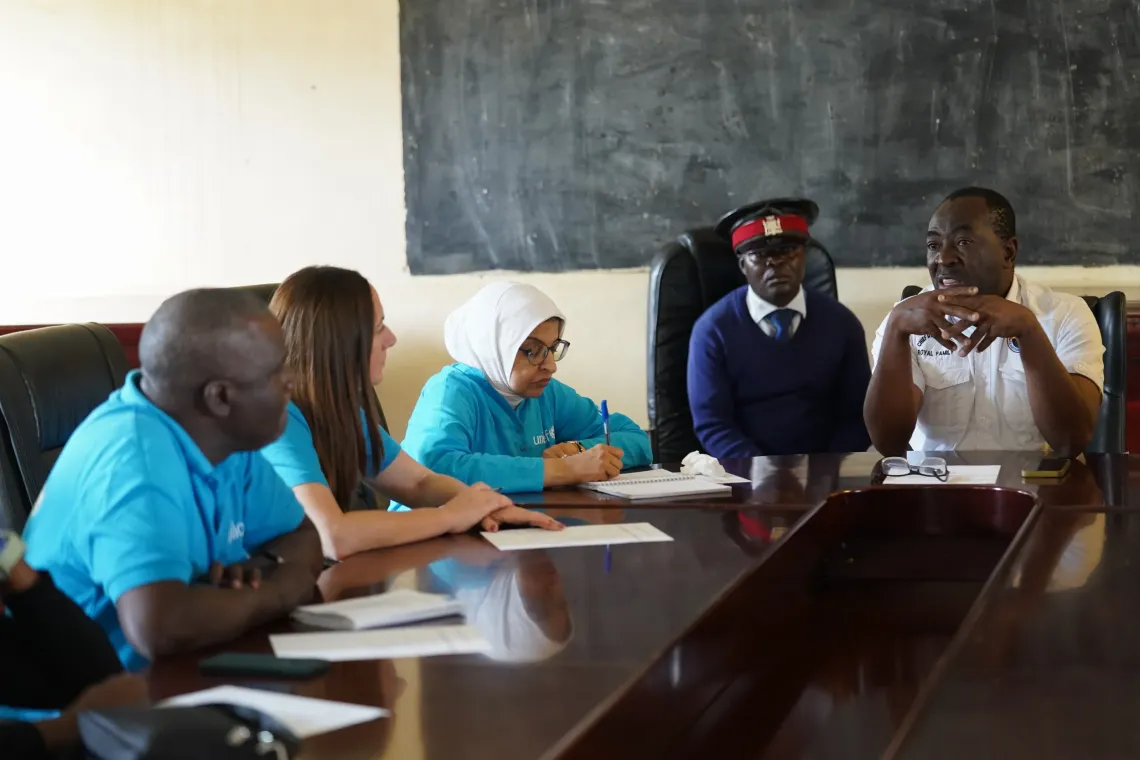
The mission began with engagements at the Provincial Administration and later with the Human and Social Development Subcommittee (HSDS), where Government ministries, cooperating partners and civil society organisations reviewed progress across health, education, child protection, local government and WASH.
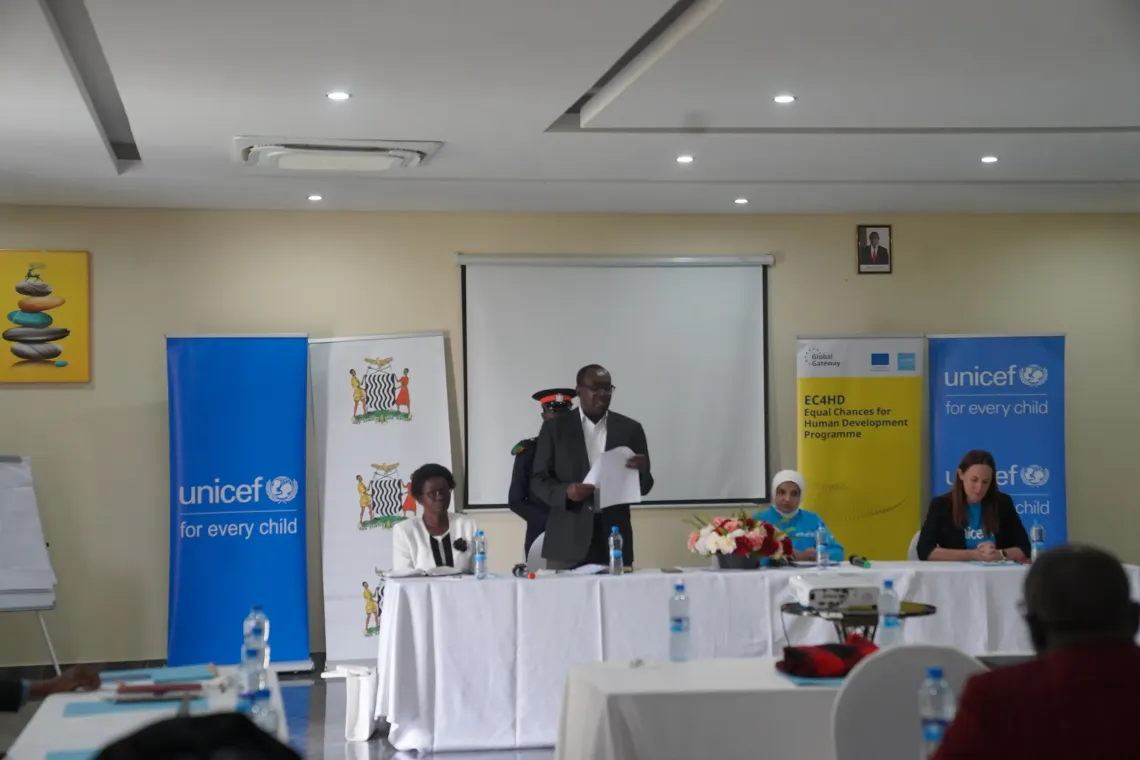
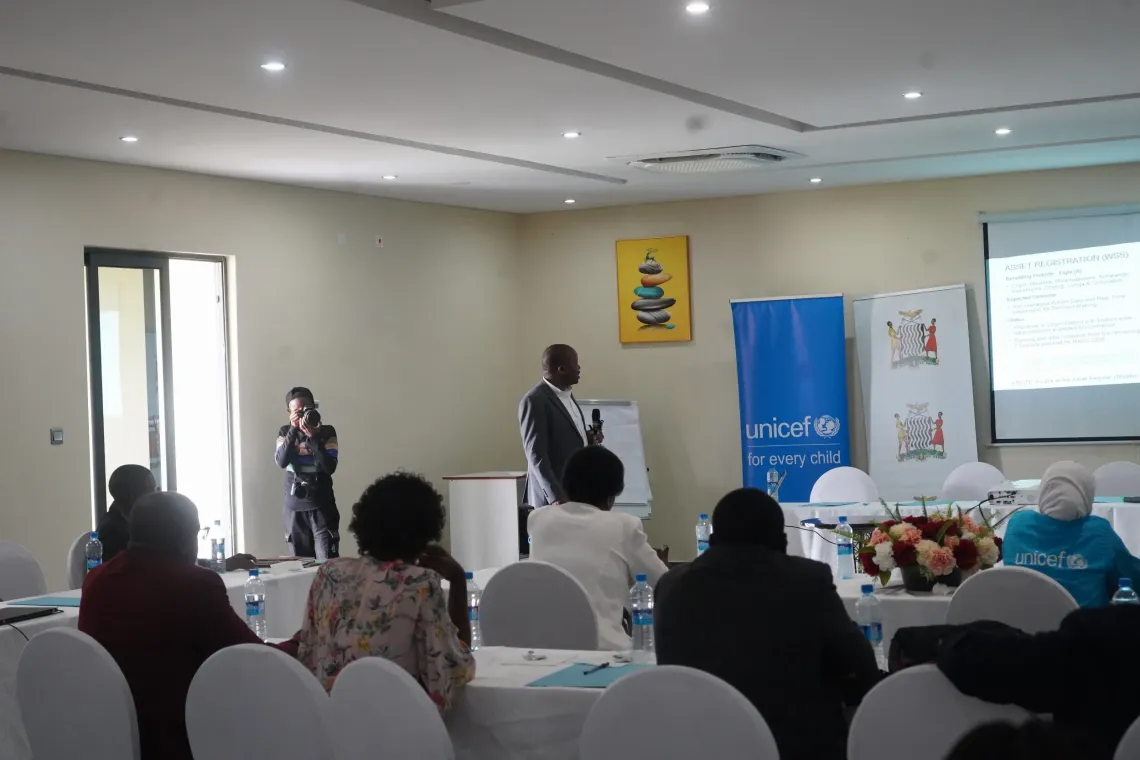
Discussions highlighted progress across health, education, child protection, birth registration and WASH, while underscoring the importance of strong, connected systems for children.
A Stronger Start for Newborns
From these discussions, the mission moved to Mansa General Hospital, where Dr Abdullah saw first-hand how Sida-supported investments are strengthening neonatal care. Reflecting on the visit, she said:
"This brings back memories of more than 20 years ago when I used to work in the NICU early in my career. I'm very happy to visit one again."
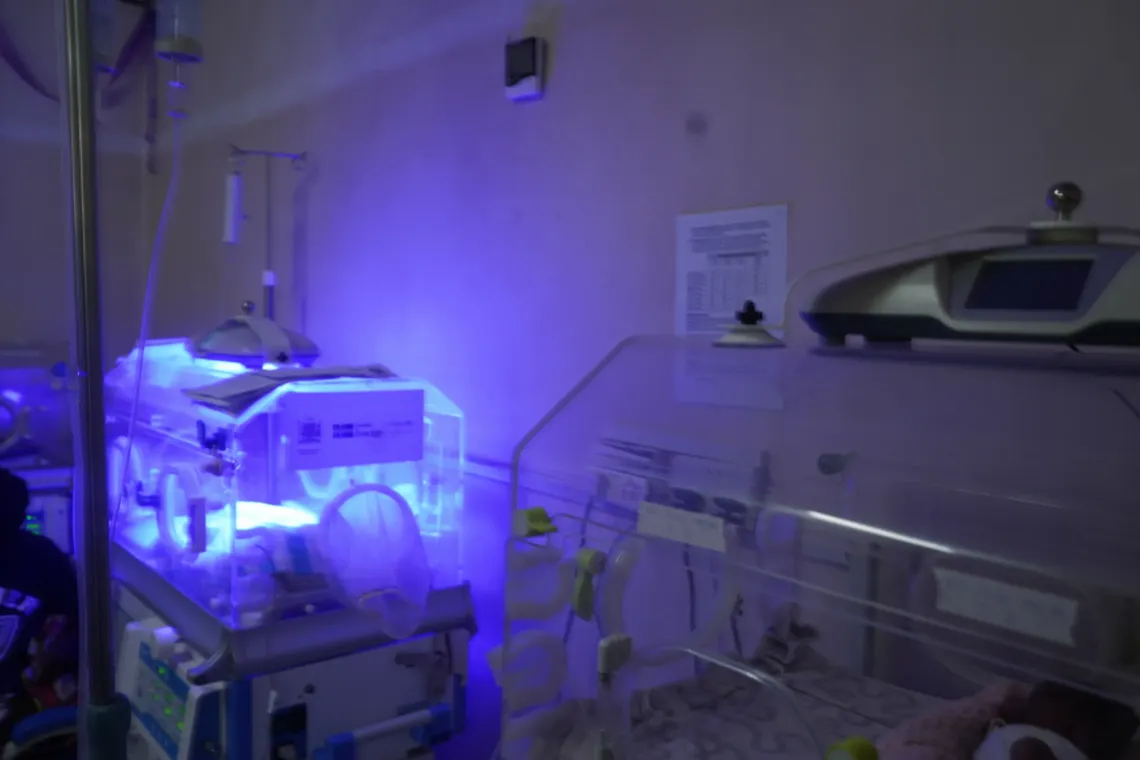
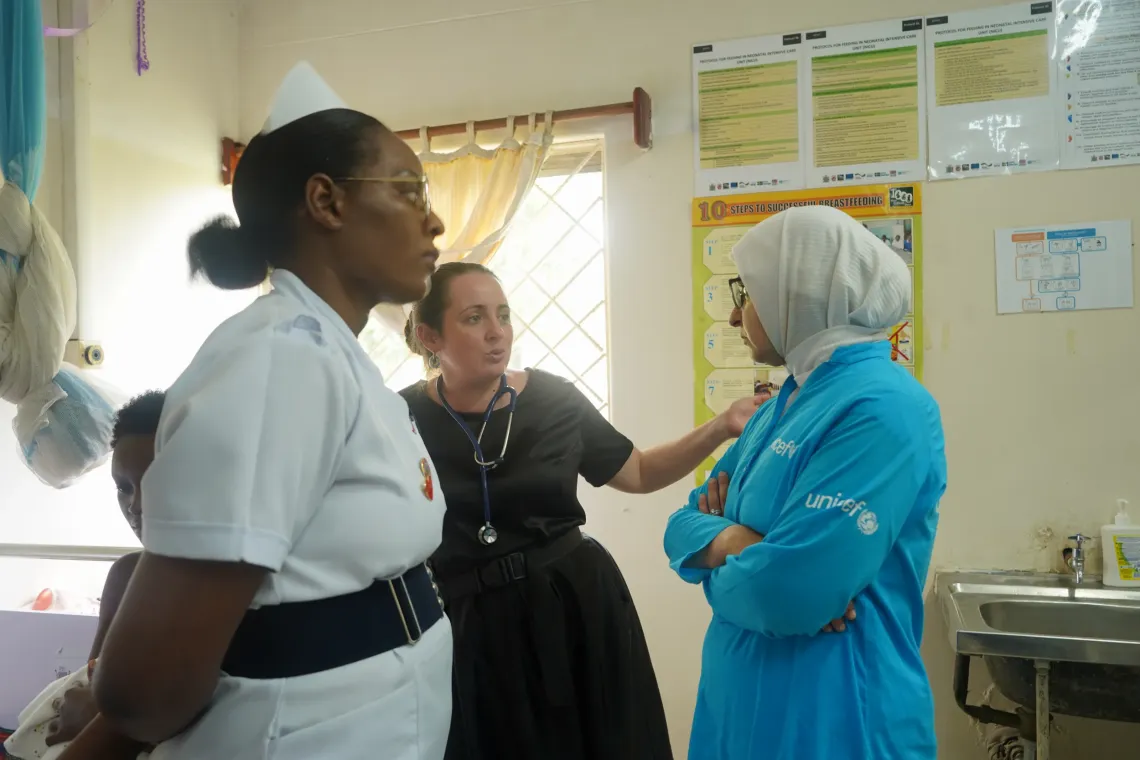
Hospital leadership also recognised UNICEF's longstanding contribution to strengthening neonatal services.
"UNICEF's contribution in neonatal care has been impactful."
The delegation also visited the Kangaroo Mother Care (KMC) ward, where mothers of premature babies receive specialised support.
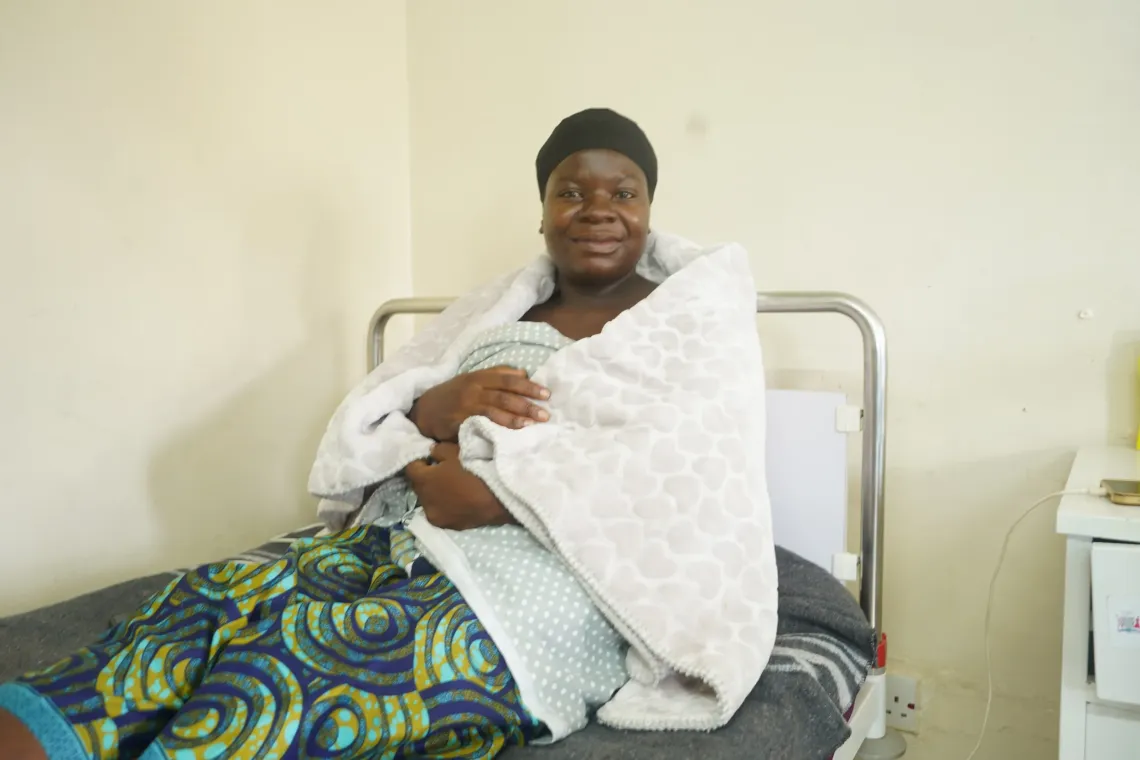
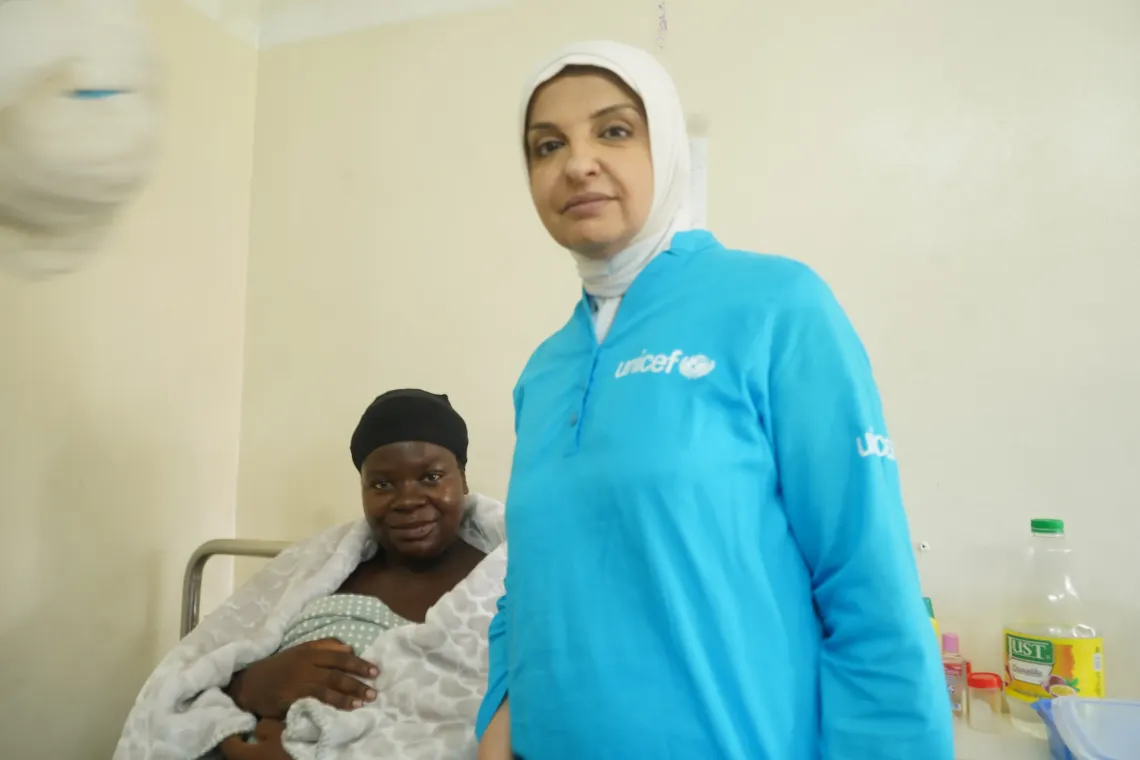
Juliet, 33, whose baby was born prematurely, shared what the service had meant for her family:
"The environment in the KMC ward helps my baby stay warm. The heating system prevents her from getting cold, and I breastfeed her anytime while she is on my chest."
Her experience illustrated how skilled care and simple interventions can improve outcomes for premature babies.
Bringing Protection Services Together
The delegation also visited Mansa General Hospital's One-Stop Centre, where survivors of violence can access medical, psychosocial and legal services under one roof, ensuring timely, coordinated care and protection.
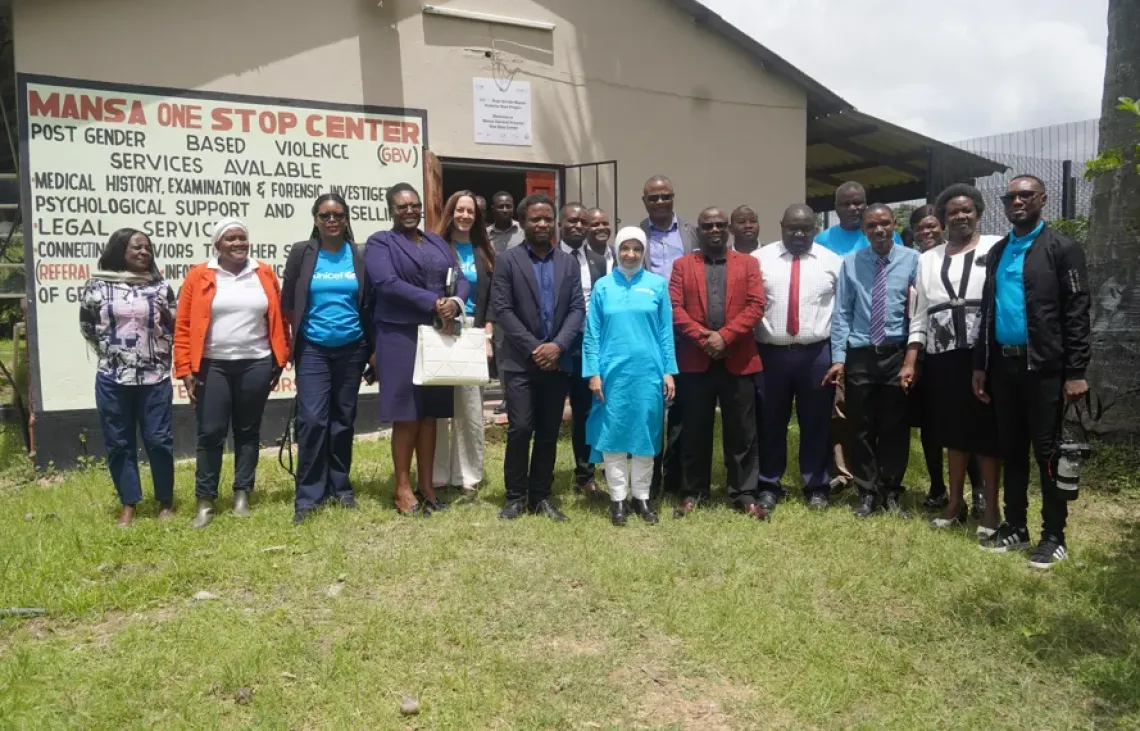
Reflecting on the model, Dr Abdullah observed:
"This integrated system is a lifeline."
The visit highlighted how health and child protection services can work together to support survivors.
Communities, Classrooms and Opportunities
The final day of the mission took the delegation to Chifunabuli District, where the Equal Chances for Human Development (EC4HD) Programme, jointly funded by the European Union in Zambia under the Global Gateway strategy and UNICEF Zambia, complemented by KfW-funded water and sanitation projects, is strengthening services for children and adolescents. Before visiting project sites, Dr Abdullah paid a courtesy call on Chief Chitembo, recognising the important role of traditional leaders in advancing children's well-being.
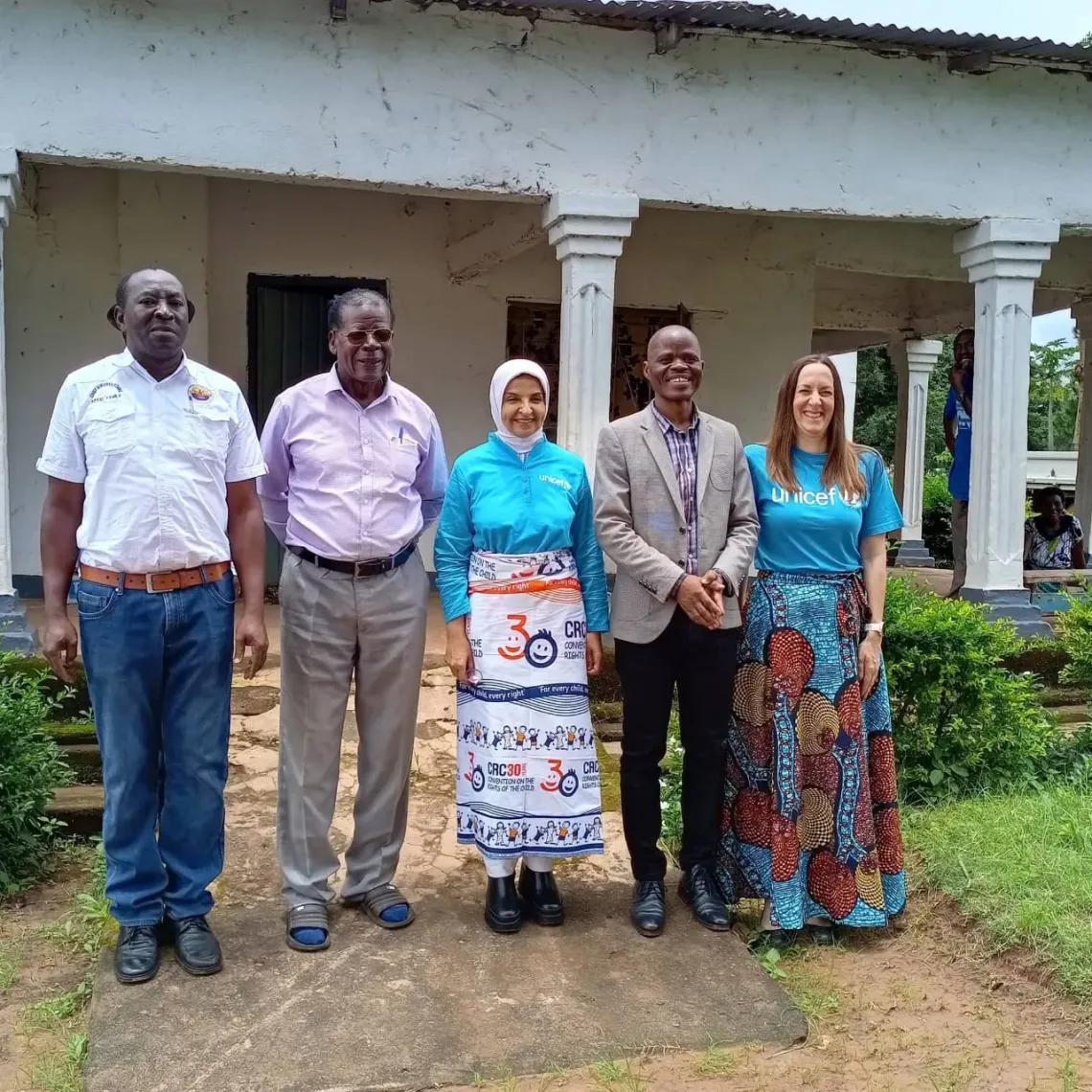
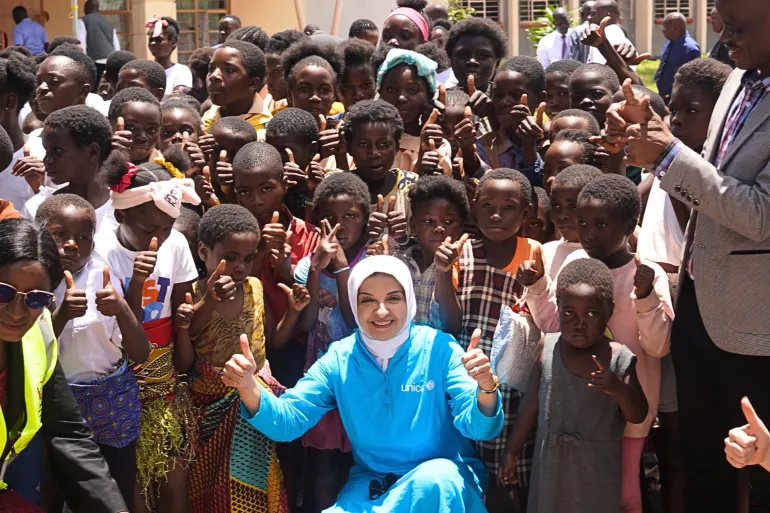
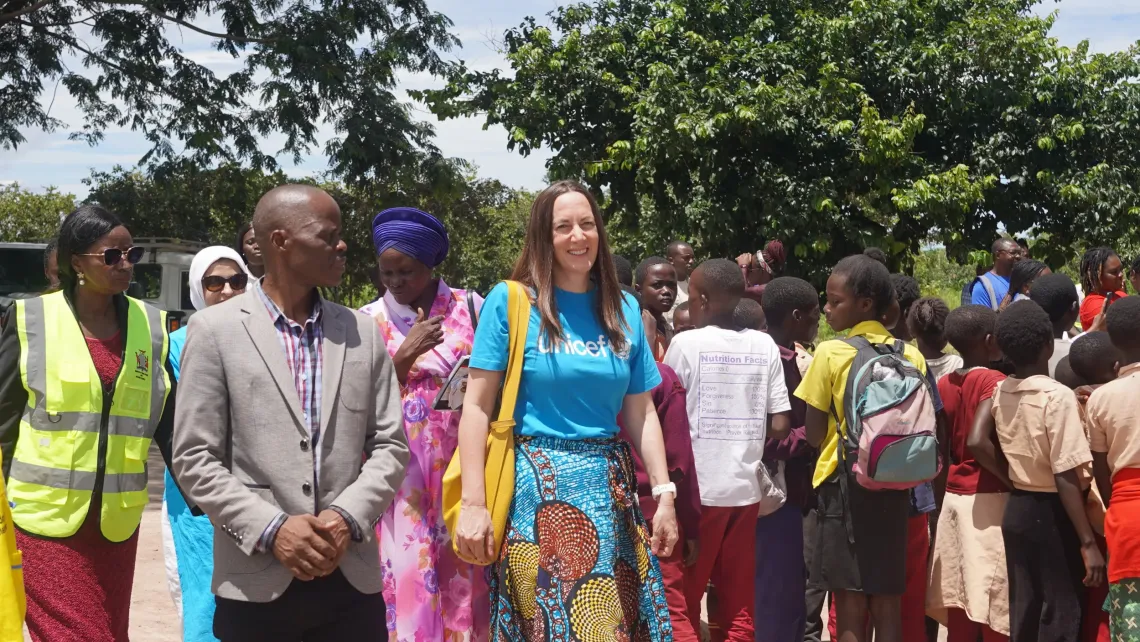
At Mundubi Day Secondary School, Dr Abdullah met learners, teachers and adolescent mothers, seeing first-hand how coordinated education, health and child protection services are helping children access opportunities to learn, participate and reach their potential.
Members of the Learners’ Council spoke proudly about their role in amplifying learners’ voices.
"The Learners' Council is the voice of the voiceless. We speak. We lead."
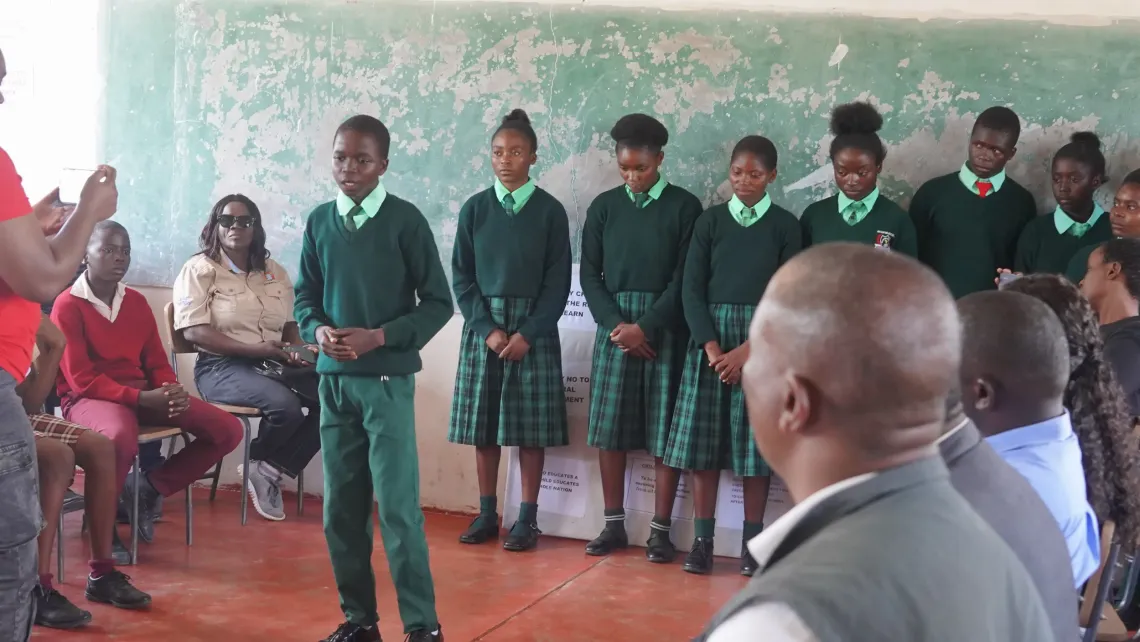
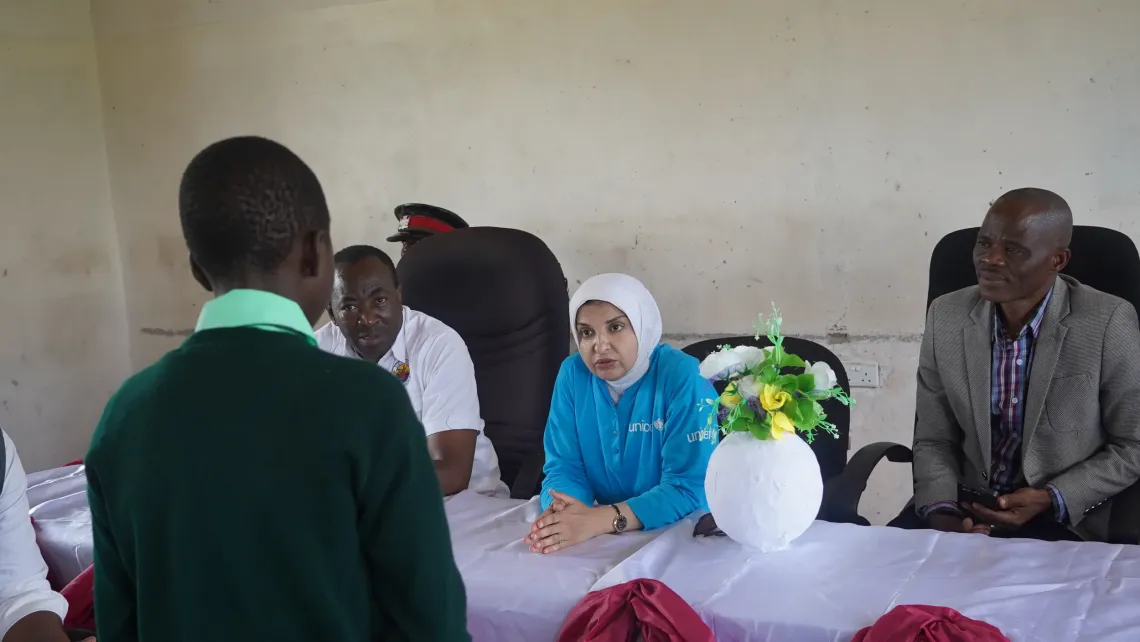
Their confidence reflects how schools, learners’ councils and guidance and counselling structures are nurturing leadership alongside academic learning.
The visit also provided an opportunity to engage with adolescent mothers who had returned to school through support from teachers, health workers, social welfare services and community structures. Their experiences showed how coordinated case management and referral systems help girls continue their education after pregnancy.
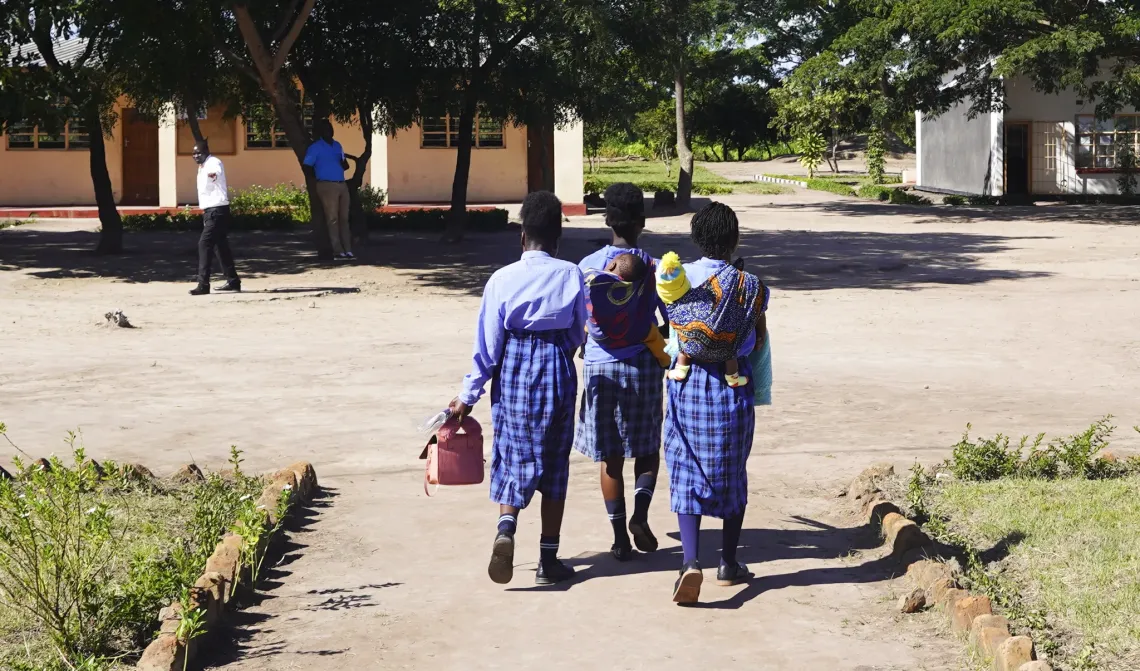
Community structures continue to play an important role in identifying vulnerable children, strengthening referrals and supporting families.
Reflecting on the importance of integrated systems, Reuben Sapetulu, UNICEF Zambia Child Protection Officer, said:
"A well-coordinated child protection system is essential for Luapula. When referral pathways function across sectors, children are protected in crisis and supported through recovery and reintegration. Strong systems ensure every child can access services without delay."
Similarly, Katharina Wuppinger, UNICEF Zambia Chief of Education, noted:
"Luapula demonstrates what is possible when sectors work together, building aligned systems that ensure every child has the opportunity to learn, lead and thrive."
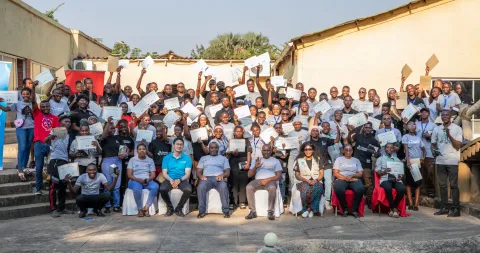
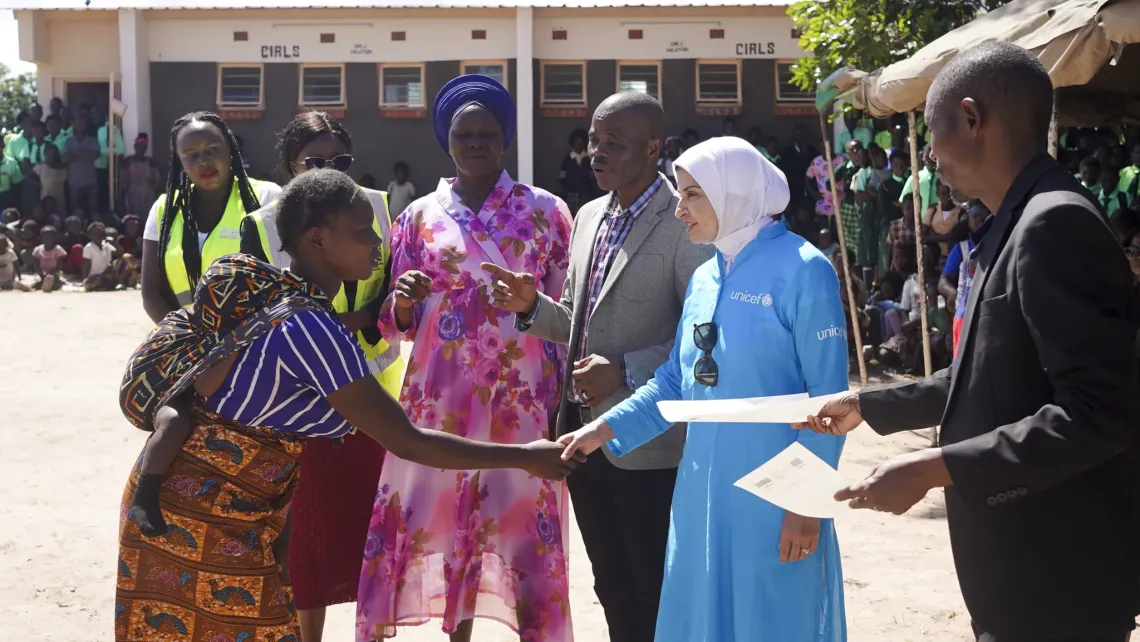
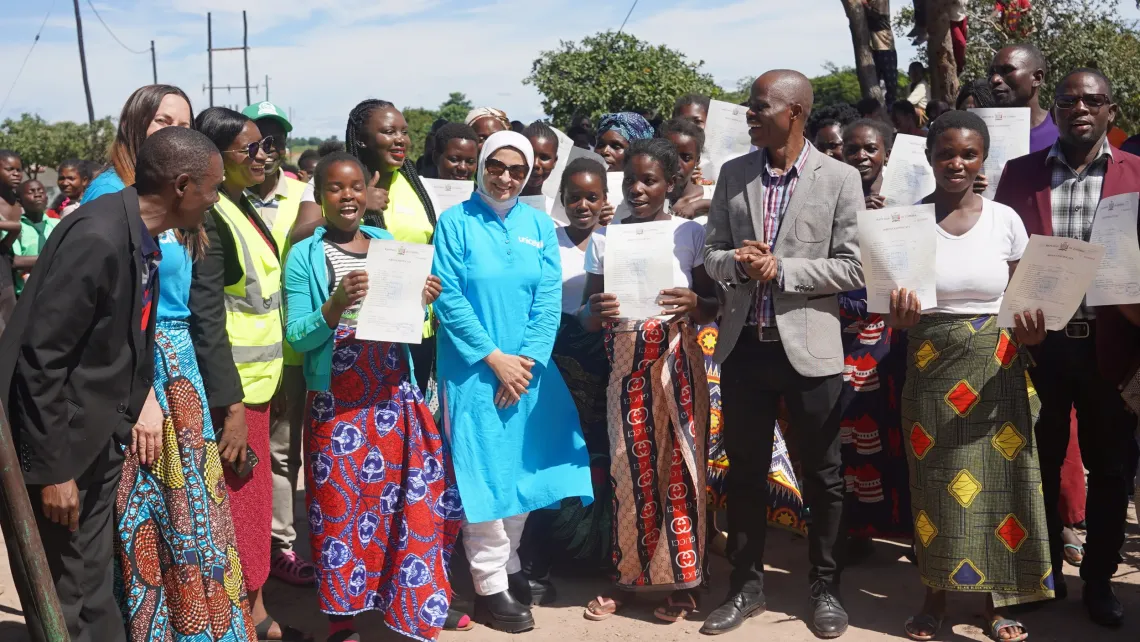
The delegation also witnessed the symbolic handover of birth certificates to local families, highlighting the importance of legal identity as a gateway to essential services and the protection of children's rights.
Water, Dignity and Healthier Communities
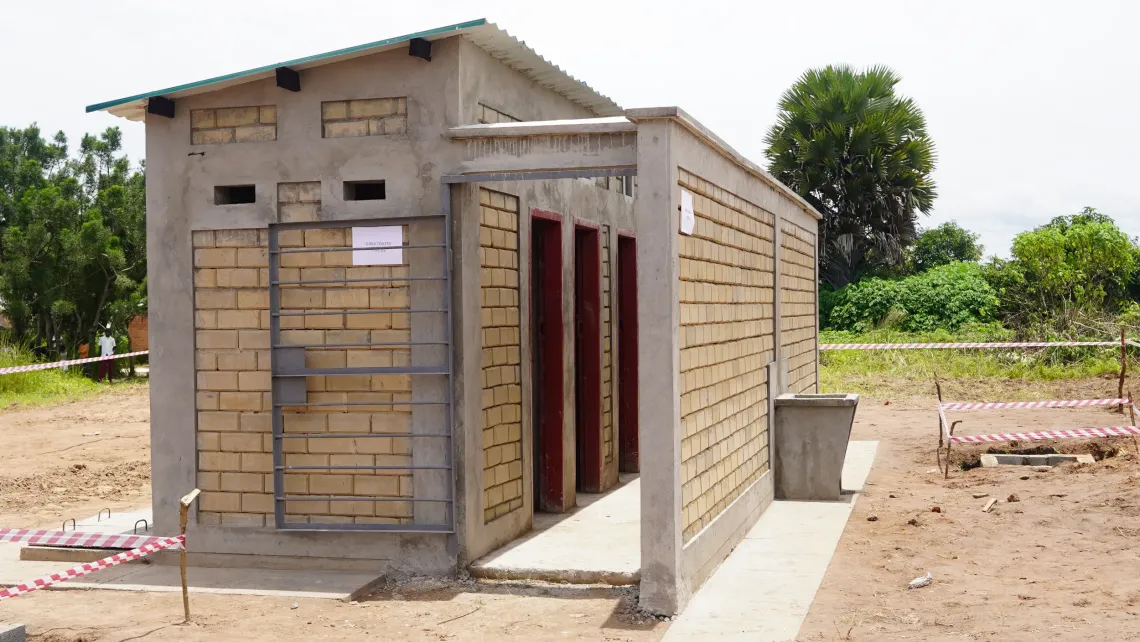
The mission concluded with visits to Mundubi Primary School and Mundubi Health Post, where KfW-funded water and sanitation projects are working in the same communities to support safe water and provision of adequate sanitation.
As Alpha Samboko, UNICEF Zambia WASH Officer, explained:
"All new toilet structures are replacing old facilities, ensuring safer and more hygienic environments for learners and patients."
From boreholes to improved sanitation facilities, these investments are creating healthier schools, health facilities and communities.
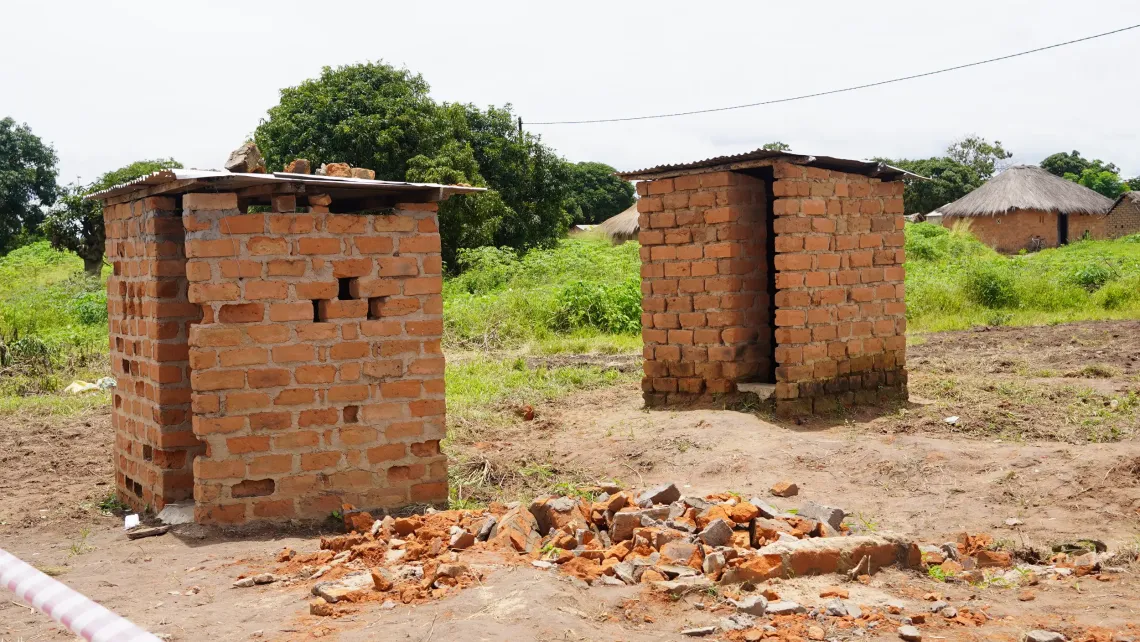
Before: Old sanitation facilities highlighted the need for investment in school infrastructure.
Lessons from Luapula
Throughout the mission, one lesson stood out: lasting change happens when systems work together around the needs of children and communities. Collaboration across sectors is improving outcomes for children while highlighting the work that remains.
Reflecting on the mission, Dr Abdullah said:
"I leave encouraged by the collaboration I witnessed and challenged by the inequities that remain."
Listening to communities reinforced that the true measure of progress is found in people's lived experiences.
As Deputy Permanent Secretary Mr Evans Mweetwa Sikkabbubba observed:
"The right person to speak is the beneficiary, the one who truly feels, who knows how life was before and how things have changed."
Sustaining Progress for Every Child
Government, traditional leaders, communities and partners emphasised the need to strengthen local systems and sustain investments in health, education, child protection and WASH, particularly for children and adolescents in hard-to-reach communities.
The progress seen during the mission is also reflected in results achieved across sectors.
In health, 120 staff and 750 community-based volunteers have been trained, while support has reached 50 health facilities and 466 outreach zones.
In education, 19 ECDE sites have been identified across five supported districts. ECE and guidance and counselling teachers have received capacity-building support, learners’ councils have been established, and Luapula has emerged as the best-performing province in the Catch-Up Programme for literacy and numeracy.
Birth registration efforts have generated 51,967 notifications, resulted in 15,164 registered births and 5,013 birth certificates printed.
Together, these investments are helping strengthen local systems and improve access to services for children and adolescents.
These achievements reflect the collective efforts of the Government of Zambia, communities and cooperating partners, including the European Union in Zambia, Sida and KfW.
From neonatal care to classrooms, safe water and child protection services, Dr Abdullah's first mission to Luapula demonstrated what is possible when children are placed at the centre of integrated investments. The task now is to sustain and build on these gains so that every child, wherever they live, has the opportunity to survive, learn and reach their full potential.
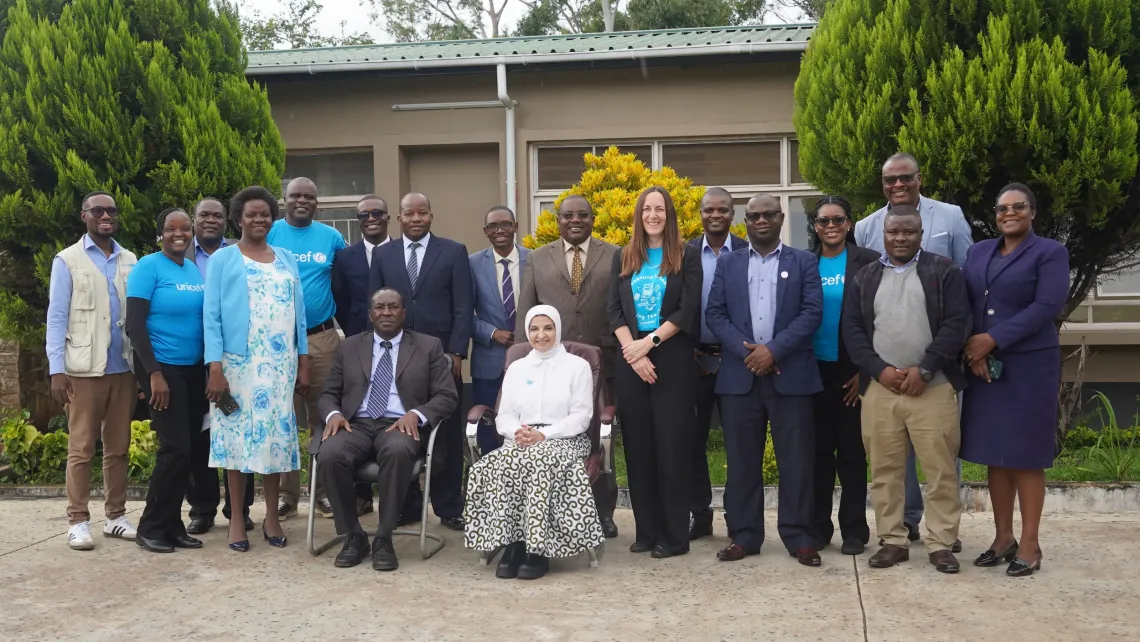
As the mission came to a close, Dr Abdullah reflected on the partnerships, community voices and local expressions that had shaped the journey. One phrase became a fitting note of appreciation to the people of Luapula:
"Twatotela mukwai, Ba Luapula."
"Thank you very much, people of Luapula."