Mobile Clinics: Frontline Against Malnutrition in Remote Villages
Bringing lifesaving care to children and mothers in hard-to-reach communities

- English
- العربية
Children’s Lives in Danger
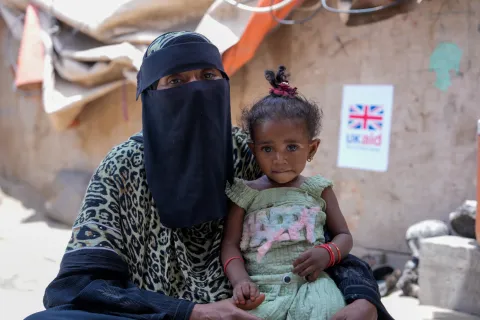
Years of conflict and economic collapse have plunged thousands of Yemeni families into crisis, driving hundreds of thousands of children to suffer from severe malnutrition, while poverty prevents many families from accessing distant health facilities.
In Tuban, a district in Lahj governorate, the strain on families unable to afford essentials is growing. Since children are especially vulnerable to disease, health crises are compounded, and malnutrition transforms from mere hunger into a serious threat to children's lives.
This is why mobile medical services are essential. They bring healthcare directly to communities, enabling early diagnosis and treatment to prevent children’s conditions from deteriorating or developing serious complications. They also support families who lack the financial means or transportation needed to reach health facilities.
How do mobile clinics work?
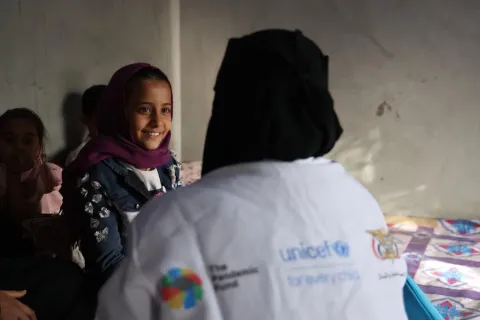
Mobile clinics provide essential healthcare services for both children and mothers. Dr. Randa, a healthcare worker, explains that the primary goal of these clinics is to “reduce acute and severe malnutrition rates among children, as well as monitor the health of those who often suffer from multiple illnesses due to the difficult living conditions they endure.”
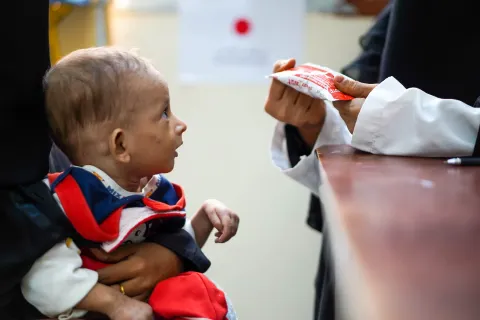
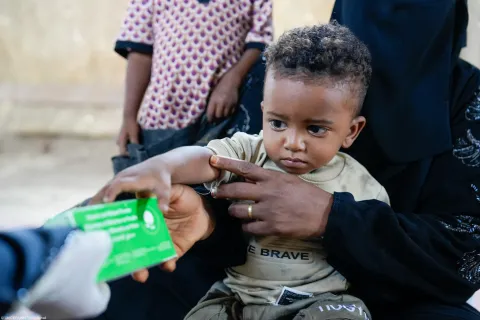
“These clinics serve as a lifeline for the community,” she adds. “Our services include identifying and treating malnutrition cases, with regular follow-up to ensure patients’ full recovery. We also treat common childhood illnesses such as diarrhoea, fever, and measles, provide routine vaccinations, and offer prenatal care for pregnant women.”
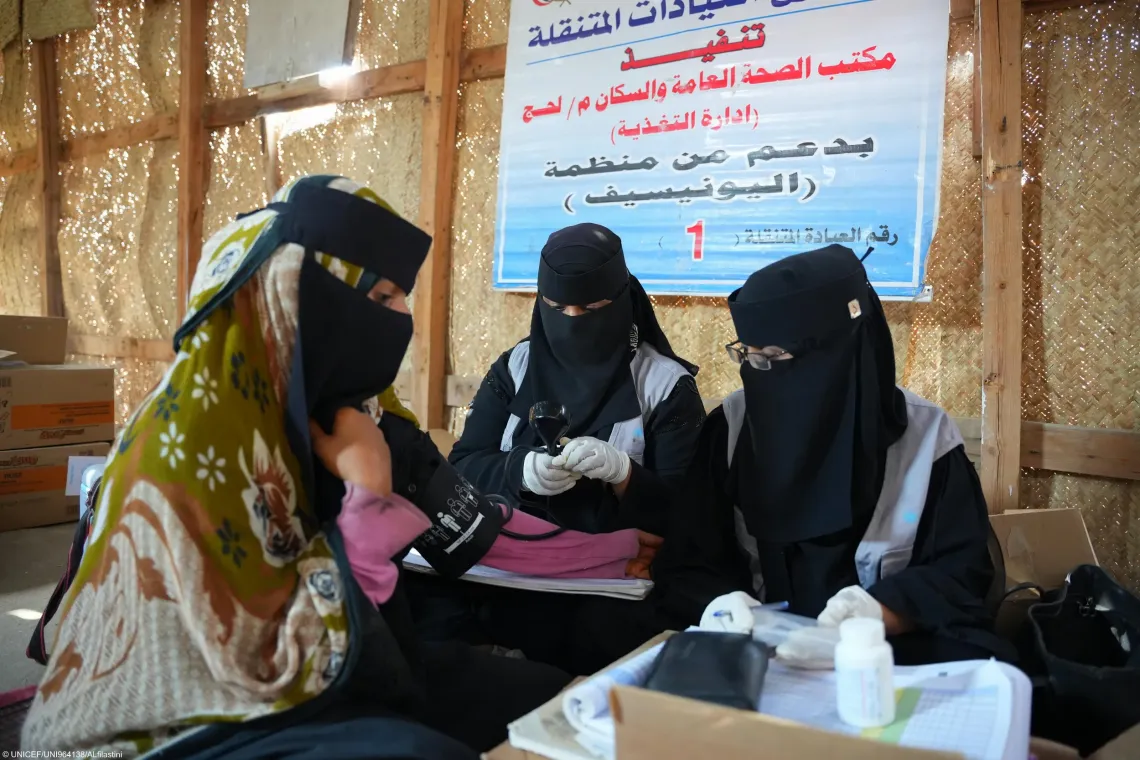
Operating on a fixed schedule, the mobile clinics team visit remote areas after coordinating their arrivals with the community volunteers in each village. The medical team typically consists of five healthcare workers: a doctor, two health workers, a nurse, and a vaccinator.
“We remain in each area for four to five hours, or even longer if necessary, until all patients are examined,” says Dr. Randa.

It is this outreach that makes the service critical. “We bring care to people rather than having them endure the hardship of reaching health centres; in some cases, mobile clinics are the only available option for families to access medical care,” she explains. Most of the patients are children suffering from malnutrition and related illnesses.
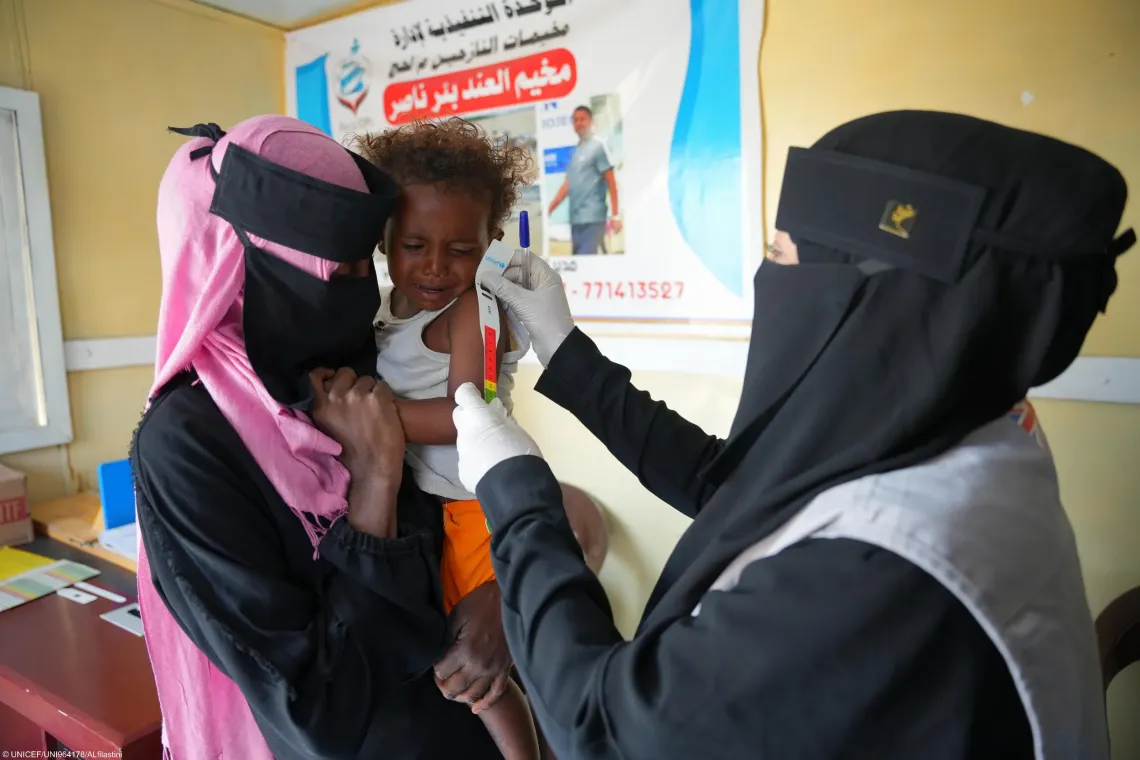
The team follows a meticulous protocol to manage these complex cases. Follow-up appointments for malnourished children are scheduled every two weeks to monitor their response to treatment.
“We follow up with children until they recover. If a child’s condition persists for more than three months, we refer them to health centres for intensive, long-term care.”
Tangible impact
The high number of families seeking treatment through mobile clinics highlights the critical need for this service. “Every time I treat patients, I see joy in their eyes,” says Dr. Randa.
The clinics have achieved significant results in preventing serious health complications and reducing relapses among malnourished children by ensuring continuity of care for the most vulnerable mothers and children.
However, Dr. Randa raises a critical concern: “The work of mobile clinics is sometimes suspended, and this increases relapses, especially among children suffering from severe acute malnutrition.”
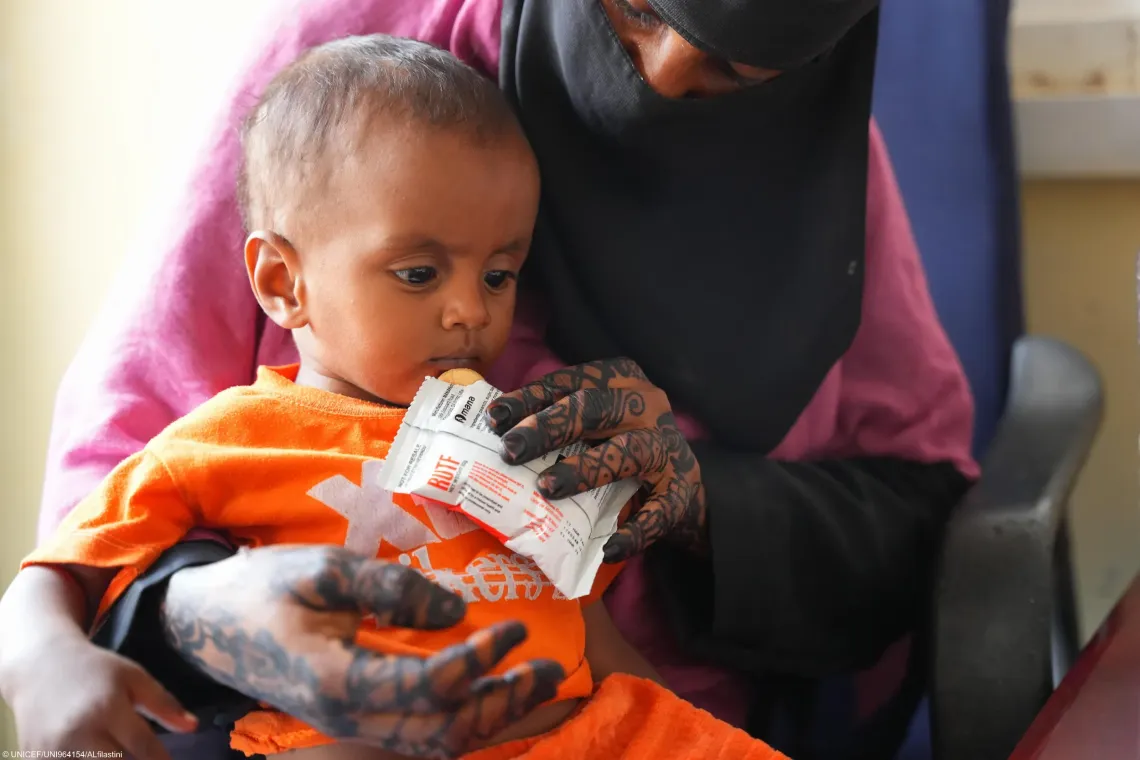
UNICEF-supported mobile clinics with generous support from the Foreign, Commonwealth and Development Office (FCDO) play a vital role in reaching families in remote areas with essential healthcare services. Beyond providing treatment, they represent a lifeline for vulnerable communities—improving children’s health and nutrition while offering hope for a brighter future.
As Dr. Randa puts it, “All I wish for is to see children receive continuous care. Sustained support to keep mobile clinics running will make that possible.”