Community Health Nutrition Volunteers: a backbone of Yemen’s health services
In Yemen, the health system is on the verge of collapse if not supported due to severe shortages in medicine, equipment and staff
- English
- العربية
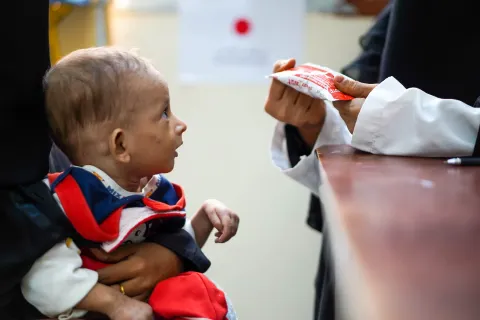
Malnutrition is a life-threatening condition, especially for young children. It requires qualified medical help and thorough treatment. Otherwise, it can lead to long-term health complications.
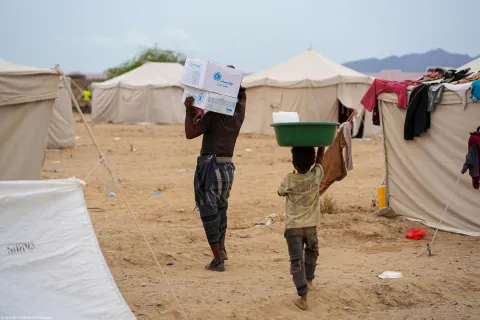
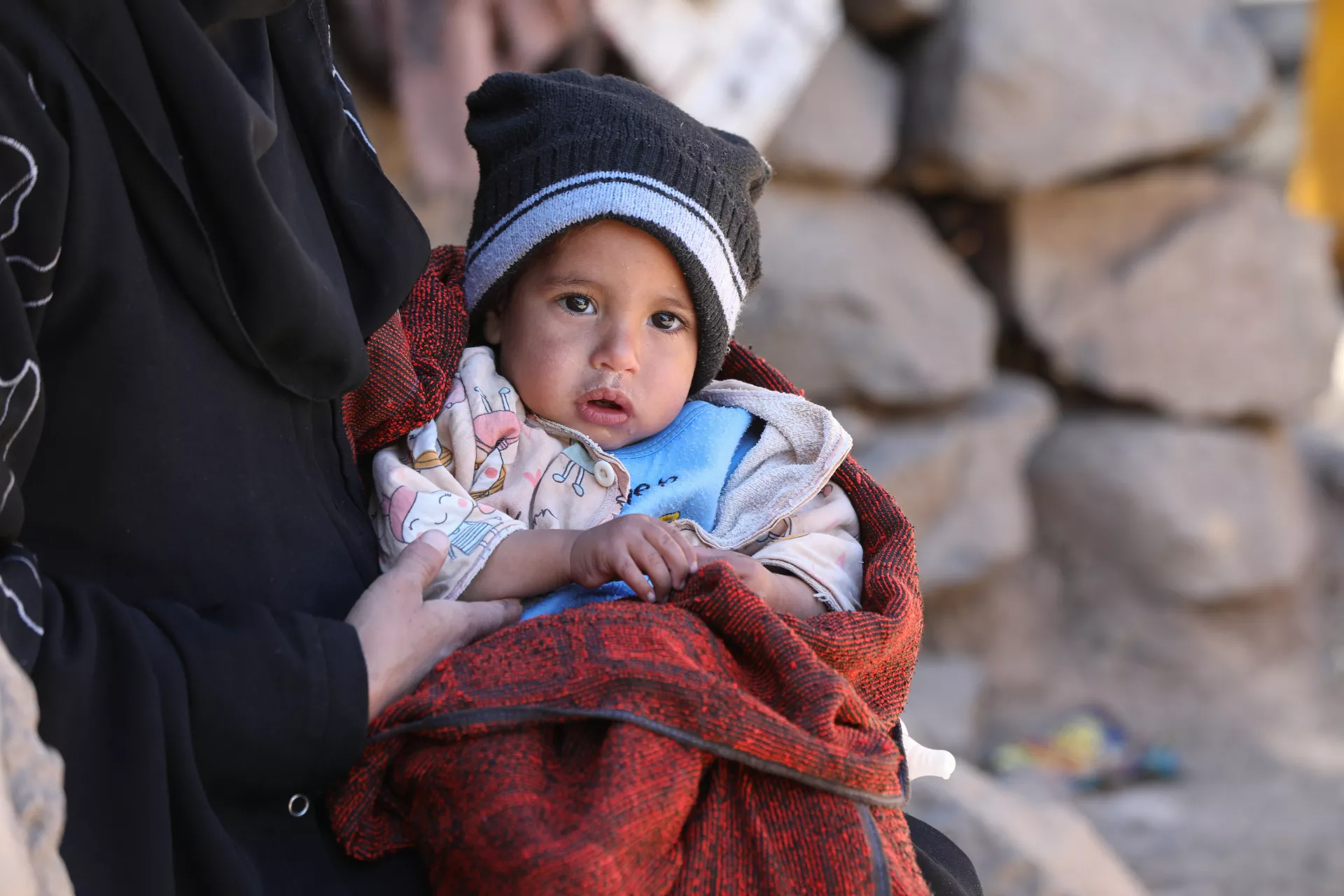
In Yemen, approximately 2.7 million children are projected to be acutely malnourished, including nearly 600,000 with severe acute malnutrition. Most of those children live in remote rural areas and displacement camps.
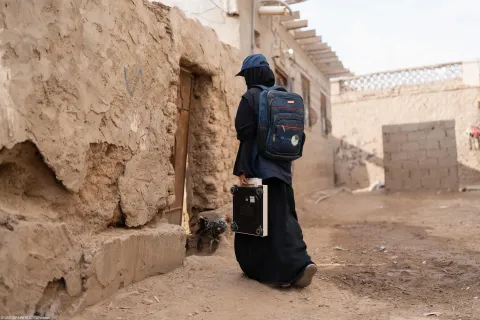
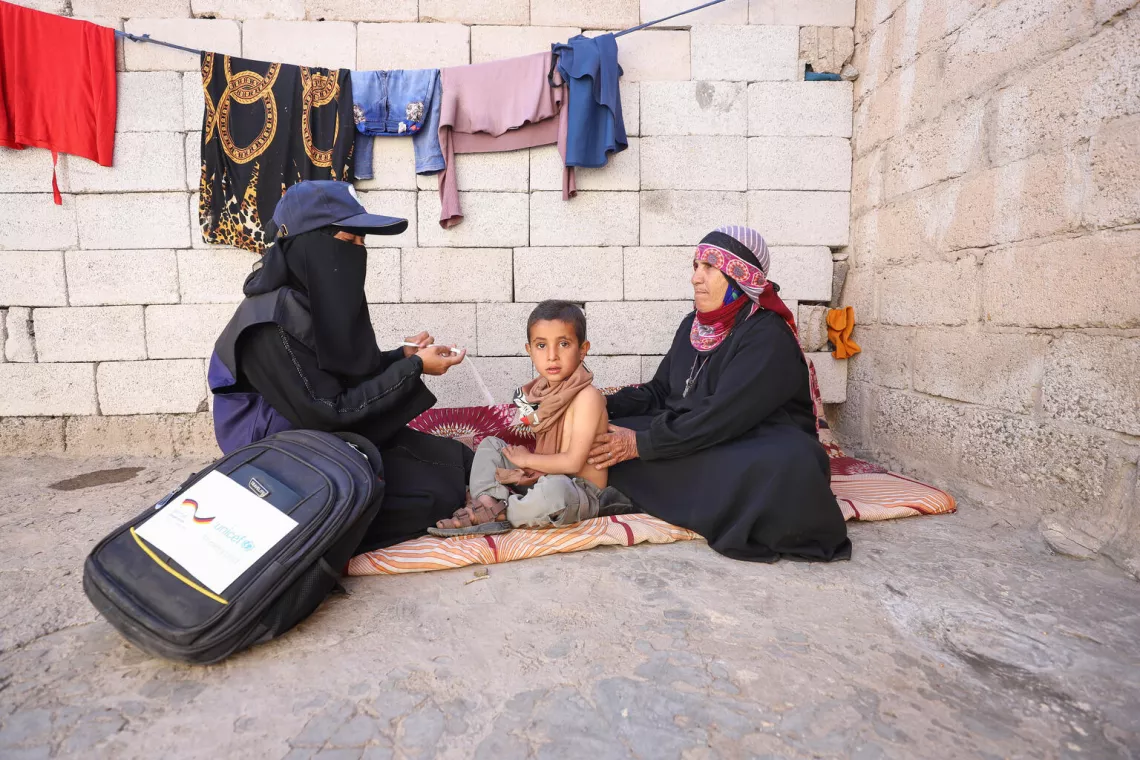
To tackle the situation, volunteers like Arzaq, are playing a vital role in saving the lives of people in local communities. Often, they are the only possibility for Yemeni families living in remote areas to seek and receive qualified medical help.
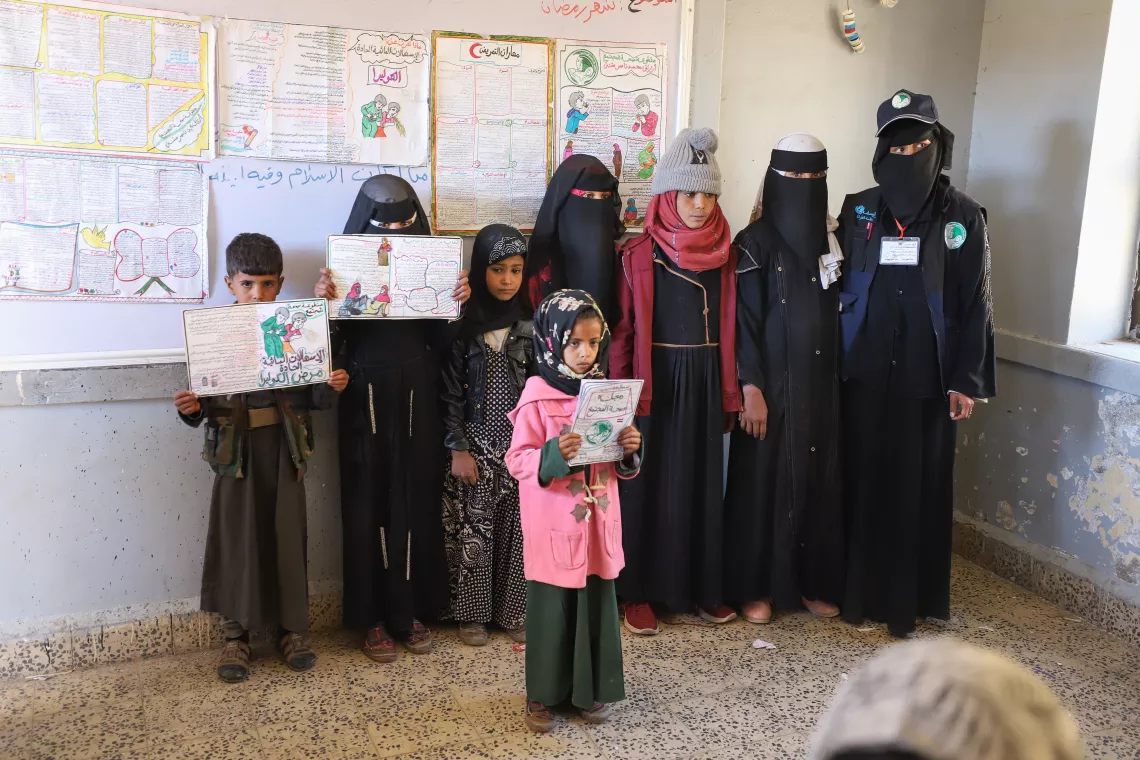
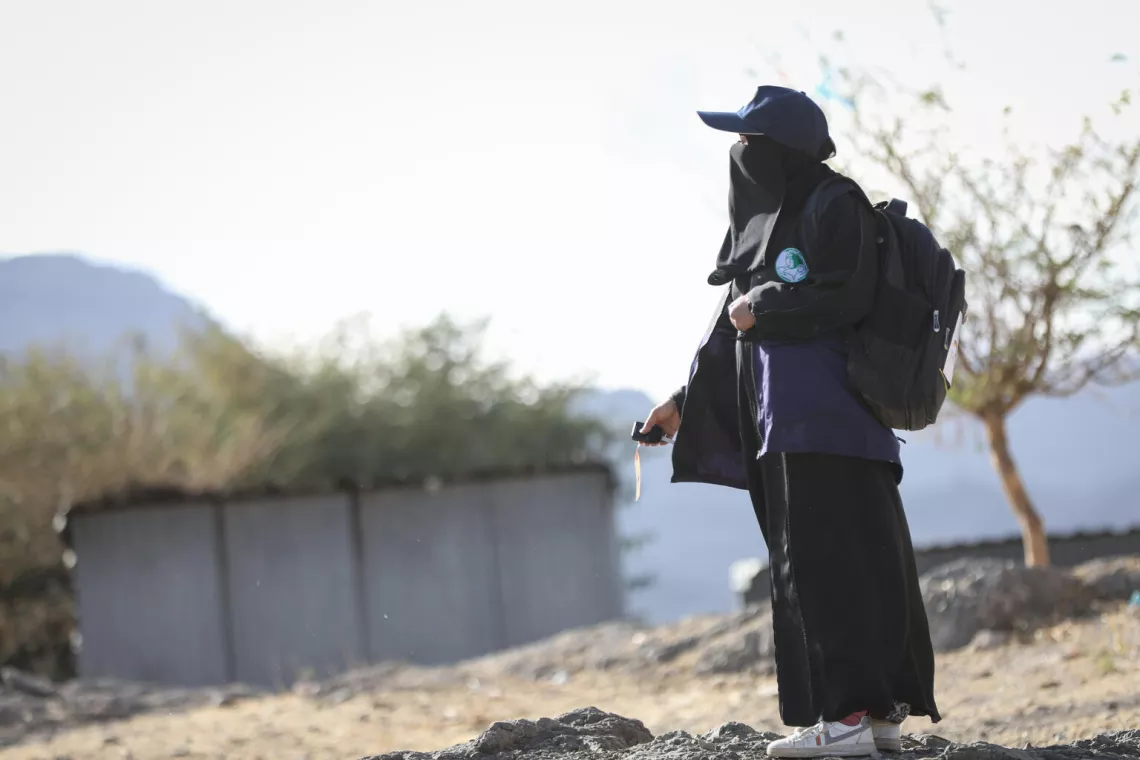
Arzaq became a Community Health Nutrition Volunteer (CHNV) when she was just 18 years old. Today, Community Health Nutrition Volunteers like her are a valuable asset to Yemen’s health system. They undergo training organized by UNICEF and local Health and Population Offices in various governorates. No less importantly, CHNVs have a strong connection with the communities that they work with. It helps volunteers like Arzaq serve as a link between the communities and the health system, gain people’s trust, raise their awareness, encourage and help them seek and gain qualified medical help if CHNVs detect cases of malnutrition and other serious conditions during their work.
“Our main job is to eliminate malnutrition among young children and increase awareness in local communities,” Arzaq says. “We detect early cases of malnutrition and help mothers reach mobile clinics and health centres where malnourished children can get qualified help.”
Malnutrition rates among women and children in Yemen remain among the highest in the world.
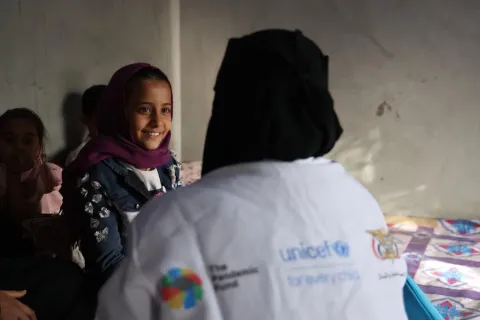
“My son was born underweight and was malnourished because he never ate properly,” says Om Abdulkareem Mohhamad, who lives in Yarim district with her husband and son. “However, my boy has improved greatly after the nutrition supplements and follow-up treatment,” she adds, smiling, “Azraq comes to our house regularly. She weighs my child, takes his pictures, and advises on further nutrition, hygiene, and vaccinations. We are so grateful to her for all the care and kindness she gives us.”
Supported by UNICEF and its donors, like the German Federal Foreign Office, these selfless CHNVs like Arzaqspread awareness about malnutrition as well as the importance of vaccination and hygiene in their local communities.
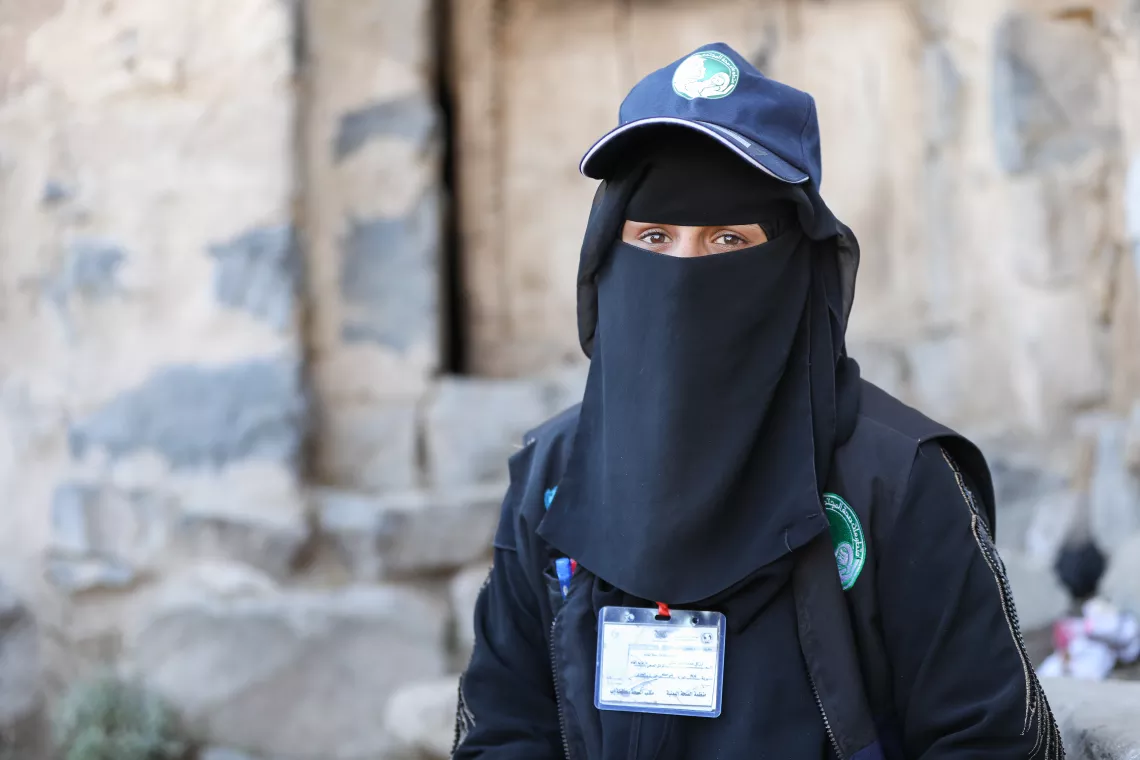
“We educate young mothers on how to take care of their babies properly, keep them clean and healthy, explain the importance of drinking filtered or boiled water, and follow up on the health of children who were diagnosed with malnutrition,” Arzaq says. “Malnutrition is, of course, the main challenge,” she continues. “I remember the case of Abdulkarim, a 7-month-old baby who we referred to a health center because he was badly malnourished. After the treatment, I followed up on his case for several months to make sure that his condition continued to improve. This is the main part of my job here.”
“Health education among mothers is the key to helping the children,” explains Bassima, another Community Health Nutrition Volunteer from Sanafan village, Yarim district. “Young mothers often don’t understand that breastmilk is best for their babies or think that their milk supply is not enough,” she said, adding, “but except for raising awareness about breastfeeding, I help the people of my village prevent diseases, explain to them why it is important to seek qualified medical treatment and help them do it.”
In Yemen, the health system is on the verge of collapse if not supported due to severe shortages in medicine, equipment and staff. Health staff salaries have not been paid on a regular basis since around 2016, particularly in northern governorates. According to WHO, about one-third of Yemeni children are not fully immunized against major vaccine preventable diseases such as measles and rubella. Altogether, it leads to the fact that Yemen has one of the highest child mortality rates in the world.
“Sometimes parents thought that vaccinations could hurt their children or didn’t know what to do when they noticed symptoms of sickness,” Bassima explains. “I see that my work makes a huge difference because now people in my village are more aware. They vaccinate their children and understand the importance of hygiene and proper nutrition. They know what to do if children show symptoms of measles and other diseases and who to ask for help.”
“Bassima treats everyone with kindness,” says Rafiqa Mahdee Saleh, a resident of the Ra'yn sub-district. “She advises mothers on vaccination, hygiene, and breastfeeding. When she learned about a child who suffered from malnutrition, she gave him all the necessary supplements and treatment. She works hard to attract organizations that provide help and nutrition for our children. I pray for her with all my heart!”
For years, UNICEF, with the support of its donors, has been organizing CHNV’s training courses all over Yemen. Every new volunteer who joins the programme has their own personal story or experience, but all have a driving desire to help families, friends, and neighbors from their tight-knit communities.
The UNICEF training and support give them the essential skills and qualifications to deal with acute malnutrition, detect risk factors in pregnant women and children, conduct immunization, as well as communicate with people, and persuade them of the importance of vaccination, prophylactics, and medical treatment.