

Youth voice matters
How can young people engage with their communities?
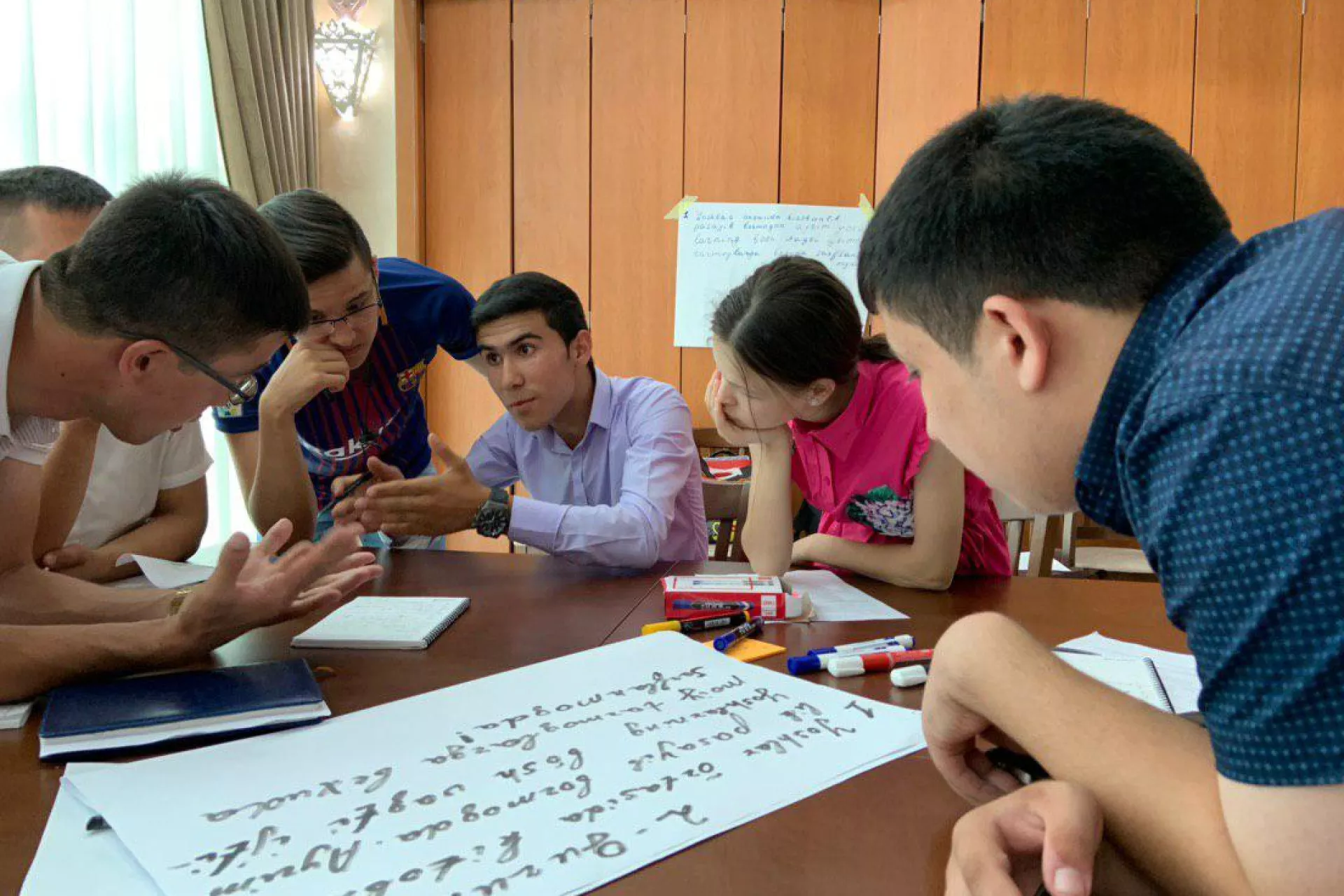
Young people under 30 years old constitute 60% of the population of Uzbekistan. Indeed, youth is the most valuable resource of the country. In two decades these children and young people will be the largest labour force Uzbekistan has ever had. With the right investments now, today’s youth population can be the generation that takes Uzbekistan to the higher level of socio-economic development. In addition to monetary resources, careful attention must be paid to their needs, interests and aspirations.
The current situation of young people is challenging. According to a survey conducted by the World Bank and UNICEF, 42% of young people of 18-30 years old are not in education, employment or training. Two major factors responsible for this are high unemployment rate among young people and the lack of skills required for the job market. Today, young people are twice as likely to be unemployed compared to the national unemployment average.
According to a survey conducted by the World Bank and UNICEF, 42% of young people of 18-30 years old are not in education, employment or training.
Under the ongoing socio-economic reforms, the Government of Uzbekistan has laid special emphasis on prioritizing youth wellbeing and empowerment. Huge financial resources have been allocated, and many programmes have been created to provide employment and meet the needs of young people.
Education sector is also undergoing considerable reforms to improve quality of education, so that young people are prepared for tomorrow’s job market.
Engaging young people in their schools and communities can enhance effectiveness of the reforms. This also gains trust and collaboration of young people, making programmes truly responsive to needs of young generation. Eventually, the voices of youth will make a difference in their own lives and future of the country.
So, how can young people engage with their communities?
First, young people can be assigned certain tasks and responsibilities in the projects initiated by adults.
Second, young people can be involved in consultations while designing and implementing youth-related programmes. This can be done through surveys, establishment of youth advisory boards, creating feedback collection platforms.
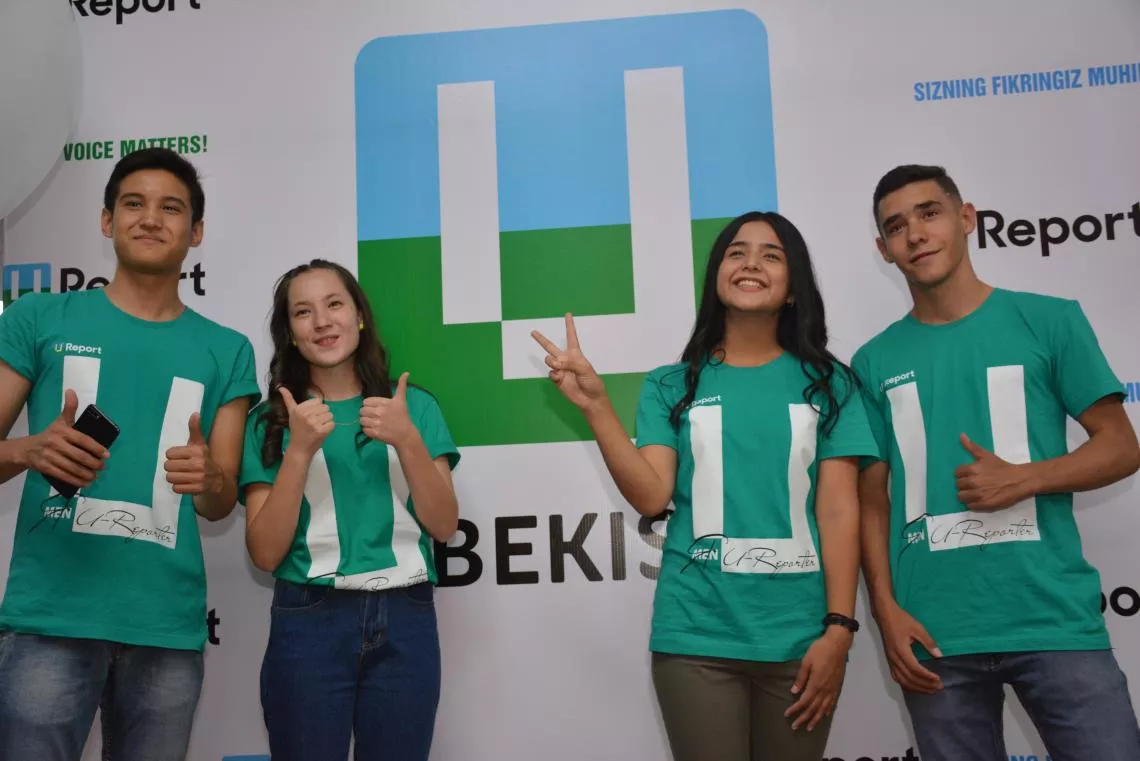
One of the existing platforms is monthly meetings called “Khokim va Yoshlar” (Governor and Youth). Another platform that allows consulting with young people, both at local and national levels – is a digital platform called U-Report. This is a joint project of the Youth Union, UNICEF, Ministry of Public Education and the Senate supported by UCell, a telecom operator.
As of now, 19,000 young people all over the country are registered as U-Reporters and share their opinions on their issues.
Finally, young people can be provided with opportunity to initiate and run their own activities. Student Unions at schools and universities can be good platforms for young people to gain leadership, decision making, and problem-solving skills.
Working for young people, and with young people, we can make all the ongoing reforms more effective. Importantly, we will get skillful, resilient and committed youth – a driving force for changes, today and in future.