Making online spaces safer and more positive for children and youth
Protecting children online is a shared responsibility
In the ever-evolving online space, child protection on the Internet is more difficult than ever before. Children today are growing up in a digital world that was not designed with their rights and wellbeing in mind.
Safer Internet Day takes place on 10 February and is a chance to focus on the online safety and wellbeing of children and young people.
This year's theme is 'Smart tech, safe choices – Exploring the safe and responsible use of AI'. This means that AI should support children’s development and well-being, not amplify risks of abuse, exploitation, harassment or data misuse. This calls for proactive safeguards now, not a “wait-and-see” approach.
Uzbekistan’s Law on protecting children from all forms of violence includes violence committed through the Internet and telecom networks. “All forms” also means AI-enabled harm, including deepfakes, impersonation and AI-driven harassment.
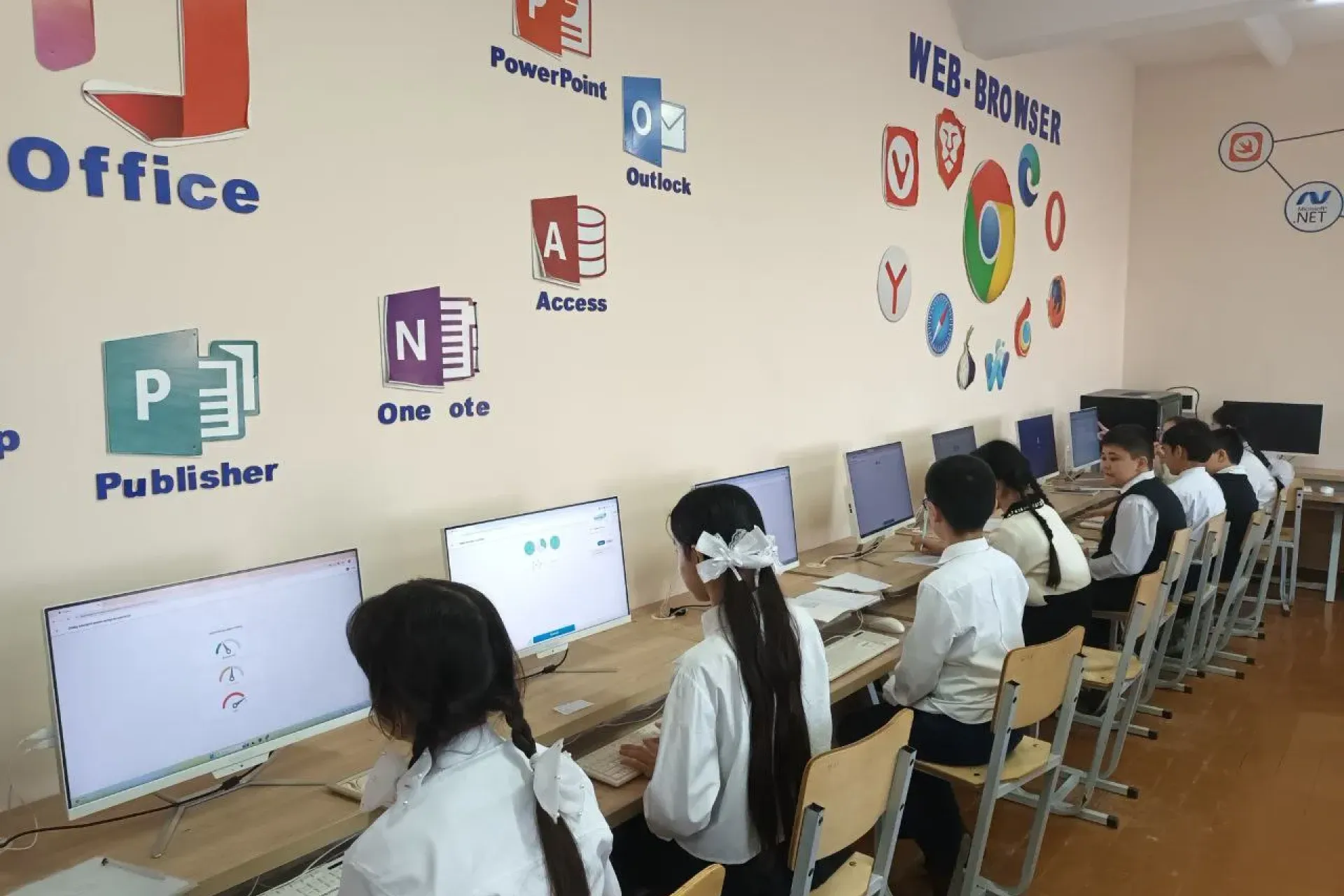
UNICEF works with government and private sector to ensure that children and young people have the skills and confidence to make safe choices when they are using smart technology. Within the framework of the GIGA Initiative, UNICEF and national partners have demonstrated that reliable, high-speed connectivity—monitored in real time—can be achieved at scale, creating the foundation for safe and effective digital learning environments.
UNICEF supports the extension of safe internet use to improve learning outcomes and enable the responsible and successful deployment of AI in education. By combining secure connectivity with protected devices and networks and by promoting high-quality, AI-enabled and age-appropriate digital learning content, UNICEF is helping ensure that technology in schools enhances teaching and learning, reduces online risks, and equips children with the skills they need to thrive safely in an increasingly digital and AI-driven world. Also, UNICEF continues teachers training on safe internet use.
Protecting children online is a shared responsibility: governments must embed child rights in all relevant laws and regulations, tech companies must design products that are safe and age-appropriate from the outset, and families and communities must have access to information and support that helps children build digital skills and resilience over time.
It is advisable for parents to talk openly with children, in age-appropriate ways, about AI, deepfakes, and image manipulation so they understand what they are, why they can be harmful, and what to do if they encounter something worrying. Through supportive discussion, parents can play a big role in helping children build safe habits online, including being cautious about sharing images or personal information and knowing how to report or seek help if something makes them feel uncomfortable.