Feeding Your Child Between 1 and 2 Years of Age
Your child can now eat the same foods as the rest of the family

By the age of one, your child is learning to feed themselves. They can chew food almost as well as adults and are able to eat the same foods as the rest of the family.
Feeding Children Aged 1–2 Years: At a Glance
Breastfeeding remains important after six months.
Although breast milk continues to provide valuable nutrients and protection against illness, by the age of one your child's main source of energy and nutrition should come from family foods and healthy snacks.
Offer a variety of family foods.
Your child can eat three-quarters to one full cup of food three to four times a day, along with one or two healthy snacks between meals.
Continue breastfeeding if possible.
Continue breastfeeding on demand for as long as you and your child wish, and ideally until at least two years of age.
Avoid unhealthy foods and sugary drinks.
Choose nutritious foods and avoid highly processed snacks and sweetened beverages.
What Should You Feed Your Child?
Your child can eat almost anything the rest of the family eats, so offer small portions of a variety of foods and aim to make every bite count nutritionally.
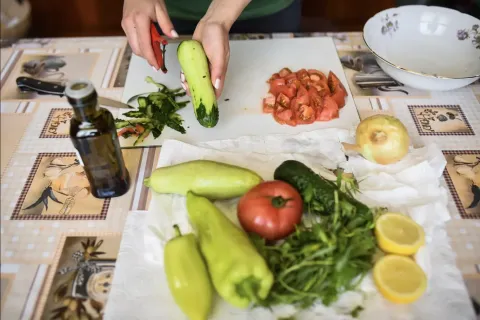
Each meal should include nutrient-rich foods. Try to ensure that your child eats animal-source foods every day, such as milk and dairy products, eggs, meat, fish, or poultry. Include legumes such as chickpeas, lentils, or peas, as well as nuts where appropriate and safe. Offer orange and dark green fruits and vegetables regularly.
Adding a small amount of vegetable oil or healthy fat to meals can help provide the extra energy young children need for growth and development.
Offer healthy snacks between meals, such as fresh fruit.
How Much and How Often Should Your Child Eat?
Most children aged 1–2 years can eat three-quarters to one cup of food three to four times a day, together with one or two nutritious snacks between meals.
Children who are not breastfed may need to eat more frequently. Around the age when children begin walking, they often require four to five meals a day along with two healthy snacks.
Dairy foods are an important part of your child's diet. Offer one to two cups of milk or equivalent dairy products each day, unless otherwise advised by your healthcare provider.
Foods to Avoid
Avoid unhealthy foods and sugary drinks. Commercial snack foods such as crisps, biscuits, cakes, sweets, fizzy drinks, and confectionery are generally high in sugar, salt, unhealthy fats, and additives.
These foods fill your child's stomach without providing the nutrients needed for healthy growth and development.
Tips for Mealtimes
Having their own plate can help your child learn to eat independently. Offer food when your child shows signs of hunger and allow plenty of time for meals.
At first, your child may eat slowly and make a mess while learning. Offer support and encouragement so that most of the food ends up in their mouth rather than on themselves or the floor.
Encourage your child to finish what they can comfortably eat and pay attention to signs that they are full.
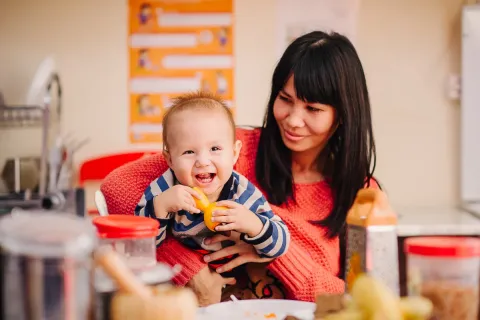
Show warmth, affection, and encouragement during meals. Sit facing your child, make eye contact, smile, and talk to them while they eat. Praise them for trying new foods and for eating well.
Creating a happy and relaxed mealtime environment helps children develop healthy eating habits.
What If Your Child Refuses Solid Foods?
Make sure your child is genuinely hungry at mealtimes and has not eaten a snack shortly beforehand.
Breastfeeding continues to be beneficial at this age, but breastfeed after meals rather than before them so that your child comes to the table hungry and ready to eat family foods.
Offer healthy foods that your child enjoys, or combine favourite foods with foods they are less familiar with. Experiment with different flavours, textures, and combinations.
If your child continues to refuse food, avoid forcing or pressuring them to eat and resist the temptation to replace meals with unhealthy snacks or treats.
Stay calm and patient. Respond positively when your child eats, but avoid turning refusal into a struggle. Simply remove the food, cover it, and offer it again later.