Water Quality Management Information System piloted in Karakalpakstan, Uzbekistan
A new Water Quality Management Information System (WQMIS) has been introduced in Karakalpakstan with UNICEF support. It is a digital information system developed for centralized collection, storage, processing, analysis, and presentation of water quality data. The system is designed to improve the timeliness of monitoring and ensure the use of reliable data for informed decision-making for access to safe drinking water. This pilot will contribute to Sustainable Development Goals (SDG) 6.1- ensure universal and equitable access to safe and affordable drinking water for all by 2030.
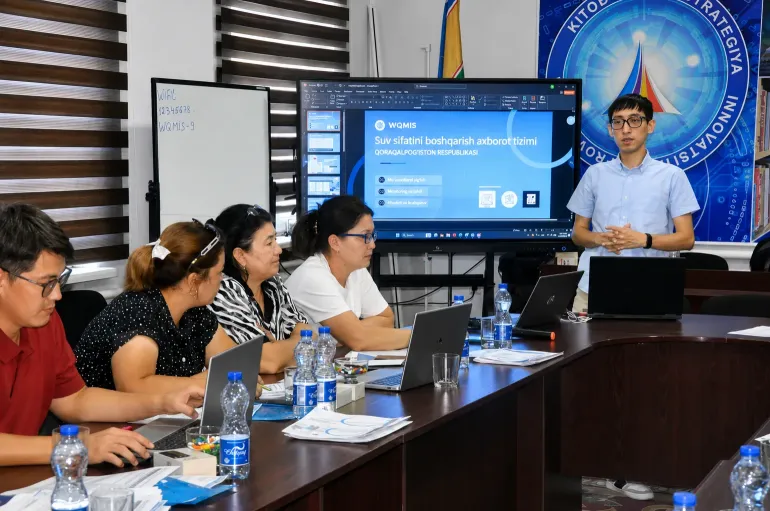
To use WQMIS effectively, over 90 specialists from the sanitary and epidemiological welfare and public health committee of the Republic of Karakalpakstan, participated in the training in Nukus.
The training was conducted with the aim of further strengthening the capacities of specialists and enhancing the effective use of digital tools for water quality monitoring.
The event was opened with welcoming remarks by Mr. Akmal Askarov, Deputy Minister of Health of the Republic of Karakalpakstan. In his opening remarks, he emphasized the importance of digitalizing water quality monitoring processes, strengthening the professional skills of specialists, and effectively utilizing modern information technologies within the public health system.
During the training, participants not only became familiar with the functional capabilities of the WQMIS but also completed practical exercises directly within the system.
Attention was paid to use WQMIS effectively by; registration of water sample data and submission for laboratory testing and analysing WQ information. Participants also learned to generate automated reports and using digital data for timely and informed decision making.
In addition, all participants were provided with the necessary training and information materials to support their further work with WQMIS.
An important component of the training was the exchange of practical experience among specialists. Participants shared and discussed practical issues and challenges faced during WQ monitoring and explored practical situations together.
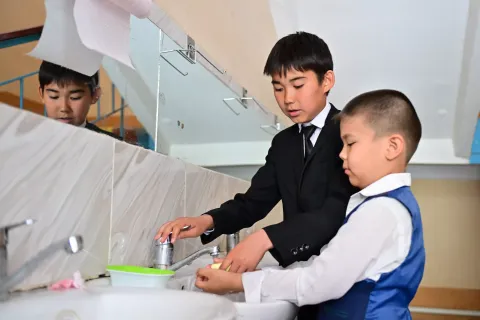
The development of WQMIS is part of broader efforts to strengthen water quality monitoring systems and promote climate-resilient WASH services in Karakalpakstan. As part of its programme in the region, UNICEF supports the strengthening of monitoring systems and the use of digital data to enable effective decision-making in the areas of water supply, sanitation, and hygiene.