Working together to address nutrition challenges among refugees and host communities
Uganda Humanitarian Fund enables UNICEF, WFP, UNHCR and MTI
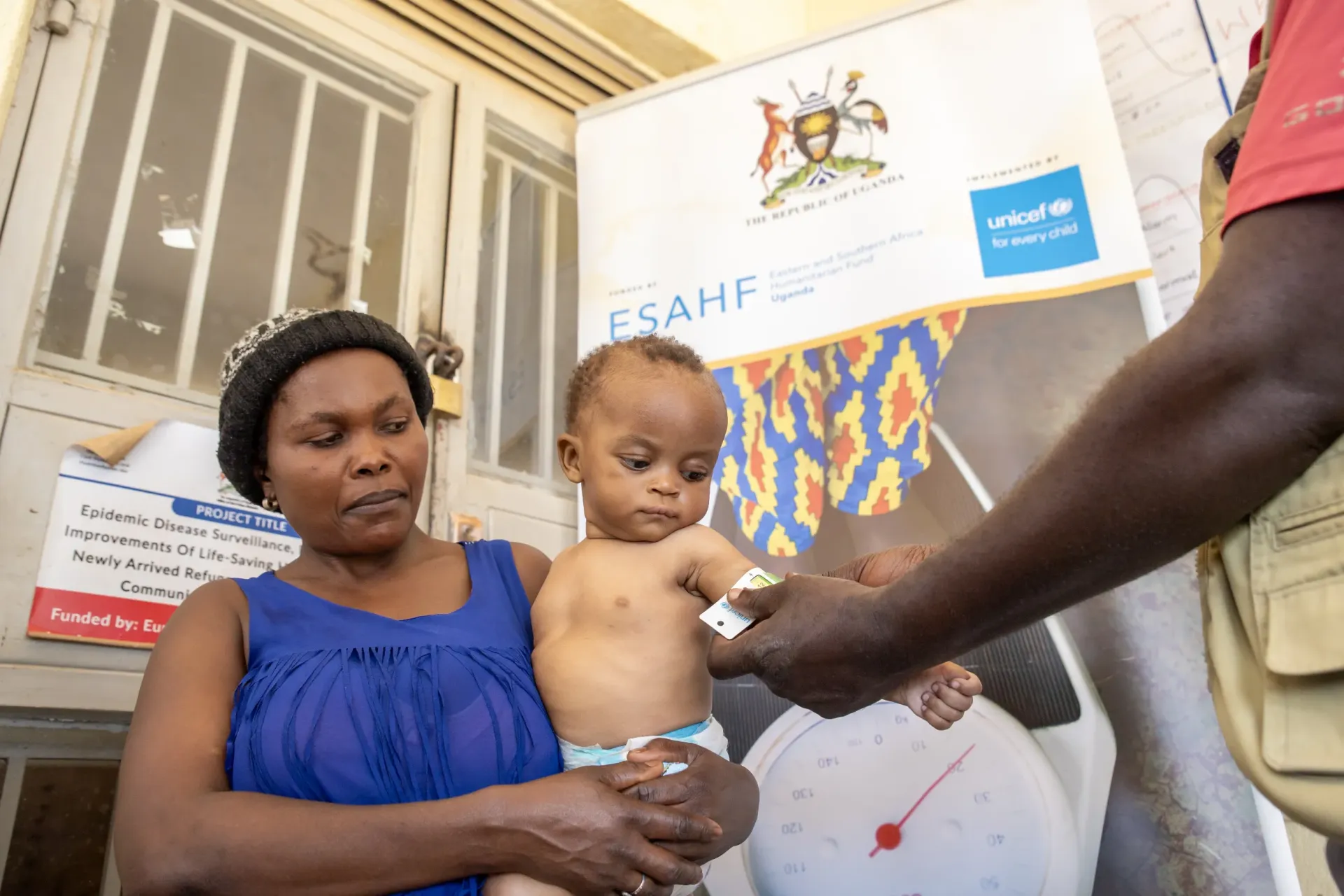
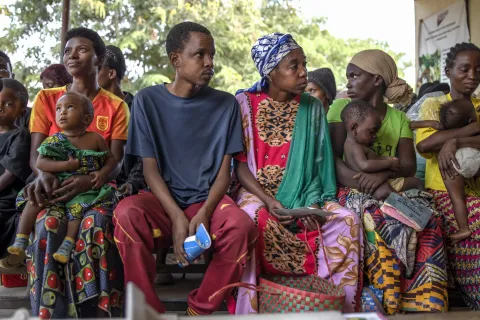
When families fleeing conflict arrive in Nakivale Refugee Settlement, they carry little more than their children. Many of those children are already undernourished after weeks or months with almost nothing to eat. In 2025, Nakivale's malnutrition rate told the story of that suffering in numbers.
The health facility in-charge, Dr Mbareebaki Deus at Nyarugugu Health Centre at Nakivale Refugee Settlement watched the numbers climb and knew no single agency could reverse the crisis alone, but a multisectoral approach.
"We received over 18,000 new arrivals in 2025," he says. "These families came with absolutely nothing. The mothers had walked for weeks with no food, no shelter, no way to earn income. When the rains failed, even our host community farmers struggled. Some mothers had to leave their children with neighbours just to look for casual work in distant villages."
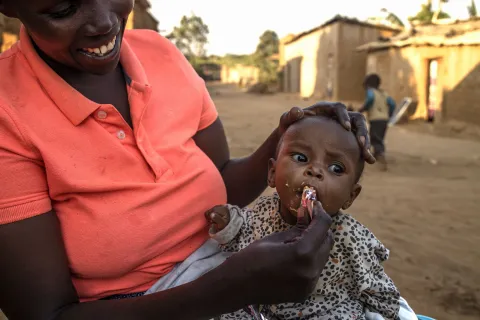
Instead, a coordination model took shape, with each agency contributing its core strength. UNHCR ensures refugees access health services as soon as they register in the settlement. WFP provides general food assistance to prevent hunger from pushing more families into crisis. UNICEF supports screening, early referrals and treatment for children who are already severely malnourished, procuring Ready-to-Use Therapeutic Food (RUTF) supplies, further boosted in 2026 by funding from the Uganda Humanitarian Fund (UHF) managed by OCHA. UNICEF also supports health facilities with trainings of staff and provides equipment such as arthrometric tools needed to save lives.
The model begins in the community. UNICEF-trained Village Health Teams (VHTs) and refugee outreach volunteers move through the settlement with Mid-Upper Arm Circumference (MUAC) tapes, screening children door to door and during outreach services. When they identify a child whose MUAC falls in the yellow range for moderate malnutrition or the red range for severe malnutrition, they activate a referral system linking all three agencies. UNHCR helps the family reach the health facility, while UNICEF-supported health workers begin treatment immediately with RUTF and other health measures. WFP provides Ready-to-Use Supplementary Food (RUSF) to prevent moderate malnutrition from becoming severe and to protect siblings from falling into the same crisis.
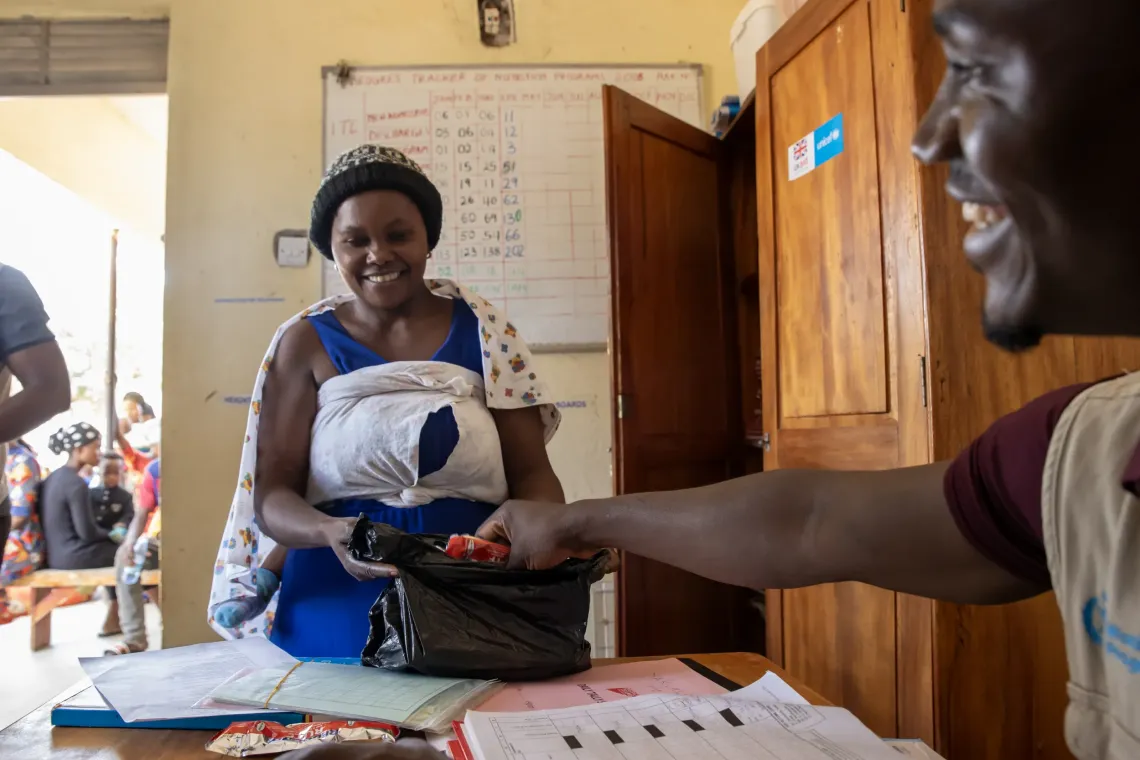
"When a VHT member identifies a severe case, they immediately call us," Dr Mbareebaki explains. "UNHCR verifies the family's registration and covers transport if they're far from the facility. We admit the child and start on the UNICEF-availed RUTF treatment the same day. Then WFP follows up with the household to make sure the whole family is getting general rations and RUSF for children with moderate malnutrition. It's a handoff system where each agency knows exactly what the others are doing."
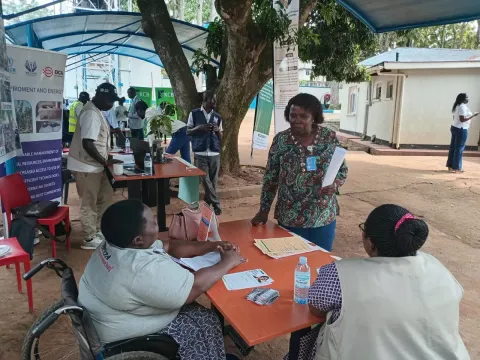
At Nyarugugu Health Centre in Nakivale Refugee Settlement in western Uganda, Mr Wasswa Yosia, the nutritionist working with Medical Teams International (MTI), a UHF beneficiary supported by UNHCR, describes what the funding has made possible. Children enrolled in outpatient therapeutic care receive weekly RUTF supplies procured through UNICEF. Community outreach teams conduct home visits and cooking demonstrations, teaching mothers how to prepare nutritious meals with the food commodities WFP distributes. The goal is not just to treat malnutrition but to prevent it from returning.
"Treatment without prevention just creates a cycle," Mr Wasswa says. "We give the child RUTF, they recover, then they go home to the same food insecurity and relapse. That's why this support enables our community teams at MTI to do cooking demonstrations, growth monitoring, and follow-up visits. We're teaching mothers how to use the availed food to keep their children healthy after treatment ends."
Dr Mbareebaki emphasises that these services do not distinguish between refugees and Ugandan host communities. The funding from the UHF channelled through UNICEF, UNHCR and partners like MTI reaches both populations equally. Children from villages surrounding Nakivale come to the same facilities, receive the same RUTF and RUSF supplies, and are treated by the same health workers.
"Funding from UHF through UNICEF has transformed our district's nutrition response," says Dr. Marion Alowo, the Assistant District Health Officer who also serves as the Isingiro District Nutrition Focal Person. "We're now treating both refugee and host community children with the same protocols, the same supplies, the same quality of care. The funding has enabled us to train more health workers, expand outreach teams and services, and maintain RUTF and RUSF stocks even when caseloads surge."
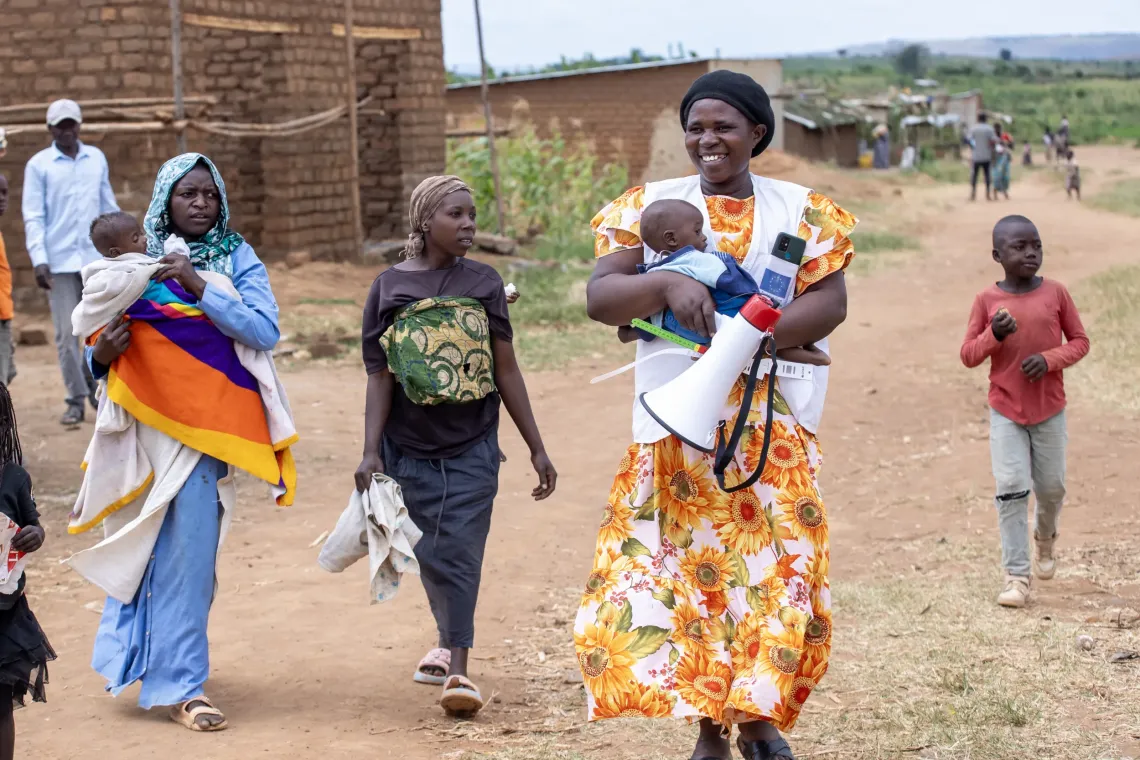
But even with strong coordination, gaps remain. Dr Mbareebaki describes how malnutrition rates doubled as new families kept arriving with shattered livelihoods. Agricultural production collapsed under poor rainfall. Markets sold food at prices most families could not afford.
"Our other challenge is staffing," he notes. "We have RUTF supplies thanks to UNICEF, but we have two nutritionists covering a caseload that should require six. When 40 children show up for weekly treatment and you're also managing inpatient cases and community outreach, you can't give every family the time they need."
"We need sustained investment in the health workforce," Dr Marion adds. "UNHCR, WFP, and UNICEF have given us the tools and the coordination framework. What we need now is more hands to deliver services at the scale this crisis demands."
Mr Wasswa says UHF funding has enabled them to maintain the full continuum of care: outpatient therapeutic feeding with RUTF for children with severe acute malnutrition, inpatient care for severe cases with medical complications, and targeted supplementary feeding with RUSF for moderate malnutrition.
"None of us could do this alone," he says. "UNHCR brings families into the system. WFP keeps them from falling back into hunger with general food assistance and RUSF. UNICEF treats the severely malnourished children with RUTF. MTI provides the health workers on the ground. Together, we're creating a safety net that actually catches people."
For now, the coordination model is working. When a malnourished child arrives in Nakivale, UNHCR, WFP and UNICEF respond together: UNHCR facilitates access to services, WFP helps prevent the crisis from worsening, and UNICEF, with UHF funding, procures RUTF and supports treatment through partners such as MTI.
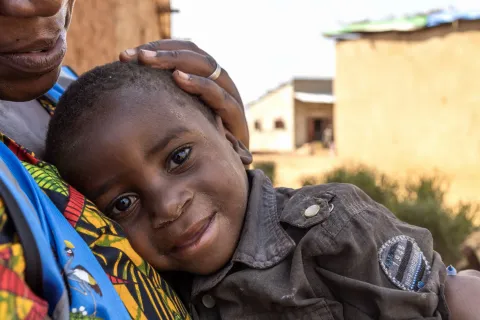
Children who would have died from malnutrition are recovering, and families who arrived with nothing are learning how to prevent it from re-occuring. The UHF-funded system is saving lives because three agencies chose to work together, not in isolation.