Uganda leads regional effort to strengthen refugee-inclusive child protection systems
The gathering brought together technical teams from Egypt, Ethiopia, Iraq, Jordan, Kenya, Lebanon, Sudan, and Uganda to exchange practical lessons, deepen collaboration, and accelerate integration of refugee children into national systems.
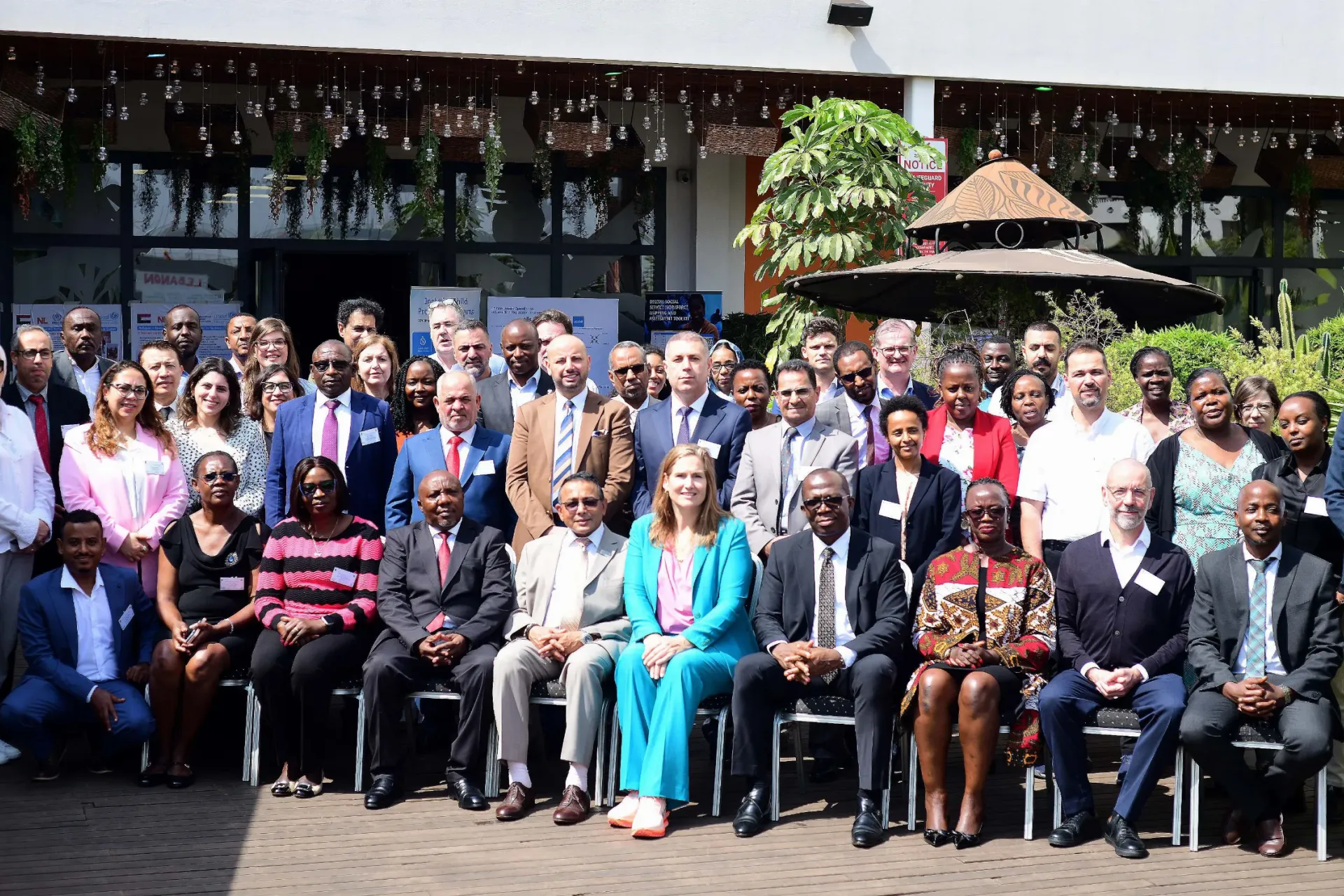
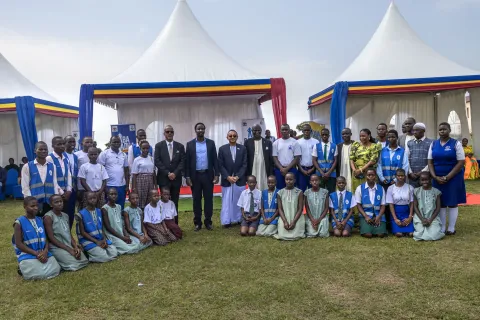
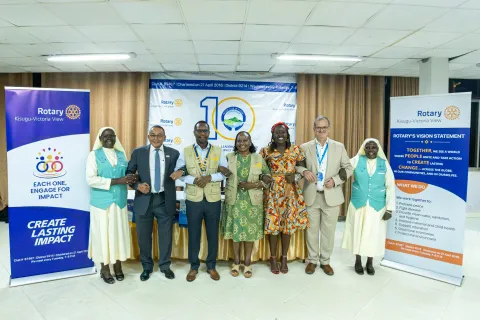
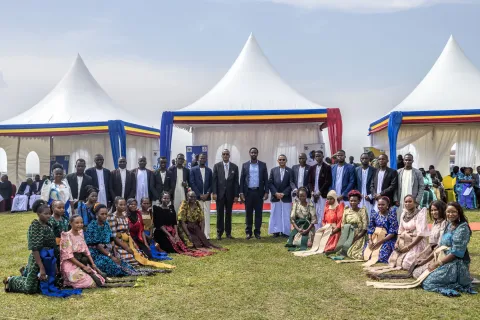
UNICEF Uganda has led a major regional push to strengthen refugee-inclusive child protection systems, as government officials, civil society organisations, and United Nations (UN) partners from eight countries convened in Kampala for a four-day PROSPECTS workshop.
Held under the auspices of the Government of Uganda and supported by the Government of the Netherlands, the gathering brought together technical teams from Egypt, Ethiopia, Iraq, Jordan, Kenya, Lebanon, Sudan, and Uganda to exchange practical lessons, deepen collaboration, and accelerate integration of refugee children into national systems.
In his opening remarks, UNICEF Uganda Representative Dr. Robin Nandy emphasised that UNICEF’s foremost priority is to ensure that all children in Uganda, refugees and host alike, are served by strong, coordinated, and fully inclusive national child protection systems.
He underscored that the sustainability of child protection work depends on reinforcing government and district structures, not parallel services, noting that Uganda’s approval of three Opportunity Fund proposals worth US$17 million under PROSPECTS Phase II reflects confidence in the country’s inclusive approach.
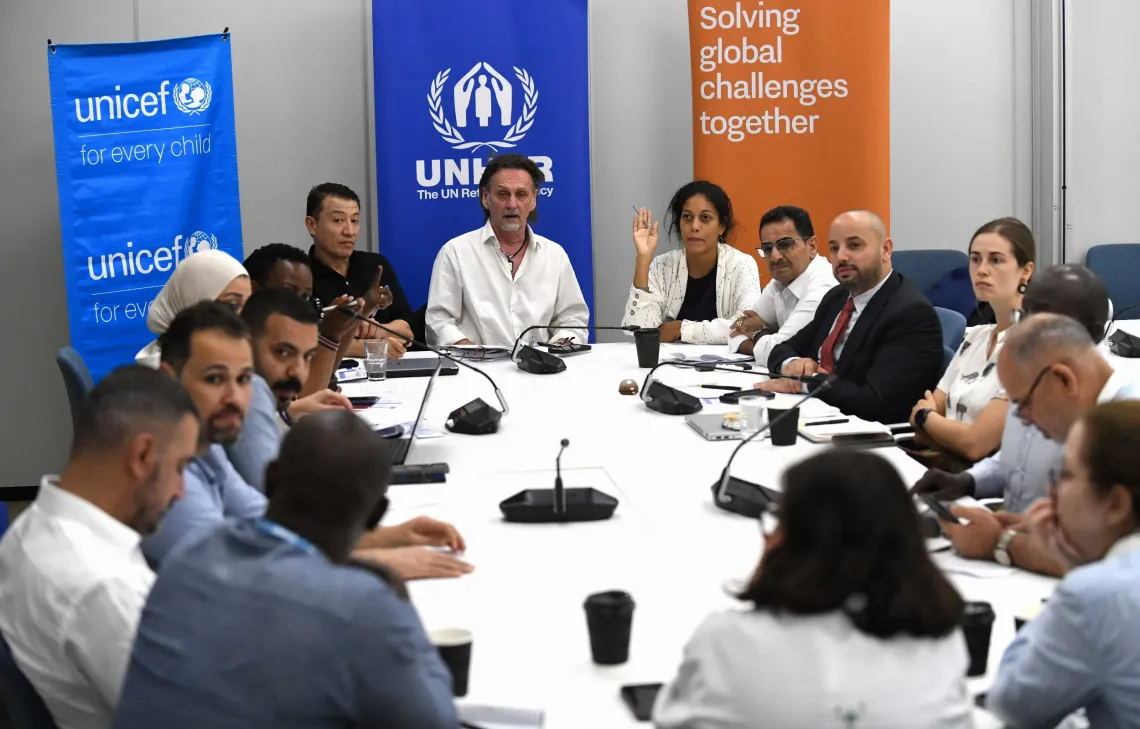
The Government of Uganda, represented by the Ministry of Gender, Labour and Social Development’s Commissioner for Youth and Children Affair- Fred Ngabirano, reaffirmed its commitment to embedding refugee protection within national policies such as the National Child Policy (2020), the Alternative Care Framework, and the integration of refugee priorities into the National Development Plan IV.
Ngabirano represented the Permanent Secretary of the Ministry of Gender, Labour and Social Development, Aggrey David Kibenge, who highlighted Uganda’s long-standing open-door policy, strong legislative foundations, and extensive coordination structures that connect local governments, law enforcers, development partners and social service providers across the country.
Over the course of the workshop, delegates participated in field visits to the SAUTI-116 Child Helpline, KCCA Central Division, and Kasanga Refugee Centre, observing how integrated case management, urban service delivery, and community-led solutions bring policy to life.
These practical experiences demonstrated the importance of frontline workers and local authorities, the backbone of national protection systems, in ensuring that children receive support close to their homes.
During a session featuring civil society and refugee-led organisations, participants stressed key issues that align closely with UNICEF Uganda’s priorities: the need for coherent systems where the law, the workforce, financing, and data work together, the importance of culturally sensitive programming and the central role of community ownership and children’s participation.
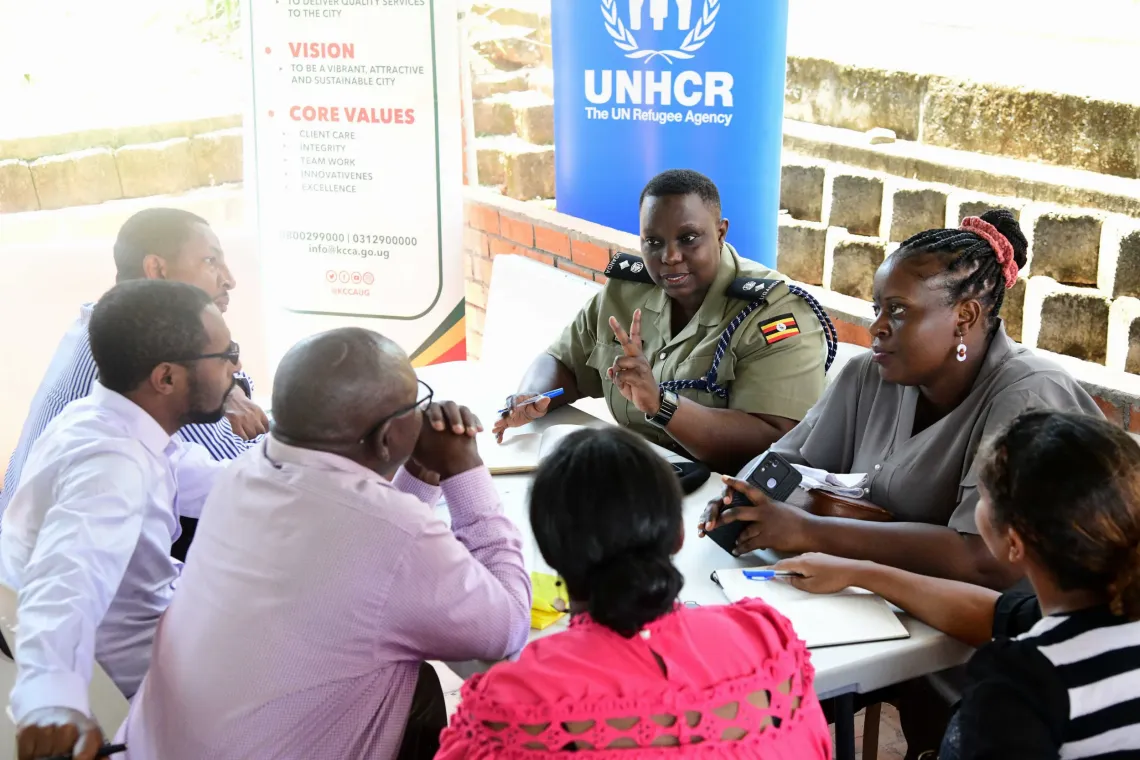
Voices from partners were frank and compelling- highlighting that sustainability requires empowering communities with the skills and confidence to carry on protection work long after humanitarian projects end.
UNICEF and UNHCR, operating under their Strategic Collaboration Framework, reaffirmed their joint responsibility to ensure refugee inclusion remains systematic, coordinated, and measurable.
The Government of the Netherlands was recognised for its continued investment in PROSPECTS, which enables both agencies to strengthen national systems across eight countries.
Other PROSPECTS partners- ILO, IFC, and the World Bank- were acknowledged for contributing complementary expertise in education, livelihoods, and social protection, creating an integrated environment where child protection efforts can thrive.
As the workshop moves into action planning, country teams are expected to sharpen commitments on workforce strengthening, financing, inclusion measurement, and cross-border case management.
For UNICEF Uganda, the message throughout the week has been clear: when national systems are strong, inclusive, and well-resourced, every child- regardless of nationality or circumstance—receives the protection, dignity, and opportunity they deserve.