Inclusion only works when systems are strong
“A child without a legal identity is a child at risk. Registration is not paperwork; it is protection, dignity, and a pathway to services.”

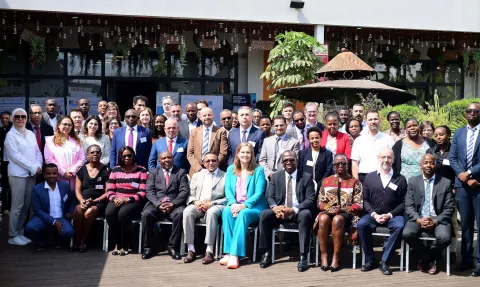
At the PROSPECTS workshop in Kampala in December 2025, UNICEF set the tone with a simple but powerful reminder: refugee inclusion can only succeed inside systems that are strong, coordinated, and built to serve every child- both national and refugee.
From the outset, UNICEF called on partners to look past short-term projects and focus instead on the pillars that make protection real, underscoring legal identity, professional social workers, reliable data, accessible services, and sustainable financing.
Without these elements, the organisation cautioned, inclusion becomes uneven, unpredictable, and sometimes impossible. UNICEF Child Protection Officer Semmy Angeyo captured the urgency in direct terms.
She said, “A child without a legal identity is a child at risk. Registration is not paperwork; it is protection, dignity, and a pathway to services.” Angeyo stressed that child protection cannot be delivered in fragments.
“If one pillar fails- the law, the workforce, the services, the financing, or the data- the whole system weakens,” she observed. UNICEF also placed children’s voices at the centre of the conversation.

Through UNICEF-supported structures, young people are increasingly shaping the decisions that affect them. John Mugisha, a Senior Probation and Welfare Officer at the Ministry of Gender, Labour and Social Development and National Coordinator for Sauti-116 helpline said, “Children in Uganda repeat a powerful phrase: ‘Nothing for us, without us.’ And they mean it.”
These messages anchored the workshop’s central truth that strong systems protect better, reach further, and last longer than any project or emergency intervention.
They form the backbone of how Uganda, and its partners, can build an inclusive future where every child has a fair chance. When UNICEF laid out the structure, community voices and civil society partners shared from their lived reality.
Sarah Agea, a Community Services Officer in the Office of the Prime Minister (OPM) reminded participants of the human generosity that has long defined Uganda’s refugee response. “Host communities in West Nile and Kiryandongo have given land, the foundation of livelihood. They didn’t do it because they were instructed but because humanity still means something here,” Agea explained.
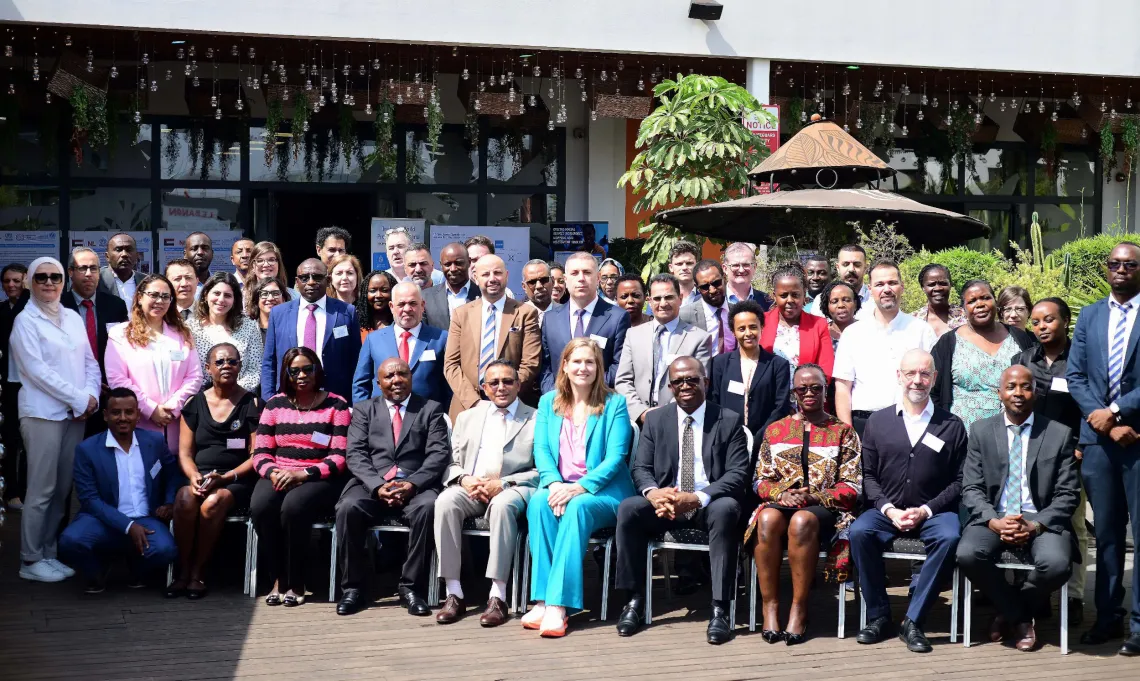
Her words underscored a truth that policy alone cannot capture, adding that inclusion in Uganda is built on everyday acts of solidarity. Refugee-led organisations echoed the sense of shared responsibility.
Speaking for many, Ismail Hussein of Aider Refugee Initiative offered a candid reflection. He said, “When your organisations complete their projects and leave, we remain. What we are asking for is not charity; it is empowerment. Teach us, equip us, walk with us.”
His message resonated across the room- a reminder that sustainability strengthens when communities lead and partners accompany their efforts. For humanitarian organisations, localisation came with a call to humility.
Lara Marshall of the Norwegian Refugee Council (NRC) Uganda challenged partners to embrace mutual learning. “It’s unfair if learning only flows in one direction… Before you leave Uganda, tell us what we should adopt, what we should rethink, and what we should strengthen,” Marshall said.
Together, these voices brought the workshop back to its core purpose: systems matter because real lives depend on them. Strong national systems amplify community action and ensure that no child is protected by chance.