Nourishment and clean water
Japan's support delivers nutrition services and clean water to Kiryandongo's children
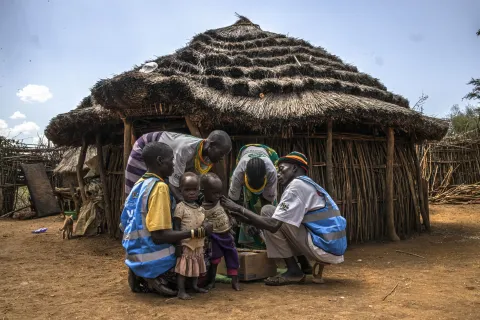
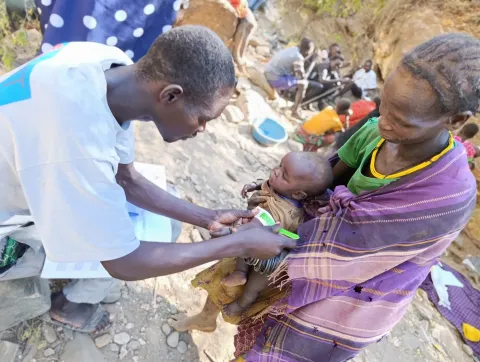
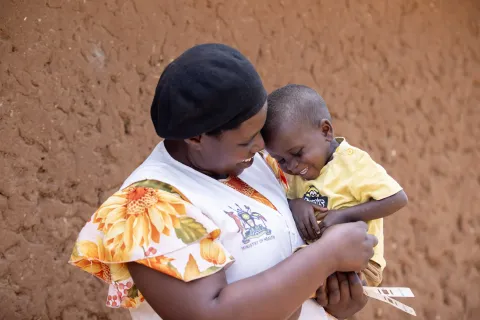
Mothers across Kiryandongo District carry something vital in their pockets: small, coloured tapes that continue to reform how they protect their children. These are Mid-Upper Arm Circumference (MUAC) screening tapes, simple strips that measure malnutrition through colour changes that communities have embraced thanks to funding from several partners including the Government of Japan to the Government of Uganda through UNICEF.
In Kiryandongo, 3000 children have received treatment for severe acute malnutrition through this intervention, their lives saved by Ready-to-Use Therapeutic Food (RUTF). But the transformation begins before they reach the clinic.
Across 225 communities in Kiryandongo District, Mid-Upper Arm Circumference (MUAC) tapes were distributed to 10,108 caregivers, which improved early detection. Mothers no longer wait for visible signs; they measure their children's arms at home, watch for the colour change that signals danger, and seek help immediately.
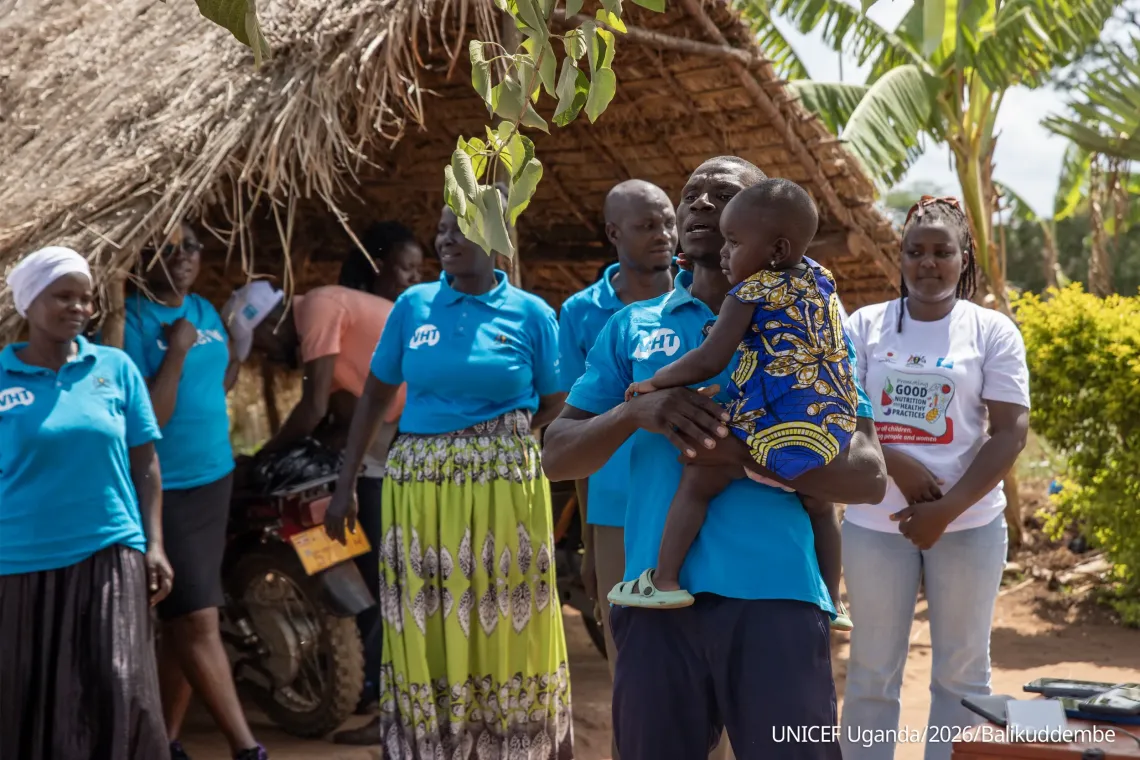
Village Health Teams also regularly visit communities, teaching families to recognise the early signs of malnutrition. The knowledge further spreads through mothers teaching fellow mothers in the neighbourhood, leading to more children being measured.
The impact of this support extends beyond nutrition services.
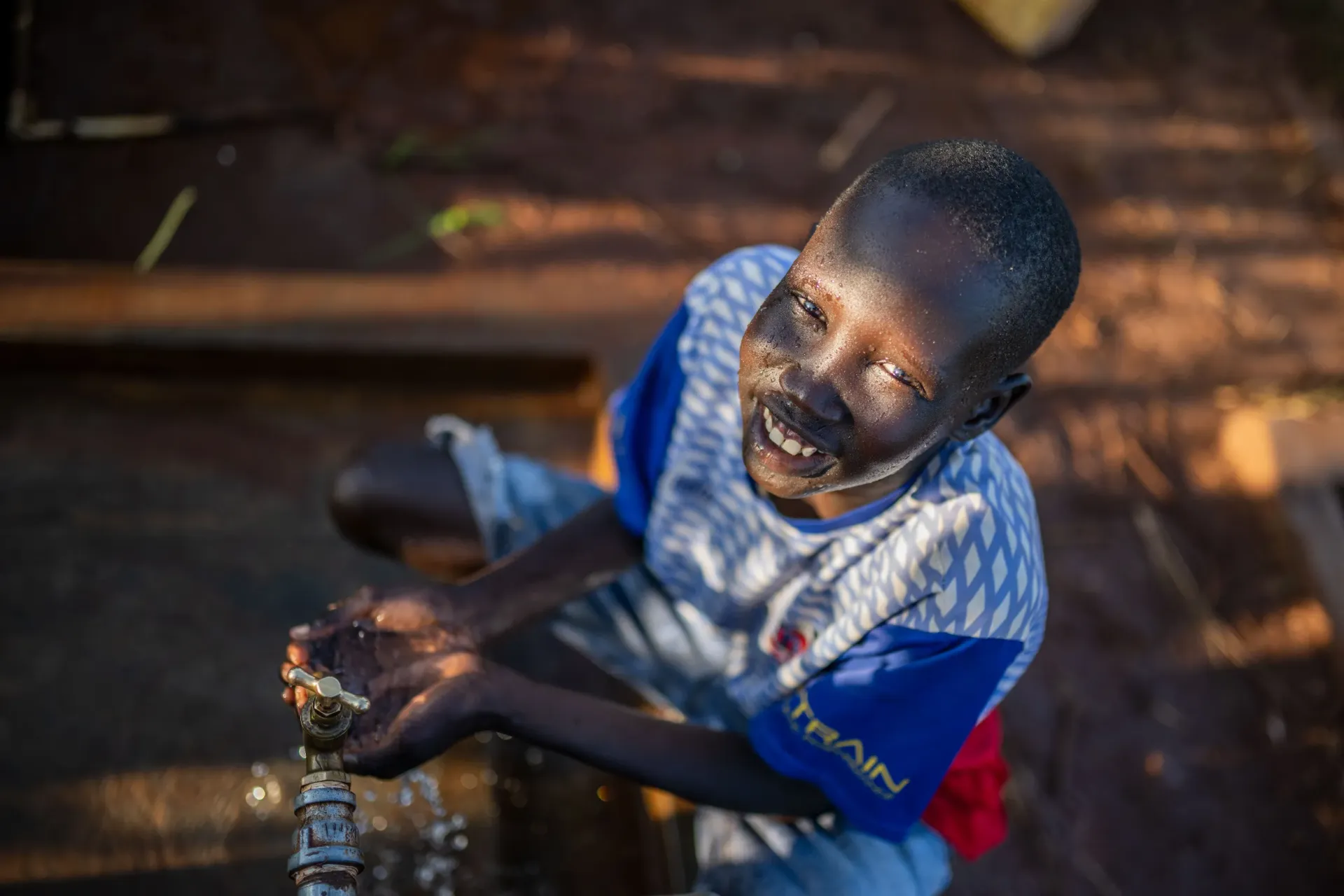
At Kigumba Primary School and Canrom Primary School, both serving refugee and host communities, girls no longer arrive late after walking long distances to fetch water. The new climate-resilient, solar-powered water systems provide clean water at school, reaching 5,970 children.
Before the improvements, girls would miss school due to menstruation and lack of private facilities and hygiene supplies. Now, separate sanitation blocks provide dignity and privacy. Through practical training, girls have also learnt how to produce reusable sanitary pads and liquid soap, skills that support sustained behaviour change and reduce absenteeism.
Their teachers also attest to the impact. Students who once missed school days now attend consistently. Girls who struggled to concentrate now participate fully due to improved water and sanitation removing the barriers that displacement creates.
The integration of these interventions creates multiplying effects; clean water reduces diarrhoeal diseases that worsen malnutrition, proper nutrition helps children resist illness and concentrate in school, and safe sanitation protects their health and dignity.
In communities where water was scarce and competition threatened social cohesion, the strengthened water management systems serve both refugees and host populations. The introduction of prepaid hand pump meters has professionalised water service delivery, improving financial transparency and system functionality.
Mothers trained in family MUAC screening now volunteer alongside Village Health Teams, sharing what they learnt during community gatherings. They demonstrate how to use the coloured tape, explain nutrition practices, and identify danger signs. The knowledge stays with families even when circumstances change, even when they move.
Japan's support has ensured that 90,655 people gain access to essential services. Families who arrived depleted by conflict now possess tools to protect their children's health. Communities divided by resource scarcity now share improved infrastructure. Girls who faced barriers to education now continue learning.