“We guard them”
In Karamoja sub-region where many children drop out of school, pupils at Rupa Primary School in are learning to look out for one another.

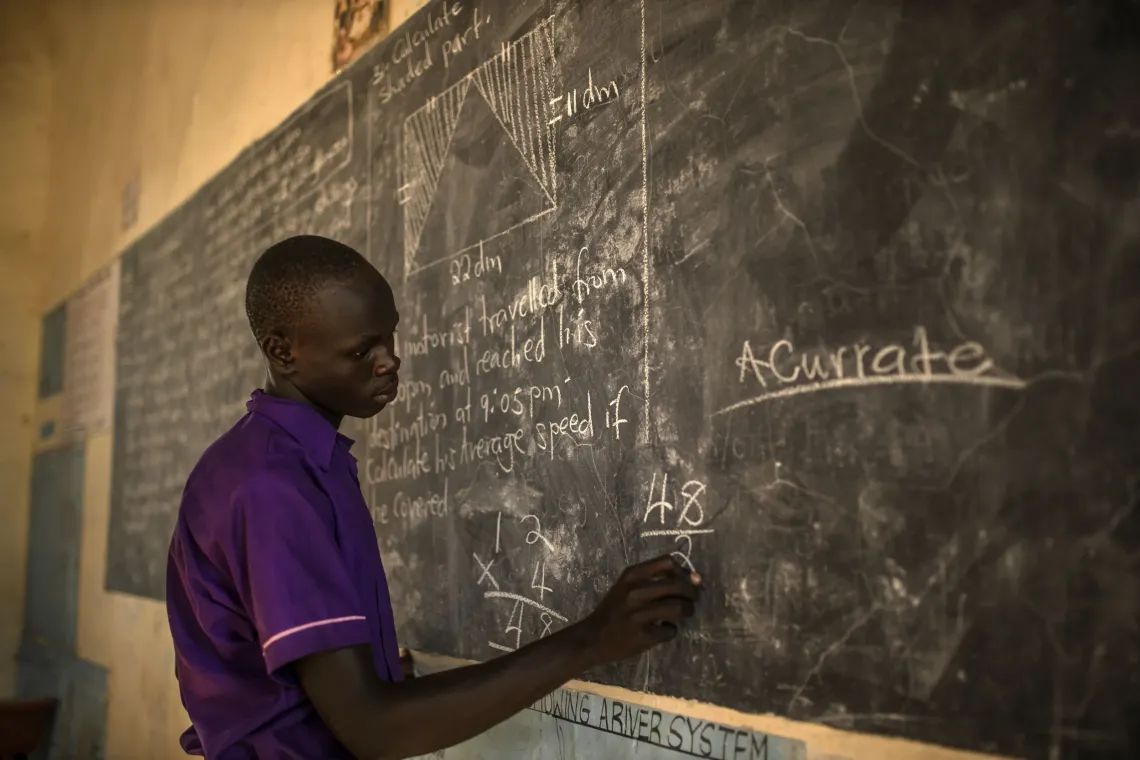
Moses is 17, and he speaks with quiet certainty. Ask him what he would do if a girl in his class were caught out by her period, and he does not look away or laugh nervously as many boys his age might.
“When they are in their monthly periods, we guard them. If it comes accidentally, you give them your shirt to cover up.”
He learned about menstruation in class and through the school’s clubs. Those lessons taught him to respond to a natural part of a girl’s life with care rather than ridicule. He is a keen debater, science is his best subject, and he dreams of becoming a teacher.
To Moses, handing over his shirt is simply what a friend does. At Rupa, that small act can decide whether a girl finishes the day with her dignity intact or walks home in shame and never returns.
A day that starts before dawn
Joyce is 15 and in Primary Seven, the final year of primary school. She is awake by five or six each morning, cleaning, bathing and tidying the dormitory before lessons. English is her favourite subject because, she says, “It is a simple subject.” She wants to become a lawyer, and she speaks of it as a plan, not a wish.
She credits the boys around her with making school kinder for girls. “The boys are supportive in our menstrual hygiene. They respect us when we are bleeding.”
In a region where periods are often met with silence and embarrassment, that respect helps her come to school every day of the month.
The friends who did not come back
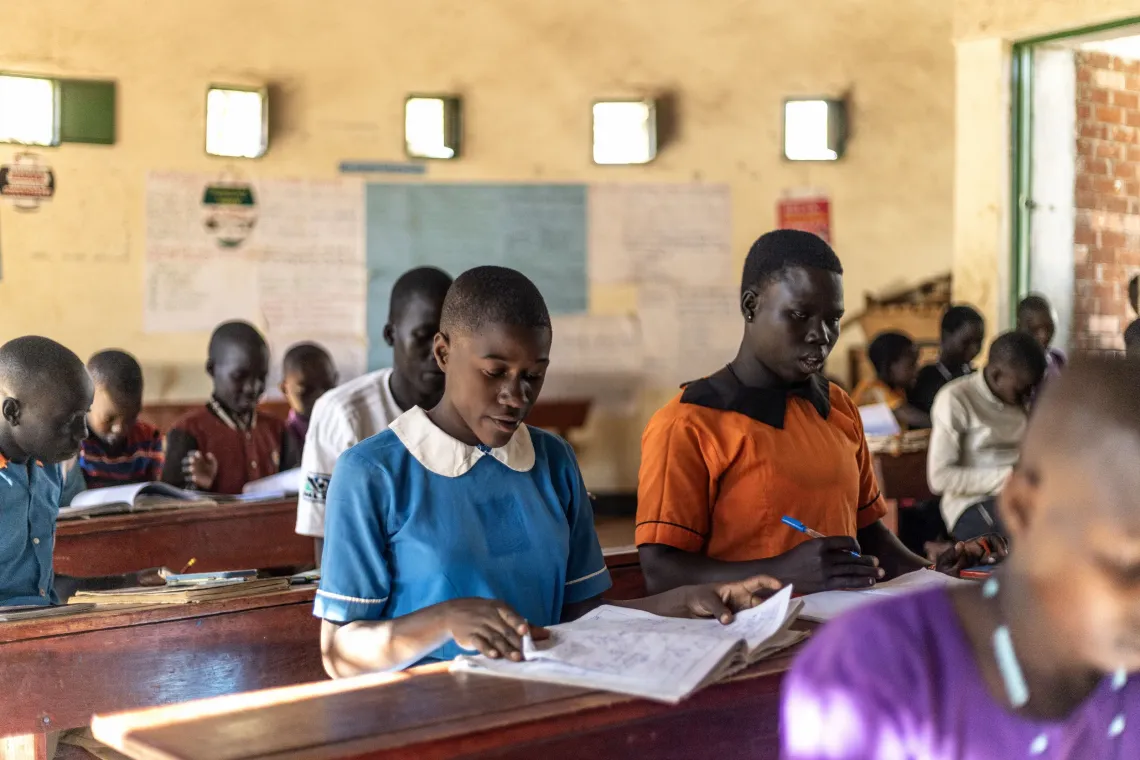
Joyce has seen what happens to girls without that support. One by one, friends have left school, and she remembers each reason. Some had no parents to buy books and uniforms. Some lived alone. Others stayed home to care for younger siblings while their parents searched for food or work. Some were married off, some turned to alcohol and one became pregnant.
“Once they leave,” she says, “few return, because they fear they will be shamed.”
Her teachers tell the same story. Girls who cannot manage their periods miss lessons every month and fall behind until staying home feels easier. Children are pulled out of class to herd animals or earn money, and some girls are married while still children. In some homes, teachers say, children as young as four are given alcohol because there is no food.
Across Karamoja, where the literacy rate stands at 22 per cent against 73 per cent nationally, child marriage and child labour continue to pull girls out of school year after year.
A programme built around keeping children in school
The Improving Quality and Inclusive Education for Girls and Boys in Karamoja programme was designed to address this reality. Implemented by the Ministry of Education and Sports and UNICEF with funding from the Embassy of Ireland, it runs from 2024 to 2028 and is now in its third year.
Working across all nine districts of Karamoja, it follows learners from pre-primary through secondary school. It also reaches parents and communities, recognising that whether a child stays in school is decided as much at home as in the classroom. Girls and learners with disabilities are at the centre of its work, because they are so often the first to be left behind.
Not waiting to be rescued
Joyce knows she is luckier than many. “My parents are able to provide my needs,” she says.
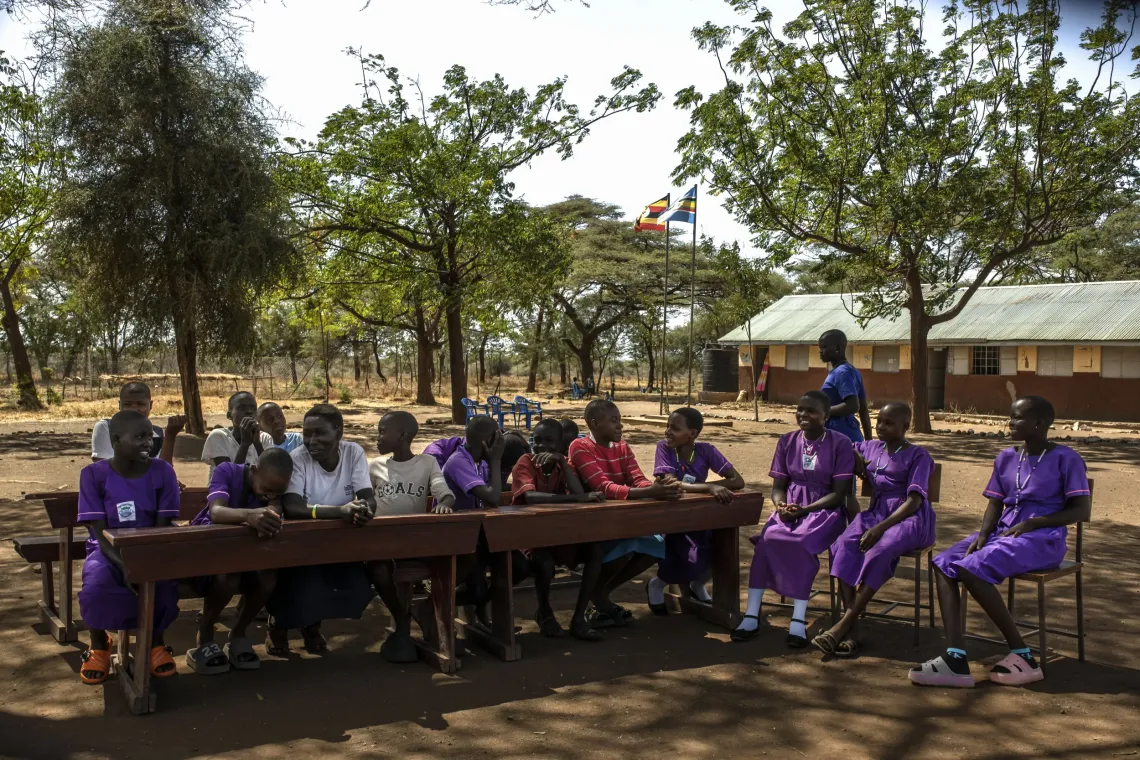
Yet she is not waiting to be rescued. Through the school’s young farmers club, she and her classmates grow and sell crops.
“The money buys more seeds and the things we would otherwise go without like soap, sugar, pens, sanitary pads and knickers.”
For a girl in Karamoja, a packet of pads can mean sitting in class all month instead of losing a week of lessons to fear. Over a childhood, those lost weeks can add up to a future that slips away.
Parents doing what they can
Behind every pupil is a family stretched almost to breaking point. Parents speak of rising food prices, drought, pests, land disputes and thieves who empty their granaries. In the rainy season, a swollen river cuts some children off from school altogether. Many parents can afford books when their children are small but cannot keep pace as they move up through the classes.
Still, they give what they can. Parents such as Teko Paul carry firewood to the school kitchen, and others help to offload food deliveries from the World Food Programme so their children can eat at school. One grandparent spends his monthly pension on books for his grandchildren.
Holding on to the future
For Joyce and Moses, school is held together by many hands: parents carrying firewood, teachers urging children to stay, partners who refuse to give up on Karamoja’s children, and classmates who hand over a shirt without being asked. Take one away, and a child can slip through.
Joyce has already decided what she will fight for.
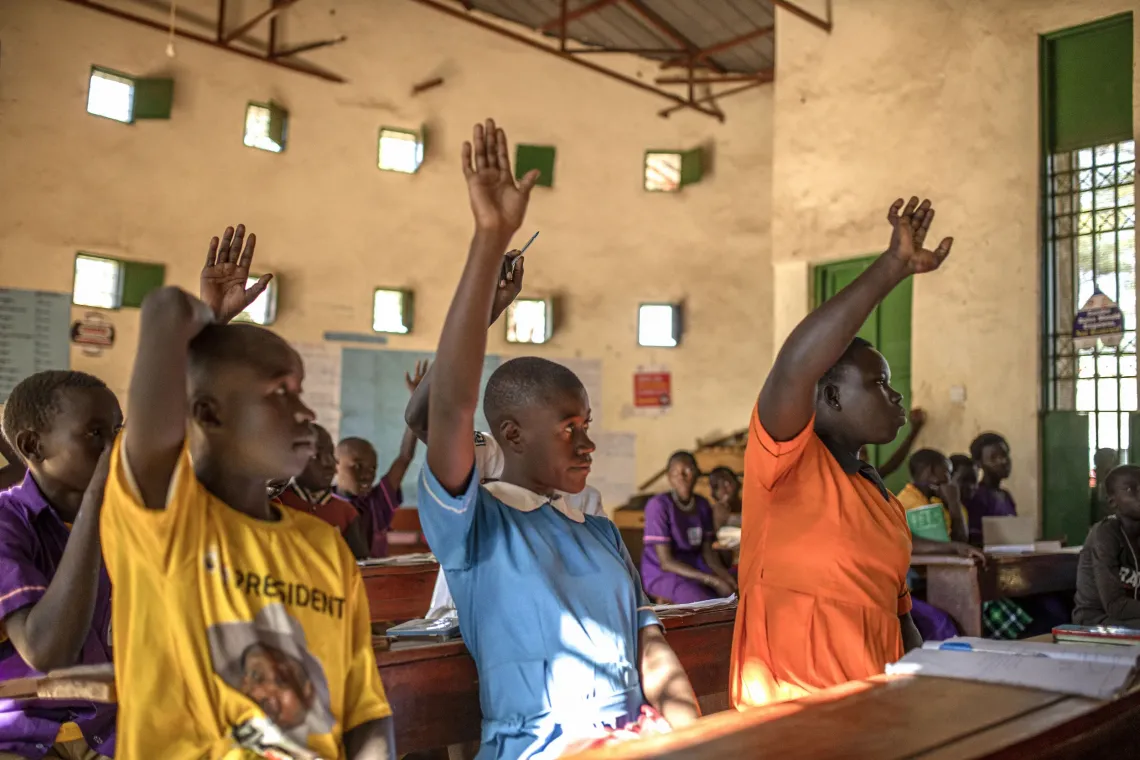
"I have my future aspirations, which I don’t want to lose. I want to become a lawyer"