UNICEF walking the COVID-19 Talk in Uganda
"We must act now so children will not bear the brunt of the long-term impacts of this crisis,” Dr. Mulenga

Pandemics such as COVID-19 can have a profound effect on children. The inability to access playgrounds can lead to both physical and psychological effects that can affect children for the rest of their lives. As the world experiences a lock down, children are affected as they can’t attend school. Family resources, which are already scarce especially in developing countries like Uganda, could easily be diverted from catering for the welfare of children to looking after those infected.
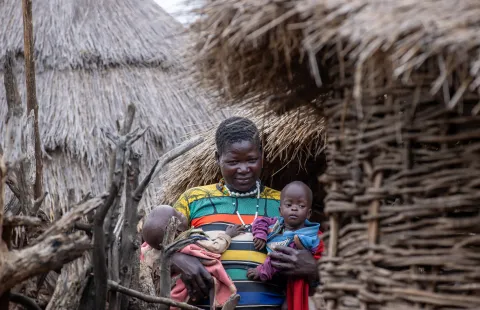
With the number of positive COVID-19 cases increasing every day, the needs of children and their families are increasing too. This makes children the most vulnerable segment of the population. With close to 60 per cent, the highest proportion of Uganda’s population is of children below the age of 18 according to the 2019 Situation Analysis of Children in Uganda. Some of these head households.
This calls for a need to mitigate the impacts of COVID-19 on children.
“Children are less likely to get sick from the virus, but we must act now so they will not bear the brunt of the long-term impacts of this crisis,”
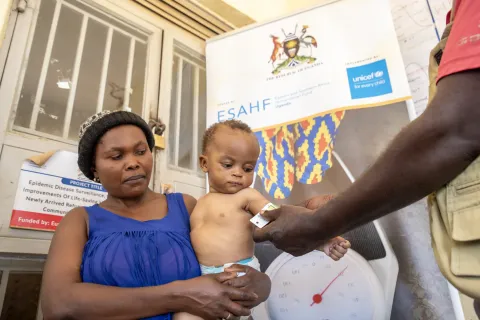
According to a statement issued in Kampala on 13 May 2020. It is under this background that UNICEF is supporting the Government of Uganda in the prevention and containment of COVID-19 while at the same time using this opportunity to build back better. This is part of UNICEF’s efforts in supporting the government to keep children healthy and well-nourished; to reach families with clean water and sanitation; to keep children learning from their homes; to protect children from violence, abuse and exploitation; and to support refugee children and host communities.
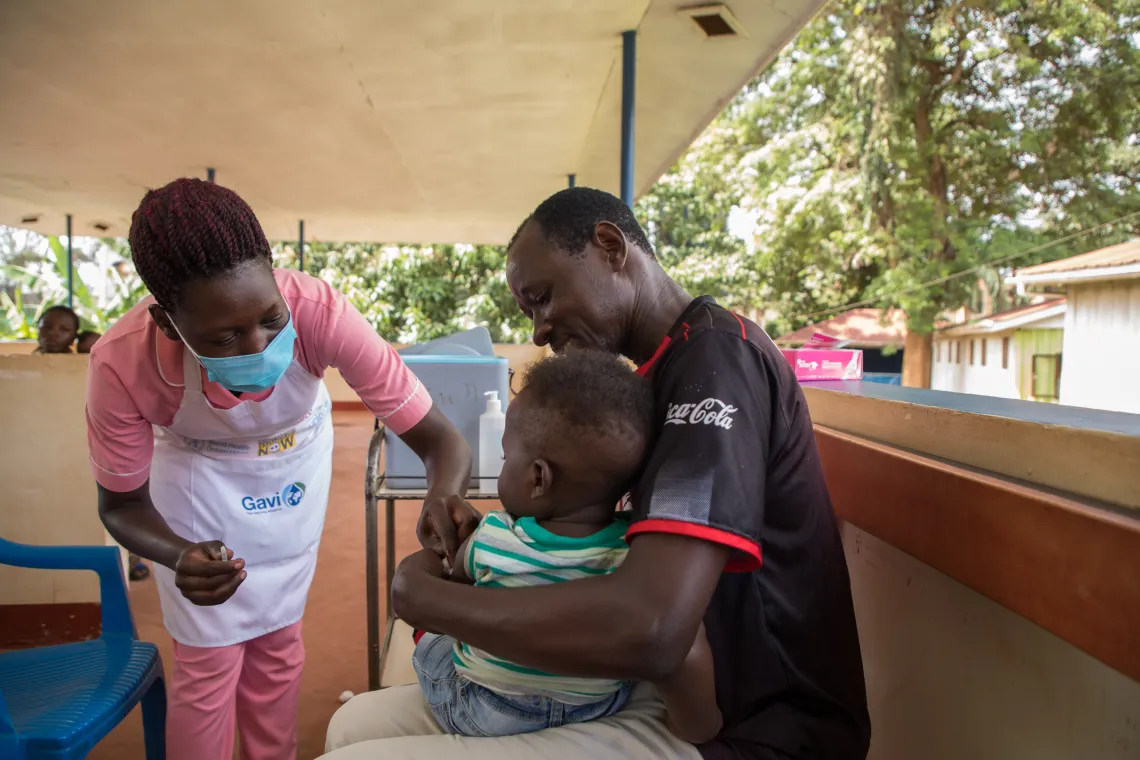
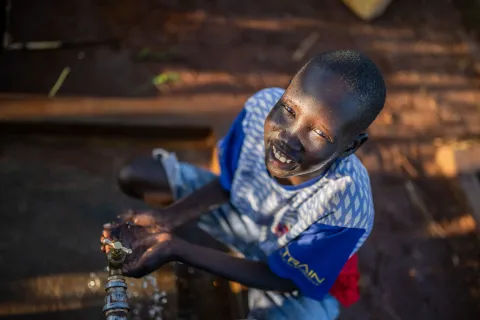
This has led to UNICEF supplying nearly 12,000 pieces of Personal Protective Equipment (masks, gloves, and boots) to support health workers in various districts throughout the country as well as soap, hand-washing facilities, and some 17,000kgs of chlorine to be used in 17 regional referral hospitals and health facilities for infection control.
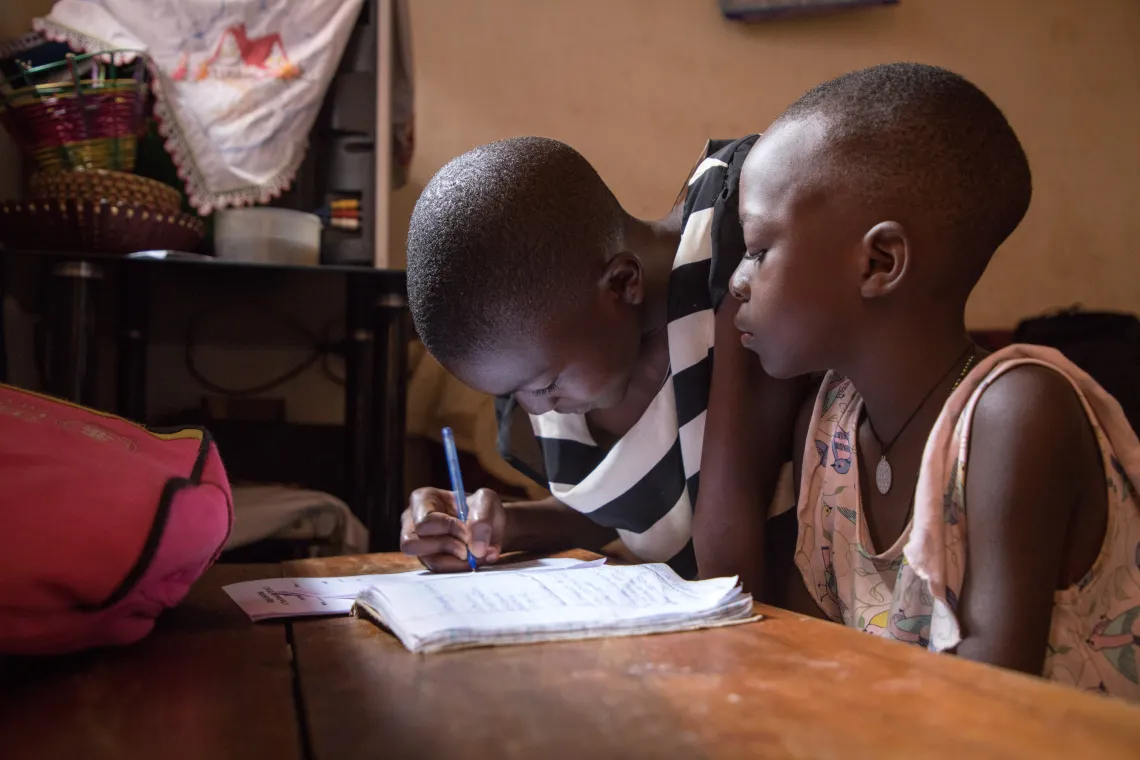
UNICEF is also actively supporting the Ministry of Education and Sports (MoES) with distance learning opportunities for children who cannot access school as well as providing mental health and psychosocial support to children and families who have been directly affected by COVID-19 and ensuring that parents have access to knowledge and information around parenting and child protection concerns in the context of COVID-19.
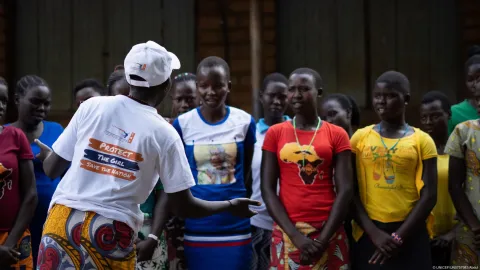
In the area of raising awareness about the pandemic and preventing further spread, UNICEF is supporting the production, procurement, and distribution of nearly three million information, education and communication materials through audio mobile vans, along with the airing of radio spots and talk shows in 30 local languages.
The costs of the pandemic for children are immediate and, if unaddressed, may persist throughout their lives.
“But they are also things we can fix,”
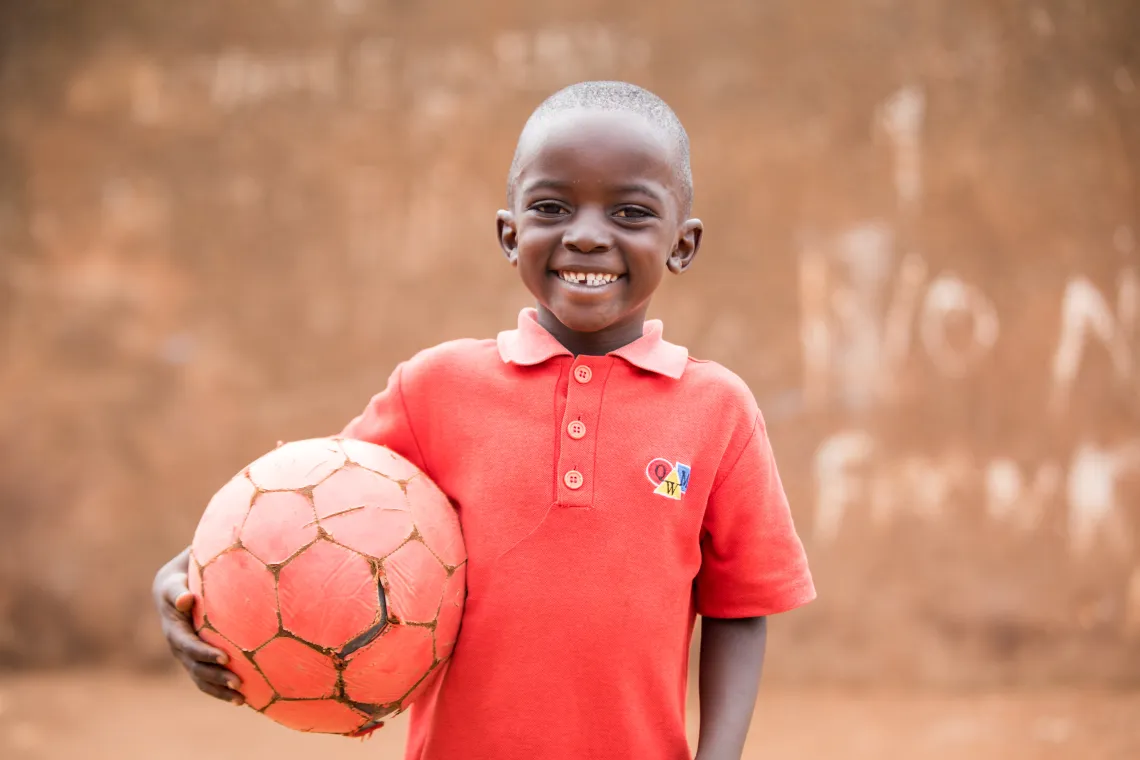
“By working together, we can ensure COVID-19 does not threaten social and economic development for a long time to come and help make families and communities more resilient. This starts with resisting the temptation to deprioritize investment in our future. In fact, we must do the opposite – taking this opportunity to build back better; invest in education, child protection, health and nutrition, and water and sanitation to reduce the damage caused by COVID-19 and avoid future crises,” she explained.
To walk the talk of building back better, UNICEF is mobilizing an additional US$ 15 million to slow the spread of COVID-19 and minimize its impact on children while supporting children’s access to learning, health, nutrition, and protection services during this unprecedented crisis.