Adolescents in Kakamar turn shared challenges into collective action
When violence, poverty and silence shaped adolescent lives
“Before, I thought violence at home was normal. Now I know my rights, and I have helped two friends get support,” says Nakiru, a 14-year-old member of the Kakamar Katikitik Adolescents Group.
For many adolescents in Kakamar Sub County-Kaabong District, growing up has meant navigating risks that no child should face alone. Limited access to health services and reliable information; poor menstrual hygiene management; child labour; neglect; domestic abuse; school dropout; and child marriage have threatened their wellbeing and narrowed their hopes for the future. Out-of-school adolescents have been especially vulnerable, while girls have faced added risks of abuse, stigma, low self-esteem and exclusion.
In some homes, alcohol abuse deepened family conflict and left children exposed to violence and instability. For others, poverty pushed schooling out of reach and made it difficult to meet basic needs, including sanitary materials and school supplies. These challenges were often treated as private family matters, leaving adolescents without safe spaces to speak, seek help or imagine a different path.
A safe space becomes a platform for change:
With support from UNICEF Uganda, the district conducted a targeted 15-day life skills training for 180 adolescents, using village-level grouping to strengthen peer support and ensure sustained follow-up. From this intervention, 30 adolescents came together in 2024 to form the Kakamar Katikitik Adolescents Group.
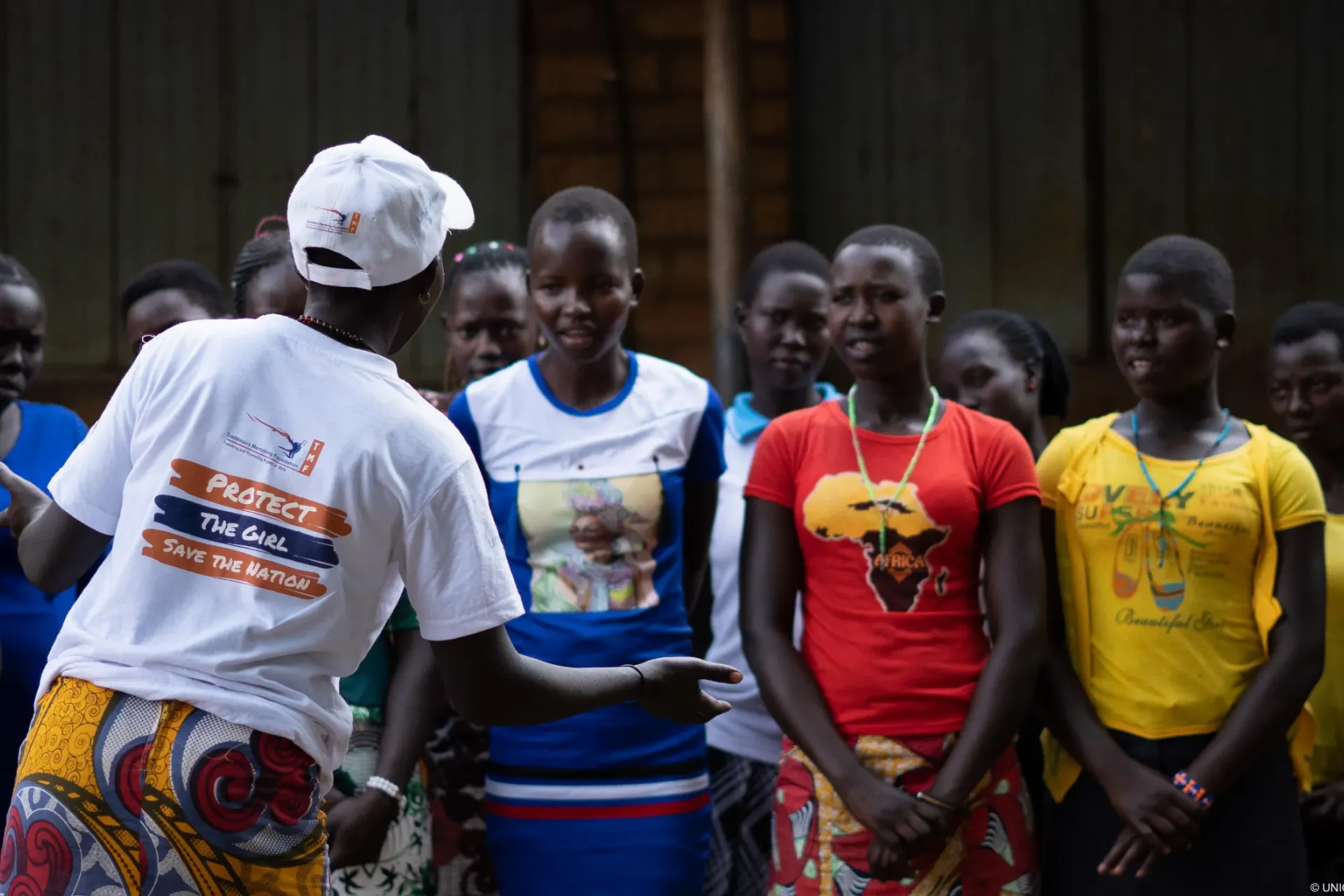
The group began with weekly discussions where members could safely share their experiences and reflect on the violence affecting children in their community. With support from the Community Development Office and partners including the International Federation of Women Lawyers (FIDA) and the Adventist Development and Relief Agency (ADRA), adolescents were trained on children’s rights, how to identify abuse, and safe reporting pathways. Equipped with this knowledge, they launched peer-to-peer awareness campaigns in schools and homes and worked with local leaders, para-social workers, police and legal actors to report cases and link children to support.
The adolescents also confronted one of the root drivers of violence in their homes: alcohol abuse. They organized community dialogues with parents and local leaders, invited rehabilitated former alcoholics to share testimonies, and used drama and role plays to show how alcoholism affects families. These activities helped turn a difficult community issue into a shared conversation about responsibility, protection and change.
Recognizing that poverty increased adolescents’ vulnerability, the group established a Village Savings and Loan Association. Members contributed small weekly savings, starting with as little as UGX 1,000, and used loans to buy school materials or invest in small businesses such as selling snacks, crafts and vegetables, as well as farming activities. The group also created peer support mechanisms, including collective contributions for girls’ sanitary materials and peer-led counselling on reproductive health, with additional support from the Community Development Officer and local health workers when needed.
Adolescents who once felt alone are now leading change
Within one year, the group had saved over UGX 1.5 million. Ten members returned to school using savings or loans, while others started or expanded small businesses, gaining confidence, financial independence and renewed hope. What began as a small group of adolescents navigating shared hardship has become a visible example of how young people can protect one another and influence their community.
By 2025, the Kakamar Katikitik Adolescents Group had grown to 35 members and become a model initiative within Kakamar Parish. Members contributed to increased reporting and awareness of violence against children and gender-based violence, reduced stigma around speaking out, improved school retention—particularly among girls—and strengthened relationships between adolescents and their parents. Several parents reported reducing alcohol consumption, some families sought counselling, and incidents of alcohol-related domestic conflict declined within the community.
Building confidence, protection and hope
The Kakamar Katikitik Adolescents Group shows that when adolescents are equipped with knowledge, safe spaces and economic opportunities, they can become powerful agents of change. The group plans to continue strengthening peer support, expanding savings and livelihoods activities, encouraging school retention, and working with community structures so that more children know their rights and can access help when they need it.
For members like Nakiru, the change is both personal and collective. The group has given adolescents a voice, a support system and a practical way to shape safer futures for themselves and their peers. From children once exposed to violence and silence, they are becoming advocates, savers, students, entrepreneurs and leaders in their own community.
This group was supported with funds from the UNFPA-UNICEF Global Programme to End Child Marriage, which funds interventions that empower adolescents, strengthen protection systems and help communities prevent and respond to child marriage and related forms of violence.